Renzokukenz
Arch-Supremacy Member
- Joined
- Jun 20, 2015
- Messages
- 15,050
- Reaction score
- 6,692
Dear All,
I tried looking for a thread which talks about sunscreen from a cosmetics point of view but I can't find threads which are informative. Many of them are from many years ago as well and have few replies.
So I am creating this thread in hopes of sharing information about sunscreen with each other.
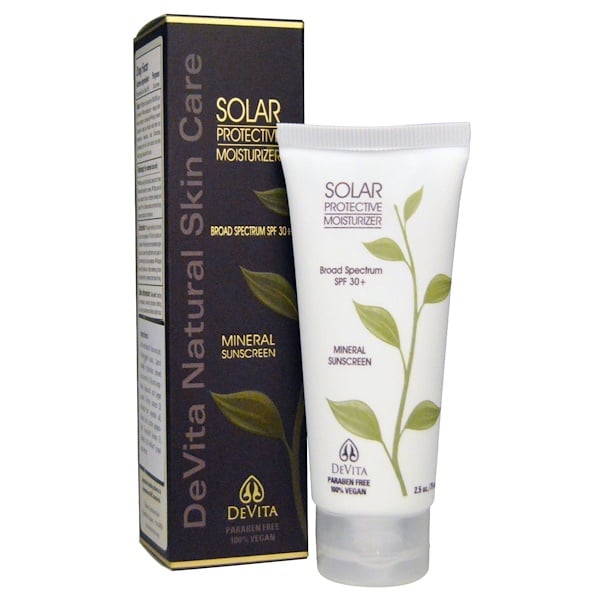
My personal philosophy with sunscreen is that it must be a Physical Barrier(which means zinc oxide or titanium dioxide).
Why??
Because the whole point of me applying sunscreen religiously daily is to slow down aging (or, prevent premature aging). I want to look less than my age and UV-photo aging is the Number #1 reason why people look older than they are.
Photo showing the effects of photo-aging (Aging-induced by sunlight).
This driver constantly has his left side of his face exposed to sunlight.

This driver constantly has his left side of his face exposed to sunlight.
Chemical barriers like Octinoxatem, Oxybenzone and stuff like that works by getting absorbed into your skin, and when your skin is exposed to UV rays, they react with the UV rays instead of letting them react with your skin cells.
The problem with that is that these chemicals usually breakdown into sub-components which are actually potentially MORE harmful than UV rays itself, and if used prolonged (aka everyday), you might actually age faster.
Chemical barriers breakdown in the presence of UV light to things that increase oxidative stress (aka making you age).
What's more?
If you did your research you will know about UV-A and UV-B rays.
Chemical Barriers are only proven largely to block UV-B rays.
Sunlight consists of UVA, UVB and UVC.
From a cosmetic standpoint, we are only interested in UVA+UVB.
UV-A is the wavelength that causes photo-aging
UV-B is the one responsible for burns (aka Sunburns)
As mentioned. Chemical Sunscreens are only proven to block UV-B rays.
Regardless of the SPF factor , chemical sunscreens in the market today are basically not well researched at all about their UV-A blocking capabilities.
So isn't the answer simple? Just go full Physical Sunscreen??
Unfortunately not. Physical sunscreen as the name implies consist of mainly Zinc Oxide and Titanium Oxide. They work by staying physically on top of your skin (not absorbed) and they work like mirrors, blocking UV light from reaching your skin.
As such, Physical Barriers tend to be chalky (make your face white) and have a very thick consistency.
But technology has improved greatly. I dare say the physical sunscreen as of late are vastly better than what they used to be.
short video on sunscreen:
Anyhow for all the vain-pots out there, please do share your experience about sunscreen that you may have.
Criteria of Good Sunscreen
- No Alcohol* (such as denaturted alcohol)
- Mineral Only (no chemical barriers)
- Good Texture and lightweight
- Broadspectrum and sufficient SPF (SPF 30 minimally)
* on why alcohol must be AVOIDED in all of your skincare products : https://forums.hardwarezone.com.sg/120636614-post5.html
Last edited: