TL;DR
- A source within Google has told Android Authority that Google plans to migrate Chrome OS fully over to Android.
- Google announced in June 2024 that Chrome OS would start using parts of Android’s tech stack, but we’ve now learned that the merger goes even deeper than previously thought.
- The reason for this shift is to better compete with the iPad and also make more effective use of development resources.
Google is a massive tech company with nearly two hundred thousand employees, so it definitely has the manpower and resources to develop two different operating systems in Android and
Chrome OS. While both Android and Chrome OS have seen huge success in different markets, they’ve struggled to compete in one product category where they overlap: tablets. The high-end tablet market is dominated by the
Apple iPad, and no matter what Google has tried, it has failed to change that. However, a source tells
Android Authority that Google is working on a multi-year project to fully turn Chrome OS into Android, and the end result could be a platform that finally bests the iPad.
Android as an operating system is designed for smartphones, tablets, smartwatches, TVs, cars, and soon
XR glasses, whereas Chrome OS is primarily designed for laptops. While the term
Chromebooks encompasses tablets as well, it’s fair to say that Chrome OS isn’t as suited for tablet use as Android is, at least when it comes to media consumption. On the flip side, it’s also a fair assessment that Android isn’t as suited for tablet use as Chrome OS is, at least when it comes to productivity. Google has tried to add features to both operating systems to bridge that gap, but even after a bit of convergence, neither platform managed to really eat Apple’s lunch.
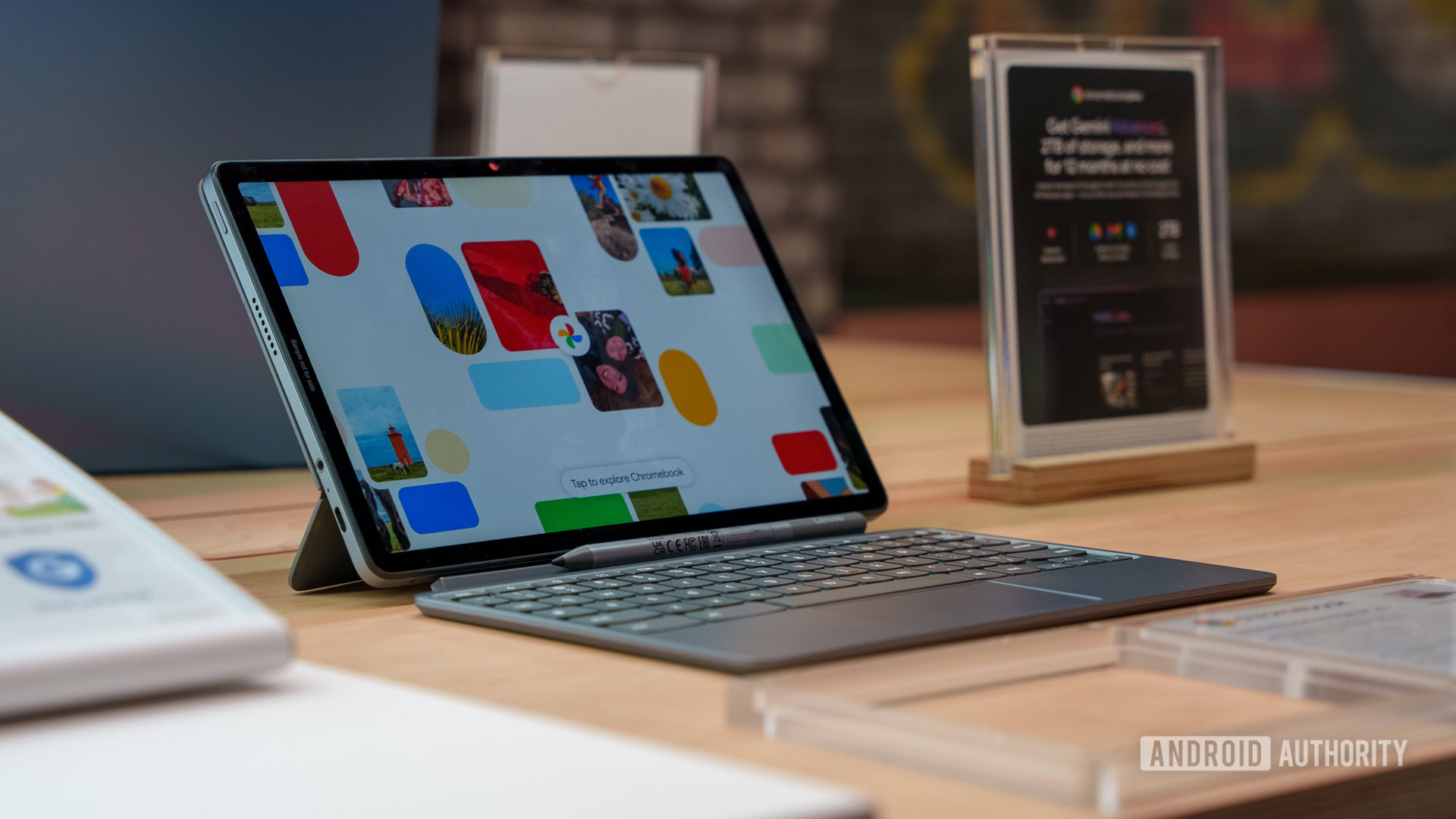
To better compete with the iPad as well as manage engineering resources more effectively, Google wants to unify its operating system efforts. Instead of merging Android and Chrome OS into a new operating system like rumors suggested in the past, however, a source told me that Google is instead working on fully migrating Chrome OS over to Android. While we don’t know what this means for the Chrome OS or Chromebook brands, we did hear that Google wants future “Chromebooks” to ship with the Android OS in the future. That’s why I believe that
Google’s rumored new Pixel Laptop will run a new version of desktop Android as opposed to the Chrome OS that you’re likely familiar with.
While Google hasn’t publicly confirmed its intentions to turn Chrome OS into Android, it did mention back in June that
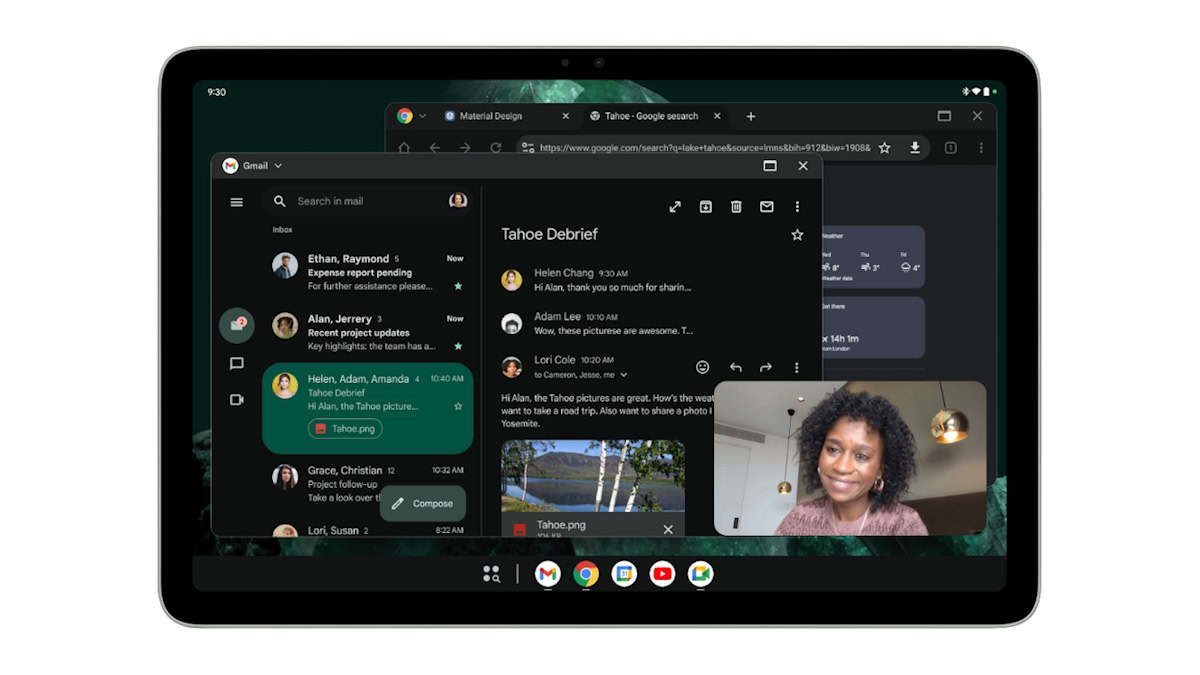
Chrome OS would become more like Android by “embracing portions of the Android stack, like the Android Linux kernel and Android frameworks.” Chrome OS already makes use of some Android tech, such as the operating system’s Bluetooth stack code-named “Fluoride,” so the announcement that it would start to use even more of Android came as no surprise. However, Google’s announcement didn’t tell the full story, as we’ve since discovered that not only is Google building a new version of
Chrome for Android with extensions support but also a Terminal to
run Linux apps on Android. The former is intended to achieve feature parity between Chrome for Android and Chrome OS, while the latter is intended to deliver a
Crostini-like experience when Chromebooks transition to Android.
However, there are still a lot of things that Google has to do to achieve feature parity between Android and Chrome OS. The
desktop windowing changes that Google is introducing in the first quarterly platform release of
Android 15 are just the beginning, as Google is working on a huge number of new Android features including improved keyboard and mouse support, external monitor support, multiple desktops, and more. All of these changes, we’re told, are part of Google’s internal Android-on-laptop project, though they’ll also obviously benefit tablets like the upcoming
Pixel Tablet 2.
One big benefit behind this unification is that it will mean more apps will be available for Android as there will be more users to target. More users also equals more money for developers, further increasing interest in the platform. And with Apple waffling on serious productivity features to avoid cannibalizing Macbook sales, Google has a chance to best the iPad when it comes to mobile productivity by pulling what worked from Chrome OS.
We reached out to Google about this development prior to the publication of this article and will update this piece if we hear back.