
You are using an out of date browser. It may not display this or other websites correctly.
You should upgrade or use an alternative browser.
You should upgrade or use an alternative browser.
Singapore Vietnamese Refugees Camp 1975
- Thread starter zhoholang
- Start date
More options
Who Replied?

https://biblioasia.nlb.gov.sg/vol-20/issue-3/oct-dec-2024/hawkins-road-refugee-camp/
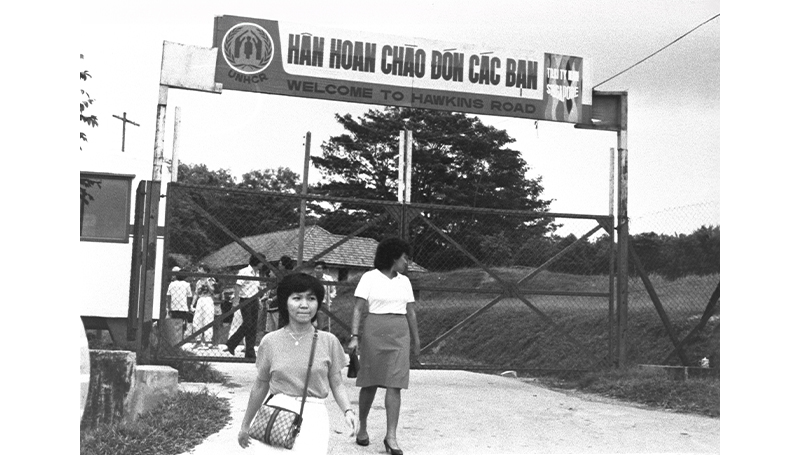
The entrance to Hawkins Road Refugee Camp, 1986. Registered Tourist Guides Association of Singapore Collection, courtesy of National Archives of Singapore.
Mention Hawkins Road and most people will return a blank look, even if they live in Sembawang where the now-expunged Hawkins Road was once located. However, back in the late 1970s and up until the mid-1990s, the Hawkins Road Refugee Camp was home to Vietnamese refugees in Singapore.
The camp at 25 Hawkins Road was set up in 1978, occupying the former barracks of the British Army. The fall of Saigon in 1975 had triggered a massive exodus of Vietnamese who escaped from South Vietnam. Most fled by sea and sought refuge in neighbouring countries such as Hong Kong, Malaysia, the Philippines, Indonesia and Singapore. Referred to as the Vietnamese boat people, they numbered in the hundreds of thousands.
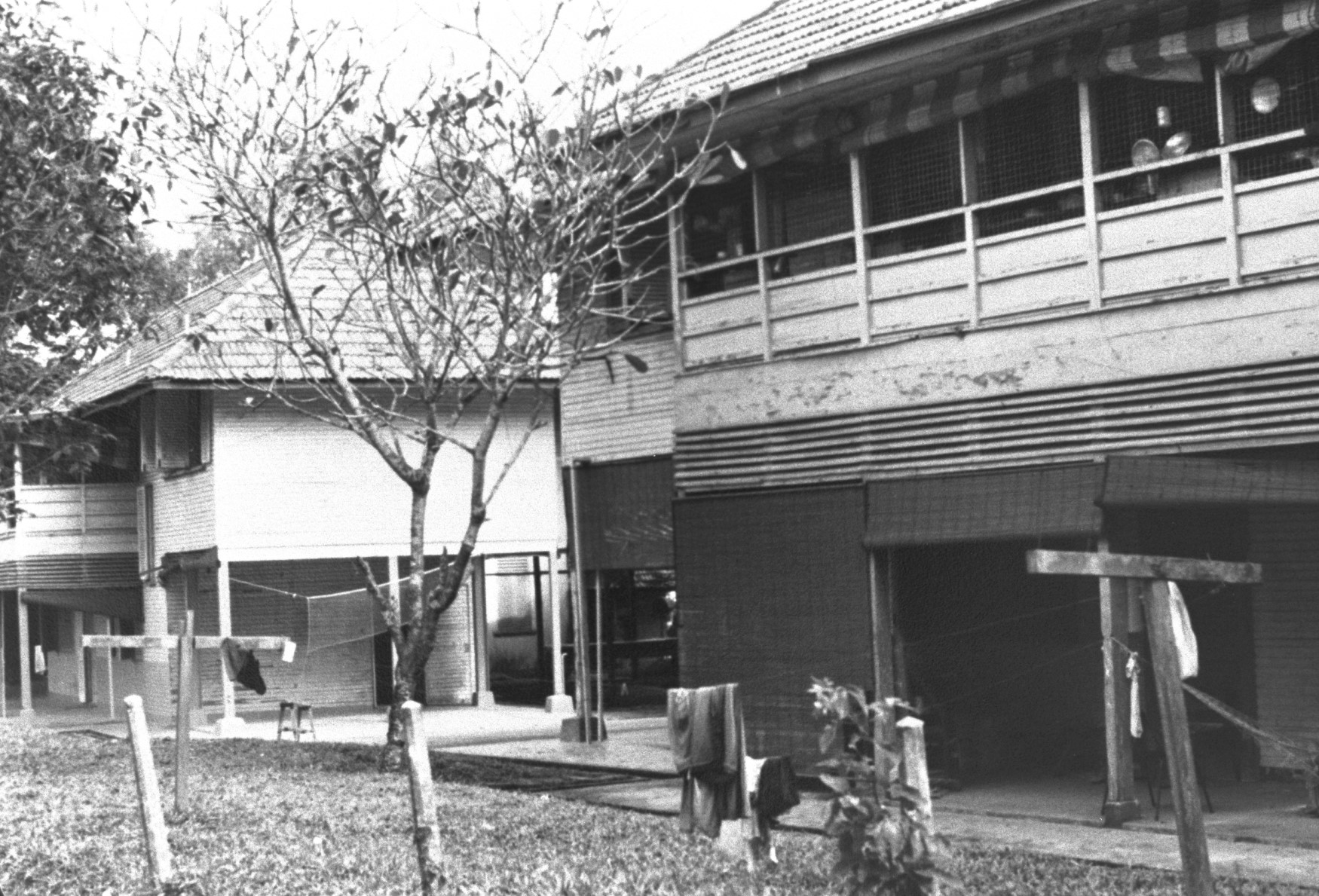
Compound of the Hawkins Road Refugee Camp, 1986. Registered Tourist Guides Association of Singapore Collection, courtesy of National Archives of Singapore.
At the Raffles Girls’ School speech day in August 1997, then Deputy Prime Minister Lee Hsien Loong explained: “We could not take them into Singapore. If we did, thousands more would come, and we would have been swamped.” The navy was tasked to turn them away. “We had to refuel them, provide them food and water, patch up their boats and engines as best we could, and send them back out to sea and along their way to find some other country better able to take them in.” Many of the soldiers and sailors who took part in what was named Operation Thunderstorm were shaken and chastened by the experience, he said.2
Once a refugee was deemed eligible for the camp, a host of procedures had to be followed. Staffers from the United Nations High Commissioner for Refugees (UNHCR) would proceed to the harbour. The refugees would first undergo a health examination, receive vaccinations and be sent to the hospital if needed. It could take as long as “seven hours after coming in to port” before the refugees were welcomed into the camp. Upon entry, they would receive bowls of hot noodle soup as well as welcome packs containing blankets, sleeping mats and cooking pots.3
“For the first few days, [the refugees] would do little but rest, eat and attempt to take in their new situation,” said the Straits Times. Once the refugees were more rested, they underwent interviews and had their case histories and x-rays taken. They could utilise amenities like a medical and dental clinic, as well as take up vocational training or language classes offered in the camp.4
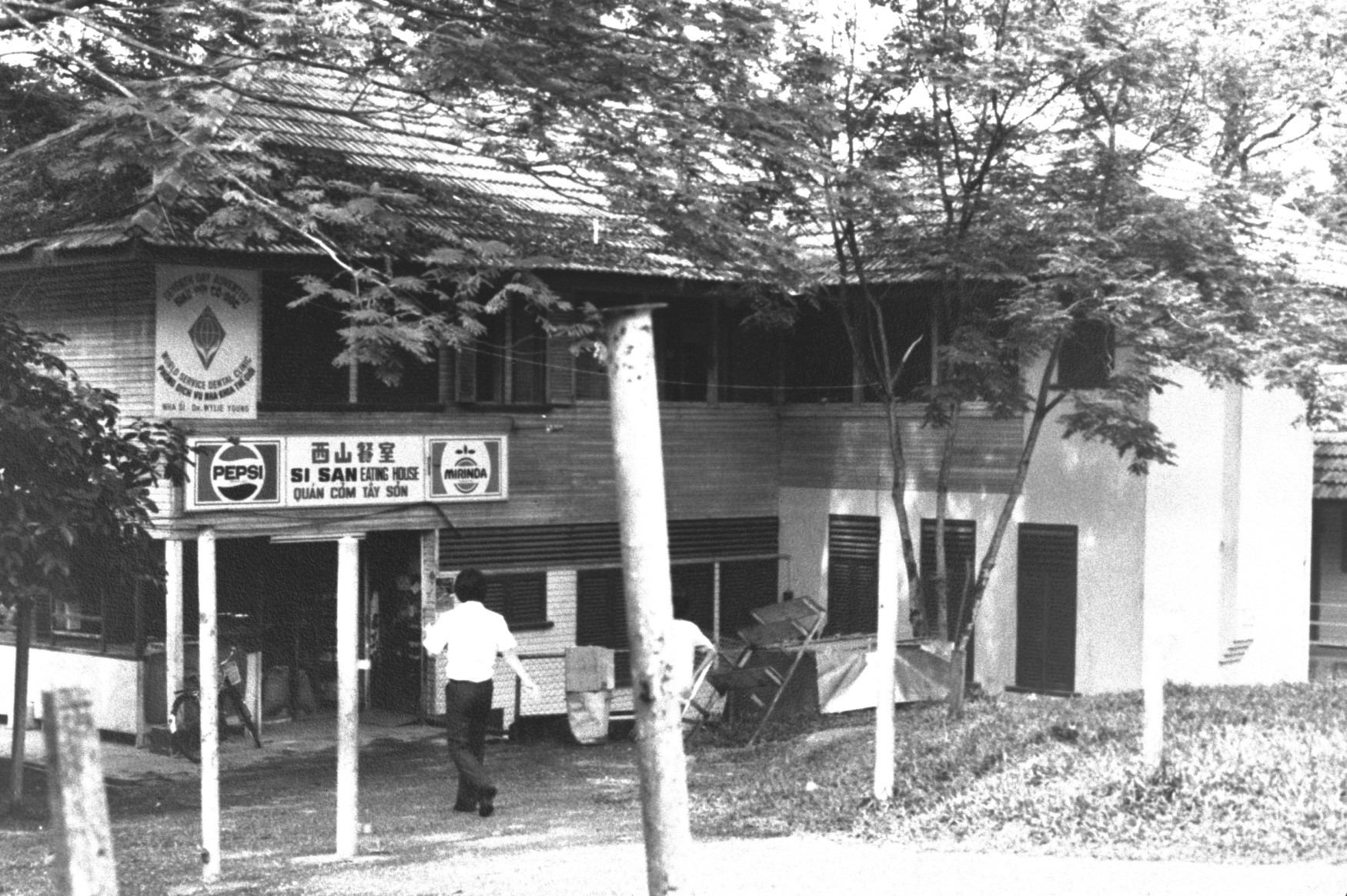
The Seventh Day Adventist World Service Dental Clinic for the refugees at Hawkins Road Refugee Camp, 1986. Registered Tourist Guides Association of Singapore Collection, courtesy of National Archives of Singapore.
Among those who spent time in Singapore was Chan Tho, now 70. He stayed in the camp for about three months in 1979 when he was 26. “We finally made it, we got rescued,” he recalled. “You risk your life, you make it and you say ok, I don’t have to be scared anymore.” He was resettled in the United States and later worked as a civil engineer in Kansas City, Missouri.5
For unaccompanied children, arrangements were made for them to live in special houses with others like them. Thao Dinh stayed in the camp from August 1981 to March 1982 when he was 11 years old and remembers that the house was crowded when he first entered. His father and three younger sisters escaped Vietnam separately and were sent to a refugee camp in Malaysia instead. He was eventually reunited with his family and they resettled in Australia where he worked as a business franchisee. The 53-year-old currently lives in Brisbane.6
The many zinc-roofed shops lining both sides of the main road sold items such as French-made crockery, household products, electrical goods, apparel and luggage. “Business is always better than usual whenever there are batches of refugees leaving to resettle elsewhere,” said Ah Mei, a salesgirl. Some shop owners even picked up Vietnamese and became good friends with the refugees. “I make friends with these people. When they go away to Europe, they write letters and postcards to me,” she added.8
One shop owner kept “pictures of dinner parties held in his shophouses and family snapshots sent from Australia and other countries”. He also told the Straits Times that he and his family of helpers had “adopted” a couple of Vietnamese girls whom they occasionally picked up from the camp to spend the day with.9
Excursions were specially organised for the children. Dinh recalls visiting the nearby towns, as well as beaches and churches. “I can remember taking the double-decker bus to Marsiling, Sembawang and Ang Mo Kio,” he said. The children were chaperoned each time they went out, and also got to celebrate occasions like Christmas and Lunar New Year together in the camp.10
The refugees also took English language classes in the camp. The teaching volunteers concentrated on topics like “how to find jobs, what kind of atmosphere to expect in different types of work, how to handle life in the country the refugees will be resettled in, and the changes in diet, climate and clothing they will face”.12
Gabriel Tan, a Singaporean, volunteered at the camp from 1980 to 1991. Initially he only taught English, but he later got to know the refugees better and even took them on field trips during the weekends.13
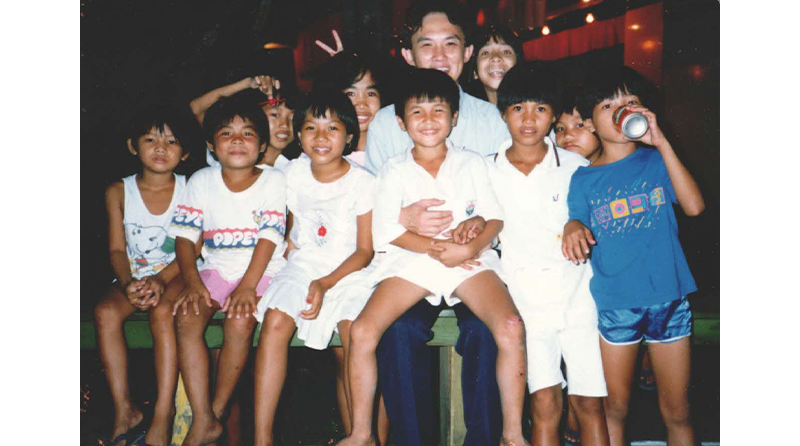
Singaporean volunteer Gabriel Tan with some of the children at the Hawkins Road Refugee Camp, 1982. Courtesy of Gabriel Tan.
In an unpublished manuscript by Jill Saunders, a teacher at the camp, and Kaye McArthur, a coordinator of the children’s programme, they wrote that “you soon forgot the dust, the dirt, the insects and the feeling your clothes were sticking to you from perspiration. Any physical discomfort was overtaken by the task in hand and the refugee’s extraordinary enthusiasm and appreciation”.14
To share stories of their lives, a magazine was produced by the refugees. Titled Nhan Chung (Witness), 10,000 copies of the first issue came out in December 1979. It was written in Vietnamese, with English translations done by the refugees themselves.15
A temporary home for Vietnamese refugees for nearly two decades, the Hawkins Road camp received thousands who experienced daily life within its boundaries and around Singapore prior to resettlement.
By Rebecca Tan
The entrance to Hawkins Road Refugee Camp, 1986. Registered Tourist Guides Association of Singapore Collection, courtesy of National Archives of Singapore.
Mention Hawkins Road and most people will return a blank look, even if they live in Sembawang where the now-expunged Hawkins Road was once located. However, back in the late 1970s and up until the mid-1990s, the Hawkins Road Refugee Camp was home to Vietnamese refugees in Singapore.
The camp at 25 Hawkins Road was set up in 1978, occupying the former barracks of the British Army. The fall of Saigon in 1975 had triggered a massive exodus of Vietnamese who escaped from South Vietnam. Most fled by sea and sought refuge in neighbouring countries such as Hong Kong, Malaysia, the Philippines, Indonesia and Singapore. Referred to as the Vietnamese boat people, they numbered in the hundreds of thousands.
Compound of the Hawkins Road Refugee Camp, 1986. Registered Tourist Guides Association of Singapore Collection, courtesy of National Archives of Singapore.
Arrival in Singapore
Singapore, being a small country, did not allow all Vietnamese refugees to come ashore. “The agreement worked out with the Singapore Government is that the camp may hold up to 1,000 people, who must be out within three months,” the Straits Times reported in October 1981. Refugees were “allowed ashore only on the condition that they have been picked up by ships flying the flag of a nation which guarantees to take them if no other nation makes an offer”.1At the Raffles Girls’ School speech day in August 1997, then Deputy Prime Minister Lee Hsien Loong explained: “We could not take them into Singapore. If we did, thousands more would come, and we would have been swamped.” The navy was tasked to turn them away. “We had to refuel them, provide them food and water, patch up their boats and engines as best we could, and send them back out to sea and along their way to find some other country better able to take them in.” Many of the soldiers and sailors who took part in what was named Operation Thunderstorm were shaken and chastened by the experience, he said.2
Once a refugee was deemed eligible for the camp, a host of procedures had to be followed. Staffers from the United Nations High Commissioner for Refugees (UNHCR) would proceed to the harbour. The refugees would first undergo a health examination, receive vaccinations and be sent to the hospital if needed. It could take as long as “seven hours after coming in to port” before the refugees were welcomed into the camp. Upon entry, they would receive bowls of hot noodle soup as well as welcome packs containing blankets, sleeping mats and cooking pots.3
“For the first few days, [the refugees] would do little but rest, eat and attempt to take in their new situation,” said the Straits Times. Once the refugees were more rested, they underwent interviews and had their case histories and x-rays taken. They could utilise amenities like a medical and dental clinic, as well as take up vocational training or language classes offered in the camp.4
The Seventh Day Adventist World Service Dental Clinic for the refugees at Hawkins Road Refugee Camp, 1986. Registered Tourist Guides Association of Singapore Collection, courtesy of National Archives of Singapore.
Among those who spent time in Singapore was Chan Tho, now 70. He stayed in the camp for about three months in 1979 when he was 26. “We finally made it, we got rescued,” he recalled. “You risk your life, you make it and you say ok, I don’t have to be scared anymore.” He was resettled in the United States and later worked as a civil engineer in Kansas City, Missouri.5
For unaccompanied children, arrangements were made for them to live in special houses with others like them. Thao Dinh stayed in the camp from August 1981 to March 1982 when he was 11 years old and remembers that the house was crowded when he first entered. His father and three younger sisters escaped Vietnam separately and were sent to a refugee camp in Malaysia instead. He was eventually reunited with his family and they resettled in Australia where he worked as a business franchisee. The 53-year-old currently lives in Brisbane.6
Life in Singapore
As the refugees were allowed outside the camp after 12 pm each day for shopping or other recreational activities, they would visit nearby towns like Chong Pang, which took on a “bustling rhythm” reported the Straits Times in 1980.7The many zinc-roofed shops lining both sides of the main road sold items such as French-made crockery, household products, electrical goods, apparel and luggage. “Business is always better than usual whenever there are batches of refugees leaving to resettle elsewhere,” said Ah Mei, a salesgirl. Some shop owners even picked up Vietnamese and became good friends with the refugees. “I make friends with these people. When they go away to Europe, they write letters and postcards to me,” she added.8
One shop owner kept “pictures of dinner parties held in his shophouses and family snapshots sent from Australia and other countries”. He also told the Straits Times that he and his family of helpers had “adopted” a couple of Vietnamese girls whom they occasionally picked up from the camp to spend the day with.9
Excursions were specially organised for the children. Dinh recalls visiting the nearby towns, as well as beaches and churches. “I can remember taking the double-decker bus to Marsiling, Sembawang and Ang Mo Kio,” he said. The children were chaperoned each time they went out, and also got to celebrate occasions like Christmas and Lunar New Year together in the camp.10
Days in the Camp
In November 1978, a Hawkins Road camp committee was formed by the refugees themselves following a UNHCR official’s suggestion. The committee comprised positions such as an overall camp leader, an internal affairs head, a head of education, a head librarian, a deputy medical officer, a head of carpentry, a chief musician and an officer in charge of films and slides.11The refugees also took English language classes in the camp. The teaching volunteers concentrated on topics like “how to find jobs, what kind of atmosphere to expect in different types of work, how to handle life in the country the refugees will be resettled in, and the changes in diet, climate and clothing they will face”.12
Gabriel Tan, a Singaporean, volunteered at the camp from 1980 to 1991. Initially he only taught English, but he later got to know the refugees better and even took them on field trips during the weekends.13
Singaporean volunteer Gabriel Tan with some of the children at the Hawkins Road Refugee Camp, 1982. Courtesy of Gabriel Tan.
In an unpublished manuscript by Jill Saunders, a teacher at the camp, and Kaye McArthur, a coordinator of the children’s programme, they wrote that “you soon forgot the dust, the dirt, the insects and the feeling your clothes were sticking to you from perspiration. Any physical discomfort was overtaken by the task in hand and the refugee’s extraordinary enthusiasm and appreciation”.14
To share stories of their lives, a magazine was produced by the refugees. Titled Nhan Chung (Witness), 10,000 copies of the first issue came out in December 1979. It was written in Vietnamese, with English translations done by the refugees themselves.15


106gunner
High Supremacy Member
- Joined
- Dec 29, 2019
- Messages
- 44,912
- Reaction score
- 15,600
Yes, my elder sis, a ex Certis Cisco used to attach at the Vietnam refuge camp at SembawangI remember visiting one during the early 80s. Somewhere in Woodlands.

Tetsuconek
Master Member
- Joined
- May 31, 2022
- Messages
- 2,912
- Reaction score
- 3,381
Read their stories from refugee status become living comfortable in US or Australia .. while local borned sinkies have to slog day n night as Grabfood rider or grab driver . 吃不饱饿不死..
Jin Cham mans ..
Jin Cham mans ..
106gunner
High Supremacy Member
- Joined
- Dec 29, 2019
- Messages
- 44,912
- Reaction score
- 15,600
Other than those migrate to US, there are many who work in sg and married sinkeRead their stories from refugee status become living comfortable in US or Australia .. while local borned sinkies have to slog day n night as Grabfood rider or grab driver . 吃不饱饿不死..
Jin Cham mans ..
Didn’t we have a Vietnam wifey club in edmw?

106gunner
High Supremacy Member
- Joined
- Dec 29, 2019
- Messages
- 44,912
- Reaction score
- 15,600
Read their stories from refugee status become living comfortable in US or Australia .. while local borned sinkies have to slog day n night as Grabfood rider or grab driver . 吃不饱饿不死..
Jin Cham mans ..
风水轮流转

buffybuffy
Arch-Supremacy Member
- Joined
- Oct 15, 2007
- Messages
- 19,556
- Reaction score
- 8,055

Important Forum Advisory Note
This forum is moderated by volunteer moderators who will react only to members' feedback on posts. Moderators are not employees or representatives of HWZ. Forum members and moderators are responsible for their own posts.
Please refer to our Community Guidelines and Standards, Terms of Service and Member T&Cs for more information.
Please refer to our Community Guidelines and Standards, Terms of Service and Member T&Cs for more information.
