
You are using an out of date browser. It may not display this or other websites correctly.
You should upgrade or use an alternative browser.
You should upgrade or use an alternative browser.
Kaylin vs PiscesGirl - who is more popular in EDMW?
- Thread starter ahboy82
- Start date
More options
Who Replied?

clon33
High Supremacy Member
- Joined
- Feb 15, 2009
- Messages
- 28,936
- Reaction score
- 4,358


Kaylin
Great Supremacy Member
- Joined
- Apr 8, 2004
- Messages
- 50,906
- Reaction score
- 70,604
This one what to call him during CNY?
祖先 ah?
hello 秦汉 still alive, simi 祖先. he only 79 yrs old nia

clon33
High Supremacy Member
- Joined
- Feb 15, 2009
- Messages
- 28,936
- Reaction score
- 4,358
with gong yoo, anytime is a gd timelook at his proportions, so unreal! so smexxxxy
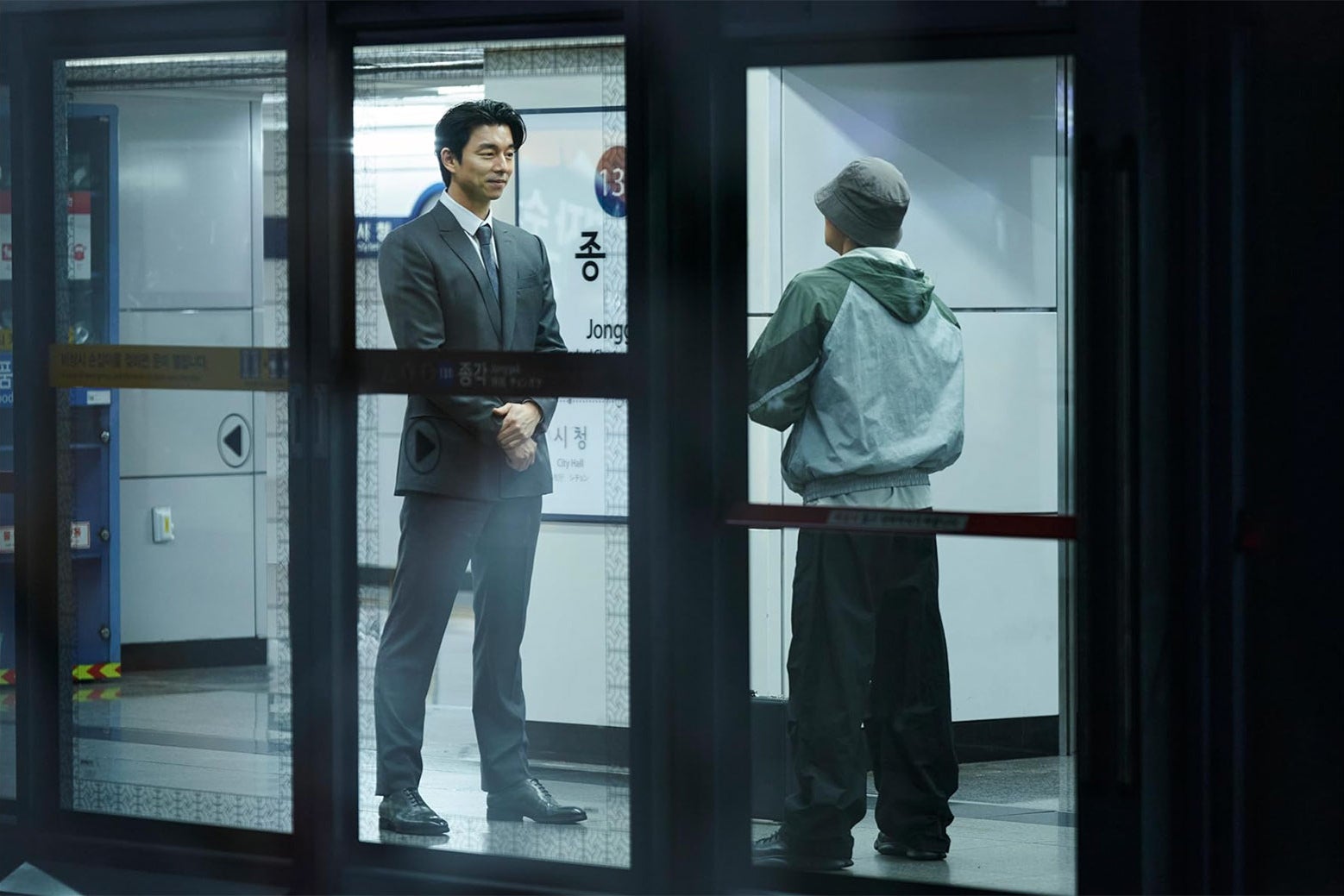
Gong Yoo's ideal style is his father.
clon33
High Supremacy Member
- Joined
- Feb 15, 2009
- Messages
- 28,936
- Reaction score
- 4,358
True in past she has been hurt by one before after that She slowly can see people well
She said another sign of zha nan they will push all the blame to their parnter too and bad mouth someone in national TV for personal gain not telling the truth half truth
Or want to have xiaosan higher level is claim my wife not good to be bla bla bla my wife is crazy so xiaosan pity him than start datting him
And if guy never let you meet his friend he is only toying you not serious kind
You should be proud of your witch buddy.
She is learning more about agency (psychology) and having an internal locus of control.
https://www.psychologytoday.com/us/.../agency-and-structure-within-us-and-around-us
Agency and Structure Within Us and Around Us
We can't improve structure without improving the agency.Key points
- In human endeavor, there is a continual tension between structure (laws, rules, norms) and individual agency.
- The structure-agency tension plays out on all levels of human interactions, including love relationships.
- Love partners focus too much on agency and not enough on structure.
Derived from sociology, the concept of structure refers to influences and constraints on individual behavior. Elements of social structure include laws, policies, organizations, social categories (economics, race, gender, religion), prevalence of crime, sickness, health care, and quality education, as well as cultural norms of expected social behavior.
Agency refers to individual rights, responsibilities, and autonomy (control over one’s thoughts, feelings, and actions).
The structure-agency tension plays out on all levels of human interactions, including love relationships. It’s a useful lens for analyzing relationships, society, and politics.
Structure in Love Relationships
We’re not consciously aware of the structure that guides and constrains our behavior within love relationships. Nevertheless, love relationships feature tacit rules and norms to which partners expect adherence. Research suggests several norms that are optimal for committed relationships:
- Egalitarian
- Cooperative
- Supportive and protective
- Flexible
- Tolerance of differences.
Egalitarian: the rights, privileges, and preferences of partners are equal, with neither holding power nor authority over the other.
Cooperative: partners contribute to the well-being of the family according to talents, skills, and personal resources. Historically, division of labor, control of family resources, and assumption of responsibilities were determined by gender roles. In our times, partners must negotiate about them fairly for relationships to thrive.
Supportive and protective: partners help each other and protect each other’s well-being.
Flexible: partners are open to changes in behavior.
Tolerance of differences: partners accept that they have different family histories, life experiences, coping habits, and, most likely, different temperaments, emotional vulnerabilities, and cultural norms.
Rate the structure of your relationship by answering true or false to the following. My relationship is:
Egalitarian ___
Cooperative ___
Flexible ___
Supportive and protective ___
Tolerant of differences ___
*All answers should be true.
Agency in Love Relationships
This is what we know about the healthiest expression of agency within relationship structure:- Partners accept personal responsibility for their behavior and contribute to the well-being of the family.
- Partners self-regulate: calm themselves when upset and strive to improve problematic situations rather than blame, punish, or try to avoid problems or each other.
I accept personal responsibility ___
My partner accepts personal responsibility __
My partner thinks I accept personal responsibility __
I self-regulate__
My partner self-regulates__
My partner thinks I self-regulate.
*All answers should be true.
Last edited:

LWZ
High Supremacy Member
- Joined
- Jul 9, 2016
- Messages
- 36,333
- Reaction score
- 13,544
I think Thanos' sidekick will step up to become the true scary player of s03he & that guy were so annoying
Kaylin
Great Supremacy Member
- Joined
- Apr 8, 2004
- Messages
- 50,906
- Reaction score
- 70,604
oh no pls dont the druggieI think Thanos' sidekick will step up to become the true scary player of s03
Is it true that women tend to select spouse based on chemistry? And neglect other aspects such as spirituality, values, money, forebearance?
This is what they think, based on pheromones.... but reality is lasting marriage is totally off from chemistry or love at first sight
qin han young pic looks more decent than the kpop guy u like.hello 秦汉 still alive, simi 祖先. he only 79 yrs old nia
those current kpop guy, they way the modify their face, and put on make up, makes them look so weird and effiminate and unnatural.
but seems like current gen of girls like that look
Last edited:
Kaylin
Great Supremacy Member
- Joined
- Apr 8, 2004
- Messages
- 50,906
- Reaction score
- 70,604
putting u on ignore nao!!!qin han young pic looks more decent than the kpop guy u like.
those current kpop guy, they way the modify their face, and put on make up, makes them look so weird and effiminate.
but seems like current gen of girls like that look
just kidding
before u do. need to tell u, I look like Song Joong Kiputting u on ignore nao!!!
just kidding
Kaylin
Great Supremacy Member
- Joined
- Apr 8, 2004
- Messages
- 50,906
- Reaction score
- 70,604
joong ki ah...before u do. need to tell u, I look like Song Joong Ki
Iz true...I can vouch for him....add 40kg on top of joong ki can look like himjoong ki ah...
Kaylin
Great Supremacy Member
- Joined
- Apr 8, 2004
- Messages
- 50,906
- Reaction score
- 70,604
like andy lau in 瘦身男女?Iz true...I can vouch for him....add 40kg on top of joong ki can look like him

Still look hansum , can tell once slim down will be 渣男like andy lau in 瘦身男女?
that's kim Jong UnIz true...I can vouch for him....add 40kg on top of joong ki can look like him
clon33
High Supremacy Member
- Joined
- Feb 15, 2009
- Messages
- 28,936
- Reaction score
- 4,358
it's really true. i encountered several sinkies with 100% pinoy looking face and skin tone. only realized they are chinese after they open mouth. it's not so much the skin color. it's the face
I feel for her.

clon33
High Supremacy Member
- Joined
- Feb 15, 2009
- Messages
- 28,936
- Reaction score
- 4,358
before u do. need to tell u, I look like Song Joong Ki
Soong Joon-ki's latest movie Bogota flopped, only 400k people bought tickets during its theatre release and failed to break-even (needed 3 million viewers).
This was his 3rd consecutive movie flop. He cry during interview and blamed the film industry also no use.
Koreans are boycotting this scumbag after what did to his ex wife Song Hye-Kyo, manufacturing one sided stories and blaming her for the breakdown in their marriage, and tried to destroy her career. This 渣男 deserves all the retribution he can get.
https://gulfnews.com/entertainment/...failure-i-worked-harder-than-ever-1.500017747
Released on December 31, 2024, Bogotá: City of the Lost has struggled at the box office, attracting approximately 400,000 viewers as of January 15, far short of its break-even point of 3 million.
This marks Joong-Ki's third consecutive box office disappointment, following Hopeless in 2023 and My Name Is Loh Kiwan.
This marks Joong-Ki's third consecutive box office disappointment, following Hopeless in 2023 and My Name Is Loh Kiwan.
https://mydramalist.com/article/song-joong-ki-tears-up-over-box-office-failure-of-bogota

Song Joong Ki shared, "As Lee Sung Min sunbae said, currently, Korean cinema is going through a tough time. Honestly, I'm just grateful that my movie is even being screened in theaters presently. Because it has become so challenging for Korean films to secure theater showings, I've been putting more effort than ever into promoting this movie. I wanted to spread the word and present it in the best light possible."
He continued, "Even if I get criticized, I wanted to try, even if it's not enough, to improve this situation [our movie is in]. Still, I want to express my gratitude to everyone who came to watch our movie." "The film industry is in a tough spot right now, but the job of actors is to create good content that comforts and entertains the audience. I'll dedicate myself to creating good works and be a source of strength to viewers."
Song Joong Ki became emotional, saying, "As I talk, I keep getting emotional," and added, "Thank you so much," as he shed tears.
heng i lied about looking like Song Joong kiSoong Joon-ki's latest movie Bogota flopped, only 400k people bought tickets during its theatre release and failed to break-even (needed 3 million viewers).
This was his 3rd consecutive movie flop. He cry during interview and blamed the film industry also no use.
Koreans are boycotting this scumbag after what did to his ex wife Song Hye-Kyo, manufacturing one sided stories and blaming her for the breakdown in their marriage, and tried to destroy her career. This 渣男 deserves all the retribution he can get.
https://gulfnews.com/entertainment/...failure-i-worked-harder-than-ever-1.500017747
Released on December 31, 2024, Bogotá: City of the Lost has struggled at the box office, attracting approximately 400,000 viewers as of January 15, far short of its break-even point of 3 million.
This marks Joong-Ki's third consecutive box office disappointment, following Hopeless in 2023 and My Name Is Loh Kiwan.
https://mydramalist.com/article/song-joong-ki-tears-up-over-box-office-failure-of-bogota
Song Joong Ki shared, "As Lee Sung Min sunbae said, currently, Korean cinema is going through a tough time. Honestly, I'm just grateful that my movie is even being screened in theaters presently. Because it has become so challenging for Korean films to secure theater showings, I've been putting more effort than ever into promoting this movie. I wanted to spread the word and present it in the best light possible."
He continued, "Even if I get criticized, I wanted to try, even if it's not enough, to improve this situation [our movie is in]. Still, I want to express my gratitude to everyone who came to watch our movie." "The film industry is in a tough spot right now, but the job of actors is to create good content that comforts and entertains the audience. I'll dedicate myself to creating good works and be a source of strength to viewers."
Song Joong Ki became emotional, saying, "As I talk, I keep getting emotional," and added, "Thank you so much," as he shed tears.
so what actually happened between him and his wife?
so what actually happned between him and his wife.Soong Joon-ki's latest movie Bogota flopped, only 400k people bought tickets during its theatre release and failed to break-even (needed 3 million viewers).
This was his 3rd consecutive movie flop. He cry during interview and blamed the film industry also no use.
Koreans are boycotting this scumbag after what did to his ex wife Song Hye-Kyo, manufacturing one sided stories and blaming her for the breakdown in their marriage, and tried to destroy her career. This 渣男 deserves all the retribution he can get.
https://gulfnews.com/entertainment/...failure-i-worked-harder-than-ever-1.500017747
Released on December 31, 2024, Bogotá: City of the Lost has struggled at the box office, attracting approximately 400,000 viewers as of January 15, far short of its break-even point of 3 million.
This marks Joong-Ki's third consecutive box office disappointment, following Hopeless in 2023 and My Name Is Loh Kiwan.
https://mydramalist.com/article/song-joong-ki-tears-up-over-box-office-failure-of-bogota
Song Joong Ki shared, "As Lee Sung Min sunbae said, currently, Korean cinema is going through a tough time. Honestly, I'm just grateful that my movie is even being screened in theaters presently. Because it has become so challenging for Korean films to secure theater showings, I've been putting more effort than ever into promoting this movie. I wanted to spread the word and present it in the best light possible."
He continued, "Even if I get criticized, I wanted to try, even if it's not enough, to improve this situation [our movie is in]. Still, I want to express my gratitude to everyone who came to watch our movie." "The film industry is in a tough spot right now, but the job of actors is to create good content that comforts and entertains the audience. I'll dedicate myself to creating good works and be a source of strength to viewers."
Song Joong Ki became emotional, saying, "As I talk, I keep getting emotional," and added, "Thank you so much," as he shed tears.
Important Forum Advisory Note
This forum is moderated by volunteer moderators who will react only to members' feedback on posts. Moderators are not employees or representatives of HWZ. Forum members and moderators are responsible for their own posts.
Please refer to our Community Guidelines and Standards, Terms of Service and Member T&Cs for more information.
Please refer to our Community Guidelines and Standards, Terms of Service and Member T&Cs for more information.
