Electrocution from a water heater can occur if the heater's internal components leak electricity into the water, or if a faulty installation or wiring creates a path for electricity to flow through a person. This is particularly dangerous in bathrooms or when using a water heater in wet conditions.
How Electrocution Can Happen:
Internal Faults:
A faulty heating element or wiring within the water heater tank can cause electricity to leak into the water, creating a shock hazard.
Poor Installation:
Improper wiring, such as using an inadequate power source for the heater's wattage, or failing to properly ground the appliance, can lead to electrocution.
Faulty Wiring or Components:
Damaged or corroded wires, or a faulty grounding connection, can expose electrical components to water and create a shock hazard.
Water Leaks:
If a water leak occurs within the heater's casing, it can expose electrical components to water, increasing the risk of electrocution.
Tripping Plugs:
Overloading a three-pin plug with a water heater can cause the cables to fuse together, potentially energizing the water heater casing and creating a shock hazard.
Lack of Safety Devices:
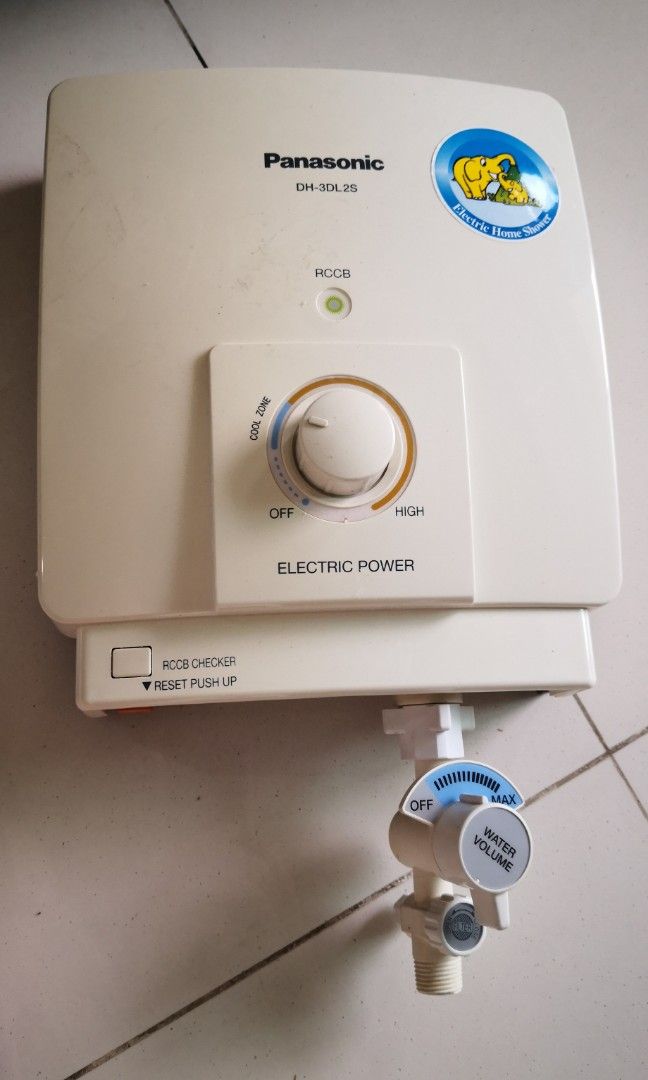
If a water heater's circuit isn't protected by an RCCB (Residual Current Circuit Breaker), it won't automatically cut off power in case of a fault, increasing the risk of electrocution.
Safety Precautions:
Professional Installation: Always have a water heater installed by a qualified electrician and plumber.
Proper Wiring: Ensure the water heater is wired correctly and grounded properly.
Regular Maintenance: Have your water heater inspected and maintained by a qualified technician to catch any potential problems early.
Check for tingling sensations: If you feel any tingling sensation when using the water heater, stop using it immediately and have it checked by a professional.
Wear slippers: Wear slippers when showering to reduce the risk of electrocution.
Cut off power: If someone is electrocuted, immediately cut off the power supply at the main electrical panel.
Additional Information:
A water heater is more likely to cause an electrocution if someone is in direct contact with the water, or if they are wet.
The risk of electrocution is higher when the water heater is on and in use.
Even if the water heater is off, it can still be dangerous if it has a faulty connection or wiring.