
You are using an out of date browser. It may not display this or other websites correctly.
You should upgrade or use an alternative browser.
You should upgrade or use an alternative browser.
1M65 - China Chinese Companies are Destroying Our Singapore Businesses!
- Thread starter 106gunner
- Start date
More options
Who Replied?

keewee0415
High Supremacy Member
- Joined
- Jan 6, 2010
- Messages
- 30,821
- Reaction score
- 10,728
True.LOL we hear sinkie go west, Japan, Korea to learn how to cook their food.
But didn't hear them going china, Thailand or Vietnam to learn.
But tiagong the Soi 19 wanton mee stall owner learned how to cook the Thai style Wanton Mee from someone in Thailand and opened a few branches in SG liao.
Otherwise, most Thai, Viet and China food stalls and restaurants are opened and operated by immigrants who came over from their respective countries.
Sinkies will never learn how to cook these types of "low SES" cuisines.

eviljiggle
Junior Member
- Joined
- Jul 3, 2025
- Messages
- 52
- Reaction score
- 35
The same 65% will support these companies.
Cos as long as it doesn't hit their own pockets it is ok.
Cos as long as it doesn't hit their own pockets it is ok.

moonlighter_sg
Arch-Supremacy Member
- Joined
- Aug 15, 2005
- Messages
- 16,754
- Reaction score
- 5,585
It is a free market, we just accept cheaper alternatives.

BlackWing1977
Greater Supremacy Member
- Joined
- Mar 1, 2006
- Messages
- 97,741
- Reaction score
- 35,423
Because a lot of local dishes are adapted from dishes that originate from China to fit local ingredients and taste buds.. and even local climate... so does not make sense to go learn from there and not knowing if it will be suitable to local palates unless your aim is to sell to the Chinese nationals in Singapore.. but if they know you local... will they trust you to cook proper dishes from China? Likewise they are probably able to go support their own country men.Or at the very least go to China and learn from them.
There are many aspiring young chefs who went to Naples to learn the art of making pizzas and return to Singapore to open chop carrot pizza shops.
But I never heard of any F&B Entrepreneur wannabe who went to China to learn about how their restaurants survive under involution and still can expand overseas.
There must be some secret sauce in their business models that local F&B businesses can learn and adapt in local business environments.
Last edited:
BlackWing1977
Greater Supremacy Member
- Joined
- Mar 1, 2006
- Messages
- 97,741
- Reaction score
- 35,423
Nowadays WTM I really have to add the exhorbitant $1 extra noodles to make it look like a regular meal... if not it is like so little... my mum likes WTM... that is why boh bian I will go food court buy... the nearby roast duck char siew stall that sell wanton noodles the last time I want to buy WTM... he said no more wantons.. only charsiew noodles.. end up he charge even more for it.. and I dun ever want to buy from him again.Seriously the carbs are getting ridiculous small portion.
We just want to fill our stomach, add rice or noodles also not much.
Really need to order 2 bowl or plate.
WTM is getting bad to worse.
One kiap can kiap all the noodles up
The only decent WTM stall that really give enough noodles is at Chinatown OG hawker centre... they are right at the end near the main entrance of OG.

gamerx
Arch-Supremacy Member
- Joined
- Mar 30, 2002
- Messages
- 15,287
- Reaction score
- 2,116
It's more like local businesses are uncompetitive. Don't hear people complain when western MNCs dominate most of the high value sectors here either. 
So long as SG businesses and GLC are beh kan, the best we can hope for is FDI by these foreign MNCs lor.
So long as SG businesses and GLC are beh kan, the best we can hope for is FDI by these foreign MNCs lor.

fortunehunter
High Supremacy Member
- Joined
- May 9, 2019
- Messages
- 29,321
- Reaction score
- 11,379
Nowadays WTM I really have to add the exhorbitant $1 extra noodles to make it look like a regular meal... if not it is like so little... my mum likes WTM... that is why boh bian I will go food court buy... the nearby roast duck char siew stall that sell wanton noodles the last time I want to buy WTM... he said no more wantons.. only charsiew noodles.. end up he charge even more for it.. and I dun ever want to buy from him again.
The only decent WTM stall that really give enough noodles is at Chinatown OG hawker centre... they are right at the end near the main entrance of OG.
Try KOK KEE WTM.
Even a kid of 7 years old can finish in 1 month.
Anyway last time WTM add noodles give you 2/3 of the slack of noodles.
Now I think give 1/3.

pattanispirit
Arch-Supremacy Member
- Joined
- Nov 9, 2011
- Messages
- 19,982
- Reaction score
- 2,525
what HK is experiencing in their F&B shutdown is worse than Sg.
HK consumers r flocking to Shenzhen for their marketing, restaurant, shopping, even car maintenance.
imagine China co setting up shops in JB serving cheaper than what JB shops charge... when RTS is ready.
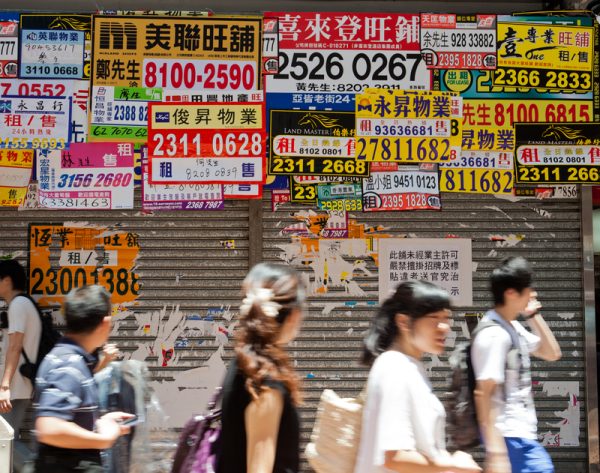
Hong Kong, one of the world’s most crowded cities, was eerily quiet over the four-day Easter holiday. Local news headlines during the weekend were all about Hong Kongers “heading north,” with massive crowds and traffic jams reported on border control points such as Lo Wu and Shenzhen Bay Port and cross-border bridges. This is hardly a new phenomenon – Hong Kongers began flocking to the mainland en masse in early 2023, after the border reopening and relaxation of COVID-19 restrictions. Today, many regularly head to Shenzhen (and other neighboring cities) on weekends, strolling around the megacity’s numerous upscale shopping malls, which offer a dazzling array of stores, restaurants, and entertainment venues, as well as its warehouse-style supermarkets including Sam’s Club and Costco.
Data from the Immigration Department revealed a dramatic 48 percent year-over-year increase in Hong Kong residents making trips across the border (using all checkpoints except the airport), which reached more than 93 million in 2024. This far outnumbered the 34 million inbound trips by mainland Chinese visitors in the same period.
Why are Hong Kongers traveling to the mainland in larger numbers than ever before? After all, traffic used to be predominantly in the opposite direction, with thousands and millions of mainland Chinese visitors coming into the city each year and filling up their suitcases with everything from daily necessities like baby formula, medicines, cosmetics, and luxury goods. While Hong Kongers have long been known as avid travelers, mainland China was (and is still) a much less sought-after destination when compared with Japan, South Korea, and Taiwan.
In a 2024 survey of 1,594 Hong Kong and Macau respondents by the Asia Tourism Exchange Center, when asked about the key factors making mainland China attractive as a tourist destination, over one-third (35.8 percent) of respondents from Hong Kong selected cost-effectiveness of dining and shopping, followed by richness of cultural and tourism resources (30.8 percent) and geographical proximity (23.9 percent).
A closer look at the cost of living in Hong Kong and Shenzhen – a frequent destination for Hong Kongers heading north – certainly sheds some light on the issue. Hong Kong has always been among the world’s most expensive cities, evidenced by its high rankings on multiple cost-of-living indices: fifth on the Economist Intelligence Unit’s Worldwide Cost of Living Index 2023 and 22nd on Numbeo’s Cost of Living Index by City 2025. The crowdsourced database Numbeo estimates that Shenzhen has an overall cost of living about 50 percent lower than Hong Kong, which includes substantially lower restaurant and grocery prices.
Let’s take coffee as an example: China’s largest coffee chain, Luckin Coffee, recently expanded to Hong Kong and set its signature coconut milk latte at HK$42. That’s as much as 60 percent higher than in Shenzhen (depending on store locations, the availability of discounts, etc.). In essence, Hong Kongers can enjoy a diverse range of shopping, dining, and entertainment options in Shenzhen, often at a fraction of the price that they would have to pay in their home city. This stark price difference gives Shenzhen a competitive edge, especially in light of the continuing sluggishness of Hong Kong’s economy, which has prompted local consumers to spend more conservatively.
The appeal of heading north seems to be crystal clear; some Hong Kongers are now pursuing a “cross-border lifestyle,” leveraging the higher wages in Hong Kong to rent and spend in Shenzhen. The potential ripple effects are, however, often neglected. Local restaurants reportedly expected a 20 percent drop in business over the Easter holiday break due to the enormous number of residents traveling and the continued reduction in tourist spending. The bitter reality is that many restaurant operators are scaling down or even on the verge of closing amid a deteriorating business environment.
Last year, Hong Kong Federation of Restaurants and Related Trades’ president, Simon Wong Ka-wo, revealed a wave of restaurant closures attributable to the surge of Hong Kong residents heading north to spend their cash. According to Wong, about 300 eateries shut down each month, while fewer than 200 open to replace them. While small- and medium-sized restaurants are particularly vulnerable, chains and franchises are also being severely affected. In 2024 along, the city’s renowned cha chaan teng Kam Kee Catering Group closed 11 branches, while American chain Outback Steakhouse shut down nine of its 19 outlets. Another vital component of Hong Kong’s food and beverage industry, bars and nightclubs, have also been struggling to revive ever since the pandemic, with many closing their doors at earlier hours owing to a lack of customers.
https://thediplomat.com/2025/05/behind-the-boom-in-hong-kongers-heading-north/

HK consumers r flocking to Shenzhen for their marketing, restaurant, shopping, even car maintenance.
imagine China co setting up shops in JB serving cheaper than what JB shops charge... when RTS is ready.
Behind the Boom in Hong Kongers ‘Heading North’
More and more Hong Kongers are heading to Shenzhen on the mainland for shopping and dining – to the detriment of Hong Kong’s local businesses.
Hong Kong, one of the world’s most crowded cities, was eerily quiet over the four-day Easter holiday. Local news headlines during the weekend were all about Hong Kongers “heading north,” with massive crowds and traffic jams reported on border control points such as Lo Wu and Shenzhen Bay Port and cross-border bridges. This is hardly a new phenomenon – Hong Kongers began flocking to the mainland en masse in early 2023, after the border reopening and relaxation of COVID-19 restrictions. Today, many regularly head to Shenzhen (and other neighboring cities) on weekends, strolling around the megacity’s numerous upscale shopping malls, which offer a dazzling array of stores, restaurants, and entertainment venues, as well as its warehouse-style supermarkets including Sam’s Club and Costco.
Data from the Immigration Department revealed a dramatic 48 percent year-over-year increase in Hong Kong residents making trips across the border (using all checkpoints except the airport), which reached more than 93 million in 2024. This far outnumbered the 34 million inbound trips by mainland Chinese visitors in the same period.
Why are Hong Kongers traveling to the mainland in larger numbers than ever before? After all, traffic used to be predominantly in the opposite direction, with thousands and millions of mainland Chinese visitors coming into the city each year and filling up their suitcases with everything from daily necessities like baby formula, medicines, cosmetics, and luxury goods. While Hong Kongers have long been known as avid travelers, mainland China was (and is still) a much less sought-after destination when compared with Japan, South Korea, and Taiwan.
In a 2024 survey of 1,594 Hong Kong and Macau respondents by the Asia Tourism Exchange Center, when asked about the key factors making mainland China attractive as a tourist destination, over one-third (35.8 percent) of respondents from Hong Kong selected cost-effectiveness of dining and shopping, followed by richness of cultural and tourism resources (30.8 percent) and geographical proximity (23.9 percent).
A closer look at the cost of living in Hong Kong and Shenzhen – a frequent destination for Hong Kongers heading north – certainly sheds some light on the issue. Hong Kong has always been among the world’s most expensive cities, evidenced by its high rankings on multiple cost-of-living indices: fifth on the Economist Intelligence Unit’s Worldwide Cost of Living Index 2023 and 22nd on Numbeo’s Cost of Living Index by City 2025. The crowdsourced database Numbeo estimates that Shenzhen has an overall cost of living about 50 percent lower than Hong Kong, which includes substantially lower restaurant and grocery prices.
Let’s take coffee as an example: China’s largest coffee chain, Luckin Coffee, recently expanded to Hong Kong and set its signature coconut milk latte at HK$42. That’s as much as 60 percent higher than in Shenzhen (depending on store locations, the availability of discounts, etc.). In essence, Hong Kongers can enjoy a diverse range of shopping, dining, and entertainment options in Shenzhen, often at a fraction of the price that they would have to pay in their home city. This stark price difference gives Shenzhen a competitive edge, especially in light of the continuing sluggishness of Hong Kong’s economy, which has prompted local consumers to spend more conservatively.
The appeal of heading north seems to be crystal clear; some Hong Kongers are now pursuing a “cross-border lifestyle,” leveraging the higher wages in Hong Kong to rent and spend in Shenzhen. The potential ripple effects are, however, often neglected. Local restaurants reportedly expected a 20 percent drop in business over the Easter holiday break due to the enormous number of residents traveling and the continued reduction in tourist spending. The bitter reality is that many restaurant operators are scaling down or even on the verge of closing amid a deteriorating business environment.
Last year, Hong Kong Federation of Restaurants and Related Trades’ president, Simon Wong Ka-wo, revealed a wave of restaurant closures attributable to the surge of Hong Kong residents heading north to spend their cash. According to Wong, about 300 eateries shut down each month, while fewer than 200 open to replace them. While small- and medium-sized restaurants are particularly vulnerable, chains and franchises are also being severely affected. In 2024 along, the city’s renowned cha chaan teng Kam Kee Catering Group closed 11 branches, while American chain Outback Steakhouse shut down nine of its 19 outlets. Another vital component of Hong Kong’s food and beverage industry, bars and nightclubs, have also been struggling to revive ever since the pandemic, with many closing their doors at earlier hours owing to a lack of customers.
https://thediplomat.com/2025/05/behind-the-boom-in-hong-kongers-heading-north/
fortunehunter
High Supremacy Member
- Joined
- May 9, 2019
- Messages
- 29,321
- Reaction score
- 11,379
True.
But tiagong the Soi 19 wanton mee stall owner learned how to cook the Thai style Wanton Mee from someone in Thailand and opened a few branches in SG liao.
Otherwise, most Thai, Viet and China food stalls and restaurants are opened and operated by immigrants who came over from their respective countries.
Sinkies will never learn how to cook these types of "low SES" cuisines.
i think the reason is sinkie use to eat south east Asian food, so we know the taste every well.
For those amdk, if the chef cook like shin we also feel is nice.

wongminmin
High Supremacy Member
- Joined
- Nov 10, 2014
- Messages
- 30,705
- Reaction score
- 15,756
keewee0415
High Supremacy Member
- Joined
- Jan 6, 2010
- Messages
- 30,821
- Reaction score
- 10,728
Shin?i think the reason is sinkie use to eat south east Asian food, so we know the taste every well.
For those amdk, if the chef cook like shin we also feel is nice.
That boy from Kingdom?
fortunehunter
High Supremacy Member
- Joined
- May 9, 2019
- Messages
- 29,321
- Reaction score
- 11,379
Shin?
That boy from Kingdom?

Shxt
That shin also sucks compared to the girl in white and red.

Jo13jo
Supremacy Member
- Joined
- Sep 29, 2008
- Messages
- 6,486
- Reaction score
- 3,134
Biz all a while die hard fans of white.Sad, our jobs & workforce is influx by FW/FT and now businesses too
Now probably they need think again and ask ownself who did they chose last 3 May.

MangoCAT
Master Member
- Joined
- Aug 24, 2019
- Messages
- 2,608
- Reaction score
- 1,199
They are aiming or competing(nicer term) more at Starbucks - unthroned king considered of drinks as lifestyle&spending powers.I would rather support Luckin Coffee or Mixue than Toast Box or Ya Kun.
More useless info-
Prefer Yakun for the coffee but toast box for its slight better value and faster serving time.

kopi22
High Supremacy Member
- Joined
- Dec 13, 2000
- Messages
- 32,987
- Reaction score
- 614
I rather support local kopi tiam and hawker stallsI would rather support Luckin Coffee or Mixue than Toast Box or Ya Kun.
the pot of gold is still more here - sometimes people complain the government is too slow in adapting.
Need new strategy on new business but not my job
maybe u r mistaken
the pot of gold is here
but u cant even go near
these china companies set up here serve a very specific purpose and its not generating jobs for singaporeans
u wanna say the rich will huat cus they need rental but lol
their office is just a PO box nia or wework shared office kind
BlackWing1977
Greater Supremacy Member
- Joined
- Mar 1, 2006
- Messages
- 97,741
- Reaction score
- 35,423
Luckin Coffee is just fighting coffeebean and starbucks lar.... it is not going to win against cheap kopitiam coffee.... whoever wins still imported coffee. Mixue one is lagi bizarre... it is ice-cream I guess they are taking the market share out of bubble tea... all dessert...
It is those excessive mala stalls... that you have to take note... I think first to get displaced might be Yong Tau Foo since it is so similar. But Mala stir fry with so much oil... is hardly a healthy choice for elders...

Whimsica
Arch-Supremacy Member
- Joined
- Sep 17, 2022
- Messages
- 19,277
- Reaction score
- 16,399
There must be some secret sauce in their business models that local F&B businesses can learn and adapt in local business environments.
The secret sauce is their bank loan or IPO proceeds
Important Forum Advisory Note
This forum is moderated by volunteer moderators who will react only to members' feedback on posts. Moderators are not employees or representatives of HWZ. Forum members and moderators are responsible for their own posts.
Please refer to our Community Guidelines and Standards, Terms of Service and Member T&Cs for more information.
Please refer to our Community Guidelines and Standards, Terms of Service and Member T&Cs for more information.
