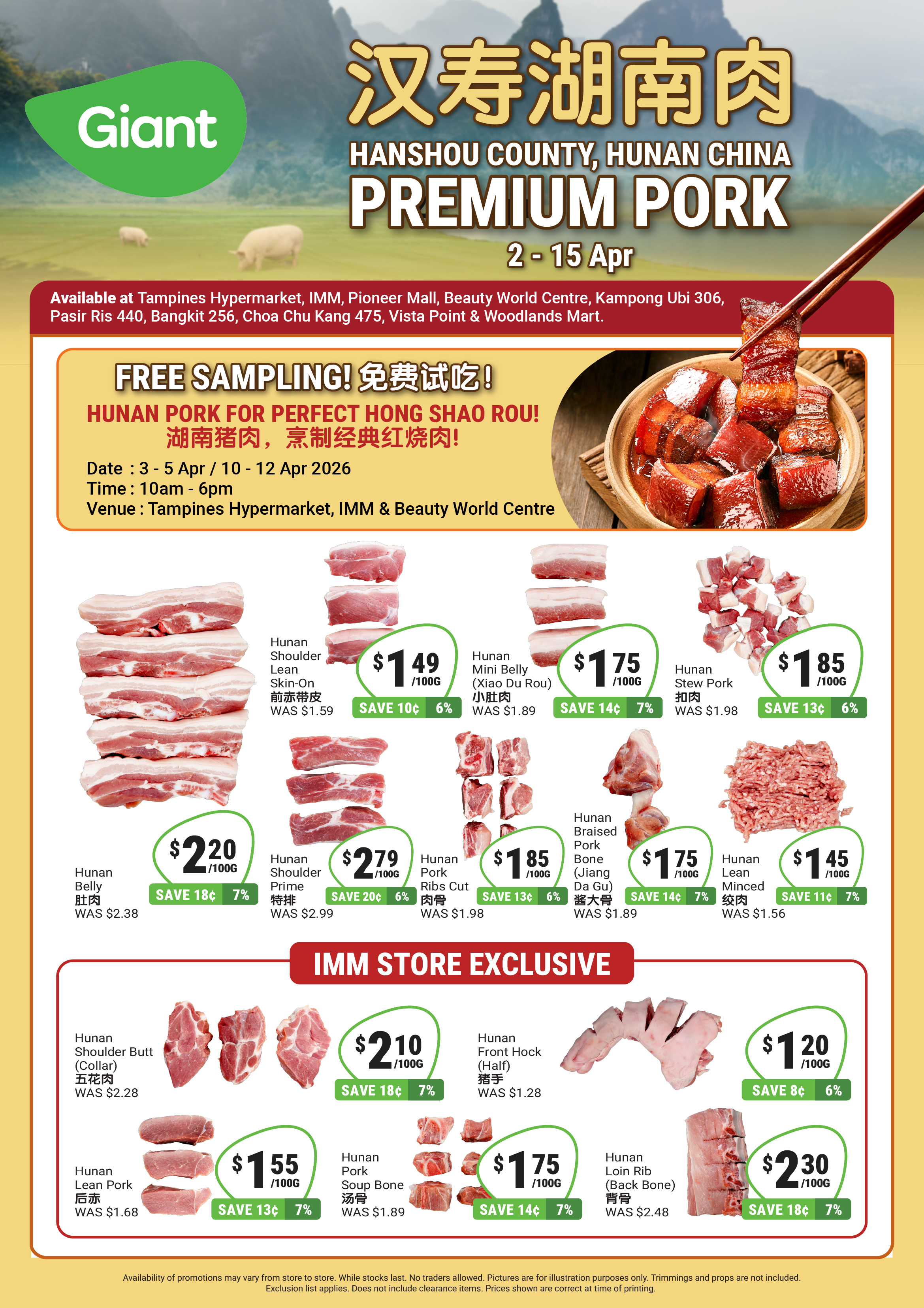
See before a local documentary, some business in Singapore went to China to setup pig farm.
AI Overview
Following the phase-out of pig farming in Singapore during the 1980s (ending in 1989), several Singaporean business owners relocated their operations to China to continue the industry, frequently featuring in media reports about local food security and business enterprise.
Key Examples of Singaporeans Farming Pigs in China
- Qiaoxin Group (Shandong): Ang Bock Chwee, a former Lim Chu Kang farmer, moved to Weifang, Shandong, in 1992 to set up a pig farm. His son, Ang Eng Guan, currently manages the business and has run it for over 30 years, specializing in free-range black pigs with plans to market the pork back to Singapore.
- Sino-Singapore Jilin Food Zone (SSJFZ): Following a 2010 agreement, a large-scale project in Jilin was developed to include pig farms. Singapore Food Industries (a SATS unit) partnered with China's DaChan Food to develop an integrated pig farm aiming for high biosecurity and exporting to Singapore.
- Sheng Siong and Prime Supermarket Roots: The founders of some major local supermarket chains in Singapore, such as Prime Supermarket, were formerly large-scale pig farmers (Tan Chye Huat Farm) who diverted their expertise and capital into retail after the 1980s ban, sometimes maintaining interests in other agricultural sectors.
CNA +5
Contextual Reasons
- Land and Environment: The Singapore government phased out pig farming to protect water resources and optimize land use.
- Food Security: Singapore maintains a policy of food source diversification, encouraging companies to find safe food sources abroad.
- Market Opportunity: Entrepreneurs cited the massive demand in China and the potential to build modern, high-quality farming facilities.
The Business Times +4
These stories are often featured in local media discussing "entrepreneurship," "local food security," and the history of Lim Chu Kang farms.