
You are using an out of date browser. It may not display this or other websites correctly.
You should upgrade or use an alternative browser.
You should upgrade or use an alternative browser.
ERP 2: 那个天才设计笨蛋家伙!
- Thread starter TUV2008
- Start date
More options
Who Replied?

keewee0415
High Supremacy Member
- Joined
- Jan 6, 2010
- Messages
- 32,336
- Reaction score
- 11,618
Really is 好人上早报,坏人上晚报...

botakchek
Banned
- Joined
- Jun 17, 2006
- Messages
- 4,600
- Reaction score
- 1,864
Who is the champion guy now appear on Shin Min paper…. Stir ah stir…. But no mention of the ugly display unit…
Deserved to be scolded man. Stupid scholar.


Whole lta should not receive bonus.
Too late liao lah… all the bonus given and all spent in Ion and paragon liao

hardindex
Banned
- Joined
- Dec 20, 2010
- Messages
- 17,965
- Reaction score
- 11,129
傻人上新明Really is 好人上早报,坏人上晚报...


- Joined
- Mar 31, 2001
- Messages
- 152,346
- Reaction score
- 14,973
earn more $??? Or not? I really don’t know SiaI don't drive.
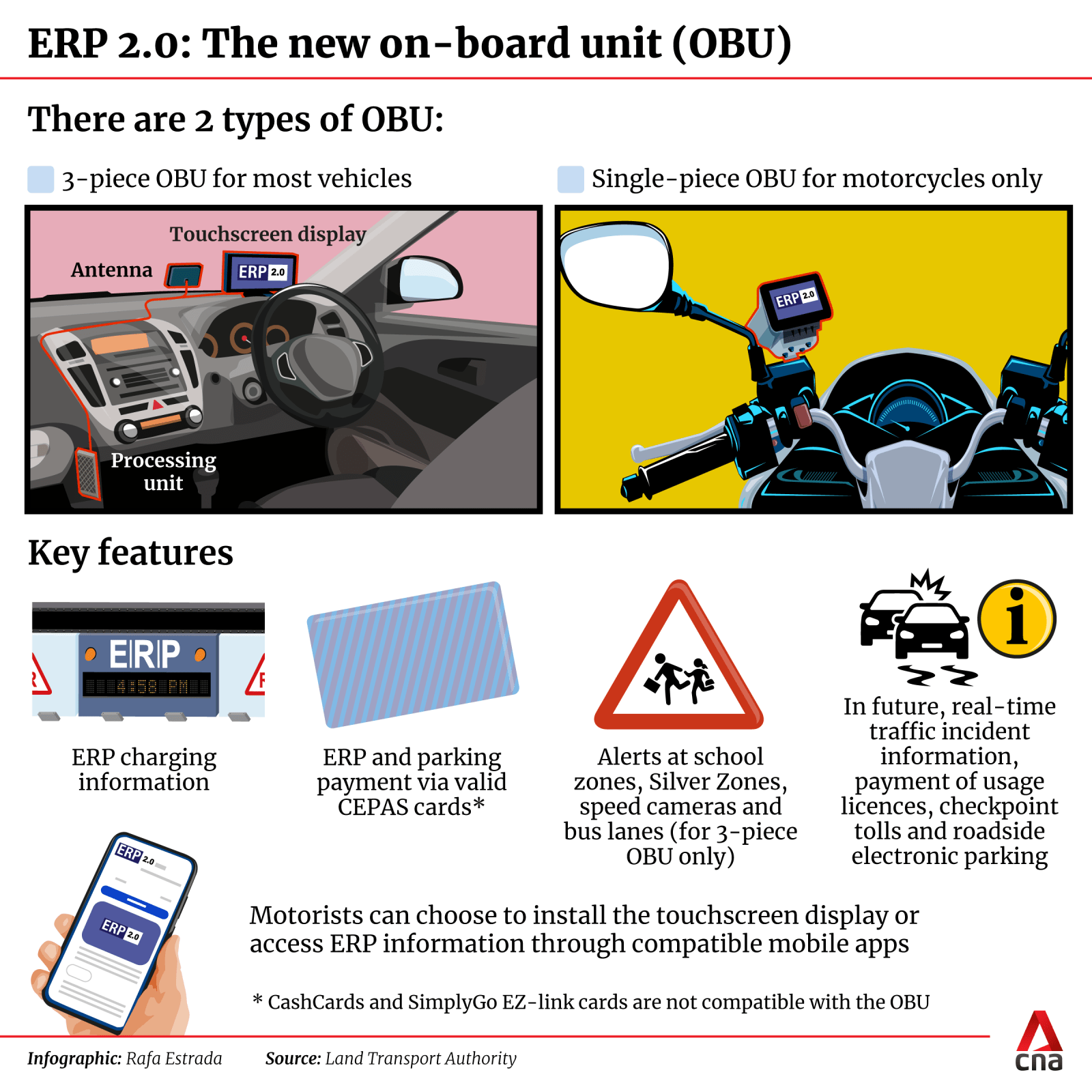
Can someone explain what problem is this erp2.0 trying to solve that is present in the prior version?

focus1974
Greater Supremacy Member
- Joined
- May 12, 2007
- Messages
- 91,142
- Reaction score
- 32,771
I don't drive.
Can someone explain what problem is this erp2.0 trying to solve that is present in the prior version?
ask AI lah. so lazy.
Based on the search results provided, the key issues that the ERP 2.0 system in Singapore is trying to address are:
In summary, the key issues the ERP 2.0 system is trying to address are the limitations of the existing ERP system, improving traffic management and congestion control, upgrading outdated technology, providing enhanced features for motorists, and potentially replacing the COE system.
- Limitations of the existing ERP system:
- Improving traffic management and congestion control:
- Upgrading outdated technology:
- Providing enhanced features for motorists:
- Potential replacement of the Certificate of Entitlement (COE) system:
- There are suggestions that the ERP 2.0 system, with its ability to detect and charge based on vehicle location and distance, could potentially replace the COE system in the future. 4
- Joined
- Mar 31, 2001
- Messages
- 152,346
- Reaction score
- 14,973
傻人上新明
Who is the champion guy now appear on Shin Min paper…. Stir ah stir…. But no mention of the ugly display unit…
@nyvrem see yet another erp thread!!!
I don't drive.
Can someone explain what problem is this erp2.0 trying to solve that is present in the prior version?
it’s so that don’t need to set up erp gantry, can have virtual gantry anywhere and most speculate in future can charge for usage by distance


Who is the champion guy now appear on Shin Min paper…. Stir ah stir…. But no mention of the ugly display unit…
D worst is who is d smart alec who approve tis shiat n force it on ppl thinking it's good as long as it works to get money from drivers


Important Forum Advisory Note
This forum is moderated by volunteer moderators who will react only to members' feedback on posts. Moderators are not employees or representatives of HWZ Forums. Forum members and moderators are responsible for their own posts.
Please refer to our Community Guidelines and Standards and Terms and Conditions for more information.

