You are using an out of date browser. It may not display this or other websites correctly.
You should upgrade or use an alternative browser.
You should upgrade or use an alternative browser.
Google Pixel 10 series
- Thread starter limmk
- Start date
More options
Who Replied?

FatalethaL
Supremacy Member
- Joined
- Dec 17, 2008
- Messages
- 6,561
- Reaction score
- 346
At home use google charger but with the Google Pixelsnap + stand.Do you use Google's charger?
In office use Ugreen 100W and USB C cable.
When go out use Ugreen Qi 25W 10,000mAh power bank.
Same.. I managed to get a set of Oppo Find X9 Pro at $1,084. But haven’t decided whether to keep or cancel. My gripe with the phone is it trying to copycat the iPhone, from the UI and down to even the physical buttons. Copy the useless things like “Action Button” and “Camera Control” even.Yeah no point limiting battery life unless you're keeping the phone for it's entire support lifespan and even then confirm need to change battery at least once.
I also disillusioned with pixel line now... Used to be top in camera now top in nothing. I see OPPO find x9 pro and then look at my pixel 10 pro I feel FOMO.
Meanwhile, still holding onto my Pixel 9 Pro lol.

Loser
Arch-Supremacy Member
- Joined
- May 7, 2019
- Messages
- 23,878
- Reaction score
- 10,634
Honestly though the improvements are very real and impactful. Battery life, gaming performance, charging speed and to a lesser extent the camera all have immediate impact on user experience vs the pixel.Same.. I managed to get a set of Oppo Find X9 Pro at $1,084. But haven’t decided whether to keep or cancel. My gripe with the phone is it trying to copycat the iPhone, from the UI and down to even the physical buttons. Copy the useless things like “Action Button” and “Camera Control” even.
Meanwhile, still holding onto my Pixel 9 Pro lol.
If you sell your pixel 9 pro only have to top up $400+.

FatalethaL
Supremacy Member
- Joined
- Dec 17, 2008
- Messages
- 6,561
- Reaction score
- 346
Yeah just heck it. Eventually it will happen to the rest of the owners around the world.Think I'm gonna hack care since already dropped.
Only way to get it back to 100% is to get brand new battery replacement at CTDI.

- Joined
- Jul 5, 2001
- Messages
- 45,552
- Reaction score
- 8,592
If you’ve bought a Google Pixel 10 series phone, odds are you’ve been looking at compatible Qi2 and Qi2 25W accessories and wondering what to pick up. A desk charger like the Pixelsnap Charger with Stand, a magnetic wallet, a MagSafe-compatible tripod — all of these are good ideas. But the one accessory I was personally looking forward to the most is a Qi2 power bank. Just snap it on the back of my phone and get a relatively fast charge without any wires or tangles.
I ended up with several of these portable batteries to test out, and while I do appreciate their convenience, one thing stood out in all of my tests: You should really be wary of the battery’s capacity. 10,000mAh won’t be enough to charge your ~5,000mAh Pixel 10, 10 Pro, or 10 Pro XL more than once.
My 10,000mAh power banks can only charge the Pixel 10 Pro or Pro XL once
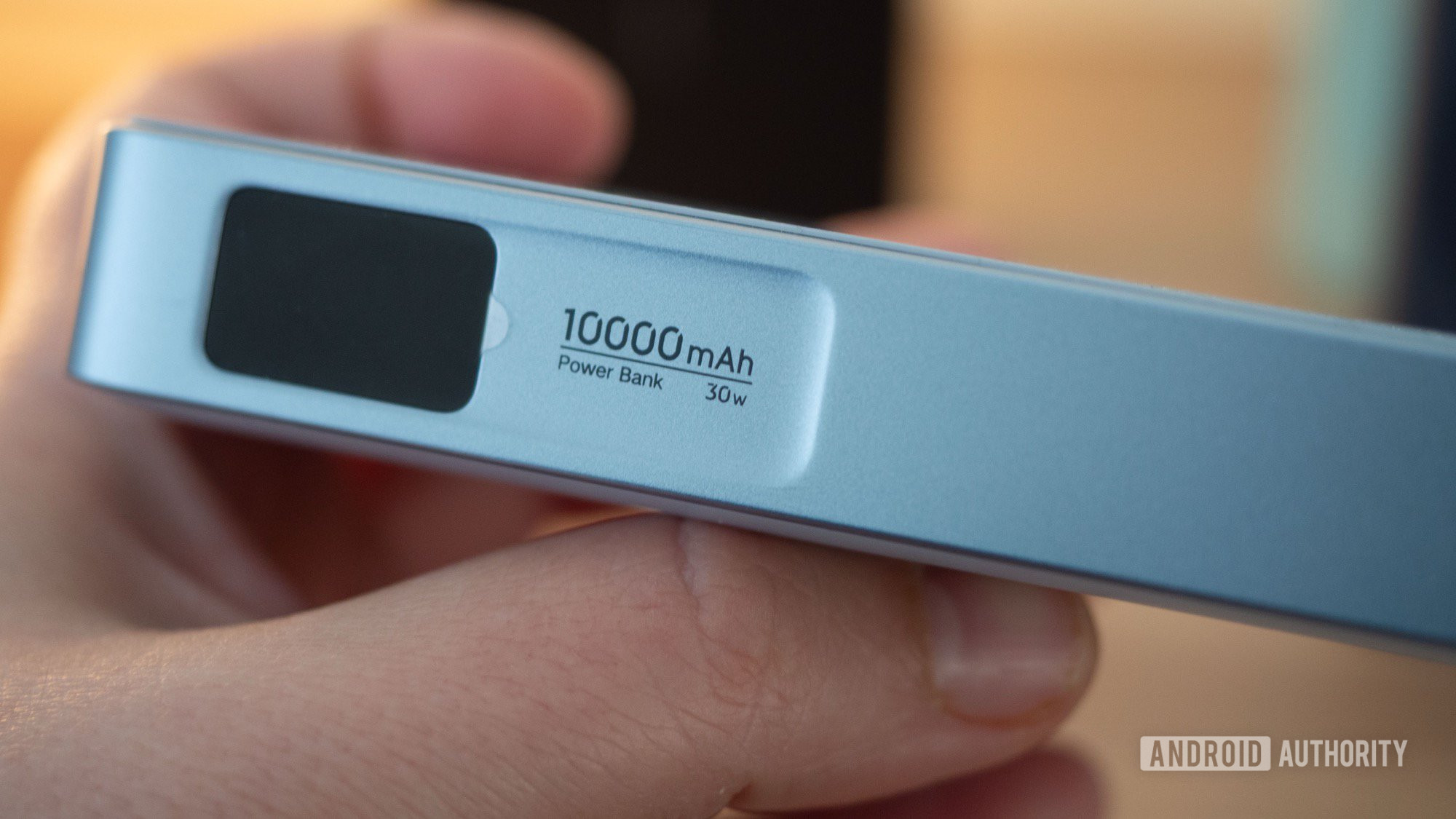
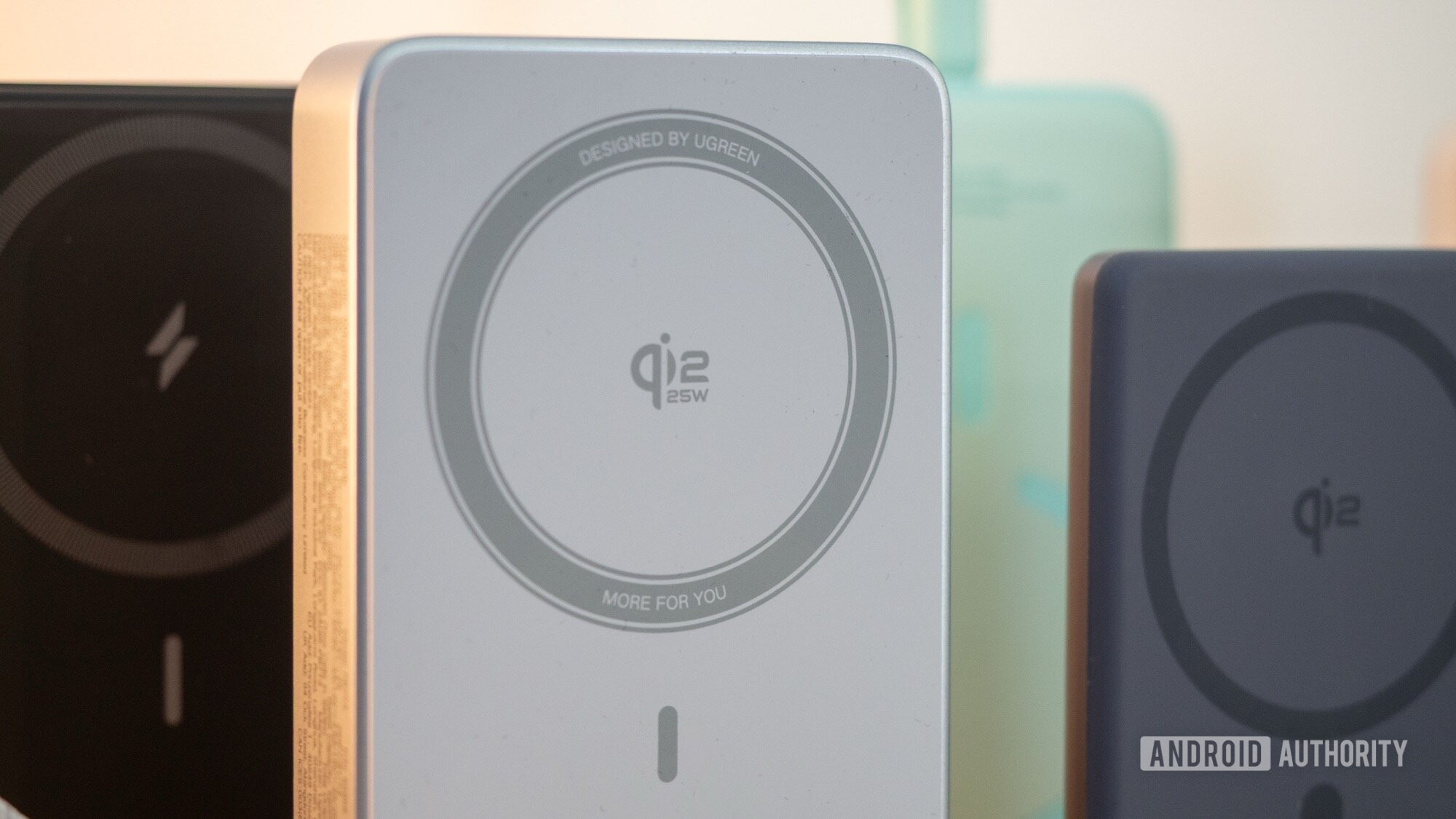
The two portable batteries I’ve been testing come from UGREEN ($89.99 at Amazon) and Baseus ($69.99 at Amazon) — two very well-known brands of power banks and chargers. Both advertise a 10,000mAh cell capacity, Qi2.2 25W wireless charging, and built-in USB-C cables that can go up to 30W for UGREEN and 45W for Baseus.
I drained my Pixel 10 Pro and Pro XL to 0%, took off their cases to avoid any extra heat loss due to the TPU or silicone material, and started charging them. I repeated this with both power banks, both phones, and both charging methods (wireless and with the USB-C cable). You can find the results in the table below.
| Power bank | Phone | Charging method (theoretical power output in Watts) | Charge duration (minutes) | Remaining power bank battery | Peak temperature (°C) |
|---|---|---|---|---|---|
| Ugreen (10,000mAh) | Pixel 10 Pro (4,870mAh) | Qi2 (15W) | 163 | 3% | 42 |
| Ugreen (10,000mAh) | Pixel 10 Pro (4,870mAh) | USB-C (30W) | 99 | 18% | 40.5 |
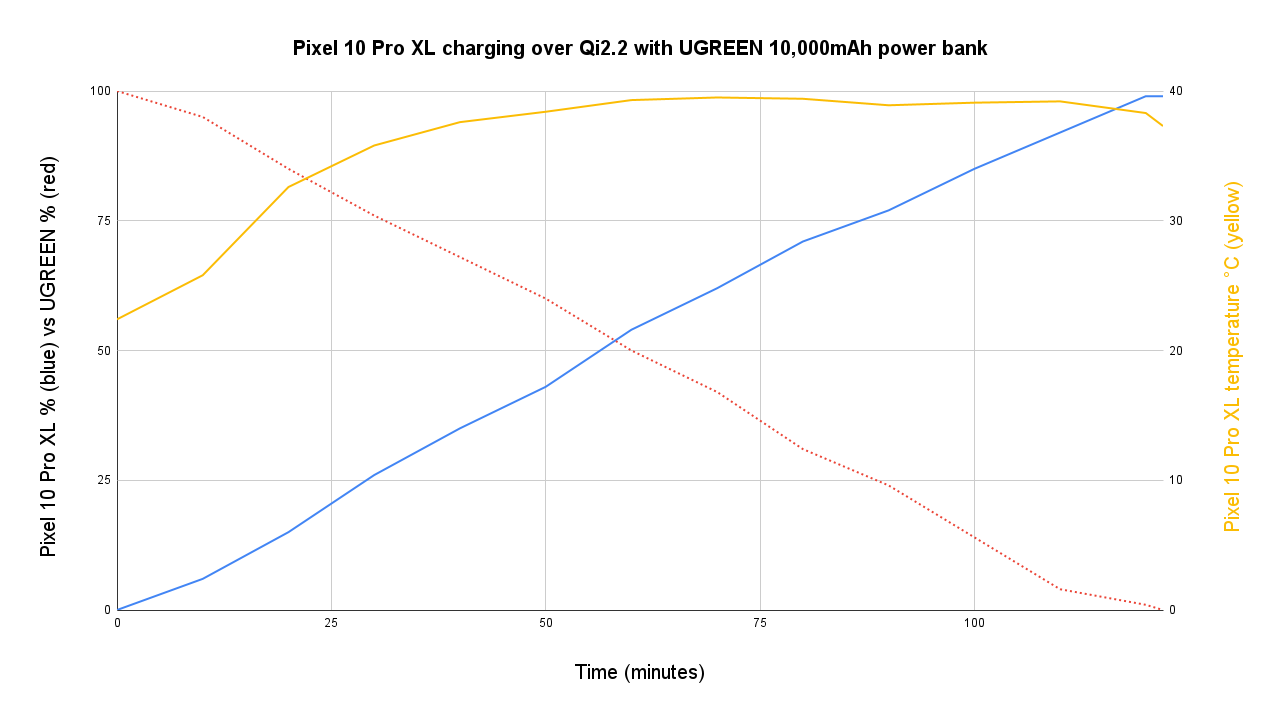
| Ugreen (10,000mAh) | Pixel 10 Pro XL (5,200mAh) | Qi2.2 (25W) | 122* (phone only reached 99% battery) | 0% | 39.5 |
| Ugreen (10,000mAh) | Pixel 10 Pro XL (5,200mAh) | USB-C (30W) | 107 | 13% | 37 |
| Baseus (10,000mAh) | Pixel 10 Pro (4,870mAh) | Qi2 (15W) | 112 | 1/4 lights | 42.6 |
| Baseus (10,000mAh) | Pixel 10 Pro (4,870mAh) | USB-C (45W) | 95 | 1/4 lights | 39.4 |
| Baseus (10,000mAh) | Pixel 10 Pro XL (5,200mAh) | Qi2.2 (25W) | 135 | 1/4 lights, flickering | 38.8 |
| Baseus (10,000mAh) | Pixel 10 Pro XL (5,200mAh) | USB-C (45W) | 100 | 1/4 lights | 36.7 |
There are a few interesting observations here, but I want to focus on the portable batteries’ ability to charge my phones as well as their remaining battery at the end of my test. In the case of UGREEN, the power bank has a display that shows an exact percentage, but Baseus only has four indicator lights, with the last one flashing when the battery is close to being fully drained.
Notice what happens when I charge the phones wirelessly. The smaller 10 Pro’s 4,870mAh battery nearly fully drains out the entire 10,000mAh cell of the UGREEN power bank, leaving 3% of battery by the time the phone is completely topped up. The larger 5,200mAh Pixel 10 Pro XL can’t even be charged entirely; UGREEN’s entire 10,000mAh cell depletes before the phone’s battery is topped, stopping at 99%. This power bank is supposedly nearly twice the capacity of my phone, but it can’t charge it once!
Things are slightly better with the Baseus power bank — at least if the indicator lights are to be believed — but just as bad in the grand scheme of things. It charges both phones to 100%, with the Pixel 10 Pro leaving one indicator light, and the 10 Pro XL leaving it blinking and signaling a near-empty battery. Once again, this power bank supposedly has twice the capacity of my phone, so how come it’s almost empty after one full charge?
These power banks supposedly have twice the battery capacity of my phone, so how come they're almost empty after one full charge?
This isn’t just a Qi2 problem, though. Obviously, charging over USB-C results in less heat with lower peak temperatures across the board for both phones on both chargers. This leaves both power banks with a bit more battery after the phones have been completely topped off, but the remaining charge isn’t as much as you’d expect.
The UGREEN charger has 18% left after charging the Pixel 10 Pro, and where it couldn’t fully charge the Pro XL over Qi2.2, it’s able to completely top it up over USB-C with 13% charge remaining in its cell. The Baseus power bank charges a few minutes faster thanks to its 45W peak power, and is left with a single solid light for both phones — no blinking or flashing warning after topping up the Pixel 10 Pro XL. Although this is more efficient than wireless charging, I’m still nearly depleting the power bank with a single charge of my phone, so what gives?
- Joined
- Jul 5, 2001
- Messages
- 45,552
- Reaction score
- 8,592
A power bank’s advertised battery capacity is not its effective battery capacity
When we buy power banks or portable batteries, we all have that misconception that the advertised capacity will be the same as what our phone — or whatever devices we plan to charge with it — will eventually receive. If you’re looking at a 10,000mAh power bank and you have a phone with a 5,000mAh battery, then that’s two times a full charge. Right?
Well, no. I used to make that mistake, too, until multiple bad experiences made me look into it and realize that there’s an efficiency metric or a real capacity that’s much lower than the advertised number. This is due to two reasons.
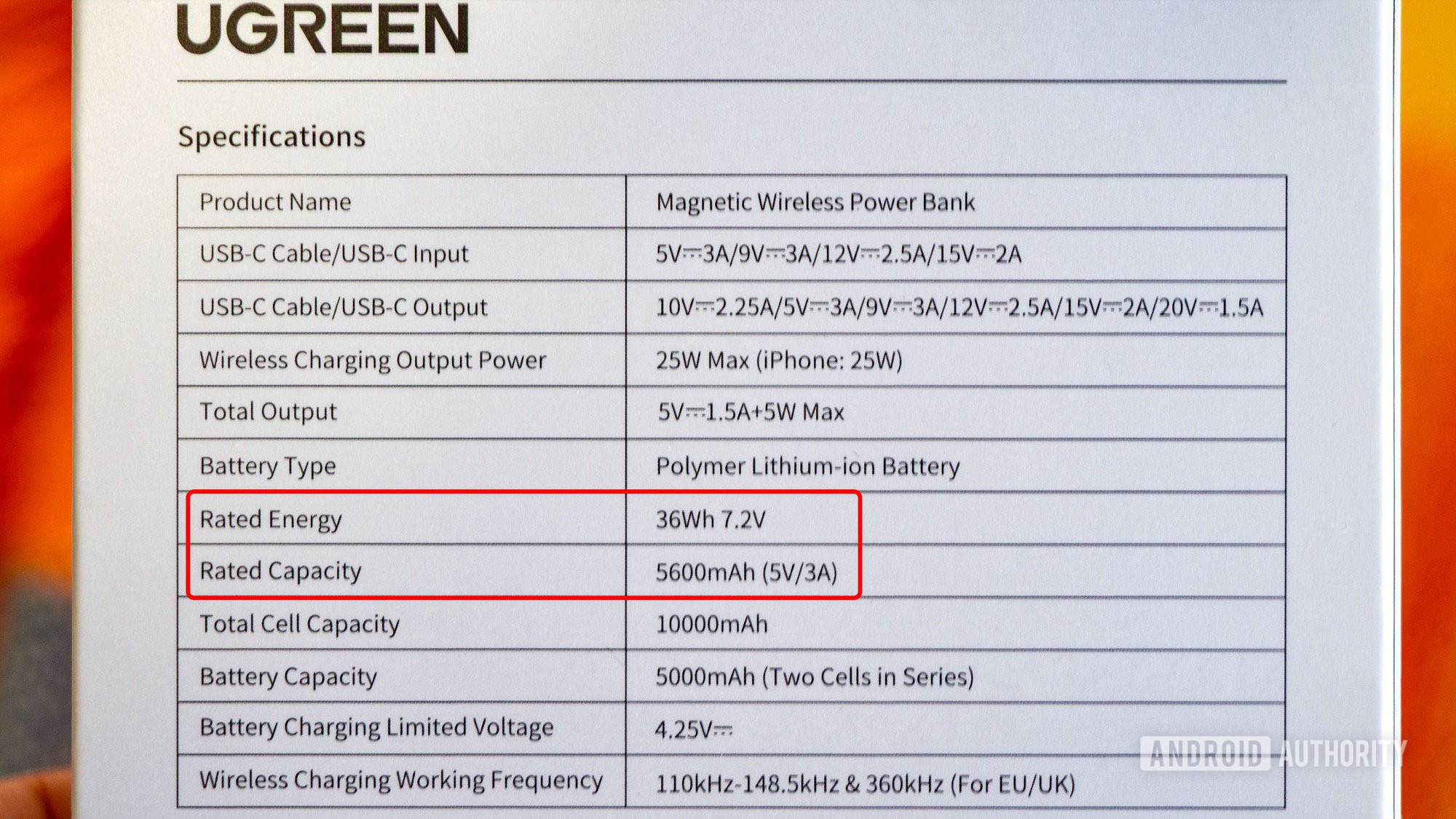
One is the voltage conversion. Most internal battery cells inside a power bank operate at a nominal voltage of around 3.7V, but to charge your phone, they have to boost that up to 5V at least. This drastically lowers the effective mAh output. A better measure would be Wh (Watt-hours), but no brand uses that. In short, a 10,000mAh battery at 3.7V gives off 37,000mWh or 37Wh, which in turn would only be 7,400mAh at 5V. That’s already a 25% drop. At 7.2V, which is what both UGREEN and Baseus show off on their packaging, this drops to around 5,000mAh — half the capacity! I just had to look for that number in the tiny specs tables on the side of the box while ignoring the big bold 10,000mAh on the front of the box and product listing.
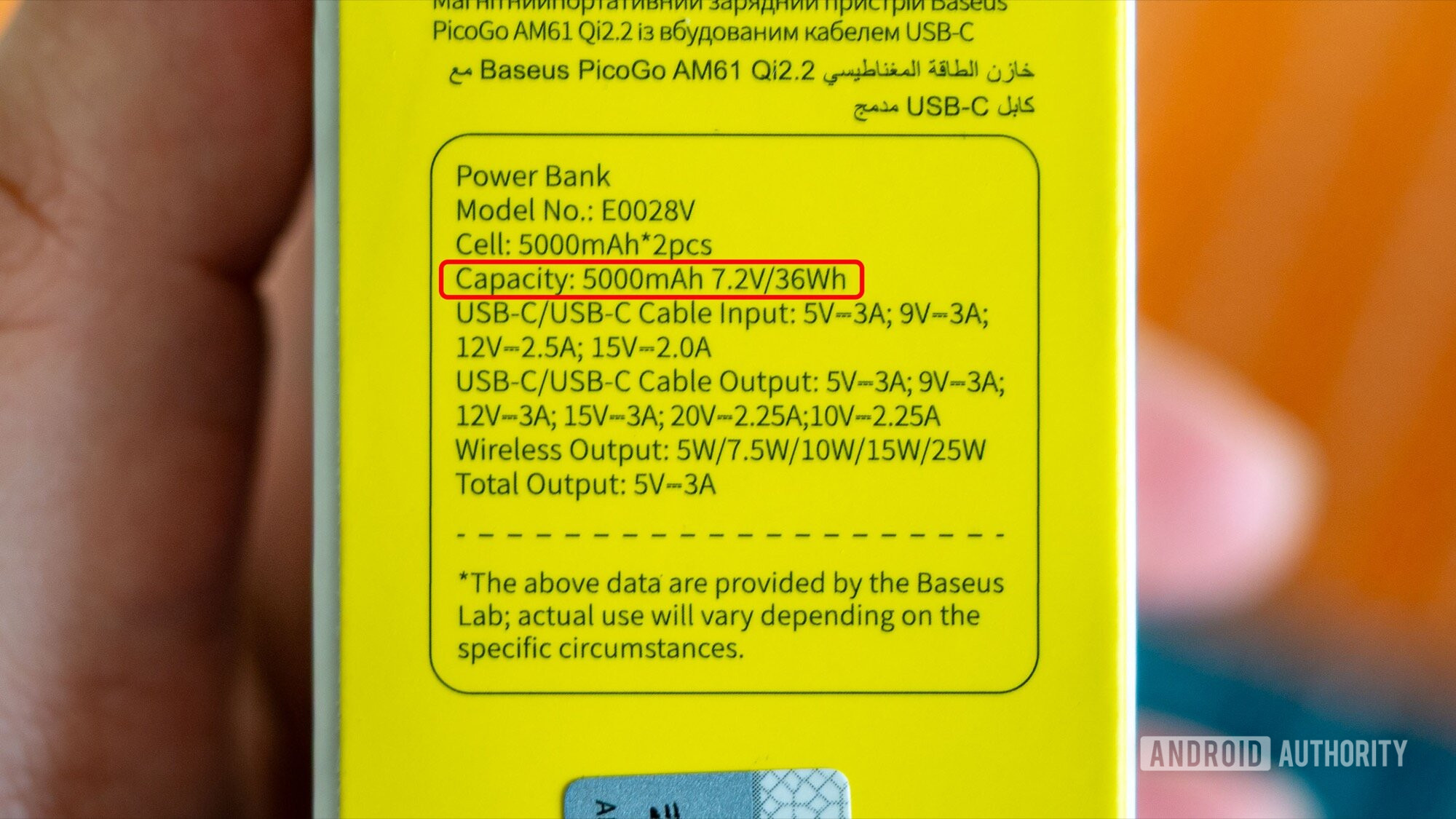
The other reason is inefficiency and energy loss due to heat when the battery converts its 3.7V to 5V or more. Even over USB-C, the best power banks will have an efficiency of 85%-90%, thus losing an extra 10-15% of their capacity. This explains why there’s only 10% or so remaining battery at the end of my USB-C charging tests.
Be sure to check the full specs or packaging of a power bank; it'll tell you the real capacity. You can expect that to be half of the advertised one.
The problem with wireless charging, however, be it the first-gen Qi, Qi2, or Qi2 25W (aka Qi2.2), is that this same energy loss is a lot more pronounced over the electromagnetic induction of wireless charging. The battery will generate more heat when pushing its charge across plastic and metal in order to reach the coil inside your phone.
Even with the advancement of Qi2, which uses magnets for perfect alignment and reduced energy loss, you still have a gap with no direct contact between emitting and receiving coils, as well as a double conversion process. This results in a lower efficiency score, usually around 25%. And this explains why there’s even less remaining battery percentage when I charged my phones over Qi2 and Qi2.2 than over USB-C.
So, which power bank should you buy for your Pixel 10?
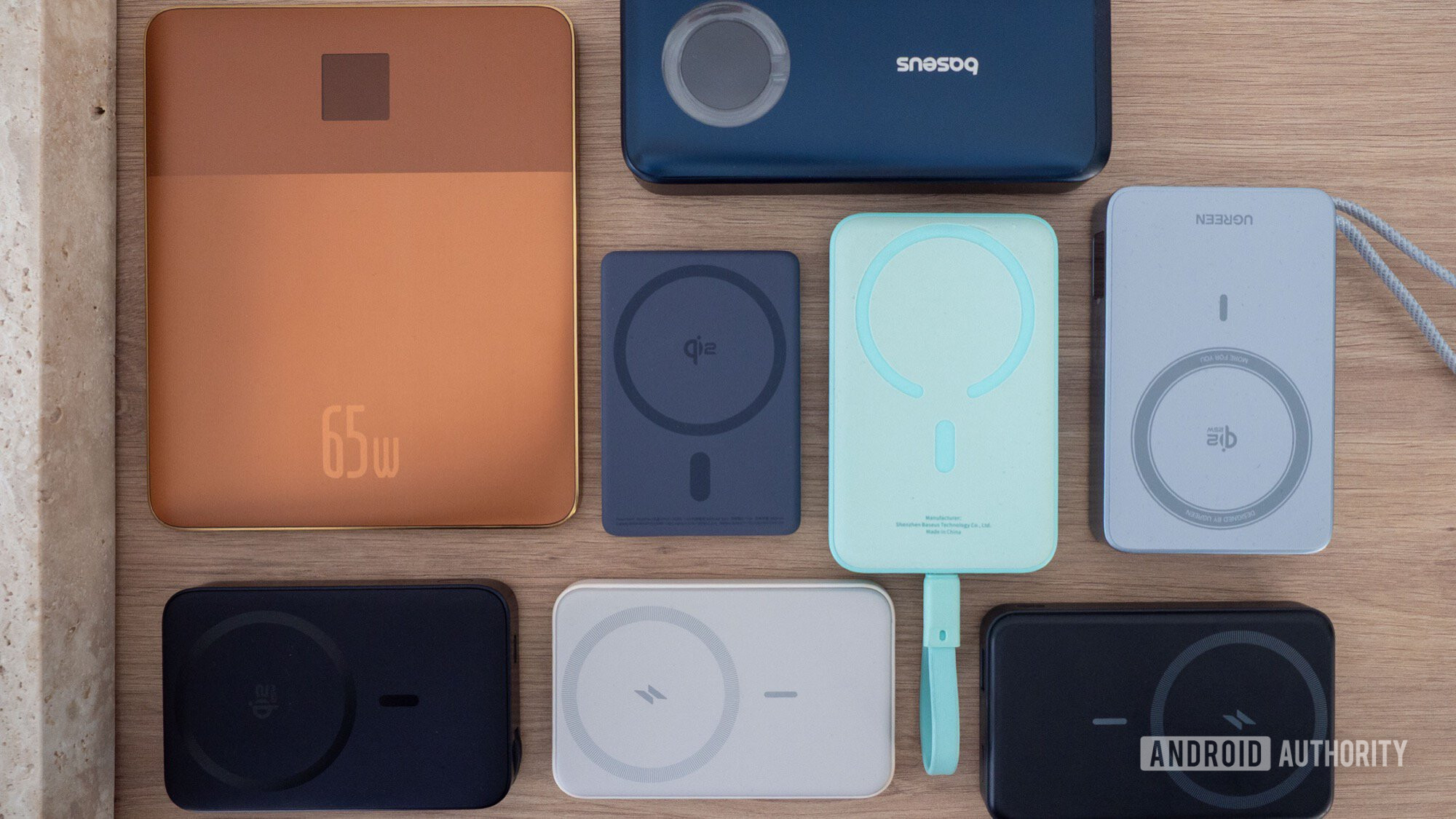
Honestly, the answer to this question really depends on you. What you need to do is go in with wide-open eyes, knowing that the advertised capacity you’re paying for will translate to about half of that number when charging your Pixel 10, 10 Pro, or 10 Pro XL, regardless of whether you’re charging wirelessly or over a USB-C cable.
A 5,000mAh power bank will top up your Pixel 10 to about 70% in my experience, in the best-case scenario. A 10,000mAh power bank will fill it once, with a few percentages left to spare. And a 20,000mAh unit will charge it twice with some juice left for somewhere between a quarter and a half-charge. These are the general numbers. Wireless charging, even over Qi2.2 25W, will be slower, cause more heat, and use up your portable battery more. But the difference isn’t too drastic to avoid using it altogether, unless you’re in a rush and need your phone topped up as fast as possible.
When buying a power bank, you just need to keep the basic math in mind. Divide what you see on the box by two and that's approximately what you'll get.
The more important choice to make, in my opinion, is whether you actually need wireless charging or not. Sure, it’s more convenient and doesn’t require you to think about the USB-C cable, whether integrated or as an extra item to carry, but it also makes any power bank thicker, heavier, and much more expensive. If you’re happy with USB-C, skip Qi2 or Qi2.2 25W altogether, and get a good USB-C-only portable battery. You’ll save some money, shave off a few grams, and get a superior charging speed and efficiency.
Personally, I’ve gone with this teeny tiny Baseus Picogo 5,000mAh Qi2 15W power bank ($35.99 at Amazon) as my daily carry. It’s not as fast and not as capable as the two larger models I tested here, but it’s so incredibly convenient with its integrated kickstand and very compact design. Plus, going in with my eyes open, knowing what to expect from the more barebones Qi2 15W and the limitations of the smaller 5,000mAh battery, means that I’m not disappointed by its performance. The larger 10,000mAh UGREEN and Baseus power banks are still there for me on extremely busy days.
wah zan... so to charge it twice.. i need to buy a 20000 one... as its only support to have like 10000 in stead of 20000.. hahahha <smack head>...
so i see that anker slim 5000 one... only for emergency charge... as its only 2500 ....hehe..
so i see that anker slim 5000 one... only for emergency charge... as its only 2500 ....hehe..
FatalethaL
Supremacy Member
- Joined
- Dec 17, 2008
- Messages
- 6,561
- Reaction score
- 346
I presumed it is an open secret that advertised battery capacity these days arent exactly what they are.
10,000 mAh?! more like 10,000 X 50% = agak 5,000 mAh (with another agak 10-15% margin of error).
But hor, the Ugreen Qi 25w 10,000 mAh i have, can charge my 10 Pro XL 40% to 80% - Thrice via USB C.
10,000 mAh?! more like 10,000 X 50% = agak 5,000 mAh (with another agak 10-15% margin of error).
But hor, the Ugreen Qi 25w 10,000 mAh i have, can charge my 10 Pro XL 40% to 80% - Thrice via USB C.
- Joined
- Jul 5, 2001
- Messages
- 45,552
- Reaction score
- 8,592
Sad sia, many products and services use fine print and gimmicks to make an offer seem better than it is, often by hiding significant limitations, fees, or unexpected clauses lorI presumed it is an open secret that advertised battery capacity these days arent exactly what they are.
10,000 mAh?! more like 10,000 X 50% = agak 5,000 mAh (with another agak 10-15% margin of error).
But hor, the Ugreen Qi 25w 10,000 mAh i have, can charge my 10 Pro XL 40% to 80% - Thrice via USB C.
Loser
Arch-Supremacy Member
- Joined
- May 7, 2019
- Messages
- 23,878
- Reaction score
- 10,634
What should we do Jason kor kor? How should we fight back?Sad sia, many products and services use fine print and gimmicks to make an offer seem better than it is, often by hiding significant limitations, fees, or unexpected clauses lor
FatalethaL
Supremacy Member
- Joined
- Dec 17, 2008
- Messages
- 6,561
- Reaction score
- 346
Tell me about it man... thats why have to do some homework to know a little more.Sad sia, many products and services use fine print and gimmicks to make an offer seem better than it is, often by hiding significant limitations, fees, or unexpected clauses lor
Nothing is perfect and ideal.
- Joined
- Jul 5, 2001
- Messages
- 45,552
- Reaction score
- 8,592
Don’t buy or support it — but others will still buy anywayWhat should we do Jason kor kor? How should we fight back?

It’s like the Pixel 10 series — not worth the flagship price, but people (like moi) still buy it
Last edited:
- Joined
- Aug 8, 2012
- Messages
- 9,653
- Reaction score
- 4,216
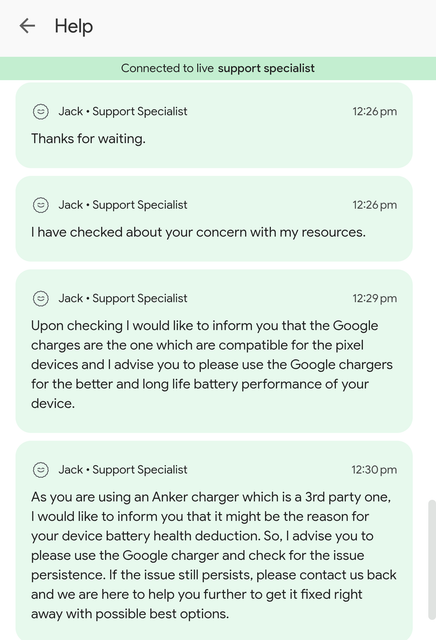
Cannot say not using official accessories one, like that they have record liao...

- Joined
- Aug 8, 2012
- Messages
- 9,653
- Reaction score
- 4,216
Agree with this, same same but same.Android like all same same...no resale value one lol ...
- Joined
- Aug 8, 2012
- Messages
- 9,653
- Reaction score
- 4,216
This is the world we live in nowadays*.Sad sia, many products and services use fine print and gimmicks to make an offer seem better than it is, often by hiding significant limitations, fees, or unexpected clauses lor


tak3shi
Senior Member
- Joined
- Mar 8, 2005
- Messages
- 1,400
- Reaction score
- 88
It's ok. I'm waiting for Feb 2026. I'm out google!Cannot say not using official accessories one, like that they have record liao...
Loser
Arch-Supremacy Member
- Joined
- May 7, 2019
- Messages
- 23,878
- Reaction score
- 10,634
Countdown liao...It's ok. I'm waiting for Feb 2026. I'm out google!
Important Forum Advisory Note
This forum is moderated by volunteer moderators who will react only to members' feedback on posts. Moderators are not employees or representatives of HWZ Forums. Forum members and moderators are responsible for their own posts.
Please refer to our Community Guidelines and Standards and Terms and Conditions for more information.