Google Pixel 10 series

Boltstorm

Supremacy Member
Joined
Dec 31, 2002
Messages
7,810
Reaction score
45
Do you guys really still want to get Pixel after the Pixel 6a battery issues surfaced recently? I'm hesitant myself as a 6a user. Furthermore the issue only revealed after 2-3 years.
 

SeanOw

Senior Member
Joined
Feb 20, 2023
Messages
1,011
Reaction score
365
Do you guys really still want to get Pixel after the Pixel 6a battery issues surfaced recently? I'm hesitant myself as a 6a user. Furthermore the issue only revealed after 2-3 years.
I don't keep a phone for more than 2 years so I'm fine with it
 

FatalethaL

Supremacy Member
Joined
Dec 17, 2008
Messages
6,554
Reaction score
345
Do you guys really still want to get Pixel after the Pixel 6a battery issues surfaced recently? I'm hesitant myself as a 6a user. Furthermore the issue only revealed after 2-3 years.
I was not Pixel 6a owner, but I am Pixel 4a owner and quite recently, there was similar incident regarding battery-related issues and the patch that was rolled out.

However, I mitigated the issue as I went ahead by replacing 4a's battery before it happened. It was FOC because the battery was bloated (and in accordance with one of Pixel's policy). Kudos to CTDI Singapore service center. Regardless, I would have paid for battery replacement around the same time, as the battery life was not great.

I would want to get Pixel as the battery replacement cost is considered reasonable, and also bearing in mind that battery longevity would be a concern after crossing 2 years old - especially when any phone is the main phone.
 
Last edited:

chari-men

Supremacy Member
Joined
Jul 14, 2025
Messages
6,121
Reaction score
2,488
I was not Pixel 6a owner, but I am Pixel 4a owner and quite recently, there was similar incident regarding battery-related issues and the patch that was rolled out.

However, I mitigated the issue as I went ahead by replacing 4a's battery before it happened. It was FOC because the battery was bloated (and in accordance with one of Pixel's policy). Kudos to CTDI Singapore service center. Regardless, I would have paid for battery replacement around the same time, as the battery life was not great.

I would want to get Pixel as the battery replacement cost is considered reasonable, and also bearing in mind that battery longevity would be a concern after crossing 2 years old - especially when any phone is the main phone.
I mean their post sales service is quite good... but this shouldn't even happen in the first place..they have serious rnd and QC issues...
 

limmk

High Supremacy Member
Joined
Jul 5, 2001
Messages
43,493
Reaction score
8,373


The Google Pixel 10 series won’t see a price hike in 2025—at least not directly. The base Pixel 10 starts at $799 in the U.S., while the Pixel 10 Pro holds steady at $999.

This year, the Google Pixel 10 series is not getting a price increase. We have pricing for the US for the entire lineup, and the only form of a price increase we will see this year is Google ditching the 128GB Pixel 10 Pro XL, which will bring up the starting price. But it’s going to be the same price as the 256GB Pixel 9 Pro XL.

Starting off with the Pixel 10, it will be priced at $799 here in the US and $1,099 in Canada for the 128GB. The 256GB will jump up to $899 in the US and $1,229 in Canada. With the Pixel 10, Google is offering up six months of its Google AI Pro plan, six months of Fitbit Premium, and 3 months of YouTube Premium.

Google Pixel 10US PriceCanada Price
128GB$799$1,099
256GB$899$1,229

While the rest of the Pixel 10 lineup will get a year of Google AI Pro (that’s the Gemini Advanced + 2TB of Google One Storage plan), with three months of YouTube Premium and six months of Fitbit Premium. Basically the same offers that Google had for the Pixel 9 series last year.

Google Pixel 10 Pro will remain at $999​

Moving onto the Google Pixel 10 Pro, that one will remain at $999 for its starting price with 128GB of storage here. And in Canada, that starting price will be $1,349.
The 256GB model will cost $1,099 in the US and $1,479 in Canada. Moving onto the 512GB model, that will jump to $1,219 in the US and $1,649 in Canada, with the 1TB model topping out at $1,449 in the US and $1,949 in Canada.


Google Pixel 10 ProUS PriceCanada Price
128GB$999$1,349
256GB$1,099$1,479
512GB$1,219$1,649
1TB$1,449$1,949

The Google Pixel 10 Pro XL does have a new starting price of $1,199 however, keep in mind that is not really a price increase, as the Pixel 9 Pro XL at 256GB is the same price. And the same goes for Canada, which is starting at $1,629 for the 256GB model.

The 512GB Pixel 10 Pro XL will be priced at $1,319 in the US and $1,799 in Canada, with the 1TB model topping out at $1,549 in the uS and $2,099 in Canada.


Google Pixel 10 Pro XLUS PriceCanada Price
256GB$1,199$1,629
512GB$1,319$1,799
1TB$1,549$2,099

Finally, the Google Pixel 10 Pro Fold. Despite earlier rumors, pricing is remaining the exact same this year. That’s a starting price of $1,799 in the US, and $2,399 in Canada for the 256GB model.

The 512GB model will cost $1,919 and $2,569 in the US and Canada respectively. And the new 1TB model will cost $2,149 in the US and $2,869 in Canada.


Google Pixel 10 Pro FoldUS PriceCanada Price
256GB$1,799$2,399
512GB$1,919$2,569
1TB$2,149$2,869


FatalethaL

Supremacy Member
Joined
Dec 17, 2008
Messages
6,554
Reaction score
345
I mean their post sales service is quite good... but this shouldn't even happen in the first place..they have serious rnd and QC issues...

Nothing is perfect, and nothing stays forever brand new in box condition with no issues. It is all about within reasonably acceptable QC (or failure rate). If it is serious and blown out of proportion, i think some of my friends with 6a would have ran into similar or same issues. They did not, and have yet run into such issues.

I could also point finger at my 4a and its bloated battery issue/concern after some years, but i think it is one of the few isolated cases, and it is expected (kind-of) that batteries are the first to give way.

In other words, i am fine with its QC level thus far. Else, i would have gotten another phone. Life goes on, the sun rises tomorrow.

Edit: Seems like there is battery replacement program for 6a in SG. This is assuring news for 6a owners. https://support.google.com/pixelphone/answer/16340779?hl=en
 
Last edited:

chari-men

Supremacy Member
Joined
Jul 14, 2025
Messages
6,121
Reaction score
2,488
Nothing is perfect, and nothing stays forever brand new in box condition with no issues. It is all about within reasonably acceptable QC (or failure rate). If it is serious and blown out of proportion, i think some of my friends with 6a would have ran into similar or same issues. They did not, and have yet run into such issues.

I could also point finger at my 4a and its bloated battery issue/concern after some years, but i think it is one of the few isolated cases, and it is expected (kind-of) that batteries are the first to give way.

In other words, i am fine with its QC level thus far. Else, i would have gotten another phone. Life goes on, the sun rises tomorrow.

Edit: Seems like there is battery replacement program for 6a in SG. This is assuring news for 6a owners. https://support.google.com/pixelphone/answer/16340779?hl=en
You have been using 4a as your main phone for 5+ years?? That battery replacement program is old news..
 

FatalethaL

Supremacy Member
Joined
Dec 17, 2008
Messages
6,554
Reaction score
345
You have been using 4a as your main phone for 5+ years?? That battery replacement program is old news..
4a was my main phone for sometime until p7p launched and then i used both phones until p7p become my main hand. Off-hand is 4a now, and battery can last for about a week for light usage, and 10hrs+ for almost heavy usage.

History: the only phone that i used for 5+ years was 2XL - amazing phone, until latest and last OS update drains the battery life until new battery replacement is almost no hope! Gotta full charge about 1.5 times a day on average. Buey tahan! Thats why ended up with 4a in the interim until p7p launched.
 

limmk

High Supremacy Member
Joined
Jul 5, 2001
Messages
43,493
Reaction score
8,373


Google Pixel 10 leaks have been nonstop over the last few weeks. From device renders and specs to Tensor G5 details, little has been left to the imagination.

What we’ve seen so far has painted a promising, if not overly exciting, picture for Google’s next phones. The Tensor G5 should be the highlight, thanks to its new 3nm design and Google’s switch from Samsung Foundry to TSMC. The base Pixel 10 getting a telephoto camera is exciting, too.

While the leaks have been fine, I haven’t seen anything that’s made me think I need to pre-order a Pixel 10 as soon as it goes on sale. However, one recently leaked photo may have completely changed that.

The Pixel 10 is bringing my magnetic dream to life​

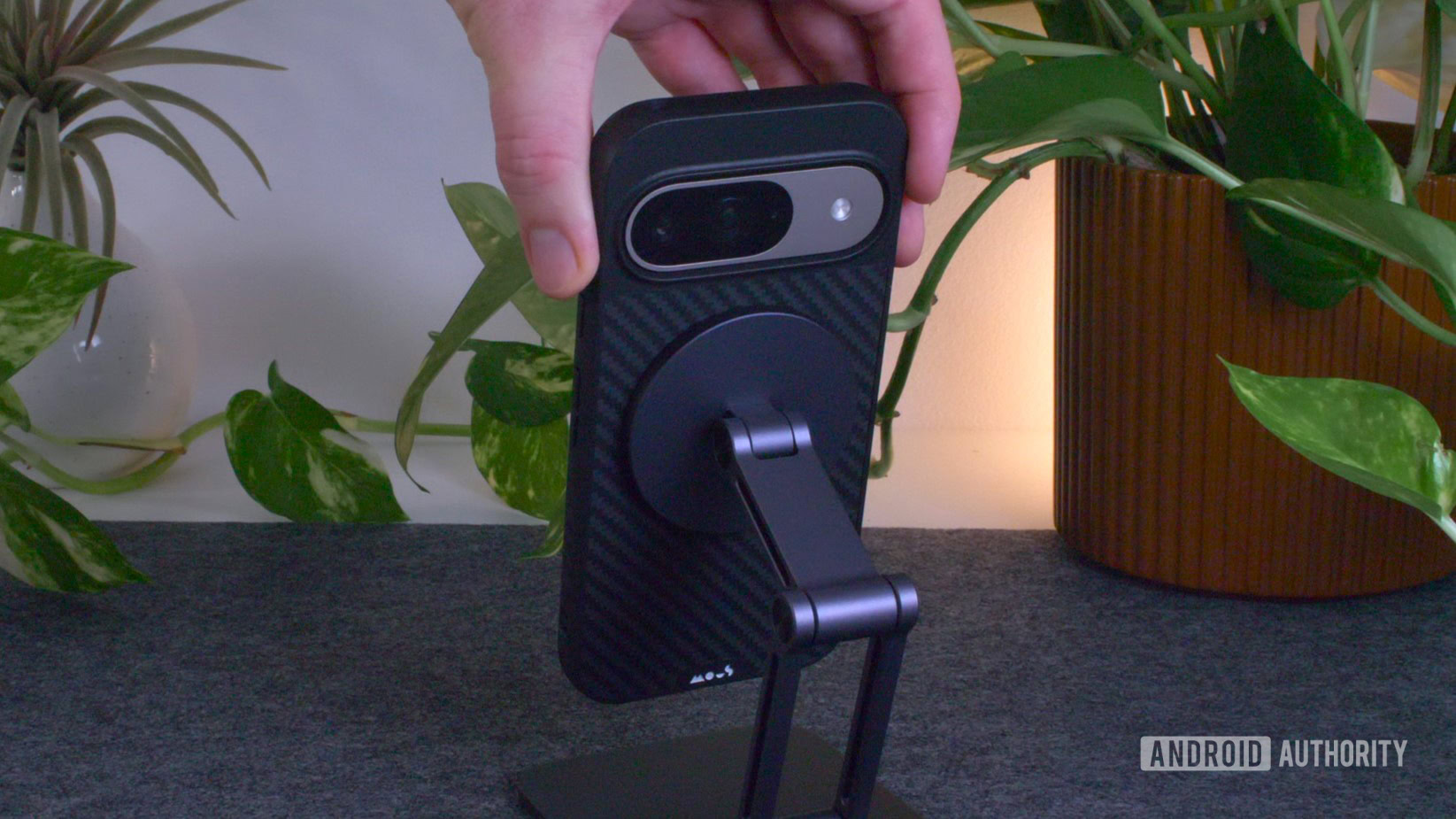
Mous Limitless Pixel 9 Pro case magnetic stand


One of the biggest questions surrounding the Pixel 10 series has been its support — or lack thereof — for Qi2 magnetic charging. In June, Android Authority found evidence of Google developing magnetic charging accessories for the Pixel 10, strongly suggesting that the phones would have magnets built into them (as we’ve seen for years with MagSafe on iPhones).

Not long after this, another report claimed that, while Google was creating magnetic accessories, the Pixel 10 would need a magnetic case to work with them — similar to the OnePlus 13 and its 50W magnetic charger. In other words, it sounded like Google would give us yet another half-baked approach to magnetic chargers and accessories.

But thanks to a new leak from Evan Blass this week, we finally have an answer.

Pixel 10 Qi2


Among the many Pixel 10 renders Blass shared, the one that tipped the scales for me is the one seen above. It’s a render of the base Pixel 10 with what appears to be a magnetic charging puck attached to its back.

The critical thing to note is that the Pixel 10 doesn’t have a case on, and yet, the charging puck is attached to the phone just like you’d see a MagSafe charger on a modern iPhone. In other words, it’s all but confirmed that the Pixel 10 will have magnets built into the phone itself.

More than anything else we’ve seen about the Pixel 10 so far, this is the most exciting leak in my eyes. Ever since Apple introduced MagSafe to the iPhone in 2020, no major Android brand has been able to replicate a similar system for its phones — even with the Qi2 standard opening that door in 2023. It was starting to look like it might never happen, but assuming this leak is real (which it appears to be), the Pixel 10 will finally be the first Android phone to bring magnetic accessories to the masses. And that’s a big deal.

Why built-in magnets are so important​

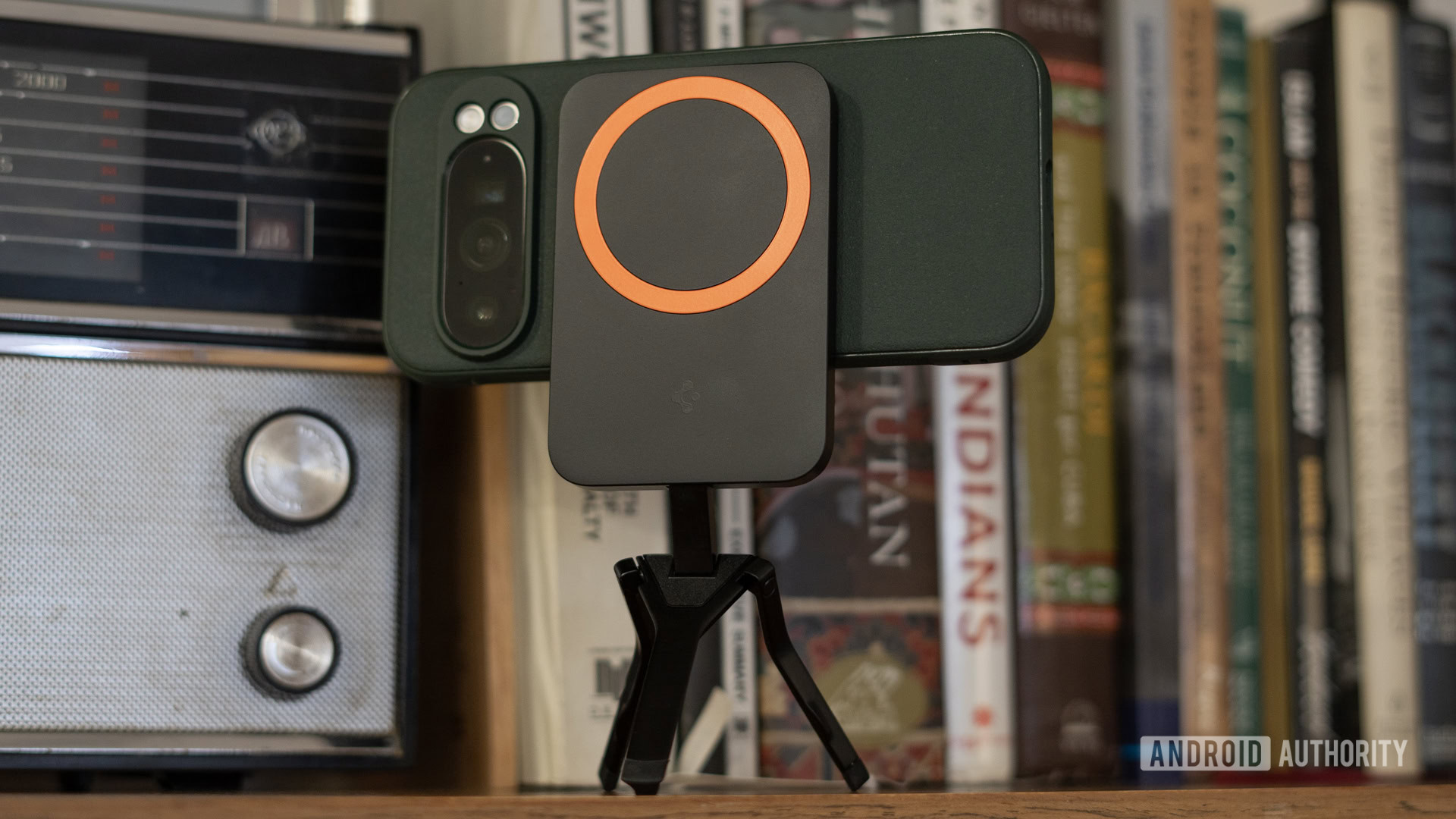
Pixel Magsafe Qi2 with magsafe tripod


“Joe, they’re just magnets. Why are you making such a big deal out of this?” I hear you asking. It’s a valid question and one I’ll happily answer with this: magnets rule.

As someone who daily drives an Android phone and an iPhone simultaneously (it’s important to know what the enemy is up to), I’ve been living with MagSafe accessories for a while now. Without a doubt, MagSafe is my favorite thing about the iPhone in 2025, and it has been for years at this point.

When I go to bed at night, placing my iPhone on a magnetic charging stand, confident that it’s aligned properly, is far and away better than any non-magnetic wireless charger. When I leave the house, slapping a MagSafe wallet onto the back of my iPhone has become my favorite way to conveniently carry my ID and credit cards. And when I’m traveling and my battery is running low, magnetic power banks, such as OnePlus’s excellent Slim Magnetic Power Bank, are a godsend.

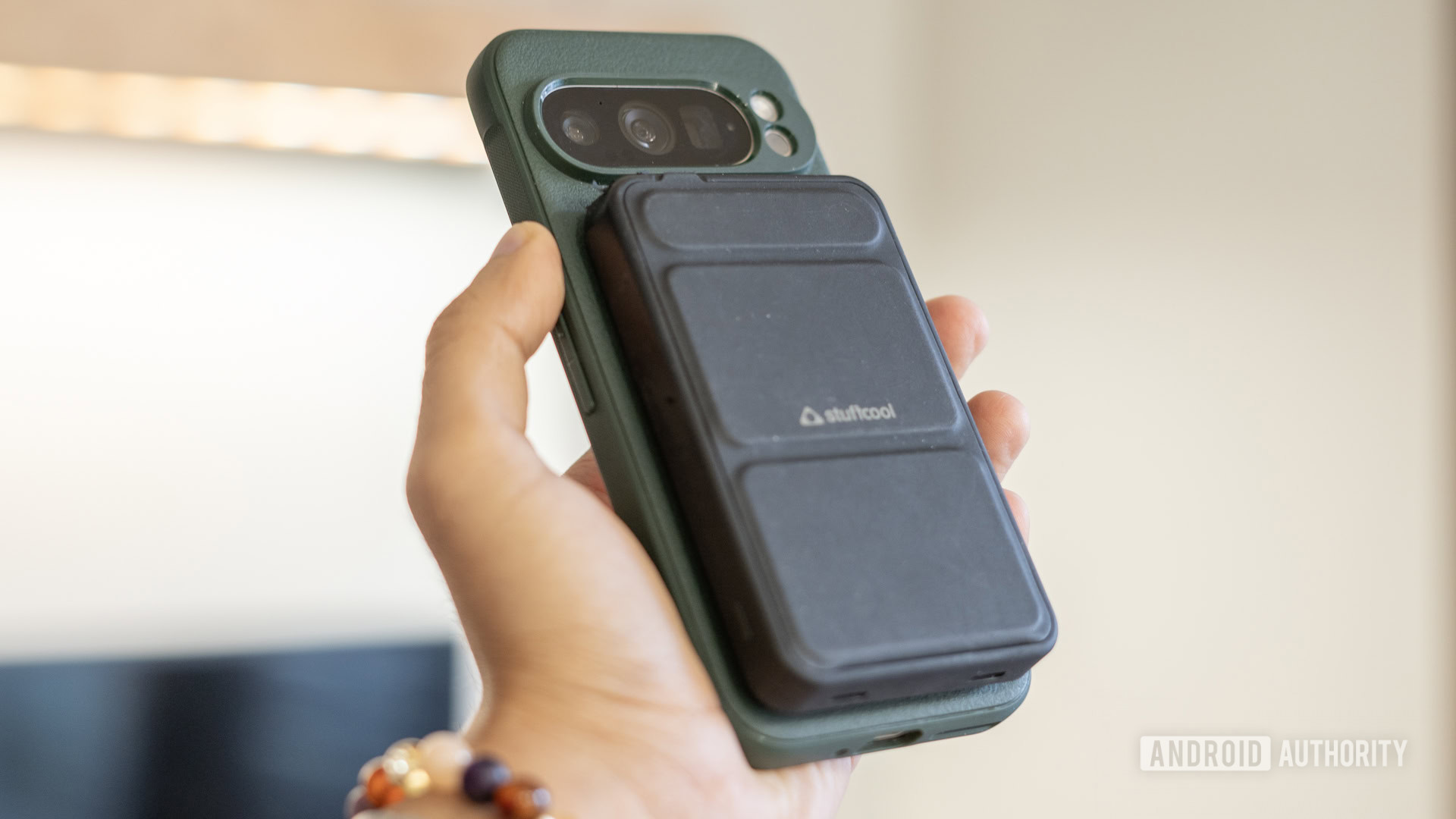
Pixel Magsafe Qi2 with power bank


These are all massive conveniences throughout daily use, but having them relegated to my iPhone and not whatever Android phone I’m carrying has long been an enormous frustration. I want it to be my Android phone that I’m putting on my magnetic charger, attaching my wallet to, and using with a magnetic battery pack. Soon, the Pixel 10 can be that Android phone.

While this has technically been possible via magnetic cases, it’s not the same experience. As someone who prefers to use my phone naked, I don’t want to deal with a bulky case just to use my MagSafe accessories. And even if you are a case person, MagSafe/magnetic cases for Android phones aren’t nearly as prolific as they are for iPhones.

Magnets will now be a core feature for the Pixel 10, rather than an enthusiast afterthought.

The Pixel 10 having that magnetic array built-in isn’t just great news for people like me who love magnetic accessories and hate cases. It’ll also put pressure on case-makers to double down their efforts on creating magnetic cases and other accessories. Magnets will now be a core feature for the Pixel 10, rather than an enthusiast afterthought as it currently is for a phone like the Pixel 9.

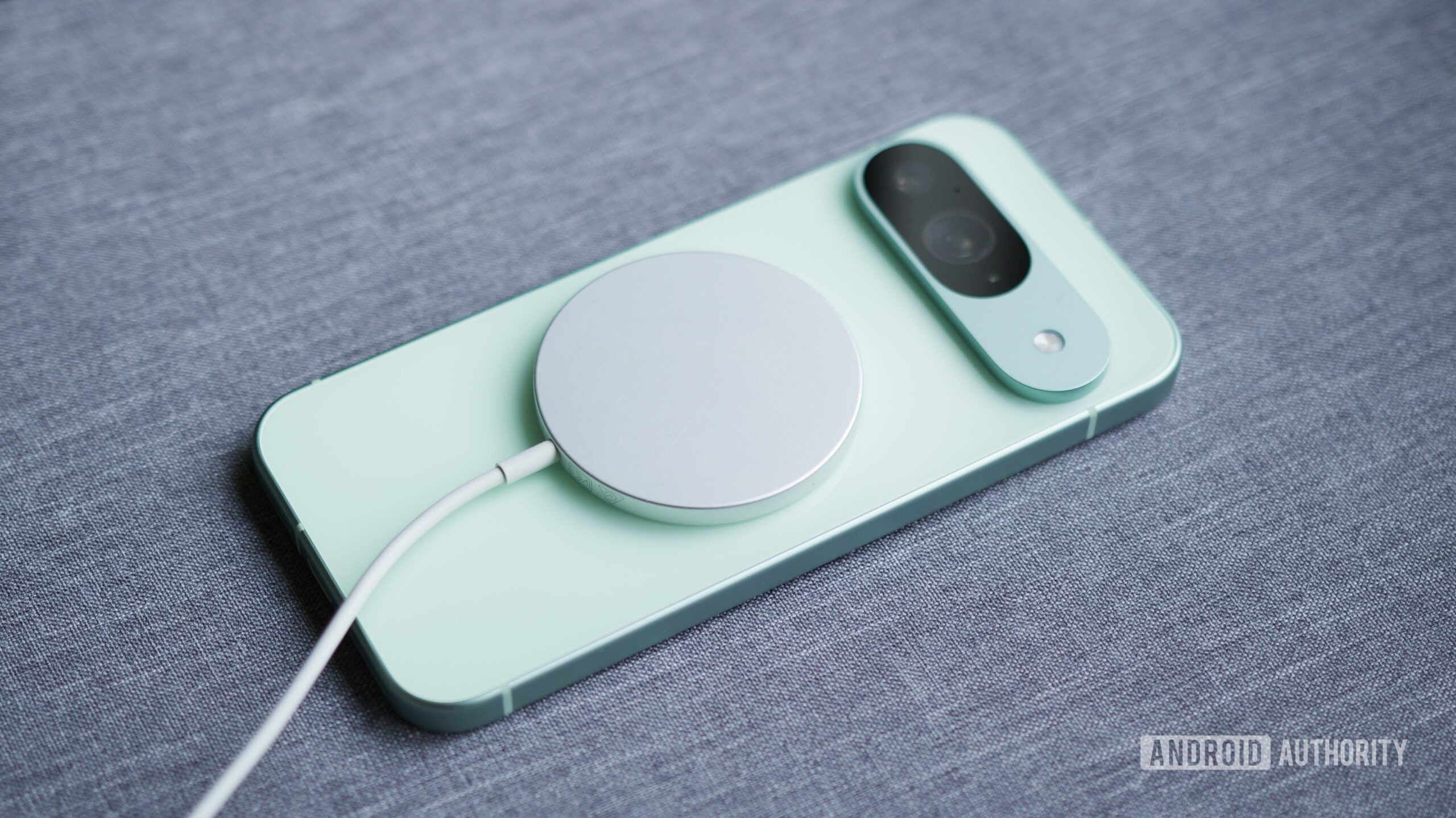
A Google Pixel 9 with a MagSafe charging puck on its back.


If you haven’t yet bought into the world of MagSafe/magnetic accessories, I understand if you still think I’m blowing this way out of proportion. But having experienced firsthand the wonders of MagSafe on the iPhone, the prospect of finally getting that convenience on an Android phone is everything I’ve been waiting for.
That’s why that leaked Pixel 10 image is so important to me. It’s the confirmation I’ve been waiting for that the Pixel 10 will ignite Android’s magnetic future, and I couldn’t be more excited to buy the phone next month.
 

limmk

High Supremacy Member
Joined
Jul 5, 2001
Messages
43,493
Reaction score
8,373


The Google Pixel 10 series is just a few weeks away, and I’m keenly waiting to see what these new phones offer. One of the most intriguing and persistent rumors is that the base model will have a telephoto camera, but what about the Pro phones?

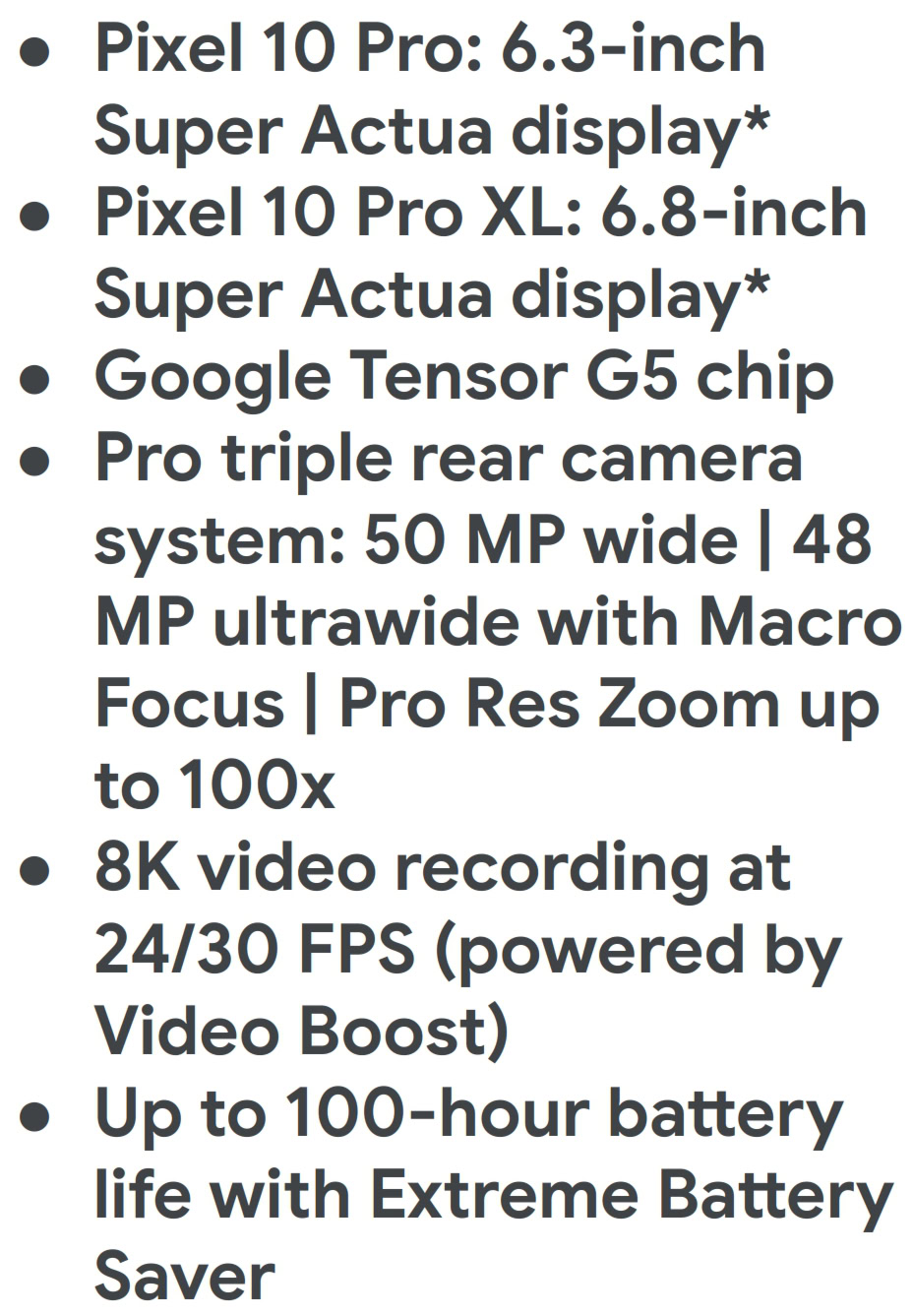
It sounds like Google could maintain the same 48MP 5x cameras seen on the Pixel 9 Pro series. However, a trove of marketing material shared by veteran leaker Evan Blass has revealed that the Pixel 10 Pro phones could get 100x zoom. I’m not convinced that this feature is anything more than a marketing stunt, and you shouldn’t be, either.

Why should you be wary of the Pixel 10 Pro’s 100x zoom?​

Pixel 10 Pro specs


The apparent marketing screenshot (seen above) suggests that the Pixel 10 Pro range could offer “Pro Res Zoom” up to 100x. It’s unclear whether this refers to on-device zoom capabilities or cloud-powered zoom smarts. There’s also no word if this applies to pictures, videos, or both.

What is abundantly clear, though, is that 100x zoom is little more than a gimmick today, and there’s little reason to believe Google will change things. Samsung’s Galaxy S20 Ultra was the first to offer this feature in 2020, thanks to a 48MP 4x periscope camera, and it was largely a waste of time. We’ve since seen larger telephoto sensors, wider apertures, more megapixels, and more powerful image processing hardware. But phones like the Galaxy S25 Ultra and Google Pixel 9 Pro XL crumble long before 50x, let alone 100x. Don’t believe me? Well, colleague Rob Triggs tested a quartet of phones at 10x and 30x earlier this year, and thought that the Samsung and Google phones were the worst performers. That doesn’t bode well for the Pixel 10 Pro’s image processing at 100x.

Xiaomi 15 Ultra 30x church

Xiaomi 15 Ultra - 30x 100% crop

Galaxy S25 Ultra 30x church

Galaxy S25 Ultra - 30x 100% crop

Pixel 9 Pro XL 30x church

Pixel 9 Pro XL - 30x 100% crop

Find X8 Pro 30x church

Find X8 Pro - 30x 100% crop

Vivo, HONOR, and Xiaomi have also released phones with 200MP periscope cameras in the last couple of years, and 100x photos taken with these devices aren’t a game-changing upgrade. Check out the shots below, comparing the Galaxy S25 Ultra to the Xiaomi 15 Ultra and the Galaxy S24 Ultra to the vivo X100 Ultra.

Samsung Galaxy S25 Ultra 100x Hadlee

Galaxy S25 Ultra 100x

Xiaomi 15 Ultra 100x Hadlee

Xiaomi 15 Ultra 100x

Samsung Galaxy S24 Ultra crane 100x

Galaxy S24 Ultra 100x

Vivo X100 Ultra crane 100x

vivo X100 Ultra 100x

Even though many flagship phones offer stabilization features for long-range zoom, the first set of images shows it’s still tough to keep the viewfinder steady at 100x. As for actual image quality, the Xiaomi 15 Ultra’s picture avoids the horrible fringing seen in the Samsung shot, therefore delivering cleaner edges. However, this photo still offers a highly contrasted look and heavy noise reduction that wipes away detail. These 200MP cameras can capture a more defined image at long range, as seen in the crane shot, allowing you to identify specific elements in a scene. This might work for accessibility purposes, but these images are useless for Instagram.
 

limmk

High Supremacy Member
Joined
Jul 5, 2001
Messages
43,493
Reaction score
8,373

Could AI help Google?​

I’ve also seen manufacturers, such as Xiaomi, HONOR, vivo, and OnePlus, use AI to fill in the gaps at 100x. However, this practice varies wildly in execution, based on the phone brand and the subject matter. AI-based zoom can work well with simple textures (e.g., buildings), but often struggles with people and complex textures like foliage and mountains. Colleague Ryan Haines praised the OnePlus 13‘s long-range AI-based zoom, noting that even 120x shots can look decent (see the first shot below). However, other 120x samples show how bad things can get.

OnePlus 13 120x yacht Ryan Haines
OnePlus 13 120x

OnePlus 13 lemon at 120x
OnePlus 13 120x

OnePlus 13 tree at 120x
OnePlus 13 120x


Meanwhile, Rob Triggs praised the OPPO Find X8 Pro‘s AI-assisted long-range zoom, albeit out to 60x. On the other hand, he criticized the HONOR Magic 7 Pro’s AI-enabled camera zoom, which added elements to his 30x landscape scene, like extra branches, trees, and additional buildings (see the comparison below). I also noticed that the vivo X200 Ultra would remove some elements in ~30x snaps, such as balcony railings. Who needs ’em anyway?

HONOR Magic 7 Pro 30x no AI

HONOR Magic 7 Pro 30x without AI

HONOR Magic 7 Pro 30x with AI

HONOR Magic 7 Pro 30x with AI

Google has also dabbled with AI to improve zoom, as it launched the Zoom Enhance feature last year. This tool lets you return to an image after the fact and zoom in for a higher-quality cropped picture. However, our impressions were decidedly mixed in our Pixel 9 Pro and Pixel 9 Pro XL reviews, as we often thought it was merely over-sharpening images. So I don’t have high hopes that the Pixel 10 Pro series can take good 100x shots if Google merely adopts this tech.

Google’s AI should help, but don’t expect miracles​

Google Pixel 9 Pro XL cameras


I’m sure Google’s software smarts will help the Pixel 10 Pro phones achieve better 100x results. The company already offers fantastic camera tricks like Super Res Zoom, the Add Me feature, astrophotography mode, and Face Unblur. And some of these underlying technologies can enable better 100x photos. But will you want to share these images with people? Yeah, I’m not betting on that. Rival phones show us that 100x zoom is a little better in 2025, but still not good, so it’s hard to see Google doing substantially better.

I do hope Google proves me wrong, though, and that 100x Pro Res Zoom is a big upgrade to long-range zoom. But history tells us that we shouldn’t take smartphone brands at their word when they talk about camera zoom.
 

limmk

High Supremacy Member
Joined
Jul 5, 2001
Messages
43,493
Reaction score
8,373


In just a few short weeks, Google will take the stage in New York to finally unveil the Pixel 10 series. Everything we’ve seen about these devices so far — and we’ve seen plenty — suggests a lineup that is, in some ways, frustratingly familiar to last year’s devices. There’s nothing wrong with a “tock” year, of course, where Google can catch its breath after last year’s massive leap in both presentation and build quality. But unlike with the standard Pixel 10, this year’s foldable might end up take the brunt of the blowback from this decision.

After all, Google doesn’t typically do “tock” upgrade cycles, popularized by Apple in the early 2010s with spec-focused devices like the iPhone 4s and 5s. Especially in the Tensor era, Pixel devices have a habit of always moving in a forward direction; even the Pixel 8 series clearly included a few big revisions over the Pixel 8, perfectly leaning into the matte glass back and flat display of the Pro.

The Pixel 10 lineup, while appearing pretty familiar in recent leaks, is still shaping up to be an interesting launch at the bare minimum. The addition of a telephoto lens to the base model — seemingly at the cost of a better, more powerful main camera sensor — creates a fascinating trade-off that might see most fans staying away from the more expensive Pros. “Pixelsnap” accessories seem all but guaranteed, with our most recent look seemingly guaranteeing built-in Qi2 support, no case required. And, of course, Tensor G5 is facing down a hype cycle not seen since the Pixel 6’s original Tensor SoC. It’s a big year for under-the-hood changes, even if these phones look unchanged from the outside.

But then there’s the Pixel 10 Pro Fold.

The Pixel 10 Pro Fold is looking like the worst kind of redux​

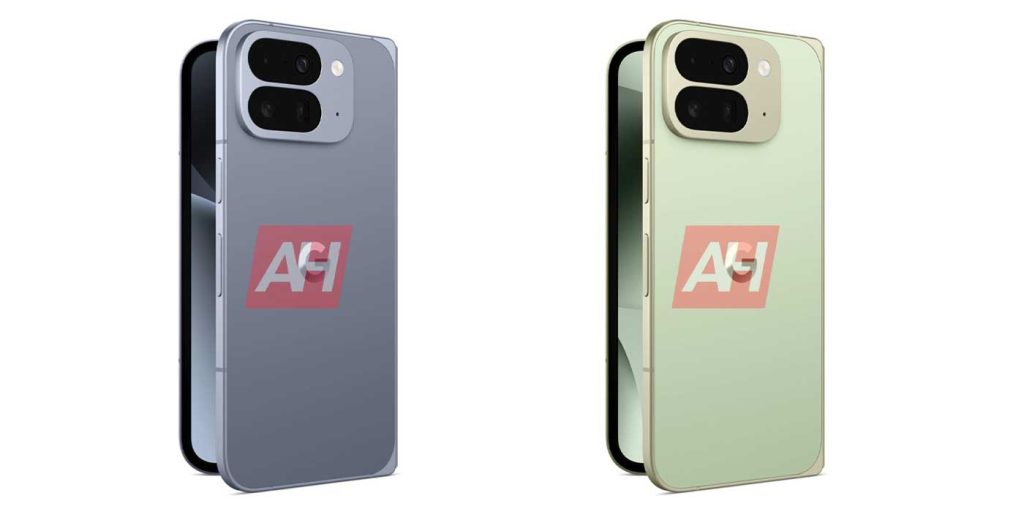
Pixel-10-Pro-Fold-render-leak-2.jpg
Leaked Pixel 10 Pro Fold renders.

In a year where OnePlus has effectively left the US foldable market behind — and taking a big chunk of competition with it — Samsung did what no one thought it could, revolutionizing the Galaxy Z Fold series to create what is, by some estimates, the slimmest foldable you can buy today, and certainly the slimmest in North America. It’s the opposite of what we expect from Google, which, in a move destined to disappoint certain fans, is seemingly set to run back its Pixel 9 Pro Fold playbook for the second year in a row.

The Pixel 10 Pro Fold isn’t just a spec bump, but it’s not much more than that, either. Rumors of a slightly larger outer display, minimally faster charging speeds, and substantially larger battery all promise a better time for buyers, and that’s before we account for the same improvements coming to the rest of the lineup, like Qi2 and Tensor G5. But after blowing both of its North American competitors out of the water a year ago, it seems like Google feels comfortable enough with its fledgling foldable series to, effectively, take a year-long sabbatical. And frankly, I don’t think the company’s earned this.

There are a handful of things keeping foldables from achieving mainstream success. Some of this friction comes down to use cases — foldables are perfectly suited for some tasks, but for plenty of users, trying to replace your smartphone, tablet, and potentially even your laptop with this single device is a recipe for disaster. But largely speaking, I’d chalk up sluggish market growth to two elements: durability and bulk. And, to be fair, Google’s about to be the first to nail that first category.

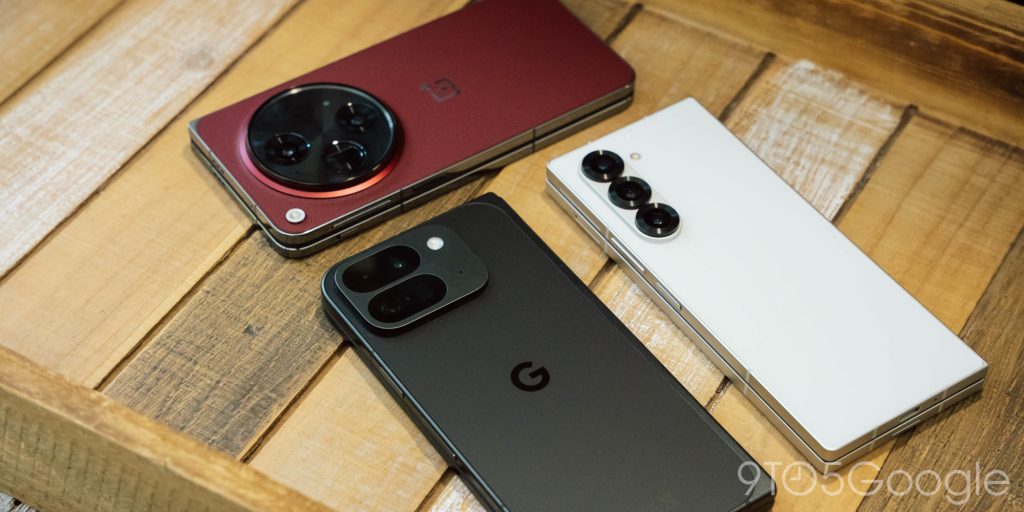
google-pixel-9-pro-fold-competition.jpg
Last year’s Pixel 9 Pro Fold impressed next to its chunkier competition.

Rumors suggest the Pixel 10 Pro Fold will be the first-ever IP68-certified foldable, a device just as protected from sand and water as the majority of Android flagships available these days. And, to be fair, Google should absolutely be applauded for this should it be true. Although devices like the Galaxy Z Fold 7 seem perfectly prepared to handle a day at the beach, that doesn’t mean consumers and manufacturers alike shouldn’t keep pushing for the most durable of devices, especially given the price point.

Bulk, unfortunately, is another story. Last year’s Pixel 9 Pro Fold was slimmer than other foldables sold in the US, defeating both Samsung’s Galaxy Z Fold 6 and 2023’s OnePlus Open. This year spells a different story. Samsung’s Fold 7 measures in at 8.9mm and just 215 grams. That’s less than a millimeter thicker than the S25 Ultra and three grams lighter, leaving us with a smartphone that is as comfortable to hold and carry as any other phone you’ll find in Best Buy.

The Pixel 10 Pro Fold won’t meet this new standard. At 10.8mm and 258 grams — as one recent leak suggests — the 10 Pro Fold is bulkier and heavier than its direct predecessor. And while I’m ecstatic to see a larger battery and, hopefully, built-in Qi2 magnets, I’m equal parts frustrated to see Google unable or unwilling to push the boundaries on what’s possible with its hardware.

Without clear upgrades, it’s unclear who the Pixel 10 Pro Fold is even for​

galaxy-z-fold-7-pixel-9-pro-fold-1.jpg
This year, it’s the Pixel 10 Pro Fold that’s bound to feel like an outdated foldable.

Google’s already on its back foot when it comes to the foldable experience. I wasn’t a fan of the first-gen Pixel Fold, which creaked and felt dated right out of the box, but its successor really turned things around. Yet, when I consider what the audience for foldables actually demands, my thoughts turn to multitasking and customization — the exact sort of power user features that Samsung, not Google, truly excels at. Sure, Google’s foldable will likely be cheaper than Samsung’s, but when you’re already spending $1,800, what’s another couple hundred bucks for a much more refined piece of hardware?

And that brings us back to that other barrier keeping shoppers away from foldables: price. If Google isn’t ready to unveil a next-gen Pixel Fold that properly pushes the envelope, I think that’s perfectly understandable. But considering how young this lineup is, it’s undeniable that the better idea would’ve been to continue offering the Pixel 9 Pro Fold at a more affordable price point, in order to get first-time foldable buyers through the door.

Rather than waste your third-gen efforts on a simple specs boost — even if it’s one that seems to offer some obvious improvements over last year’s phone — lowering the price point could help to sway more consumers over to this form factor. You’d effectively be following the lead of OnePlus, which lowered the Open’s price point in 2024 rather than opting to launch new hardware, but with the benefit of name recognition and carrier store access.

When you’re already spending $1,800, what’s another couple hundred bucks for a much more refined piece of hardware?

In a perfect world, Google would have a true Galaxy Z Fold 7 rival ready to go, just as it had last year. But between Samsung’s phone and the ever-growing lineup of China-made foldables that continue amazing reviewers and buyers alike, Google should have considered doing what very few OEMs will ever do: skipping out on one of its annual releases. Even 11 months after launch, the Pixel 9 Pro Fold is a very good phone — one that could win even more fans over with a cheaper price point.

But as it stands right now, we’re looking down the barrel of a device that might not be powerful enough for enthusiasts or affordable enough for casual users. And at that point, you really have to wonder who the Pixel 10 Pro Fold is even for.

 

froztheart

Supremacy Member
Joined
Aug 8, 2012
Messages
9,160
Reaction score
3,991


Google Pixel 10 leaks have been nonstop over the last few weeks. From device renders and specs to Tensor G5 details, little has been left to the imagination.

What we’ve seen so far has painted a promising, if not overly exciting, picture for Google’s next phones. The Tensor G5 should be the highlight, thanks to its new 3nm design and Google’s switch from Samsung Foundry to TSMC. The base Pixel 10 getting a telephoto camera is exciting, too.

While the leaks have been fine, I haven’t seen anything that’s made me think I need to pre-order a Pixel 10 as soon as it goes on sale. However, one recently leaked photo may have completely changed that.

The Pixel 10 is bringing my magnetic dream to life​

Mous Limitless Pixel 9 Pro case magnetic stand


One of the biggest questions surrounding the Pixel 10 series has been its support — or lack thereof — for Qi2 magnetic charging. In June, Android Authority found evidence of Google developing magnetic charging accessories for the Pixel 10, strongly suggesting that the phones would have magnets built into them (as we’ve seen for years with MagSafe on iPhones).

Not long after this, another report claimed that, while Google was creating magnetic accessories, the Pixel 10 would need a magnetic case to work with them — similar to the OnePlus 13 and its 50W magnetic charger. In other words, it sounded like Google would give us yet another half-baked approach to magnetic chargers and accessories.

But thanks to a new leak from Evan Blass this week, we finally have an answer.

Pixel 10 Qi2


Among the many Pixel 10 renders Blass shared, the one that tipped the scales for me is the one seen above. It’s a render of the base Pixel 10 with what appears to be a magnetic charging puck attached to its back.

The critical thing to note is that the Pixel 10 doesn’t have a case on, and yet, the charging puck is attached to the phone just like you’d see a MagSafe charger on a modern iPhone. In other words, it’s all but confirmed that the Pixel 10 will have magnets built into the phone itself.

More than anything else we’ve seen about the Pixel 10 so far, this is the most exciting leak in my eyes. Ever since Apple introduced MagSafe to the iPhone in 2020, no major Android brand has been able to replicate a similar system for its phones — even with the Qi2 standard opening that door in 2023. It was starting to look like it might never happen, but assuming this leak is real (which it appears to be), the Pixel 10 will finally be the first Android phone to bring magnetic accessories to the masses. And that’s a big deal.

Why built-in magnets are so important​

Pixel Magsafe Qi2 with magsafe tripod


“Joe, they’re just magnets. Why are you making such a big deal out of this?” I hear you asking. It’s a valid question and one I’ll happily answer with this: magnets rule.

As someone who daily drives an Android phone and an iPhone simultaneously (it’s important to know what the enemy is up to), I’ve been living with MagSafe accessories for a while now. Without a doubt, MagSafe is my favorite thing about the iPhone in 2025, and it has been for years at this point.

When I go to bed at night, placing my iPhone on a magnetic charging stand, confident that it’s aligned properly, is far and away better than any non-magnetic wireless charger. When I leave the house, slapping a MagSafe wallet onto the back of my iPhone has become my favorite way to conveniently carry my ID and credit cards. And when I’m traveling and my battery is running low, magnetic power banks, such as OnePlus’s excellent Slim Magnetic Power Bank, are a godsend.

Pixel Magsafe Qi2 with power bank


These are all massive conveniences throughout daily use, but having them relegated to my iPhone and not whatever Android phone I’m carrying has long been an enormous frustration. I want it to be my Android phone that I’m putting on my magnetic charger, attaching my wallet to, and using with a magnetic battery pack. Soon, the Pixel 10 can be that Android phone.

While this has technically been possible via magnetic cases, it’s not the same experience. As someone who prefers to use my phone naked, I don’t want to deal with a bulky case just to use my MagSafe accessories. And even if you are a case person, MagSafe/magnetic cases for Android phones aren’t nearly as prolific as they are for iPhones.

Magnets will now be a core feature for the Pixel 10, rather than an enthusiast afterthought.

The Pixel 10 having that magnetic array built-in isn’t just great news for people like me who love magnetic accessories and hate cases. It’ll also put pressure on case-makers to double down their efforts on creating magnetic cases and other accessories. Magnets will now be a core feature for the Pixel 10, rather than an enthusiast afterthought as it currently is for a phone like the Pixel 9.

A Google Pixel 9 with a MagSafe charging puck on its back.


If you haven’t yet bought into the world of MagSafe/magnetic accessories, I understand if you still think I’m blowing this way out of proportion. But having experienced firsthand the wonders of MagSafe on the iPhone, the prospect of finally getting that convenience on an Android phone is everything I’ve been waiting for.
That’s why that leaked Pixel 10 image is so important to me. It’s the confirmation I’ve been waiting for that the Pixel 10 will ignite Android’s magnetic future, and I couldn’t be more excited to buy the phone next month.

Agreed, having this will enable seamless usage for those having iPhones and Androids! :love:
 

halocast

Great Supremacy Member
Joined
Feb 19, 2005
Messages
58,524
Reaction score
1,762
yea.. qi2 mag charging will be great!

It should be a feature that they highlight !

:o
 
Last edited:

limmk

High Supremacy Member
Joined
Jul 5, 2001
Messages
43,493
Reaction score
8,373


Last year, Google did a somewhat large redesign of the Pixel lineup. Flattening the edges of the phone, and even the camera bar, while sticking with its unique design identity. This seemed like a way to get iPhone users to switch over to the Pixel, and it worked. There were quite a few people who put their iPhone away and upgraded to a Pixel 9 device last year. However, this year, Google is taking it up a notch.

While most phones released this year do support Qi2 or MagSafe, very few have the magnets built into the actual device. In fact, the only device on the market that has the Qi2 magnets built in is the HMD Skyline. A mid-range phone that was announced over a year ago, and isn’t even available officially in the US.

But that’s about to change. According to leaks we saw this week, specifically from Evleaks, it appears that Google will be including the Qi2 magnets inside the Pixel 10 devices. This could explain why the devices are getting heavier and thicker (along with the larger batteries).

google pixel 10 blue wireless charger


As we can see here, the new PixelSnap charger will be able to attach and charge the Pixel 10 without the need for a case, which is how most other smartphones are using Qi2 right now – including the $1,299 Galaxy S25 Ultra.

That’s actually a really big deal, especially for iPhone users. As someone who has been daily driving an iPhone since the iPhone 12 Pro launched, I’ve become accustomed to MagSafe and its accessories. It’s one of the things that has kept me using the iPhone for so long. It’s just so much more convenient to snap on a charger, versus needing to hold one and plug it in. And of course, there are other accessories like tripods and stands that make it a really incredible feature.

Is MagSafe enough to win over iPhone users?​

But the big question is whether adding MagSafe (without the need for a case) is enough to win over iPhone users. It might be. And it might not be all because of Google, but more because of Apple’s failure with AI.

I for one, am seriously considering replacing my iPhone with a Pixel 10 model this year. In fact, currently, my main SIM is in the Galaxy Z Fold 7, which is not common for me. You see, I have a second SIM or phone line from Google Fi that I use for all of my review devices. But the Galaxy Z Fold 7 now has my main eSIM from my iPhone, and it’s honestly been hard to go back to the iPhone after using the Galaxy Z Fold 7, and I’m expecting that to continue with the Pixel 10.

Really, the only thing making me want to go back to my iPhone is MagSafe. Over the years, I’ve bought and received (as review units) quite a few MagSafe products. I have probably 10 different MagSafe battery packs, at least five different MagSafe charging stands, and countless wallets, tripods, and other mounts. Which I can’t use with my Galaxy Z Fold 7 unless I buy a case that has the magnets.

And if Google can improve the Tensor G5 this year (versus the Tensor G4), then there’s a good chance that Google can get even more iPhone users to switch this year.

What’s so great about having MagSafe built-in?​

You might be wondering, what’s so great about having the magnets built in, when many cases have had MagSafe support for years now? Well, for one, it means you can use any case you want. For example, with the Pixel 9 Pro, I can’t use the first-party Silicon case that Google sells with it, since it doesn’t have MagSafe. But with the Pixel 10 Pro, I can. Now the magnets won’t be as strong, but it is possible. Of course, Google is including magnets in its new cases anyway.

This is also going to help make MagSafe a core Android feature. As it is likely that other OEMs will also begin to include magnets inside their phones, versus needing a case for it. That’s going to help expand the MagSafe ecosystem, as it won’t be limited to just the iPhone.

Of course, not everyone has used MagSafe. But once you do, you’ll wonder how you lived without it. Before using MagSafe, I rarely used wireless charging. Now, I use it almost exclusively on my iPhone. That’s just how convenient MagSafe has become. I use it in the car with an ESR Qi2 car mount, not because I need to charge, but I need to put my phone somewhere, so why not give it some juice? I have a Mophie MagSafe charging dock next to my bed, I just slap the phone on it before going to sleep, and that’s it.

This one feature has me stupidly excited for the Google Pixel 10.

Google Pixel 9 series AM AH5


Google has had some seriously good momentum over the past year​

Google has had some really good momentum since releasing the Pixel 9 series last year. The company saw its biggest market share gain in quite some time, with a pretty big uptick in Q3 (when the Pixel 9 was released). Though those numbers did start to drop in the following quarters.

But Canalys just released its US Smartphone Market Share numbers, and Google has now overtaken TCL to become the fourth-largest OEM in the US. Having shipped about 100,000 more units in Q2 2025 vs Q2 2024. That’s a 13% gain year-over-year. In fact, only Samsung, Motorola, and Google saw positive growth year-over-year. Samsung did see a pretty huge jump, almost 38%, or about 2.3 million units.

So the real question is, will Google do enough with the Pixel 10 series to keep this momentum going? From what I’ve seen and what we have leaked about the Pixel 10 series, I do believe they have. Of course, we’ll find out for sure on August 20.
 
Important Forum Advisory Note
This forum is moderated by volunteer moderators who will react only to members' feedback on posts. Moderators are not employees or representatives of HWZ Forums. Forum members and moderators are responsible for their own posts. Please refer to our Community Guidelines and Standards and Terms and Conditions for more information.
Top