I’m always asked which phone someone should buy. It’s not always phrased exactly that way — sometimes, the question is which phone is my favorite, but the end goal is always the same. And, in those cases, it’s easy to want to recommend the latest and greatest from Google, Apple, or OnePlus. However, most people don’t need a brand-new, top-end device with all the bells and whistles.
So, when I’m asked, I’ve started looking deeper into the
best phones from recent years. I’ve found that there’s one older flagship I recommend more than any other, and it’s the one I’d be most willing to buy for myself: Google’s
Pixel 8 Pro. Here’s why.
Google’s eye-catching design is aging gracefully
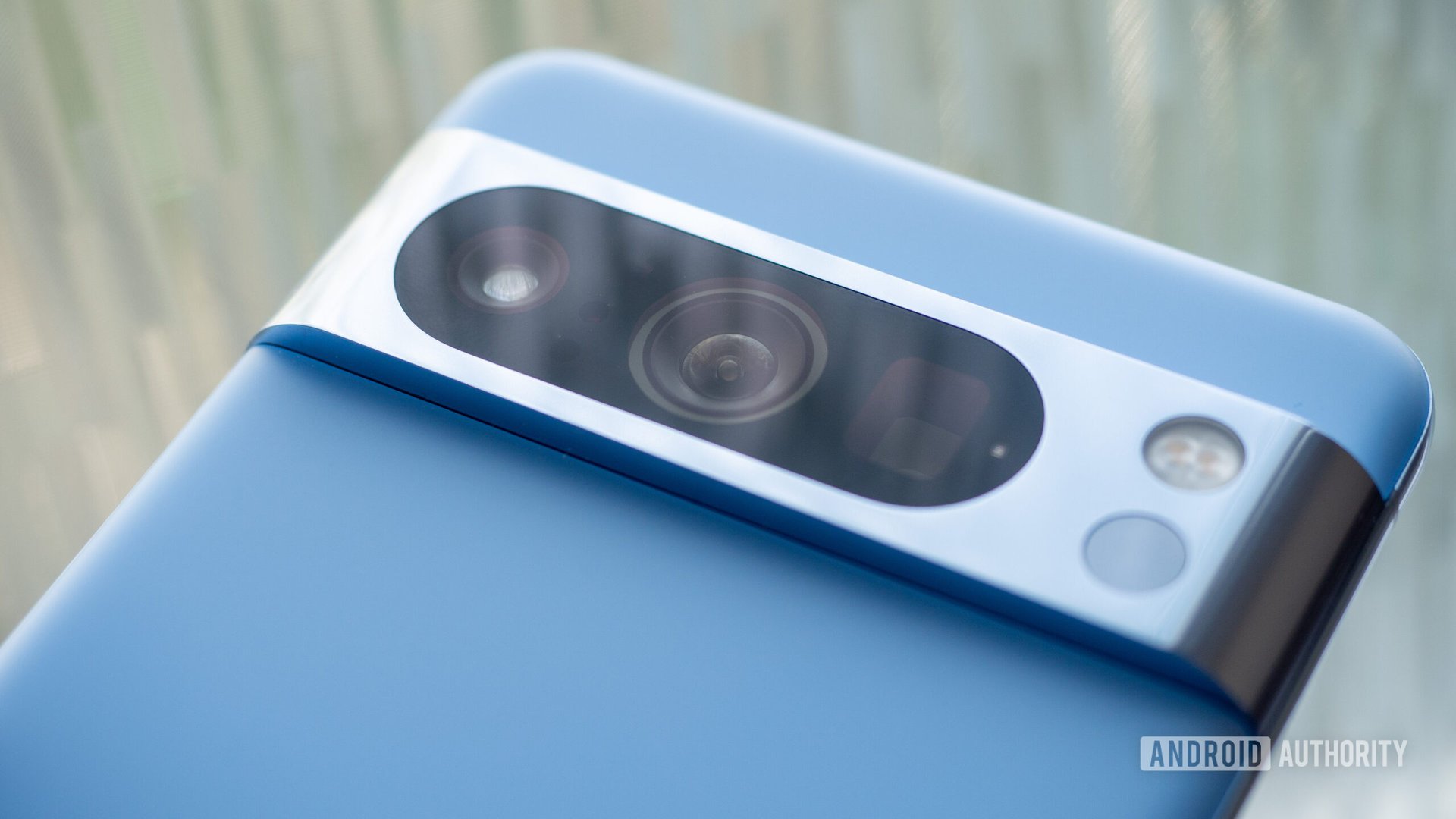
My love for Google’s camera bar design has been well-documented since it launched on the
Pixel 6 series. I immediately pounced on the fact that it made Pixels feel different from most other Android flagships with their corner-mounted camera bumps. Since then, though, Google has learned a thing or two about building its flagships. It’s made them lighter, softened the previously sharp corners, and stayed ahead of the curve when ditching the curved display.
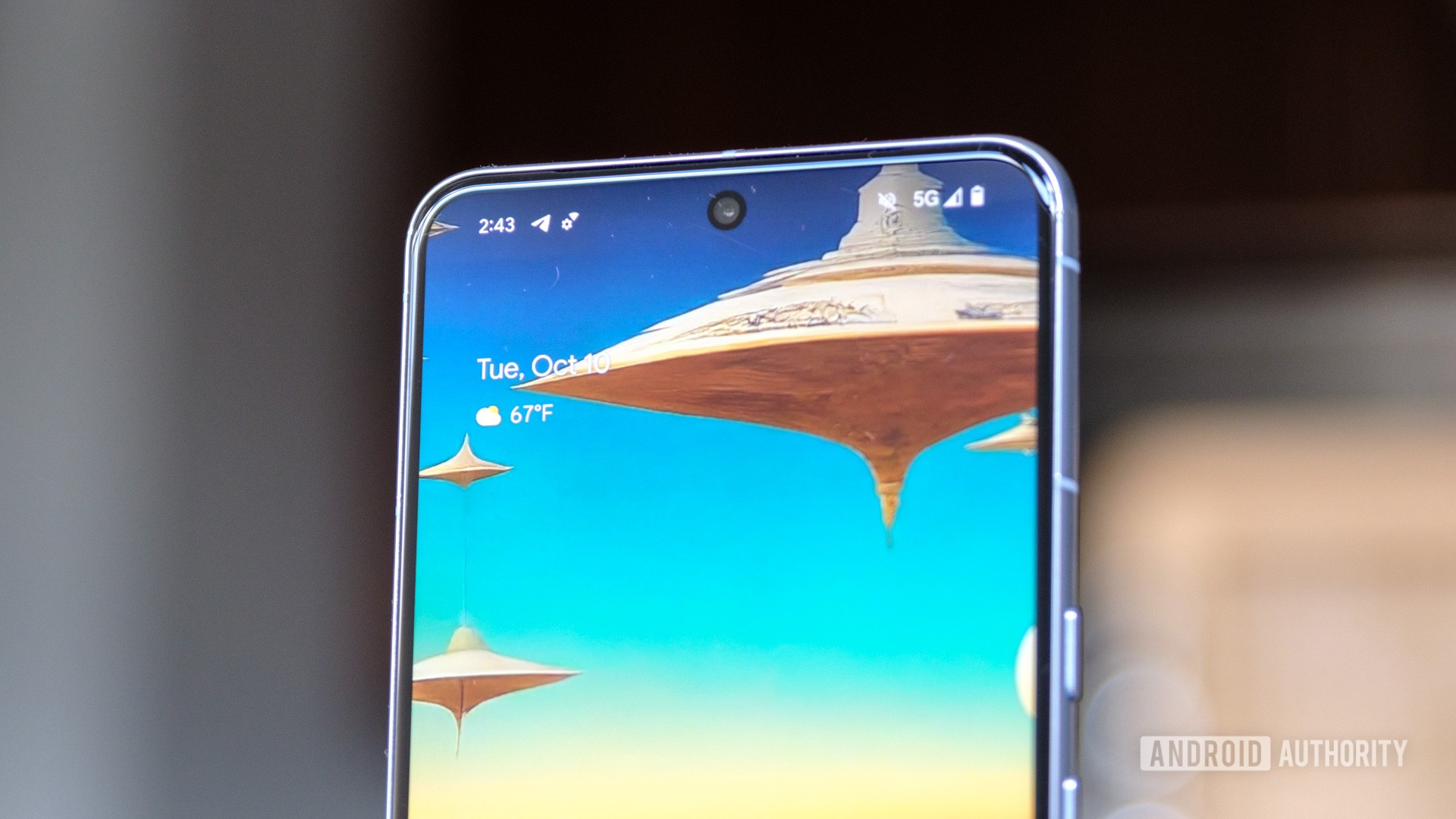
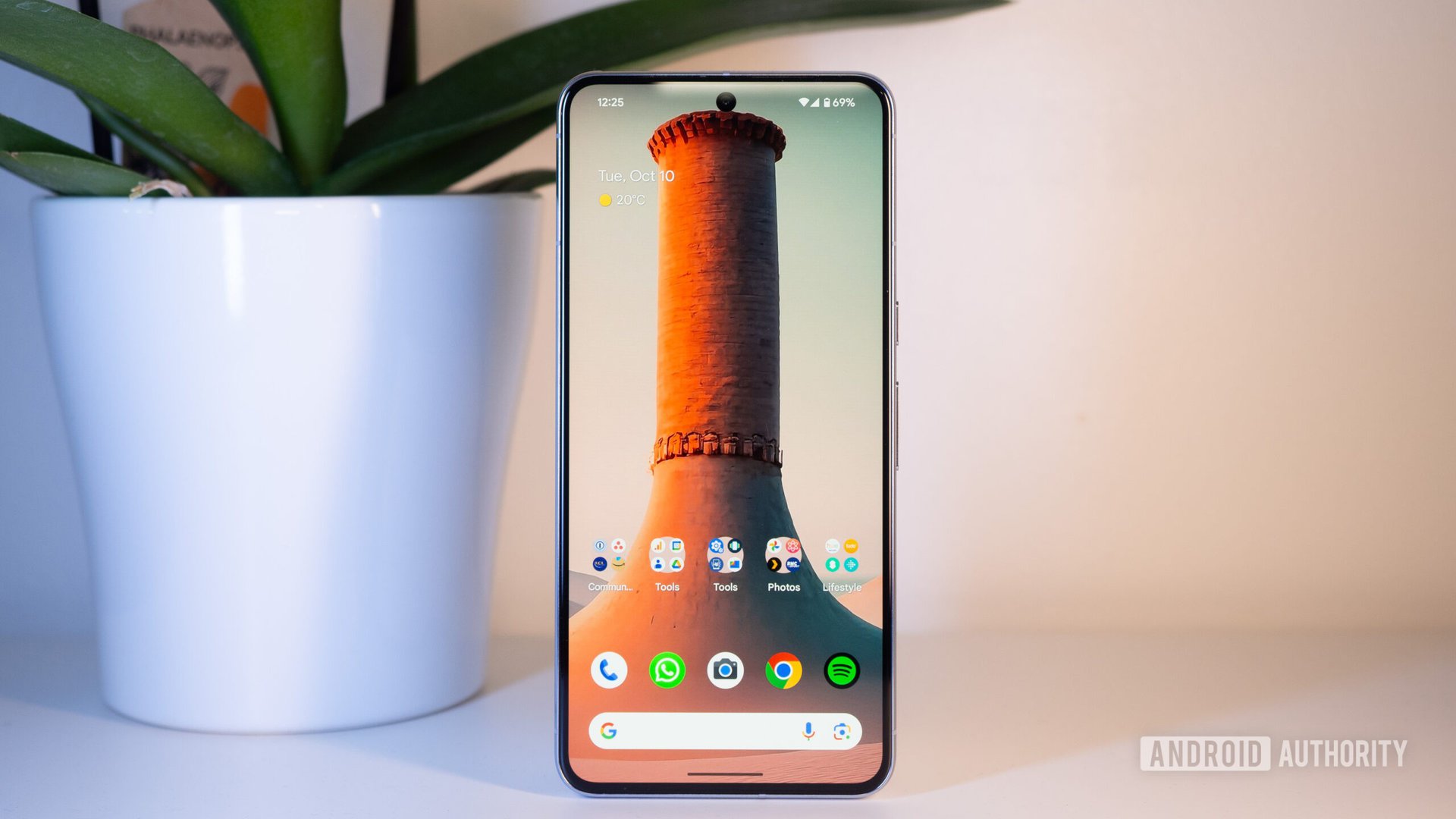
And now, when you look at the Pixel 8 Pro, it’s a phone that was somewhat ahead of its time. It launched with a flat-screen at a point when waterfall displays were still the norm for most Android flagships and kept its comfortably rounded frame while most rivals (and the subsequent
Pixel 9) were shifting towards flat, iPhone-like sides. Google also packed its previous Pixel flagship with a textured back of Gorilla Glass Victus 2, which has aged fingerprint-free, unlike most glossy glass devices.
Google's matte Gorilla Glass Victus 2 back has aged better than most glossy, fingerprint-grabbing competitors.
Everything else I loved about the Pixel 8 Pro back in 2023 still rings true more than a year later. That flat, 120Hz OLED still looks excellent, the curved side rails are still more comfortable to hold than newer, squared frames, and the Pixel 8 Pro offers much better color choices than most competitors. Honestly, I’d take the vibrance of Bay or Mint over the bland creams, grays, and blacks that often come with premium phones.
Of course, there are a few quirks with the Pixel 8 Pro’s design — alright, just one main quirk. Yes, Google introduced a
temperature sensor on the Pixel 8 Pro, much to the confusion of, well, everyone. It’s that extra circle that lives on the camera bar, and I can still count the number of times I’ve used it on one hand. Conveniently, it’s not integral to much of anything, so you can easily buy an older Pixel 8 Pro without ever touching it.
The Pixel 8 Pro still has so many software updates to come
When I started thinking about the older flagship phones I’d recommend, I considered going even further back than 2023. After all, in the grand scheme of things, the Pixel 8 Pro isn’t
that old. But then I remembered that
Android software update commitments only really jumped to Apple’s level in 2023. So, if I wanted to recommend an older Android phone that you could have through the end of the decade, it was 2023 or bust.
Besides, if you’re after a phone that’ll receive both a lot of updates and timely ones, you can’t beat a Google Pixel. Before the Pixel 8 series, the Android flagship standard for software updates hovered somewhere around four or five years — good, but not quite on par with the iPhone.
Excellent update commitments make it hard to recommend a flagship older than 2023.
Then, as Google’s in-house
Tensor chip matured, Google was finally able to raise its guarantee, skipping right over six years and going straight to seven years of Pixel Updates, which cover Android versions, security patches, and feature drops several times yearly. It might not get the same AI-powered features that newer Pixels will, but it’s hard to argue with Google’s well-rounded experience.
Now, both Google and Samsung promise seven years of updates for their respective flagships, but I’m still willing to push the Pixel 8 Pro ahead of its Galaxy competitors for a straightforward reason: Speed. As Android’s chief developer, Google can push updates to its Pixels much faster than other OEMs. Take
Android 15, for example. Google was able to push its latest major update to recent Pixels in October 2024, while Samsung’s Galaxy S24 and Z Flip and Fold 6 are still waiting for it — and probably will be until 2025.
There are, of course, other older phones that offer neat designs and impressive update commitments, but I’d still take the Pixel 8 Pro. I’d reach for its flexible, Tensor-powered cameras, light, smooth software, and reliable overnight charging long before considering anything else. Could I get more raw power out of a phone with Qualcomm’s Snapdragon 8 Gen 2 in it? Sure, I could. I could find an older phone that charges faster than the Pixel 8 Pro, too. However, I’m yet to find another older flagship that still feels as fresh and new as the Pixel 8 Pro and will continue to do so as it receives update after update for years to come.