Updated, enhanced, and purring with Android 15
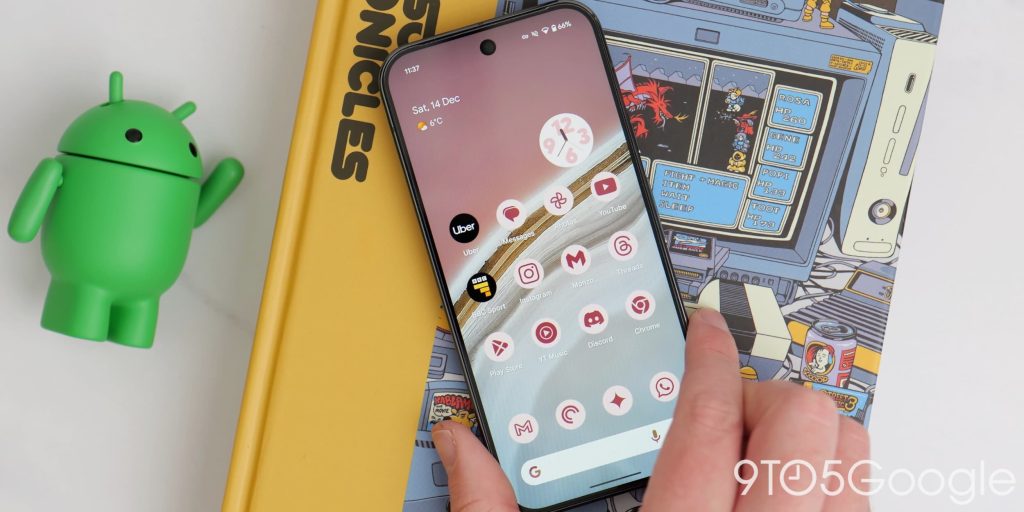
“This “just right” feeling extends to the software experience. Google’s continuous improvements across Android and its apps have resulted in an incredibly refined Pixel experience. This is a better phone than at launch because it practically had two Android overhauls.
One of the big highlights is that Google’s focus on seamless, background-operating features, leads you to increasingly use of features you might otherwise overlook.
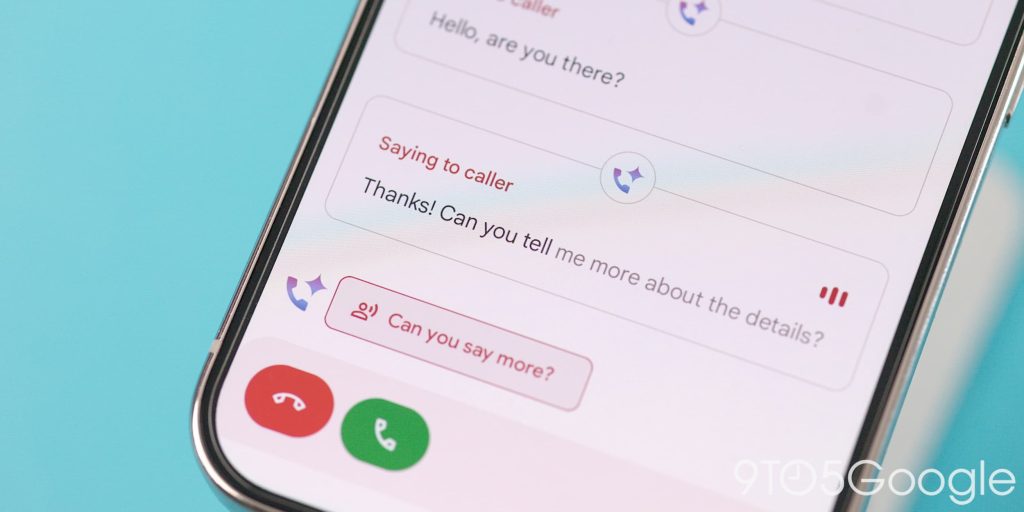
It’s old hat now but a great example of this that has been around for almost a decade is the Now Playing function and how it automatically detects background music. It’s designed to work without input and feels in sync with what a “smartphone” should do. Call Screening answers calls on your behalf and connects only to important ones. The brand-new Pixel Screenshots meticulously organize your screenshots, eliminating manual effort and simplifying future retrieval. It does the legwork and the added analysis – although sometimes spotty – is more often than not a genuine timesaver.
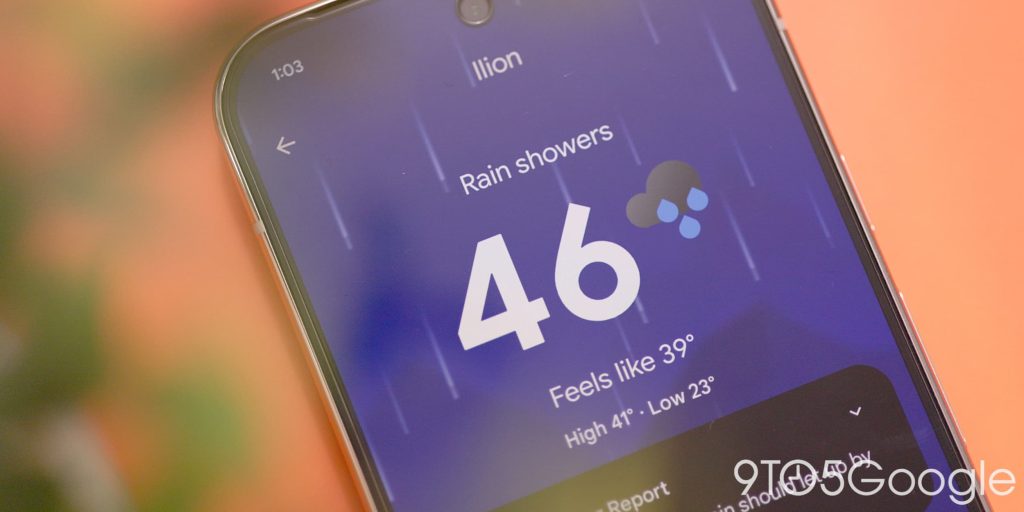
Pixel Weather’s AI-powered weather summaries and precipitation map have proven invaluable for winter snow predictions. It might not be exclusive to the Pixel 9 series anymore, but it’s these things that make a Pixel a Pixel. You might not realize how valuable things are until you switch away.
Praise of these to one side. Some AI features on the Pixel 9 Pro, like Pixel Studio, Add Me, and Reimagine with Magic Editor, rare nice but a little underutilized, feeling more like enthusiast toys than practical tools. Nevertheless, the modern Pixel experience with Android 15 is stable, clean, and thoughtful. It’s a key factor in my continued use, and. as noted, you miss it when using other manufacturers’ devices. While customization options are limited compared to One UI, and feature depth may not match, it’s an OS that’s easy to fall in love with if expectations are tempered.
Google’s Tensor G4 chip is the foundation for these software features. By now, you know full well that this isn’t an out-and-out top-tier chip. Rightly or wrongly, Google’s approach has been slow with its internal chip efforts. That said, this is the first time we’ve had a “competent” chip in all areas since the introduction of the Tensor lineup. We’re tempting fate, but it’s highly unlikely you’ll encounter any significant issues with the Tensor G4.
While it may not handle the most demanding games like Genshin Impact or Warzone Mobile at maximum settings, you’ll still enjoy most games. Overheating in hot temperatures that lead to thermal throttling appear to be gone. Thermals remain stable even with data usage, data performance is more consistent, and battery life is predictable, averaging around 4-5 hours of screen-on time – which is a terrible metric but the best we have.
While faster charging would be desirable, it’s a minor gripe. These were the most significant issues with previous Tensor chips, and their absence is a significant improvement. And, of course, everyday performance is exceptional across social media, content consumption, and other tasks.
It isn’t the best chip, but in context it took Qualcomm a lot longer than 4 years to produce a “competent” and reliable SoC in the early days of Android. Without giving Samsung Foundry and Google a free pass, at least things are in a good place moving into the next generation and the switch to TSMC. The Pixel 9 Pro – and entire 9 series – does well within it’s limitations. The reality is; you’ll probably never notice a difference.
Pleasant experience aside, one of the few complaints that linger is that when testing out some of the suite of Android competitors since the Pixel 9 Pro launched in September 2024, you can see a difference in overall speed when loading and unloading apps. UFS 3.1 storage isn’t “slow” in the traditional sense, but it is noticeable if you have come from a recent OnePlus or Samsung phone for instance. It stills hurts that Google couldn’t give us that upgrade for the Pro lineup this time around. It’s a must for next year.
The full-fat Pixel camera
Since Google decided to split things in 2021, a small Pixel with a complete camera has always felt like the dream. Without exaggerating too much, this has been the best decision in recent years. It’s simply awesome to have your cake and eat it, too.
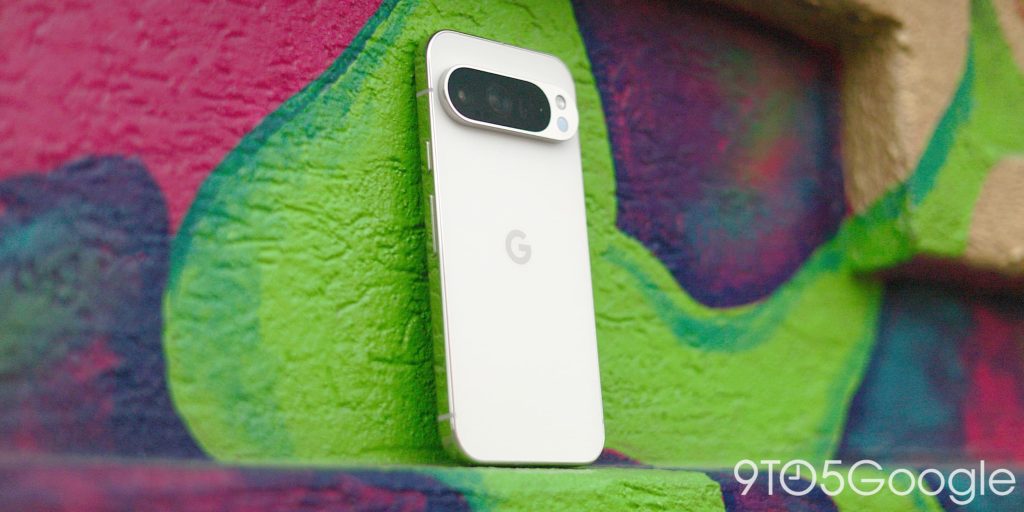
Along with the XL, the Pixel 9 Pro has the most versatile Pixel camera yet. Being able to zoom without compromising still feels like magic on a phone this small.
It has become increasingly clear that Google’s camera lead has been effectively destroyed. By modern flagship Android phone standards, this isn’t the best. It’s barely even “Pro.” Instead, after an extensive period, it’s yet another exceptional “point and shoot” system that shouldn’t let you down no matter the situation. One thing that is obvious, though, is how the signature Pixel look has been diluted. Images are starting to feel more in sync with what other OEMs are doing on their own Android camera systems.
The camera’s ‘manual-lite’ mode simplifies settings adjustments for those less familiar with photography, but we’re still itching for a more in-depth set of controls that let us play around with a solid set of sensors and lenses.
Some issues exist. Nighttime photos still exhibit significant lens flare from background lights, potentially ruining or distracting from the image. This is particularly frustrating, given the camera’s obvious low-light capabilities. Another minor issue is the somewhat abrupt transitions between lenses during zooming. It’s great that Video Boost fixes that problem, but why do we need to process the video before that problem is diminished? It feels like a sloppy way to solve a problem that others have overcome without sending files off to be processed in the cloud.
Another weird quirk that still irks is the stark visual difference between what you see in the viewfinder and what a picture looks like when processed. Is this a limitation of the Tensor chip? Processing is way behind other phones. It dulls the sheen of what often feels like the complete small phone camera experience.
Is the Pixel 9 Pro the best high-end small phone ever?
Lots of people have been clamoring to get hold of a smaller Pixel phones that doesn’t skimp on the extras, the tangible upgrades, and particularly the camera system.
A new form factor poses lots of questions pre-and-post launch that can’t always be answered right away. The addition of Android 15 to the Pixel 9 Pro has added to the allure. It’s a better buy because of the numerous updates. It’s also the perfect contrast to the ballooning behemoth slabs that most Android phones have become in recent years.
It helps that Google has maintained momentum this year and well into its “maturity era.” The Pixel 9 Pro was sold out for a while after launch, and rightfully so. This feels like the best of the bunch this time because it does something different. If anything, the 9 Pro has proven to us that bigger isn’t always better.