https://en.wikipedia.org/wiki/Plate_tectonics
[deep seek ai]:
For
Singapore, the
nearest tectonic plate boundary is the
Sumatra Fault, roughly
600 km away. The
Sunda Trench is about
1,200 km south.
Ancient fault lines discovered in Yishun & Jurong, explained
https://mothership.sg/2018/01/fault-lines-singapore/
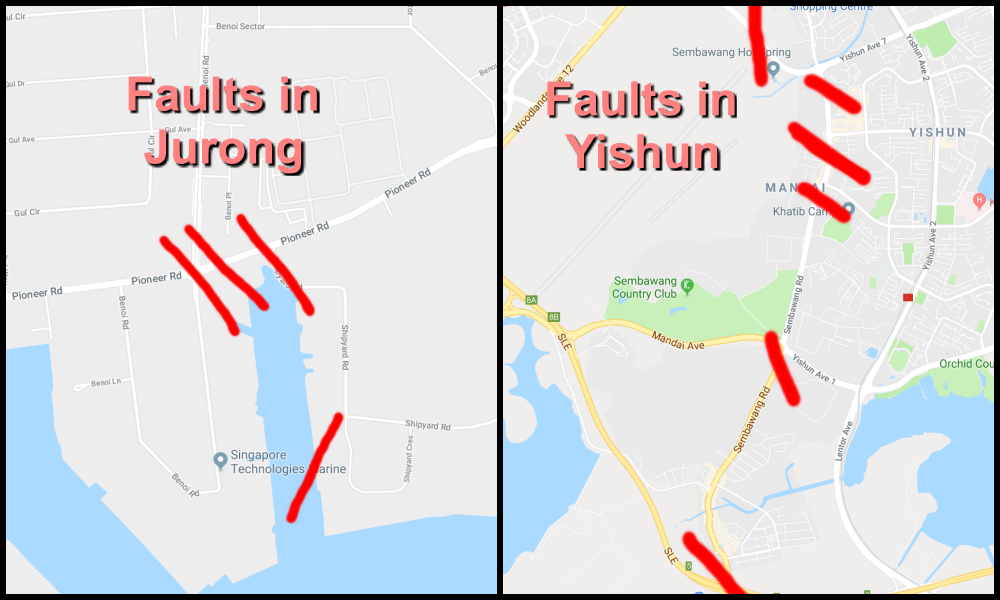
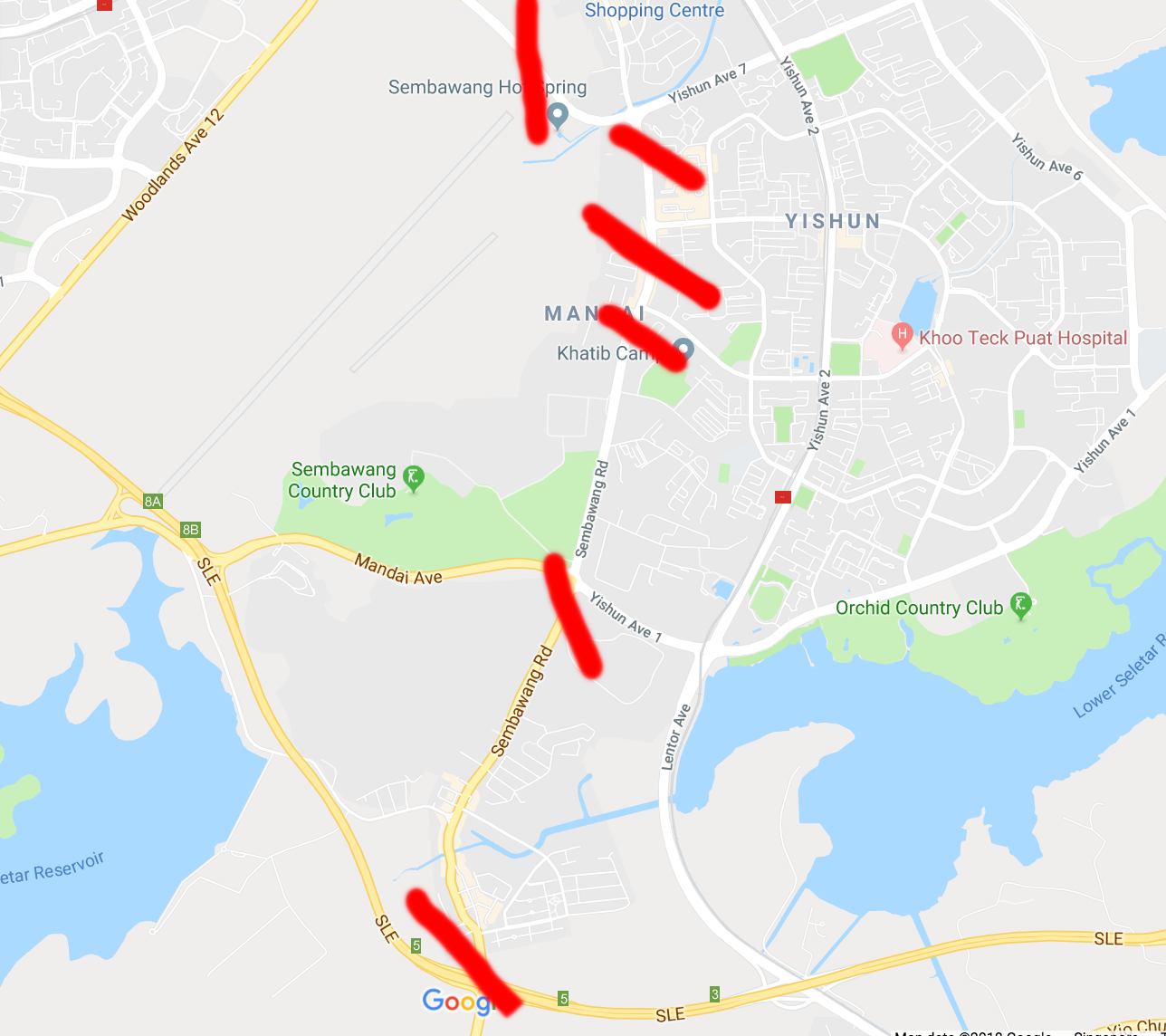
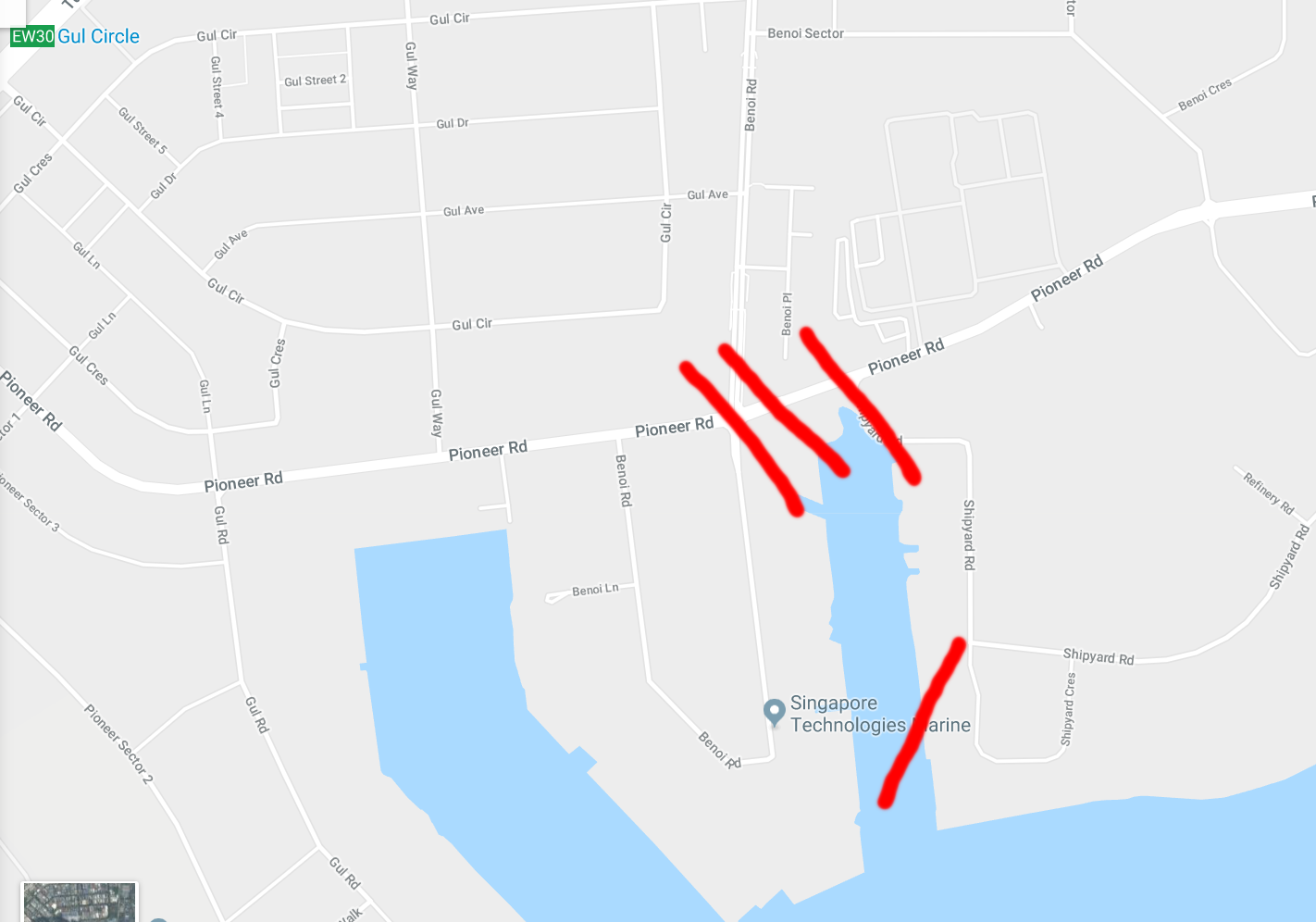
Ancient fault lines that are 200 million years old have recently been discovered in Jurong around Pioneer road, and along Sembawang road in Yishun.
Ancient fault lines are geological fractures that formed during past tectonic activity, often long before the present day, and can still influence the landscape and seismic activity of an area
Other fault lines in Singapore had been found in a few other places years back:
- Tanjong Gedong
- Murai
- Pasir Laba
- Nanyang
- Seletar
- Pepys Road
- Henderson
- Nee Soon
- Ama Keng
Whats with the new ones?
The new ones, discovered by SP Group, were discovered in Jurong around Pioneer road, and along Sembawang road in Yishun.
There are about 10 "new" fault lines, which were discovered progressively between 2014 and 2016.
For example, one of the faults is seemingly near the Sembawang Hot Spring. Maybe this could be a clue to why the spring formed?
The Faults in Our Yishun. Fault locations are estimated. Image adapted via Google Maps.
The Faults in Our Jurong. Fault loactions are estimated. Image adapted via Google Maps.
Oh no! Will we have earthquakes then?
Not really.
However, it is known that Singapore may be somewhat affected by a massive tremor or aftershock,
as we did in 2004, 2007 and 2012.
As these fault lines are not so much due to active seismic lines or tectonic plate activity, disaster flick fans can chill.
We can't discount the fact that if a strong tremor happens, low damage can occur to structures, which includes windows breaking.
Then why should we care about the fault lines?
These fault lines not only caution workers where to safely install the cables, underground caverns and other facilities, but also allow them to discover cool things.
For example,
metatuff rocks, which are essentially compressed from volcanic sediment and ash. It's 200 to 250 million years old.
Maybe to the untrained eye, it's just like any rock, but to researchers and geographers, this could be a historical record in the ground, telling us about how Singapore may have been formed -- since the ash settled there from volcanic eruptions in the region a long time ago. Active volcanoes are present in Indonesia and the Philippines.
Along with the faults, it's a peek into our geographical story, spanning eons.
Are we safe, though?
For the most part, yes.
Our buildings are built to withstand tremors, thanks to the Building and Construction Authority's set of building codes and guidelines that were
established in 2013.



 earthquake in indonesia can also cause a tsunami and sink sg.