jogging and motivation thread

kaisin82

Senior Member
Joined
Aug 22, 2006
Messages
1,545
Reaction score
486
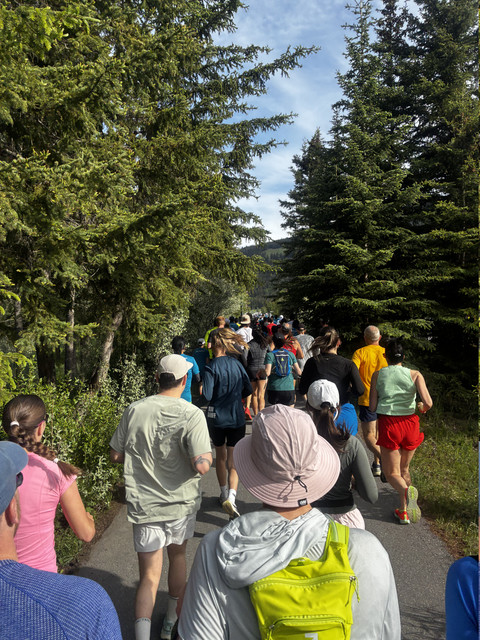
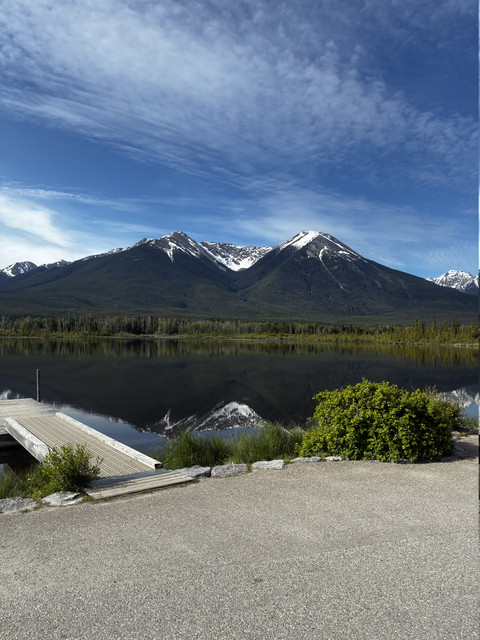
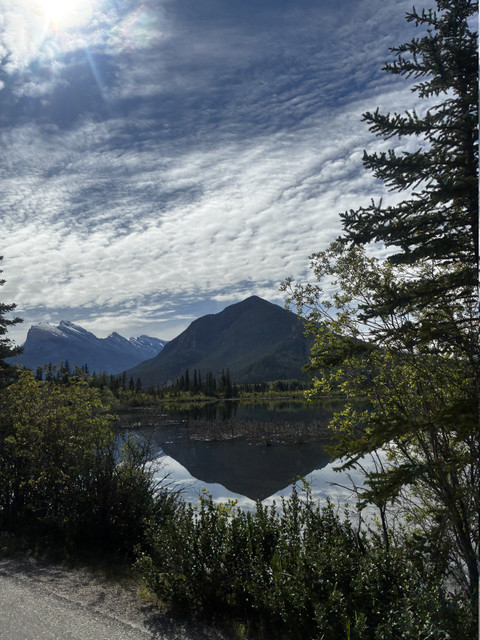
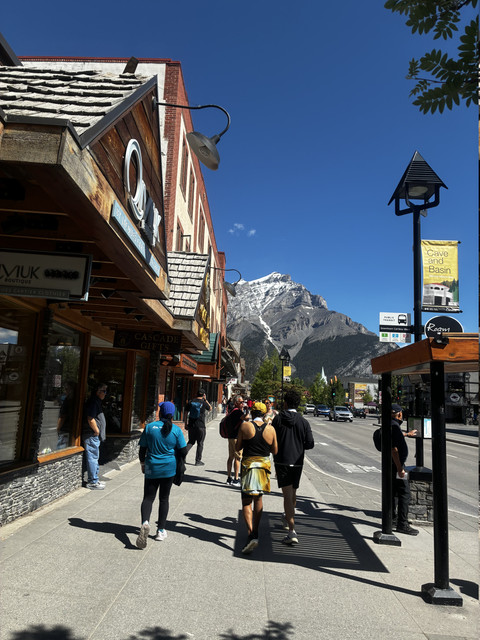
Just finished the half marathon at Banff national park, 7 degrees Celsius, 1380m in elevation, did better than last year’s half marathon (1h52).
This time, I hydrated and fuelled more than I should. Completed at 1h46mins. I’m happy with the results, back in the army, I did a 1hr46 at the army half marathon few decades ago and got one day off so I’m happy with today’s results. There are only 1100 females and 700 males running this half marathon. Hope you guys like the photos.


sph777

Senior Member
Joined
Mar 14, 2019
Messages
1,774
Reaction score
1,776
Just finished the half marathon at Banff national park, 7 degrees Celsius, 1380m in elevation, did better than last year’s half marathon (1h52).
This time, I hydrated and fuelled more than I should. Completed at 1h46mins. I’m happy with the results, back in the army, I did a 1hr46 at the army half marathon few decades ago and got one day off so I’m happy with today’s results. There are only 1100 females and 700 males running this half marathon. Hope you guys like the photos.


Well done!
 

WussRedXLi

Greater Supremacy Member
Joined
Jun 15, 2001
Messages
94,992
Reaction score
11,476
Just finished the half marathon at Banff national park, 7 degrees Celsius, 1380m in elevation, did better than last year’s half marathon (1h52).
This time, I hydrated and fuelled more than I should. Completed at 1h46mins. I’m happy with the results, back in the army, I did a 1hr46 at the army half marathon few decades ago and got one day off so I’m happy with today’s results. There are only 1100 females and 700 males running this half marathon. Hope you guys like the photos.


When the full marathon?
 

WussRedXLi

Greater Supremacy Member
Joined
Jun 15, 2001
Messages
94,992
Reaction score
11,476
haha no more races this year I think, nothing on my plate yet. I'm actually looking at the Johor Bahru runs this June/July if any of you are interested, they have a few night runs, but I got no car leh, need tompang, otherwise a bit hard.

Then good, can start strength training slow and easy progression, then next year you'll crush it.
 

Ender

Arch-Supremacy Member
Joined
Jan 1, 2000
Messages
18,307
Reaction score
7,925
Just finished the half marathon at Banff national park, 7 degrees Celsius, 1380m in elevation, did better than last year’s half marathon (1h52).
This time, I hydrated and fuelled more than I should. Completed at 1h46mins. I’m happy with the results, back in the army, I did a 1hr46 at the army half marathon few decades ago and got one day off so I’m happy with today’s results. There are only 1100 females and 700 males running this half marathon. Hope you guys like the photos.


Swee. A scenic run.
 

xllms

Supremacy Member
Joined
Aug 2, 2001
Messages
9,222
Reaction score
5,105
not sure if this leak is real. Just sharing.
IMG-20260615-124745.jpg
 

xllms

Supremacy Member
Joined
Aug 2, 2001
Messages
9,222
Reaction score
5,105
Just finished the half marathon at Banff national park, 7 degrees Celsius, 1380m in elevation, did better than last year’s half marathon (1h52).
This time, I hydrated and fuelled more than I should. Completed at 1h46mins. I’m happy with the results, back in the army, I did a 1hr46 at the army half marathon few decades ago and got one day off so I’m happy with today’s results. There are only 1100 females and 700 males running this half marathon. Hope you guys like the photos.


well done. The scenary is awesome. Really good natural environment for outdoors activities. Thank you for sharing.
 

WussRedXLi

Greater Supremacy Member
Joined
Jun 15, 2001
Messages
94,992
Reaction score
11,476


[00:00]

Overview of Creatine and Its Role Under Stress​

  • A healthy brain typically does not require creatine supplementation. However, during metabolic stress—such as stress, sleep deprivation, night shift work, or intense cognitive demands (e.g., university exams)—the brain’s creatine needs increase significantly.
  • Creatine supplementation becomes critical when the brain is under metabolic stress, with suggested dosages increasing corresponding to the level of stress.
  • There are no known populations that categorically shouldn’t take creatine; safety is well confirmed in research.
[00:25]

Safety, Usage, and Populations for Creatine​

  • The speaker has published over 120 papers and conducted 30-40 studies on creatine, finding no group that cannot take it as recommended.
  • Creatine supplementation has potential anti-cancer properties, accelerates rehabilitation processes, and holds promising results particularly in conditions like Alzheimer’s disease.
  • For children, at least 1 gram per day is suggested to optimize bone health and muscle development.
  • Creatine, discovered in 1832, was initially overlooked but now is recognized for its multiple profound health benefits that extend beyond muscle performance.
[01:10]

Common Myths About Creatine (Revealed and Debunked)​

  • Myth 1: Creatine causes hair loss → False. Hair loss was present before creatine use; no direct evidence links creatine to hair follicle loss.
  • Myth 2: Creatine causes kidney damage → False. Elevated creatinine levels in blood tests during creatine supplementation often lead to false positives due to metabolite breakdown, but randomized controlled trials show no harmful kidney effects.
  • Myth 3: Creatine leads to water retention → Partially true only if large loading doses (20-30 g/day) are taken abruptly, causing short-term water retention. Maintenance doses (3-5 g/day) do not cause this effect, and water entering muscles actually stimulates protein synthesis and muscle growth.
  • Myth 4: Creatine is only for men → False. Females respond robustly, showing improvements in strength, endurance, lean mass, and bone health.
  • Myth 5: Creatine causes muscle cramps → False. Creatine actually helps hydrate muscles and reduce cramping risks, especially in hot conditions.
[05:00]

Physiological Role and Production of Creatine​

  • Creatine is essential in maintaining cellular energy currency (ATP) during high-intensity activities like weightlifting and sprinting.
  • The body produces about 1 to 3 grams/day, only in the liver and brain, but 95% of creatine is stored in skeletal muscle.
  • Dietary creatine, primarily from animal-based foods such as red meat and seafood, supplements endogenous production.
  • Vegans and vegetarians typically have lower dietary creatine intake but respond very well to supplementation.
  • Due to dietary and metabolic limitations, many individuals are likely not optimally saturated with creatine, especially those with higher metabolic stress or restricted animal product consumption.
[07:20]

Prevalence and Current Trends in Creatine Usage​

  • Creatine use has increased, but consumption remains low in women (~3%).
  • Despite evidence supporting creatine’s benefits, myths and misunderstandings contribute to suboptimal uptake.
  • Creatine has become the most researched ergogenic aid, surpassing protein and caffeine.
[08:30]

Detailed Myth Debunking​

MythFact Summary
Creatine damages kidneysElevated creatinine often misinterpreted; no kidney harm in healthy individuals at recommended doses.
Creatine causes water retentionLoading doses cause transient water retention; maintenance doses increase intracellular water beneficially.
Creatine only for menFemales experience similar or better benefits including strength, endurance, lean mass, and bone health.
Creatine causes hair lossEarly studies showed an increase in DHT hormone but no direct evidence of hair follicle loss; recent studies negate hair loss concerns.
Creatine causes muscle crampsCreatine hydration reduces cramping; dehydration-related cramps decreased with creatine.
[14:00]

Creatine’s Impact on Muscle Performance and Gains​

  • Creatine supplementation improves training volume—increasing load, reps, and sets performed during weight training.
  • Muscle creatine levels remain elevated for about one month after stopping supplementation, allowing benefits to persist temporarily.
  • Creatine enhances muscle recovery and training capacity, enabling athletes to train harder, longer, and more frequently.
  • Gains in lean mass after about 6 weeks of creatine supplementation average approximately 0.86 kg, mostly in lean tissue, which includes muscle, water, connective tissue, and organs (~50% of lean mass is muscle).
  • Creatine also decreases muscle protein breakdown, promoting greater net muscle gain when combined with resistance training.
[17:13]

Effective Dosage for Muscle and Safety​

  • Typical effective dose for skeletal muscle benefits is about 5 grams per day (one scoop).
  • Loading phases (20 g/day for ~5 days) rapidly saturate muscle but may cause gastrointestinal discomfort; regular maintenance dosing is sufficient.
  • Creatine is safe over long-term use and across all ages; individuals with pre-existing medical conditions should consult physicians.
  • Pregnant women’s safety profile is under study, though current evidence suggests relative safety.
[20:00]

Types and Quality of Creatine​

  • Creatine monohydrate is the most researched, safest, and effective form, despite marketing of newer variants (e.g., creatine hydrochloride).
  • Quality markers to look for:
    • Creapure® (a German-made creatine monohydrate brand)
    • Third-party certification (NSF, Informed-Sport, etc.) to ensure purity and absence of contaminants like heavy metals.
  • Avoid creatine supplements lacking third-party certification due to potential product quality issues including absence of creatine in some products.
[22:30]

Dosing Strategies and Side Effects​

  • Creatine can be taken daily or only on training days, but daily dosing ensures consistent tissue saturation including brain and other tissues.
  • Some individuals experience mild side effects such as lightheadedness or jitteriness when taking high doses on an empty stomach, possibly due to creatine’s role as a methyl scavenger affecting adrenaline synthesis.
  • Micro-dosing (small doses spread multiple times a day) improves tolerability and avoids side effects like water retention and gastrointestinal issues.
  • Creatine is generally tasteless and can be mixed with various beverages including water, yogurt, juice, or coffee (caffeine < 350 mg is considered safe with creatine).
[25:50]

Creatine Dose Considerations for Bone and Brain Health​

Target TissueTypical Effective DoseNotes
Muscle3 – 5 g/dayBenefits for muscle size and performance well-established with resistance training.
Bone8 – 12 g/dayRequires exercise; reduces rate of bone mineral density loss, especially in postmenopausal women; not an osteoporosis cure but beneficial for maintenance.
Brain10 – 20+ g/day (variable)Healthy brains may require no extra supplementation; stressed brains (sleep deprivation, mental stress) benefit from higher doses (20+ g/day acutely).
  • Bone benefits are only observed when combined with weight-bearing exercise. Mechanism involves stimulation of bone-building cells (osteoblasts) and suppression of bone-resorbing cells (osteoclasts), resembling effects of bisphosphonate drugs.
  • The brain naturally synthesizes creatine but uses ~20% of body’s resting energy; under stress or sleep deprivation, supplementation at doses of 20-30 g/day may overcome blood-brain barrier limitations to maintain cognitive function.
[28:50]

Brain Creatine Supplementation and Cognitive Benefits​

  • Creatine crosses the blood-brain barrier inefficiently; higher supplemental amounts are needed during metabolic stress such as sleep deprivation, shift work, or intense cognitive load.
  • Studies show that 20–30 g/day creatine during acute sleep deprivation can raise brain creatine levels and partially offset cognitive decline.
  • Cognitive tasks like the Stroop test (which measures executive function, attention, and cognitive fatigue) demonstrate improved speed and accuracy with creatine during sleep deprivation and prolonged mental effort.
  • Brain creatine supplementation does not cause noticeable subjective effects but improves performance on demanding mental tasks, particularly under stress.
[40:00]
 

WussRedXLi

Greater Supremacy Member
Joined
Jun 15, 2001
Messages
94,992
Reaction score
11,476

Inflammation, Neurodegenerative Diseases, and Mental Health​

  • Creatine exerts anti-inflammatory effects, particularly noticeable during prolonged endurance events (e.g., Ironman triathlons)—reducing exercise-induced inflammation and muscle damage markers.
  • In neurodegenerative conditions like Alzheimer’s disease, creatine supplementation (20 g/day for 8 weeks) increased brain creatine levels by 11% and led to modest improvements in memory and cognition, alongside muscle strength gains.
  • Adds promise as an adjunct treatment in clinical depression and anxiety when combined with standard therapies (SSRIs, CBT). Creatine enhances brain bioenergetics, neurotransmission, and increases Brain-Derived Neurotrophic Factor (BDNF), which aids brain plasticity.
  • Large dietary studies link low dietary creatine intake with increased depressive symptoms.
[45:00]

Dietary Sources of Creatine​

  • Primarily in animal-based foods: herring and salmon have high creatine concentrations, followed by beef and poultry.
  • Milk and dairy contain minimal creatine, thus insufficient for supplementation purposes.
  • Vegetarians and vegans are prone to lower baseline creatine stores but benefit strongly from supplementation.
[46:00]

Sleep and Creatine​

  • Creatine supplementation was linked to about 1 hour longer sleep duration on training days in young female athletes, possibly due to enhanced brain bioenergetics and recovery capacity.
  • Sleep improvement with creatine is promising but requires further replication.
[47:00]

Weight Training’s Importance and Relation to Creatine​

  • Weight training is described as the “hammer” in the health toolbox—offering comprehensive benefits including muscle strength, lean mass, improved mitochondrial health, and cardiovascular benefits.
  • It is considered superior to cardio alone due to its ability to maintain and build muscle, which cardio cannot fully achieve.
  • Recommended weight training frequency is 2 days or more per week, with whole-body routines being effective.
  • The decline in muscle mass and strength with aging (sarcopenia) accelerates after age 40 at approximately 1% loss per year in sedentary individuals, preventable or attenuated with resistance training and creatine supplementation.
  • Combining creatine with weight training and adequate protein intake enhances muscle mass gains and overall strength.
[53:00]

Protein and Nutrition​

  • Protein intake recommendations: around 1.2 to 1.6 g/kg body weight daily is generally adequate for most people, with higher intakes (up to ~1 g/lb) advised for very intense training.
  • Excess protein beyond needs does not necessarily increase muscle gains—used in other bodily functions.
  • Most people, including vegetarians and vegans, can meet protein needs through diet but may require more careful planning for essential amino acids.
[56:00]

Special Populations: Children, Menopause, Pregnant Women​

  • Children and adolescents benefit from at least 1 g/day creatine to support bone health and muscle development; evidence supports safety in this group.
  • Creatine shows positive effects during menopause by countering declines in estrogen-related creatine metabolism affecting brain and muscle.
  • Safety during pregnancy is under research, with promising but preliminary human trial data indicating no major concerns.
[57:00]

Supplementation Considerations and Compliance​

  • Consistent daily intake is recommended for best results.
  • Micro-dosing and spreading creatine supplementation throughout the day can improve tolerability and reduce side effects.
  • Practical advice for habit formation includes keeping creatine visible and accessible (e.g., near coffee machine or desk).
  • Creatine effects accumulate over weeks; immediate effects are not typical unlike caffeine. Muscle saturation occurs in approximately 30 days.
[01:00:00]

Landmark Studies & Personalized Dosing​

Study/ConceptKey Finding
1992 Landmark Study5 g doses raise creatine levels; multiple doses maintain saturation throughout the day.
Minimum Effective Dose3 g daily effective to saturate muscle within a month.
2-year Study in Post-Menopausal Women14 g/day creatine with exercise preserved bone and improved muscle function.
Individualized Dose ConsiderationLarger individuals and those under stress may require higher doses scaled by body weight and condition.
[01:02:00]

Other Supplements Taken by Expert​

  • Probiotics (morning and night), magnesium (two forms, daytime and nighttime), vitamin D (2000 IU), protein (powder and food sources), omega-3 fatty acids (4 g/day, post-exercise supplementation preferred).
  • Occasionally iron supplements and multivitamins for general health and safety net.
  • Monitoring emerging supplements like NAD precursors due to their role in metabolism and aging.
[01:07:00]

Future Research and Personal Reflections​

  • Significant interest in head trauma (concussion, CTE) prevention via creatine prophylaxis, based on animal studies.
  • Research continues due to unanswered questions about optimal dosing, timing, and long-term brain effects.
  • Personal motivation: fear of aging and death drives curiosity and research focus, aiming to improve health span (quality of life during aging), not just lifespan.
  • Emphasizes the holistic health approach including exercise, nutrition, sleep, and laughter.
[01:10:00]

Final Key Insights and Recommendations​

  • Creatine is a safe, potent, multifaceted supplement supporting muscle, bone, brain, and metabolic health.
  • Weight training remains the foundational exercise modality with creatine as a powerful adjunct in the health toolbox.
  • Although creatine supplementation alone isn’t a cure-all, it is a valuable component of an overall health strategy to promote longevity and disease-free aging.
  • Dosage should be individualized based on age, body size, diet, and metabolic stress level, with a general baseline of 5-10 g/day for muscle and bone and higher (up to 20-30 g/day acutely) under brain stress conditions.
  • Creatine benefits accumulate over weeks and are often subtle but significant in improving training capacity, recovery, cognitive performance under stress, and overall functional ability.
  • Consumers should seek high-quality, third-party tested creatine monohydrate supplements to ensure efficacy and safety.

Summary Table: Creatine Dosing Recommendations by Target and Condition​

Target Organ/SystemRecommended Daily DoseAdditional Notes
Skeletal Muscle3 – 5 gMaintenance dose effective; loading phase optional
Bone Health8 – 12 gRequires concurrent weight-bearing exercise
Brain (Healthy baseline)Not generally requiredBrain synthesizes own creatine
Brain (Metabolically Stressed)20 – 30 g (acute loading)Sleep deprivation, shift work, cognitive demand
Children (Adolescents)≥1 gSupports development, safe at recommended doses
Post-Menopausal FemalesHigher end for bone & muscleAddresses estrogen-related creatine metabolism decline

Core Concepts and Keywords​

  • Creatine: Endogenous metabolite aiding cellular energy (ATP) recycling.
  • ATP (Adenosine Triphosphate): Primary energy currency in cells.
  • Blood-Brain Barrier: Limits creatine passage into brain; higher supplementation needed under stress.
  • Sarcopenia: Age-related loss of muscle mass and strength.
  • Resistance Training: Key exercise modality to maintain muscle mass and function.
  • Loading Phase: Short-term high dose to rapidly saturate muscles, not essential but expedites effects.
  • Micro-dosing: Small doses spread throughout the day to improve tolerance.
  • Inflammation: Chronic low-level inflammation associated with aging; creatine has modest anti-inflammatory effects.
  • BDNF (Brain-Derived Neurotrophic Factor): Protein involved in neuronal plasticity enhanced by creatine.
  • Safety and Quality: Priority in supplement selection, CREAPURE®, NSF certification recommended.

Closing Remarks​

Creatine supplementation represents a well-researched, effective tool to support metabolic health, especially under stress conditions. Together with evidence-based exercise programs and balanced nutrition, creatine supplementation has the potential to extend health span and improve quality of life across the lifespan, including in children, athletes, older adults, and vulnerable clinical populations. Continued research will refine dosing protocols and expand therapeutic applications.
 

Ender

Arch-Supremacy Member
Joined
Jan 1, 2000
Messages
18,307
Reaction score
7,925
Good comparison. Feidian 6E better shoes for faster runner. Maybe sub3 for FM. But horribly unstable for slower runners especially those with certain running mechanics like me. He mentioned mid foot striker most susceptible.
Plaid 3 safer for sub 4 runners.


Kuudere

High Supremacy Member
Joined
Nov 4, 2016
Messages
25,939
Reaction score
17,182
They discontinued the loyalty programme and have no early bird price, quite messed up actually
This was when I last posted in April 27.

I am now in the taper phase of pfitz 18 weeks/55 mile plan.

@Ender Story time :ROFLMAO:

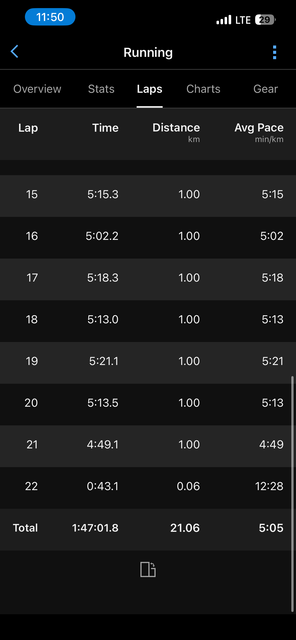
1st 32k ran at May 9: I ran it in cloudy weather with no sun, 5.40 min/km. At that time, I was thinking there was no chance to even break MP because none of my km I ran was anywhere close to my MP.

2nd 32k ran at May 16: I ran this entirely in the rain, 5.23 min/km. I got in the last 2k at MP. My shoes were drenched from puddle.

3rd 32k ran at May 27: I ran this during the Hari Raya Haji Holiday, 5.10 min/km, warm weather. Last 3k at faster than MP.

Screenshot-2026-06-15-202441.png


This is my final 32k run.

That same week, I ran 110k/week.

Mon: 5 x 600m (90s rest): Total 11.2k with warm up and cooldown
Tue: Strength training
Wed: (AM) 32k long run (PM) 8k recovery run
Thur: 10k recovery
Fri: 10' x 3 (1 min rest): Total 9.2k with warm up and cooldown
Sat: 19k medium long run
Sun: (AM) 10k recovery run (PM) 10k recovery run

This was my peak week.

My learning point:

1. It's possible to achieve 110k off 6 days of running. I believe pfitz plan 12/70 and 18/70 has that already.

2. I wouldn't do doubles off long run or hard run (AM) followed by easy/recovery run (PM) again. I learnt my lesson.

3. The most I can see myself doubling now is 15/15 or 10/20, no more than 30k unless my fitness improves tremendously.

4. Strength training is important to handle high mileage, but if you chase high mileage and do doubles, you might struggle to find time for running. My solution to this is to focus on building strength during base building (<100k weeks). And then slowly substitute the strength training for running. Gold standard probably be 2 hours of weekly strength training.

5. You need to increase mileage where you don't lose sleep. Get in minimally 7 hours per day of rest. 8 hours is optimal. And naps throughout the day (1-2) on weekends.

6. Adding on to point 5, my sustainable ceiling with a full-time office job is probably around 100km/week. I can occasionally hit 110km/week if I reduce rest days to one. Beyond that, every additional rest day probably requires another ~10km of running spread across the remaining days. With no work-from-home flexibility, recovery time becomes the main constraint rather than fitness.

7. I also started taking multivitamins or supplements, such as iron since it's very helpful for running due to foot strike hemolysis.

What is next for me:

1. Gold Coast Marathon: Let's see how things go, I did what I can already, the rest is up to taper/race day.
2. IPPT: 1 month prep using a 3k workout plan
3. Decathlon 10k: Early season race to gauge HM fitness
4. Dec/Jan: Likely will run HM or another M, let's see how GCM goes first :LOL:
 

Ender

Arch-Supremacy Member
Joined
Jan 1, 2000
Messages
18,307
Reaction score
7,925
This was when I last posted in April 27.

I am now in the taper phase of pfitz 18 weeks/55 mile plan.

@Ender Story time :ROFLMAO:

1st 32k ran at May 9: I ran it in cloudy weather with no sun, 5.40 min/km. At that time, I was thinking there was no chance to even break MP because none of my km I ran was anywhere close to my MP.

2nd 32k ran at May 16: I ran this entirely in the rain, 5.23 min/km. I got in the last 2k at MP. My shoes were drenched from puddle.

3rd 32k ran at May 27: I ran this during the Hari Raya Haji Holiday, 5.10 min/km, warm weather. Last 3k at faster than MP.

Screenshot-2026-06-15-202441.png


This is my final 32k run.

That same week, I ran 110k/week.

Mon: 5 x 600m (90s rest): Total 11.2k with warm up and cooldown
Tue: Strength training
Wed: (AM) 32k long run (PM) 8k recovery run
Thur: 10k recovery
Fri: 10' x 3 (1 min rest): Total 9.2k with warm up and cooldown
Sat: 19k medium long run
Sun: (AM) 10k recovery run (PM) 10k recovery run

This was my peak week.

My learning point:

1. It's possible to achieve 110k off 6 days of running. I believe pfitz plan 12/70 and 18/70 has that already.

2. I wouldn't do doubles off long run or hard run (AM) followed by easy/recovery run (PM) again. I learnt my lesson.

3. The most I can see myself doubling now is 15/15 or 10/20, no more than 30k unless my fitness improves tremendously.

4. Strength training is important to handle high mileage, but if you chase high mileage and do doubles, you might struggle to find time for running. My solution to this is to focus on building strength during base building (<100k weeks). And then slowly substitute the strength training for running. Gold standard probably be 2 hours of weekly strength training.

5. You need to increase mileage where you don't lose sleep. Get in minimally 7 hours per day of rest. 8 hours is optimal. And naps throughout the day (1-2) on weekends.

6. Adding on to point 5, my sustainable ceiling with a full-time office job is probably around 100km/week. I can occasionally hit 110km/week if I reduce rest days to one. Beyond that, every additional rest day probably requires another ~10km of running spread across the remaining days. With no work-from-home flexibility, recovery time becomes the main constraint rather than fitness.

7. I also started taking multivitamins or supplements, such as iron since it's very helpful for running due to foot strike hemolysis.

What is next for me:

1. Gold Coast Marathon: Let's see how things go, I did what I can already, the rest is up to taper/race day.
2. IPPT: 1 month prep using a 3k workout plan
3. Decathlon 10k: Early season race to gauge HM fitness
4. Dec/Jan: Likely will run HM or another M, let's see how GCM goes first :LOL:
Looks like you are handling the Pfizinger plan well, the after 32km wall for your GCM should be no problem. When I did the entry Pfizingerplan, I managed to run all thru the 42km without stopping. Even can up tempo to 5:20 at the last two Km. Pfitzinger really built the resilience for repetitive stress over FM by having multiple single long ssessions runs.

If you finished the plan, you would have at least have 4 or more >32km runs. Very well prep for meeting the wall. You might set a high bar for your first FM..lol.
 

WussRedXLi

Greater Supremacy Member
Joined
Jun 15, 2001
Messages
94,992
Reaction score
11,476
6. Adding on to point 5, my sustainable ceiling with a full-time office job is probably around 100km/week. I can occasionally hit 110km/week if I reduce rest days to one. Beyond that, every additional rest day probably requires another ~10km of running spread across the remaining days. With no work-from-home flexibility, recovery time becomes the main constraint rather than fitness.

7. I also started taking multivitamins or supplements, such as iron since it's very helpful for running due to foot strike hemolysis.


Good point raised.

Actually i feel these topics in nutrition/recovery are not often discussed enough....... recently (after CNY period) i feel the recent boost was due to just changes and tweaks to my recovery....be it big or small. My so-called training did not change at all and is more or less what i can do wrt my lifestyle schdule. Any nutritional deficiency, from carbs to proteins to micronutrients, can really hamper recovery, which is basically the other 50% of the equation.


eg your said iron....the incidence of some sort of iron deficiency in women is as high as 50% doing marathon training with high mileage.

Especially so that you all running long distance, must take lah.....esp if not really paying attention to diet. Esp zhar boh which is higher risk than men, or if 100% eating out and predominantly hawker food. Unless if taking sufficient meat + liver (eg cai png). For me, i am taking 2-3x a week 10mg (very safe), in addition to diet food, in which i'd take at least 2 times a week liver from cai png.
But i get it, some dont like pork liver from cai png due to smell, and that is a legit thingy. Luckily my cai png store cooks it pretty decent esp my 11.30 lunch time when it is still pretty fresh from the wok as they usually cook it at 10-10.30am.


For shorter distances not so terok. For 3k 5k i think can chill, largely non-issue as far as chronic deficiency is concerned.

If one is really afraid of "anyhow taking supplements" esp since iron is not a totally benign supplement, just check FBC even if dont wanna pay for iron panel, more or less can get the story liao even if FBC is not definitively diagnostic by itself. Just talk to your GP.
But of coz, if one's Hb is in the single digits on your full body checkup test, then no need simi iron panel ordered by a specialist, "Houston, we REALLY have a problem". :ROFLMAO: Anyway the GP consulation in the body checkout test also def would flag this out, unless if you skip the consulation after results come out.


Other than sleep (recovery), any of these these deficiencies and similar hampers recovery and performance adaptations, which is just as important as the training itself


edit - this article mentioned as high as 56% :oops: for those really into some sort of competitive running, maybe they mean with some decent goals and not suka suka runners.

https://runnersconnect.net/iron-deficiency-in-runners/
 
Last edited:
Important Forum Advisory Note
This forum is moderated by volunteer moderators who will react only to members' feedback on posts. Moderators are not employees or representatives of HWZ Forums. Forum members and moderators are responsible for their own posts. Please refer to our Community Guidelines and Standards and Terms and Conditions for more information.
Top