hard to discuss on here especially since there's no science or hard data to back this up. consider the folowing:
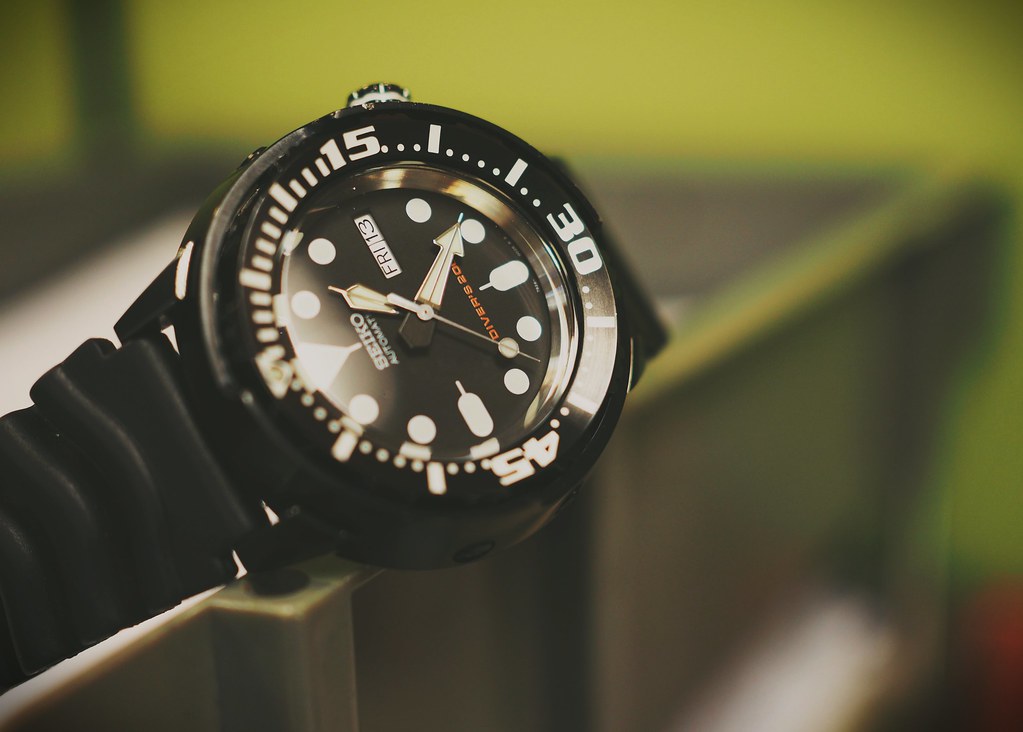
- many daily beater seikos go along just fine for 10-20 years without scheduled servicing. if it does usually its a common part that is designed to fail, seldom a totally lost cause.
- synthetic oils of today don't just dry up or expire after 5 years with no trace in a sealed sterile environment (from factory). this is no car engine, no extreme temps to deal with and no contaminants to constantly clean. its a precisely engineered instrument.
- synthetic oils of today are excellent. as are material purity and engineering specs and tolerances.
- servicing won't detect many problems if the watch is still within specs, manufacturers still can't explain failures for regularly serviced watches
- even more so for local service centres who seem to be efficiency oriented. even profit motivated. don't get me wrong - if i lived in europe i'd glad let them take my money for regular servicing.
the point about the high costs of low-supply parts is just something you have to accept; kinda like owning a ferrari requiring a costly clutch change every 10k KM or so.
however i do track my watches to ensure that they are within specs - variance of up to 25sec a day for two days - going so far as to sync it to the second against my PC or smartphone time. once the timing is off, time for a visit. its something i enjoy doing though...for others i can see why just sending it to the service centre provides peace of mind.