ondooy
Arch-Supremacy Member
- Joined
- Apr 9, 2012
- Messages
- 11,026
- Reaction score
- 1,227
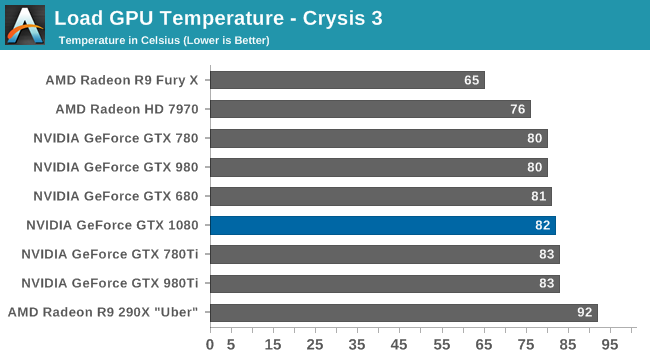
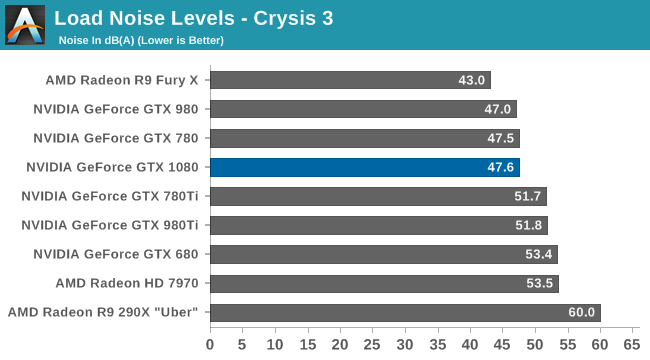
It should go without saying that Nvidia has got a killah card here with the GeForce GTX 1080 and, as such, it does come recommended. This little spawn of the Devil himself offers terrific performance, and it offers a nice boost coming from the GTX 980 and is even a good notch faster compared to the 980 Ti and Titan X. However, if you have such a 980/980 Ti/Titan X you probably are not going to upgrade. It's the owners of the GPU generation before that or 970 and lower that will benefit from a product like this the most. The new architecture proves its agility and the die shrink to 16 nm FiNFET shows low power consumption due to lower voltages and obviously the high clock-speeds and that GDDR5X memory offer the complete package that the GTX 1080 is. Depending on street prices you can expect a 599 USD/EURO price tag if you steer away from the, what I find to be a too expensive, Founders Editon card. If you stick to the WHQD 2560x1440 domain this is the card that will last you years to come. For long-term Ultra HD usage (high FPS) however the answer still needs to be found in two cards. But hey, if WHQD is your domain then the GeForce GTX 1080 is a rather future proof product with that proper 8GB graphics memory. Obviously, and I already mentioned this clearly, that alone does not justify a price tag at this level, even the 599 USD/EURO price tag I find to be rather high for a product that needs to replace the GTX 980 as remember, this is a high-end, not enthusiast class product. We'll need to wait and see how severely the GeForce GTX 1070 is going to get limited (or not), Nvidia clearly did not share specs so they can adapt last minute to the media, market and consumer responses. But price/performance wise an 8 GB GeForce GTX 1070 will make much more sense at a starting price of 379 USD. Pricing aside, the performance level the 1080 offers, based on a single GPU configuration, simply is downright spectacular. Keep in mind that today we tested a Founders Edition card, the reference product. The board partners will ooze out factory tweaked products that might run 20% faster, and that's where things get really serious as far as I am concerned, just as long as that price doesn't shoot into the stratosphere. If you game at 2560x1440 (WQHD) then you are covered with 8 GB, it is just the perfect number for graphics memory if you ask me. The Founders Edition itself then, it's a great card that rocks hard and does so while hardly making any noise and stays at OK temperatures. You will be hovering at that familiar 80 degrees C under heavy load though. Armed with some new features like SMP (Simultaneous Multi-Projection) the Nvidia GeForce GTX 1080 is a great graphics card that will have no problem rendering away hard in the toughest PC games with grand image quality settings. For display output options you are covered for years to come as well. Price wise of course I said enough. And hey, I do have to remark this remains to be in the high-end domain. It's a product that will "love you long time" PC gaming wise, as all hardware variables tick the right boxes. Priced steep for sure, but definitely recommended and we cannot wait to see all the board partner cards. Well, that and the GeForce GTX 1070 of course
Nvidia’s GeForce GTX 1080 delivers incredible performance at a particularly opportune time. While the GeForce GTX 980 Ti and its principal competition, AMD’s Radeon R9 Fury X, both achieve playable frame rates at 4K, they still force you to either compromise quality or add a second GPU for the kind of performance high-end gamers want to see.
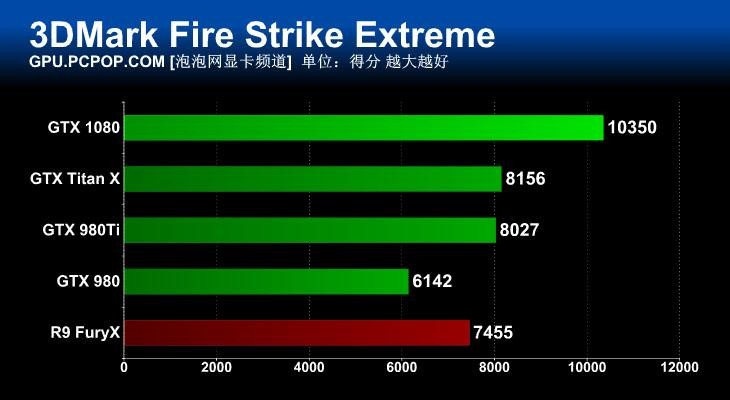
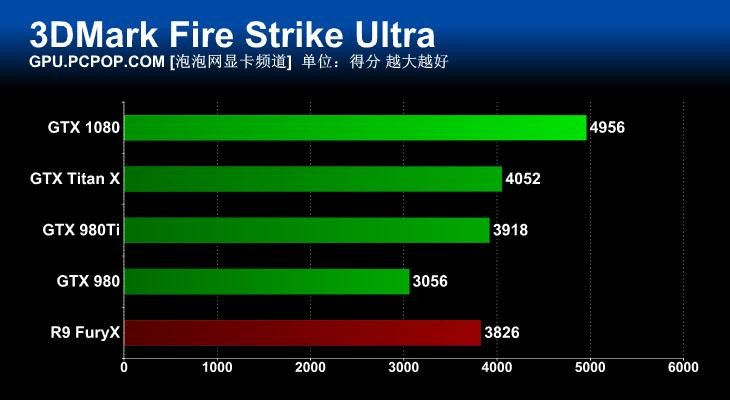
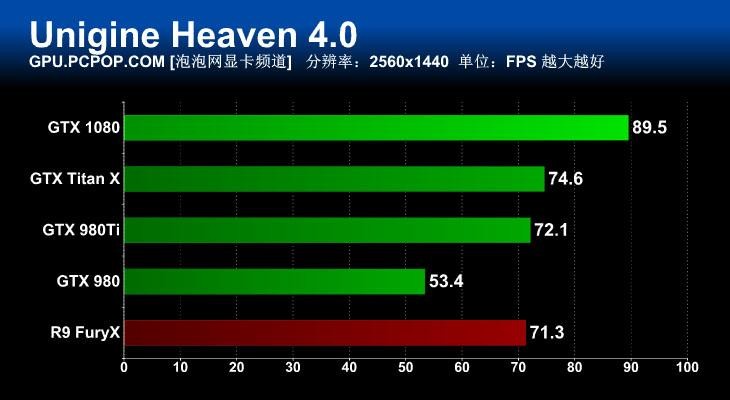
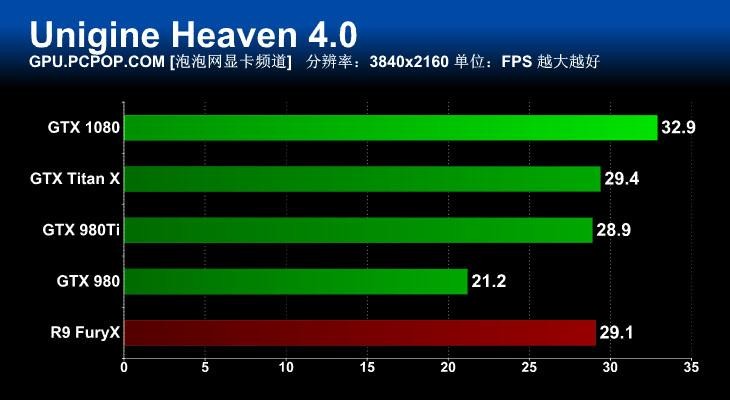
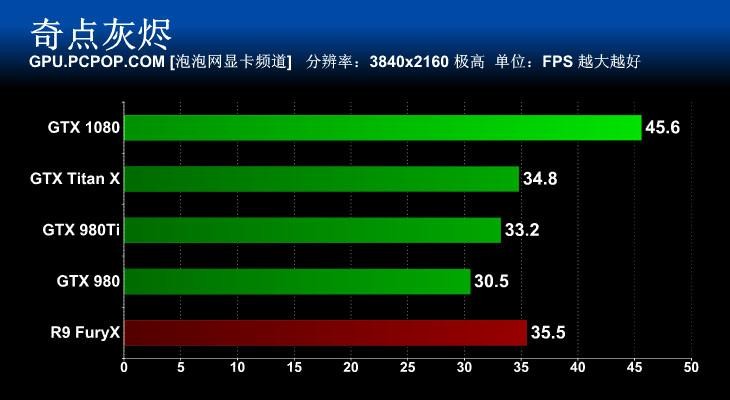
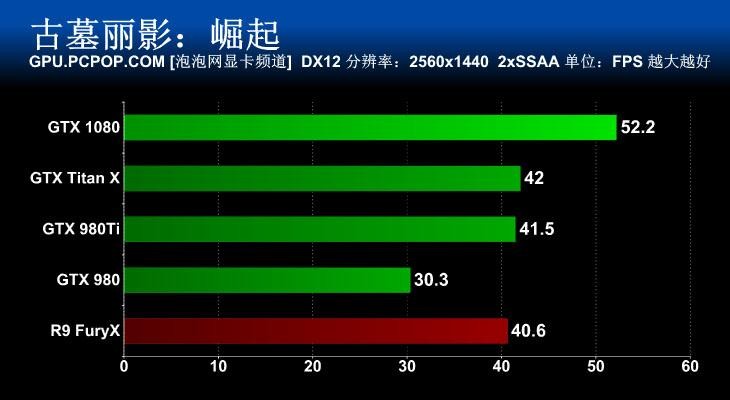
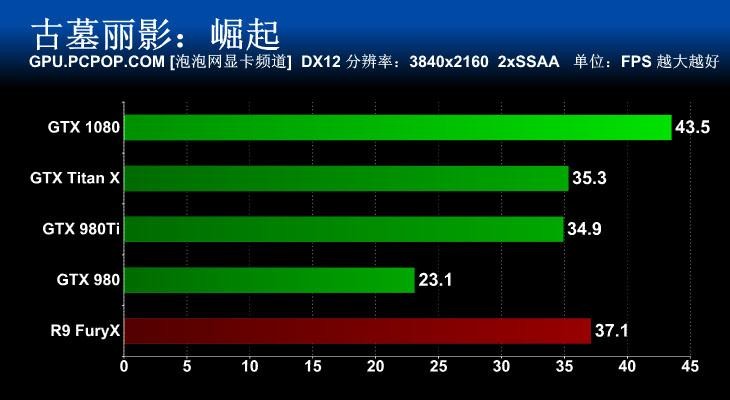
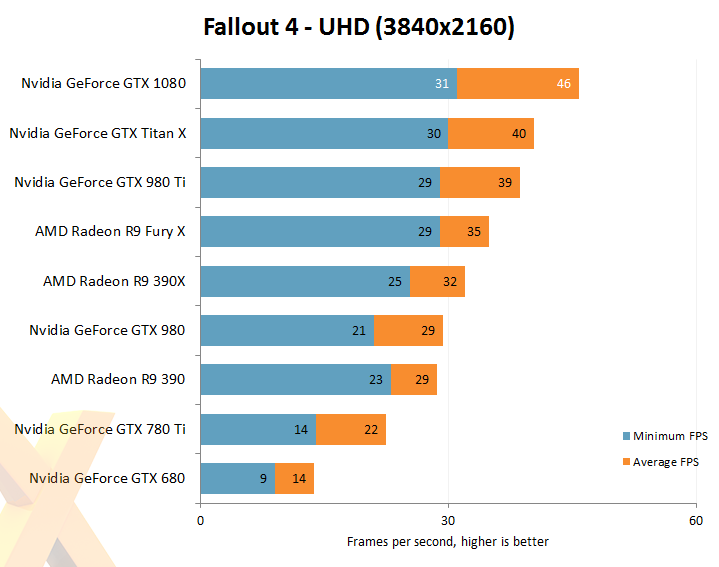
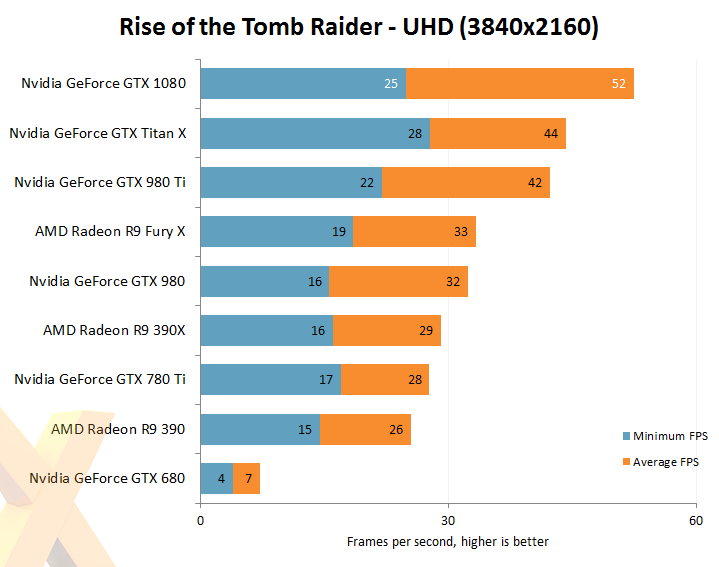
Enabled in part by TSMC’s 16nm FinFET+ process, the 1080’s GP104 GPU wields 2560 CUDA cores at an unprecedented 1607MHz base clock rate. It offers a substantial step up from GM204 and an impressive boost compared to the former flagship GeForce GTX 980 Ti. In fact, across the eight real-world games we benchmarked today, GeForce GTX 1080 averages 34%-higher frame rates than the 980 Ti at 3840x2160. That’s enough performance to let you run with taxing detail settings and still enjoy the experience. Presumably, it’ll make an equally potent (if not better) VR solution, particularly as software developers get their hands on the Pascal architecture and start exposing features like Simultaneous Multi-Projection.
Ironically, the card more enthusiasts are excited about, GeForce GTX 1070, probably won’t let you turn the quality dials as indiscriminately as GTX 1080. Then again, at its $450 price point, you could slap two of them together for less than a GeForce GTX Titan X would cost today.
On the subject of pricing, Nvidia CEO Jen-Hsun Huang cited two figures for each of the cards he announced earlier this month: one for the Founders Edition and an MSRP for partner boards. As we now know, the Founders Edition is based on the reference industrial design popularized long ago by the GeForce GTX 690. It’s more angular now, but the concept is similar. I’m a big proponent of this implementation, with its centrifugal fan exhausting waste heat from your chassis.


Nvidia's latest GPU architecture, Pascal, finds its gaming feet with the GeForce GTX 1080 launching today in Founders Edition guise. The high-level design is reminiscent of the Maxwell blueprint that has been put to good use on the 9-series GPUs.
Yet delving deeper is instructive. Pascal, or GP104 in this case, uses frequency and elegance in equal measure. Now delivered on a 16nm process, one that inextricably ties in with these two characteristics, GTX 1080's 2,560 cores run at 1.6GHz, rising to at least 1.73GHz under load. Augmented by new memory technology that does more with less - a common theme on this GPU - the vital stats are impressive.
Though able to blaze through today's games at a never-before-seen velocity, calling the GTX 1080 an enhanced Maxwell is doing it a disservice. Nvidia has implemented additional technology to increase the speed of VR, asynchronous compute and faster V-Sync - features which it believes will become key in the next year or so.
Table-topping performance is presented in a beautifully engineered design that's cool, quiet and very efficient. Readers with GTX 980 Ti cards are unlikely to be moved enough to purchase the newest chief of the GTX clan, but anyone upgrading from an older generation, budget permitting, can do no better right now.
The current graphics landscape in the premium end of the market is such that Nvidia can charge a wholesome $699 for a GTX 1080 Founders Edition card that's relatively small in size but truly heavyweight in performance. It's fair to say that GTX 1080 is better than all other available GPUs in almost every way.
It's also known that rival AMD will go after the mainstream market first with its Polaris architecture, leaving this premium segment wide open for Nvidia to exploit as it sees fit, which is unfortunate for those that like to see real competition. GeForce GTX 1080 is predictably impressive, and Pascal has finished what Maxwell had started - the drive to performance via efficiency.
Want the best consumer graphics card in the world? The GeForce GTX 1080, in no uncertain terms, is it.
I'm in two minds about the GTX 1080. On the one hand, it's brilliant. It brings 16nm graphics tech and 8GB of memory to the mainstream, and performs better than a graphics card that until very recently sold for £800/$1000—and not by an insignificant amount either, but by as much as 30 percent. It sets new standards for clock speeds and overclocking performance, while remaining cool and quiet under load. To top it all off, the 1080 is wrapped up in a delightfully aggressive package that just screams cool. Oh sure, you won't see that all-metal cooler and its multi-faceted shards once it's shoved inside a case. But you'll know it's there, looking sharp, just waiting to be ogled the next time you need to swap out a SATA cable or attend a LAN party.
Plus it comes packed with all the usual Nvidia perks too, like G-Sync, ShadowPlay for gameplay recording, and rock-solid drivers (although thankfully, AMD has finally caught up on that last one). There are all the new features too, like Fast Sync and HDR support, as well as upcoming ones like Ancel, a sophisticated tool for taking in-game screenshots. When the latter arrives this summer it'll be the only tool that allows users to free-roam around a specific game to take screenshots, rotating the image, cropping it, and applying filters on-the-fly. Even better, because the tool ties directly into the frame buffer, users will be able to take screenshots at resolutions higher than their monitor, up to an insane 61,000 pixels wide.
And yet, the high-water mark by which we must judge the GTX 1080 is set by Nvidia. The 1080 is good value, because the Titan X and 980 Ti were so expensive to begin with. The performance gains are excellent, because there's no company around that can (currently) challenge them. For all the innovation that's been put into the 1080, for all the hard work that's gone into its design—and I don't doubt for a moment that a lot of hard work has been put into it—it's hard to shake the feeling that, if there were true competition at this level, we'd be looking at a very different product to kick off the 16nm generation. That's not to mention the whole Founders Edition nonsense that gouges longtime fans. If you can, be patient and wait for the cheaper partner cards—the savings are worth it.
As it stands, while it's not the revolution Nvidia might have you believe it is, the GTX 1080 is the most powerful gaming graphics card you can buy, a slick slice of silicon that's an obvious upgrade for anyone rocking a 700-series card or older. Next time, though, Nvidia, when the inevitable 1080 Ti or Titan rolls around to fend off some madcap AMD release, can we make sure it finally plays 4K games at 60FPS?
The good
Big performance gains over even crazy-expensive cards like the Titan X and GTX 980 Ti
New reference cooler design is a beautiful thing, and does a great job of keep the GTX 1080 cool under load
Barely jumps over 70 degrees under load, leaving plenty of headroom for overclocking
Strong software and driver support with GeForce Experience
8GB of GDDR5X memory brings PC graphics up to parity with consoles
The bad
For some reason you now need an unlock code to use three- or four-way SLI
4K60 in high-end games with a single GPU is still out of reach
The ugly
The price rise and Founders Edition are little more than early adopter taxes. If a competing product comes along, expect it to drop fast.
This is the first time that Nvidia have introduced a vapour chamber cooling system on a reference card, and it has certainly helped to ensure that there is plenty of potential for overclocking.
While all cards will deliver slightly different results we were able to get the core speed running at just over 2ghz which helped push performance of the GTX 1080 past even the dual GPU AMD R9 295X2. This in itself is a remarkable achievement but when you factor in that the GTX1080 system demands only 270 watts, compared against the same system using the R9 295X2 requiring 635 watts of power. This is staggering.
Nvidia have also placed a focus on technologies to improve the VR experience. Simultaneous Multi-Projection provides performance for new display technologies. The GTX 1080 GPU can simultaneously render to unique viewports that are designed specifically for VR headsets and triple display users. Lens Matched Shading improves pixel shading performance by rendering up to 16 viewports that will better support the design of the latest VR headsets. This helps to avoid rendering pixels that would be trashed before the final imagery is sent to the VR headset.
Additionally, the new Single Pass Stereo feature uses Simultaneous Multi Projection to render the geometry required for both eyes in a VR headset – all in a single rendering pass rather than a pass for each eye. This obviously halves the geometry workload when directly compared to a more traditional VR rendering situation. This will also help support gamers with three screen configurations as Perspective Surround gets the GPU to simultaneously render projections for each of the three displays with proper perspective views. We haven’t been able to test this yet, but it seems like a good move for enthusiast users who enjoy multi screen systems for gaming.
If you own an older Nvidia graphics card and are building a new system this year for Ultra HD 4k gaming then the GTX 1080 is the graphics card to get. So how much will the GTX 1080 set you back? Nvidia confirmed £619 inc vat as the launch price today – so while very expensive it is cheaper than the Nvidia Titan X, which is still available at £869.99 today. We hope to see prices of the GTX980 Ti and GTX 980 dropping in the near future.
It would be fair to say that as an overall package the Nvidia GTX 1080 has exceeded all our expectations. We do hope that AMD can answer the challenge and deliver the goods with Polaris. Thankfully, we won’t have too long to wait now to give you all an answer.
Conclusion
While frametime results and output are designed for multi-GPU environments, it does tell us a lot about single GPU setups as well. You will, however, see less issues on a single GPU setup (obviously). But hey, if there is a problem, rest assured it would be exposed. Comparing apples to oranges, when you look at the charts NVIDIA still has a better overall solution as their latency differentials for each even and odd frame are a hint better. But the difference with AMD is very close, albeit we did see more glitches (as small as they are really) on the Fury. Overall we can say that the GeForce GTX 1080 performed exemplarily in the ten FCAT tests we ran it through. Three out of ten tests were DirectX 12 enabled as well. The end-score is a whopping 10 out 10, all games passed our examination easily without any noticeable stutters or anomalies, and that is pretty terrific if you ask me. The massive 8 GB frame-buffer obviously helps out quite a bit in the more AA heavy environments, but yeah, the GTX 1080 manages really well.
For now we end this article, obviously in the future we'll be monitoring framepacing with other and newer titles and, more importantly, with SLI once we get another card in, as well as the new SLI adapters
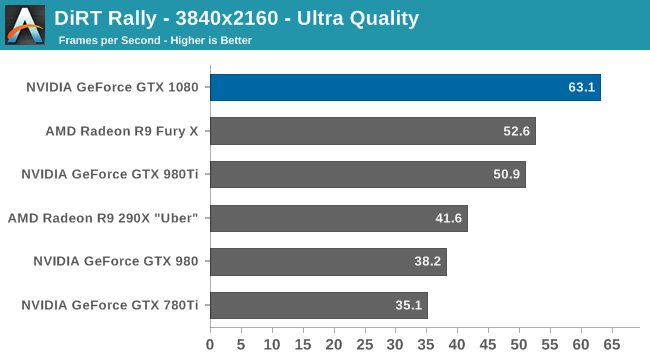
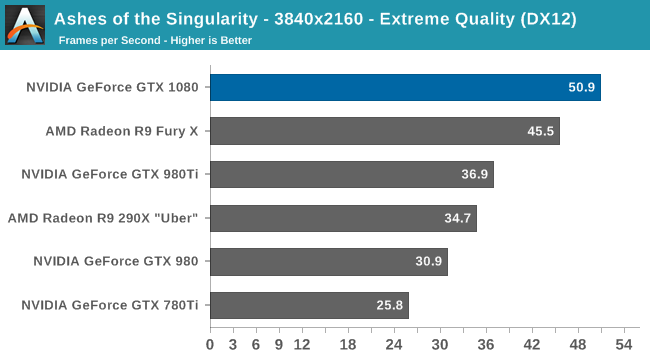
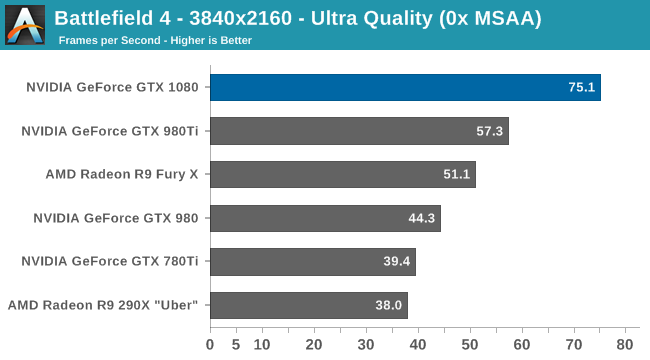
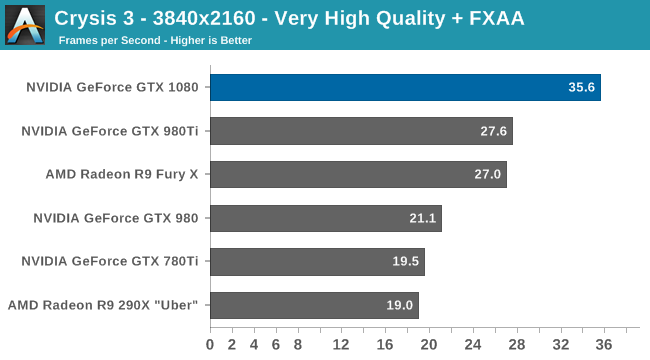
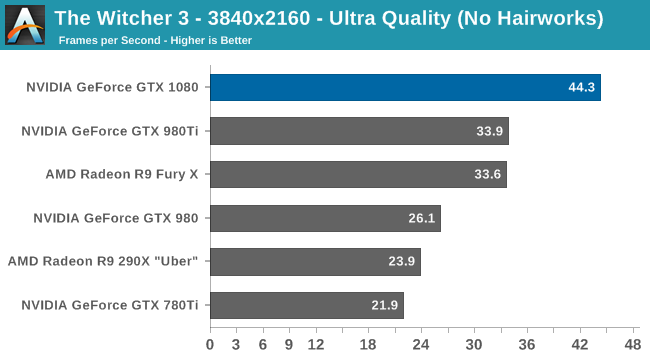
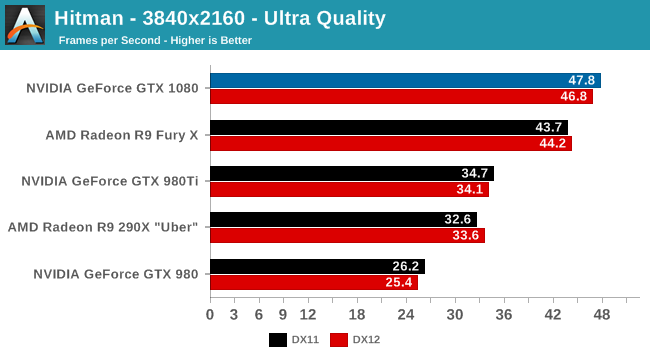
Wrapping up our preview of the GeForce GTX 1080, I think it’s safe to say that NVIDIA intends to start off the 16nm/14nm generation with a bang. As the first high-end card of this generation the GTX 1080 sets new marks for overall performance and for power efficiency, thanks to the combination of TSMC’s 16nm FinFET process and NVIDIA’s Pascal architecture. Translating this into numbers, at 4K we’re looking at 30% performance gain versus the GTX 980 and a 70% performance gain over the GTX 980, so we’re looking at a very significant jump in efficiency and performance over the Maxwell generation.
Looking at the bigger picture, as the first vendor to launch their 16nm/14nm flagship card, NVIDIA will get to enjoy the first mover’s advantage both with respect to setting performance expectations and with pricing. The GeForce GTX 1080 will keep the performance crown solidly in NVIDIA’s hands, and with it control of the high-end video card market for some time to come. NVIDIA’s loyal opposition, AMD’s Radeon Technologies Group, has strongly hinted that they’re not going to be releasing comparable high-performance video cards in the near future. Rather the company is looking to make a run at the much larger mainstream market for desktops and laptops with their Polaris architecture, something that GP104 isn’t meant to address.
The lack of competition at the high-end means that for the time being NVIDIA can price the GTX 1080 at what the market will bear, and this is more or less what we’re looking at for NVIDIA’s new card. While the formal MSRP on the GTX 1080 is $599 – $50 over what the GTX 980 launched at – that price is the starting price for custom cards from NVIDIA’s partners. The reference card as we’ve previewed it today – what NVIDIA is calling the Founders Edition card – carries a $100 premium over that, pushing it to $699.
While the differences between the reference and custom cards will be a longer subject for our full review, the more immediate ramification is going to be that only the Founders Edition cards are guaranteed to be available at launch. NVIDIA can’t speak definitively for their board partners, but at this point I am not seriously expecting custom cards until June. And this means that if you want one of the first GTX 1080s, then you’re going to have to pay $699 for the Founders Edition card. Which is not to say that it’s a bad card – far from it, it’s probably NVIDIA’s finest reference card to date – however it pushes the card’s price north of 980 Ti territory, some $150 higher than where the GTX 980 launched in 2014. For those who can afford such a card they will not be disappointed, but it’s definitely less affordable than past NVIDIA x80 cards.
Anyhow, we’ll be back later this week with our full review of the GeForce GTX 1080, so be sure to stay tuned
The first FinFET-based GPU is a resounding success. The last-gen Titan X offered up a 601mm2 slice of silicon offering 6.2TFLOPs of power. The GTX 1080's GP104 processor is around half the size, offering 30 per cent more gaming performance and hands in a 16 per cent drop in power consumption under peak load, based on our testing. And what's impressive here is that the increase in performance scales fairly well across all resolutions, dropping back just a little at 4K, where memory bandwidth may well be a slightly limiting factor.
From our perspective, the big takeaway is this: Titan X and its cheaper GTX 980 Ti counterpart are still monstrously fast gaming GPUs. They're the cards we've gone to for testing when we need what seems like a bottomless pit of graphics power. If the upcoming GTX 1070 is priced correctly and offers equivalent performance, we're in for a real treat. But the GTX 1080 isn't just a little faster - it's a lot faster. And assuming its simultaneous multi-projection technology is indeed integrated into upcoming VR titles, the performance increase there could very well match the 2x Titan X claims that Nvidia made at its recent press event.
Questions do remain - specifically on just how much overclocking headroom is available, and how the new GPU Boost 3.0 technologies will actually help performance - but the bottom line is that even at stock frequencies, Nvidia has indeed delivered exceptional performance. GTX 1070 may well turn out to be the genuine gamechanger for the market - just like the GTX 970 before it - but Nvidia's new flagship is unquestionably the best graphics card money can buy right now, but that extreme performance doesn't come cheap.
Looking at the performance delivered by NVIDIA's latest GPU architecture, it's hard not to like what I see during my performance testing. There is not a single test where the results over previous generations are not significant. And significant is not an exaggeration at this point in time. Depending on the game, I was not seeing the close to a two times uptick in performance over the GTX 980, but when you get down to it, the performance benefits of the GTX 1080 are never ending. It delivers smooth gameplay at every resolution from top to bottom and truly makes it fun to play at 4K resolutions without having to resort to using a pair of cards to get that FPS fix. To see it do it so effortlessly is a testament to the work that NVIDIA has done to ensure that we get the best cards for our money.
This is a generational shift in performance that allows NVIDIA to move forward with its Virtual Reality endeavors to bring that added realism to the gaming universe. While at the NVIDIA launch event, I was pleasantly surprised at how well executed the VR environment was when I had to opportunity to play through some demos. As one who gets nauseous while riding in a car or playing some fast-paced FPS games, I was expecting that I would be done in a matter of 30 seconds to a minute. However, the level of performance delivered by a system running a trio of GTX 1080 GPUs through an HTC Vive VR headset was just stunning. No nausea, no eye issues, and the sound just added to the effect.
Overclocking is going to just add to the performance curve when you take the time to play with the GTX 1080. NVIDIA offers up some cool new options that let you really get the maximum amount of clock speed that the hardware can deliver using clock speed enhancements by voltage level. Suffice to say, you can play to your heart's content. Clock speeds above 2000MHz on the Pascal core and 2700MHz+ on the Micron G5X memory are achievable at will. Normally I run the overclocking testing in our articles, but decided it needed an article of its own to be published shortly.
The one real issue I still can't get past is the "Founders Edition" branding that puts a premium price on what, in the past, was the reference design card. NVIDIA decided that it wants to sell the GTX 1080 through its full life cycle as a premium product, which for all intents and purposes it is when you look at the design work and performance that is delivered right out of the box. With starting prices at $599 US for non Founders Edition cards, does that mean we will see cards that fully do not meet the expectation NVIDIA sets as the design to follow? Will the board partner cards that normally hit the premium pricing see prices well above the Founders Edition $699 price point? We shall see come May 27 when cards will be widely available from both NVIDIA and the AIB partners. That being said, you do get a lot for your money with the GTX 1080, even at $699.
The GTX 1080 is packing 8GB of ridiculously fast GDDR5X memory and a core that just thumps down an impressive FPS performance that is needed to deliver great gameplay in today's ever more visually appealing games. All while running the eye candy turned way up even when running at 4K. There really is no performance comparison at this time that comes close. Even the Maxwell-based fastest cards on the planet pale in comparison to the GTX 1080.
NVIDIA continues to deliver exciting technologies that get us to that next level of immersion. Its work in the VR arena is paying huge dividends that only add to the experience. Improving Surround gaming by using Perspective Surround via Simultaneous Multi-Projection technology just makes it better. Truly, this card brought me back to the screen for some gameplay. The GTX 980 Ti and Titan X are truly great performers in their own right, but the GTX 1080 goes that extra mile. After pushing this envelope, it's going to be interesting to see what the red team has to offer in this game of one-upmanship.
If you want the fastest card on the planet, then the GTX 1080 is your card.
Pros:
Game changing performance
Low noise
Cooling performance
Turbo Boost 3.0
VR Ready
SLI technology enhancements
Pricing
Looks
Craftmade
Cons:
Founders Edition pricing

The GeForce GTX 1080 is the most exciting video card in years, blending the new 16nm FinFET process and next-gen Pascal architecture into an amazing mix of GPU technology. Right behind those two exciting factors of the GTX 1080 is the 8GB of GDDR5X that NVIDIA has used on the GTX 1080 alone, with the GTX 1070 powered by the cheaper, slower GDDR5 technology.
All three of these technologies are infused together for the GeForce GTX 1080, a card that not only has more performance than every other single-GPU video card on the market, it uses far less power. We have a card on our hands that used just 230W of power, which I have to highlight as incredible, compared to the Titan X and its 315W and the Radeon R9 Fury X with its 300W of power consumption.
We also have a huge improvement to the VR side of things, with VR Works Audio and improved rendering in VR for additional performance - something that truly makes it the new monster VR video card. We have a GTX 980 Ti here in the labs and it powers my HTC Vive setup, and in the coming days and weeks I'll be shifting over to the GTX 1080 and seeing how the performance and VR experience is amplified from the new GTX 1080.
Something that NVIDIA made a big deal about with the new GeForce GTX 1080 is that it had some impressive overclocking headroom on both the GPU and GDDR5X. Instead of having a single page for the OC results, we're going to be following up with a smaller article that looks at the overclocking experience, performance and results on the GTX 1080. NVIDIA has teased the GPU is capable of 2GHz+ on the GTX 1080 Founders Edition, so I'm expecting somewhere in the vicinity, with a nice boost in performance.
I've known for a while now that whatever Pascal-based GeForce video card that NVIDIA released would kick ass, but by this much? The new GeForce GTX 1080 is an absolute monster of a video card, completely beating down everything in its path, including the HBM1-based Radeon R9 Fury X from AMD. We tested the more mid-range R9 390X 8GB, and the GTX 1080 beat it down for its lunch money like a bully in the school yard. There's nothing that can take on the GTX 1080, not even the $999 beast in the form of the Titan X.
But, it's not all about brute performance and speed. The GeForce GTX 1070 with its 8GB of GDDR5 (not the GDDR5X found on the GTX 1080) will be the big seller while the GTX 1080 will become the new GTX 980 Ti/Titan X. The GTX 970 was a massive hit, and still is one of the best cards you can buy - with this going back to the GTX 770, GTX 670, and so on. The expensive card is usually 15-30% faster, but also rocks a 50%+ increase in price.
AMD is not going to be able to compete against the GeForce GTX 1080, and that's not a bad thing. AMD's upcoming Polaris 10 GPU will reportedly be powering a slew of new mid-range video cards that will be priced at under $299. At this price point, AMD has nothing to worry about with the GTX 1080 because NVIDIA's latest and greatest is a smaller part of the market compared to the high-end/enthusiast market.
All in all, NVIDIA has absolutely blown the doors off of the GPU game with the GeForce GTX 1080. This is the card you've been waiting for, especially if you skipped over the GTX 980 Ti. With our whole system using 230W, running silently, and pushing through games at up to 4K and VR, the GTX 1080 is an incredible new video card that deserves all the attention it gets.
As great as the GTX 1080 is, most gamers will likely opt for its cheaper sibling, the $379 GTX 1070 ($449 for the Founders Edition). It's only slightly slower -- pumping out 6.5 teraflops instead of the 1080's nine terfalops -- but NVIDIA says it's also "roughly" the same performance as the $1,000 Titan X. That's an insane cost/performance ratio, and it also leaves room for snapping up another (inevitably cheaper) 1070 in a year or so to bump your speeds up.
As is usually the case, there will also be plenty of competing GTX 1080 designs to choose from in the next few months. Those cards will likely come in closer to the $599 retail price NVIDIA is advertising, rather than the $699 premium for the Founders Edition.
Normally, I'd also urge you to look at previous-generation hardware as new gear comes in. But the 1070 and 1080 are such huge architectural leaps that it doesn't make sense for most people to consider a 970 or 980. If you're really trying to save money, a 970 for around $200 could be a decent deal in the future (they're still going for around $300). But you'd also regret that choice if you want to dabble in VR within the next year.
AMD has also shown off its next-generation graphics technology, Polaris, which promises to be just as power efficient as NVIDIA's Pascal. We still don't know what Polaris consumer cards will look like yet, so it might pay off to wait a few months before you decide on a new GPU.
So we’re back to where we started: Nvidia’s first long-awaited Pascal-based graphics card truly is a beast in every sense of the word, smashing performance records while veritably sipping on power.
The leap over the GTX 980 is nothing short of insane. While the GTX 980 delivered frame rates roughly 18 to 35 percent higher than its direct predecessor, the GTX 780, the new GeForce GTX 1080 surges ahead by a whopping 70-plus percent in every game tested. That’s crazy. The entire time I was testing this monster, I felt like David Bowman at the end of 2001: A Space Odyssey, staring wide-eyed into a new world full of stars. Moving on from 28nm GPUs is every bit as wonderful as gamers had hoped, and the GTX 1080 is everything Nvidia promised and more.
Hail the conquering hero, indeed.
Nvidia’s powerhouse isn’t quite capable of hitting 60fps at 4K in every game, as the results from Division and Far Cry Primal show, but it’s awfully close—especially if you invest in a G-Sync monitor to smooth out sub-60fps gameplay. And it's worth noting that game engine optimization can play a big role in potential performance as the disparity in Hitman and AoTS results between AMD and Nvidia cards clearly show. Regardless, the GTX 1080 annihilates everything you throw at it.
Don’t rush to bend your knee to the freshly crowned champion just yet, though. Be patient. Give it a few weeks.
AMD promised that its Polaris GPUs would show up in the middle of the year, and numerous leaks hint that its big unveiling will come at Computex in early June. Every indication from the company seems to suggest that its initial Polaris salvo will target more mainstream prices rather than starting from the top like the GTX 1080, but who knows? AMD’s Radeon cards are leaping to 14nm FinFET technology as well, and if Team Red has something up its sleeve, things could get very interesting, very quickly. That goes doubly so if Radeon cards continue to hold a commanding lead over Nvidia in DX12 async compute performance.
Waiting a few weeks will also likely give custom cards from Nvidia’s board partners time to trickle into the market, and who knows how high those beasts will be able to fly? Plus, the GTX 1070 is scheduled to hit the streets on June 10 with what Nvidia claims is Titan X-level performance—and at $370, it’s almost half the price of the GTX 1080 itself. Considering that the GTX 1080 delivers roughly a third more performance than the Titan X, the GTX 1070 may assume the GTX 970’s position as the enthusiast price/performance sweet spot in Nvidia’s lineup. Patience is a virtue!
Similarly, I’d counsel GTX 980 Ti and Titan X owners to sit tight before bolting out the door for a GTX 1080. Sure, Nvidia’s new card outpunches the 900-series heavyweights, but it doesn’t render them obsolete—and can you imagine how mind-blowing a full-fat GTX 1080 Ti or Pascal-based Titan would be, if the GTX 1080 can do this?
Don’t feel bad if you can’t resist the urge to grab a GTX 1080 though. A Pascal-based Titan would be unlikely to launch before spring 2017, and Nvidia’s new flagship is hands-down the new paragon for graphics cards. The GTX 1080 is badass incarnate.


We think many of us are somewhat surprised at how well moving to 16nm FinFET has been for NVIDIA. NVIDIA's shift in architecture focusing on clock speed and this better processing technology seems to have paid off big time right now. Not only are we seeing the GTX 1080 provide large performance advantages compared to the previous generation top of the line fastest GPUs, but there is also the potential for incredible clock speed improvements. NVIDIA themselves showed us that 2.1GHz is possible on the Founders Edition. We dare to think what custom retail video cards will be able to do.
The NVIDIA GeForce GTX 1080 is a marvel of engineering and gaming performance. It performs amazingly, it's power efficient, there's potential for higher clocks, and it is feature rich. The GeForce GTX 1080 Founders Edition is the fastest video card on the planet when it comes to today's games. And the GTX 1080 is not just a little faster than yesterday's flagship GPUs, it is a lot faster.