Google Pixel 10 series

limmk

High Supremacy Member
Joined
Jul 5, 2001
Messages
43,437
Reaction score
8,371


The Google Pixel 10 series has plenty of new features for both fans and newcomers. As is Google’s current direction of travel, many of these focus on new or improved AI tools. However, leaning heavily on AI to power smartphones requires a few changes to how we usually think about running apps.

Typically, when we open an app, we expect it to appear within a second or so, with the phone quickly fetching it from storage and loading it into RAM. Larger applications, such as games, take longer, and we tend to accept that. Waiting several seconds or even up to a minute feels fine if we’re about to spend the next half an hour playing.

AI is different. We want it to feel as instant as an app, yet it comes with the memory demands of something closer to a game. Even the smallest AI models weigh in at several gigabytes, far more than the few hundred megabytes most apps require. Loading them each time would be painfully slow. The workaround is to keep the AI model resident in RAM and ready to go, but that means less memory is left for apps and games.

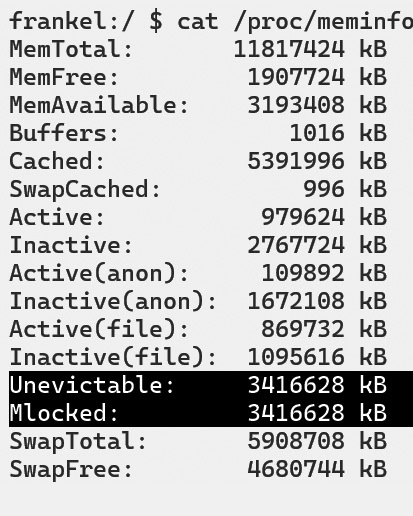
The Pixel 10 now locks around 3GB RAM exclusively for AICore and the Tensor's TPU.

Last year, Google played it safe with the Pixel 9 lineup. The 12GB Pixel 9 left all memory available for apps, only loading its AI model when needed. Meanwhile, the 16GB Pixel 9 Pro models dedicated just under 3GB of RAM to AI, keeping it always on tap. Casual users may not have noticed, but power users who leaned heavily on AI features would likely have enjoyed the extra responsiveness on the Pro.

With the Pixel 10, Google has changed course. Now, even the standard model partitions around 3GB of RAM specifically for AI, ensuring responsiveness on par with the Pro-tier phones, at the expense of memory for apps and games.

Pixel 9 AI RAM

Pixel 9 - Locked RAM amount

Pixel 10 locked RAM white

Pixel 10 - Locked RAM amount

Once again, we can confirm that Google’s AICore service and the Tensor G5’s TPU live in this partition, meaning the reserved memory isn’t available even if a large game or heavy multitasking session starts to push the limits of free RAM. So is this good or bad? Well, that depends.

AI is central to the modern Pixel experience, and Google clearly expects customers to regularly use live Voice Translate, missed call transcriptions, Pixel Journal, and all the other features that leverage AI to make the handsets a bit more unique. Keeping its new Nano model in memory ensures these tools feel snappy and seamless to launch.

For everyday use, around 8GB of usable RAM is still more than enough to juggle multiple apps and even a game or two without force-closing any applications. Still, the heaviest multitaskers may prefer the 16GB Pro models, but the Pixel 10 should satisfy the vast majority of users. On the other hand, if you rarely touch Google’s AI features, having 3GB permanently locked away sitting idle certainly feels like wasted potential.

 

KeYoKe

High Supremacy Member
Joined
Jul 14, 2005
Messages
37,894
Reaction score
9,985


The Google Pixel 10 series has plenty of new features for both fans and newcomers. As is Google’s current direction of travel, many of these focus on new or improved AI tools. However, leaning heavily on AI to power smartphones requires a few changes to how we usually think about running apps.

Typically, when we open an app, we expect it to appear within a second or so, with the phone quickly fetching it from storage and loading it into RAM. Larger applications, such as games, take longer, and we tend to accept that. Waiting several seconds or even up to a minute feels fine if we’re about to spend the next half an hour playing.

AI is different. We want it to feel as instant as an app, yet it comes with the memory demands of something closer to a game. Even the smallest AI models weigh in at several gigabytes, far more than the few hundred megabytes most apps require. Loading them each time would be painfully slow. The workaround is to keep the AI model resident in RAM and ready to go, but that means less memory is left for apps and games.

The Pixel 10 now locks around 3GB RAM exclusively for AICore and the Tensor's TPU.

Last year, Google played it safe with the Pixel 9 lineup. The 12GB Pixel 9 left all memory available for apps, only loading its AI model when needed. Meanwhile, the 16GB Pixel 9 Pro models dedicated just under 3GB of RAM to AI, keeping it always on tap. Casual users may not have noticed, but power users who leaned heavily on AI features would likely have enjoyed the extra responsiveness on the Pro.

With the Pixel 10, Google has changed course. Now, even the standard model partitions around 3GB of RAM specifically for AI, ensuring responsiveness on par with the Pro-tier phones, at the expense of memory for apps and games.

Pixel 9 AI RAM

Pixel 9 - Locked RAM amount

Pixel 10 locked RAM white

Pixel 10 - Locked RAM amount

Once again, we can confirm that Google’s AICore service and the Tensor G5’s TPU live in this partition, meaning the reserved memory isn’t available even if a large game or heavy multitasking session starts to push the limits of free RAM. So is this good or bad? Well, that depends.

AI is central to the modern Pixel experience, and Google clearly expects customers to regularly use live Voice Translate, missed call transcriptions, Pixel Journal, and all the other features that leverage AI to make the handsets a bit more unique. Keeping its new Nano model in memory ensures these tools feel snappy and seamless to launch.

For everyday use, around 8GB of usable RAM is still more than enough to juggle multiple apps and even a game or two without force-closing any applications. Still, the heaviest multitaskers may prefer the 16GB Pro models, but the Pixel 10 should satisfy the vast majority of users. On the other hand, if you rarely touch Google’s AI features, having 3GB permanently locked away sitting idle certainly feels like wasted potential.

Great. So now pixel we need 16GB ram in order to have at least 12gb of RAM to future proof. So if AI are getting more and more taxing to resources, they will start to lock more.... So those that don't use AI is forced to accept that they will lose 3GB of ram ootb....

Why Google likes to do such things sia.... The 200 charging cycles limit battery capacity also another one....
 

chari-men

Supremacy Member
Joined
Jul 14, 2025
Messages
6,121
Reaction score
2,486


The Google Pixel 10 series has plenty of new features for both fans and newcomers. As is Google’s current direction of travel, many of these focus on new or improved AI tools. However, leaning heavily on AI to power smartphones requires a few changes to how we usually think about running apps.

Typically, when we open an app, we expect it to appear within a second or so, with the phone quickly fetching it from storage and loading it into RAM. Larger applications, such as games, take longer, and we tend to accept that. Waiting several seconds or even up to a minute feels fine if we’re about to spend the next half an hour playing.

AI is different. We want it to feel as instant as an app, yet it comes with the memory demands of something closer to a game. Even the smallest AI models weigh in at several gigabytes, far more than the few hundred megabytes most apps require. Loading them each time would be painfully slow. The workaround is to keep the AI model resident in RAM and ready to go, but that means less memory is left for apps and games.

The Pixel 10 now locks around 3GB RAM exclusively for AICore and the Tensor's TPU.

Last year, Google played it safe with the Pixel 9 lineup. The 12GB Pixel 9 left all memory available for apps, only loading its AI model when needed. Meanwhile, the 16GB Pixel 9 Pro models dedicated just under 3GB of RAM to AI, keeping it always on tap. Casual users may not have noticed, but power users who leaned heavily on AI features would likely have enjoyed the extra responsiveness on the Pro.

With the Pixel 10, Google has changed course. Now, even the standard model partitions around 3GB of RAM specifically for AI, ensuring responsiveness on par with the Pro-tier phones, at the expense of memory for apps and games.

Pixel 9 AI RAM

Pixel 9 - Locked RAM amount

Pixel 10 locked RAM white

Pixel 10 - Locked RAM amount

Once again, we can confirm that Google’s AICore service and the Tensor G5’s TPU live in this partition, meaning the reserved memory isn’t available even if a large game or heavy multitasking session starts to push the limits of free RAM. So is this good or bad? Well, that depends.

AI is central to the modern Pixel experience, and Google clearly expects customers to regularly use live Voice Translate, missed call transcriptions, Pixel Journal, and all the other features that leverage AI to make the handsets a bit more unique. Keeping its new Nano model in memory ensures these tools feel snappy and seamless to launch.

For everyday use, around 8GB of usable RAM is still more than enough to juggle multiple apps and even a game or two without force-closing any applications. Still, the heaviest multitaskers may prefer the 16GB Pro models, but the Pixel 10 should satisfy the vast majority of users. On the other hand, if you rarely touch Google’s AI features, having 3GB permanently locked away sitting idle certainly feels like wasted potential.

12GB still wanna lock 3GB.. other makers alr got ram boost on top of 16GB.. what else they wanna lock next ??
 

KeYoKe

High Supremacy Member
Joined
Jul 14, 2005
Messages
37,894
Reaction score
9,985
12GB still wanna lock 3GB.. other makers alr got ram boost on top of 16GB.. what else they wanna lock next ??
Next will say Tensor G5 throttle too hard on load due to excessive heat output, causing camera unusable on a hot day (I saw from a Taiwan reviewer that she uses 100x zoom on a hot day, camera got disabled till it cools down), then disable the number of cores on the CPU :s13:
 

chari-men

Supremacy Member
Joined
Jul 14, 2025
Messages
6,121
Reaction score
2,486
Next will say Tensor G5 throttle too hard on load due to excessive heat output, causing camera unusable on a hot day (I saw from a Taiwan reviewer that she uses 100x zoom on a hot day, camera got disabled till it cools down), then disable the number of cores on the CPU :s13:
Gg liao if like that... Maybe they also limit your on screen time to preserve battery also sia.. maximum 5 hours a day...lol .
 

limmk

High Supremacy Member
Joined
Jul 5, 2001
Messages
43,437
Reaction score
8,371
Great. So now pixel we need 16GB ram in order to have at least 12gb of RAM to future proof. So if AI are getting more and more taxing to resources, they will start to lock more.... So those that don't use AI is forced to accept that they will lose 3GB of ram ootb....

Why Google likes to do such things sia.... The 200 charging cycles limit battery capacity also another one....
giphy.gif

12GB still wanna lock 3GB.. other makers alr got ram boost on top of 16GB.. what else they wanna lock next ??
download-more-ram-simulator-screenshot
 
Important Forum Advisory Note
This forum is moderated by volunteer moderators who will react only to members' feedback on posts. Moderators are not employees or representatives of HWZ Forums. Forum members and moderators are responsible for their own posts. Please refer to our Community Guidelines and Standards and Terms and Conditions for more information.
Top