Google Pixel 10a

DesilDesil

Senior Member
Joined
Jul 27, 2022
Messages
709
Reaction score
396
Still G4
128GB
No ram to run full gemini
keep 9a's nerfed camera
plastic front and back still
23W charging still

Might as well stuff even more bezels to the sides, the Pichai simps will still tell you it's a good phone that you should buy even none of them have bought it
 

Mecisteus

Great Supremacy Member
Joined
Jun 16, 2002
Messages
55,062
Reaction score
11,789
actually also kinda enough for me but then right, for the asking price and what they are offering.
it's just bad
But there is no perfect substitute.

I need the stock Android so the series A price is reasonable enough for me.

Just buy during promo.
 

DesilDesil

Senior Member
Joined
Jul 27, 2022
Messages
709
Reaction score
396
Aiyah. Pixel phone is always 雷声大雨点小.
I think their last decent phone is pixel 4a
Pixel 6, Pro specifically was quite impressive
Was the series they went all out on camera
Had a half inch 4x zoom camera which was really impressive for 2021 (even today)
7,8,9,10 did change to 5x but the sensors getting smaller was an overall downgrade
 

simply.90

Member
Joined
Sep 14, 2016
Messages
176
Reaction score
37
Pixel 6, Pro specifically was quite impressive
Was the series they went all out on camera
Had a half inch 4x zoom camera which was really impressive for 2021 (even today)
7,8,9,10 did change to 5x but the sensors getting smaller was an overall downgrade
But the first Tensor was a dumpster fire, poor Exynos modem resulting in weak reception yet high battery drain, not to mention how toasty it got.
 

Shadowz1984

Master Member
Joined
Mar 12, 2018
Messages
4,526
Reaction score
1,100
the non-A series are way too expensive for what it provides. not worth at all. the A series pricing still acceptable during sales. just get a second-hand non-A series if you don't mind.
 

limmk

High Supremacy Member
Joined
Jul 5, 2001
Messages
40,952
Reaction score
8,164
TL;DR
  • A new leak suggests the Pixel 10a could be announced on February 18, 2026, with open sales starting March 5.
  • The leak suggests European pricing will remain at €549 for the 128GB model and €649 for the 256GB model.
  • The device is expected to feature 8GB of RAM and may be available in four colors: Obsidian, Fog, Lavender, and Berry.


Google’s Pixel smartphones are famously prone to leaks before their official launch, and the same is true of the Pixel 10a. We’ve long heard about its specifications, and over the past week, we’ve heard several rumors about its pricing and availability, too. Now another leaker has chimed in with this information, getting down to the specifics for us.

Noted leaker billbil-kun, via Dealabs Magazine, has tried to clear the air around the Pixel 10a’s pricing and availability. According to them, the Pixel 10a will come with 8GB of RAM and storage options of 128GB and 256GB. All variants will be available across four colors: Obsidian, Fog, Lavender, and Berry.

As per the leaker, Google is not planning a price increase in Europe compared to the Pixel 9a’s launch prices. This is what the Pixel 10a could cost in the EU:

  • Google Pixel 10a (128GB storage and 8GB RAM): €549 (~$640)
  • Google Pixel 10a (256GB storage and 8GB RAM): €649 (~$755)

The leaker is also confident that the Pixel 10a will be announced on February 18, 2026, at 12 noon ET. The phone will go on preorder at this time, and open sales will begin on March 5, 2026.

It’s important to keep in mind that EU pricing does not reflect US pricing. We still don’t know what the US pricing would be, but it’s fair to presume Google would keep it in the same ballpark as the Pixel 9a, though a minor price increase to account for rising production costs cannot be ruled out just yet. We’ll have to wait for Google to officially announce the specs, pricing, and availability details.
 

limmk

High Supremacy Member
Joined
Jul 5, 2001
Messages
40,952
Reaction score
8,164
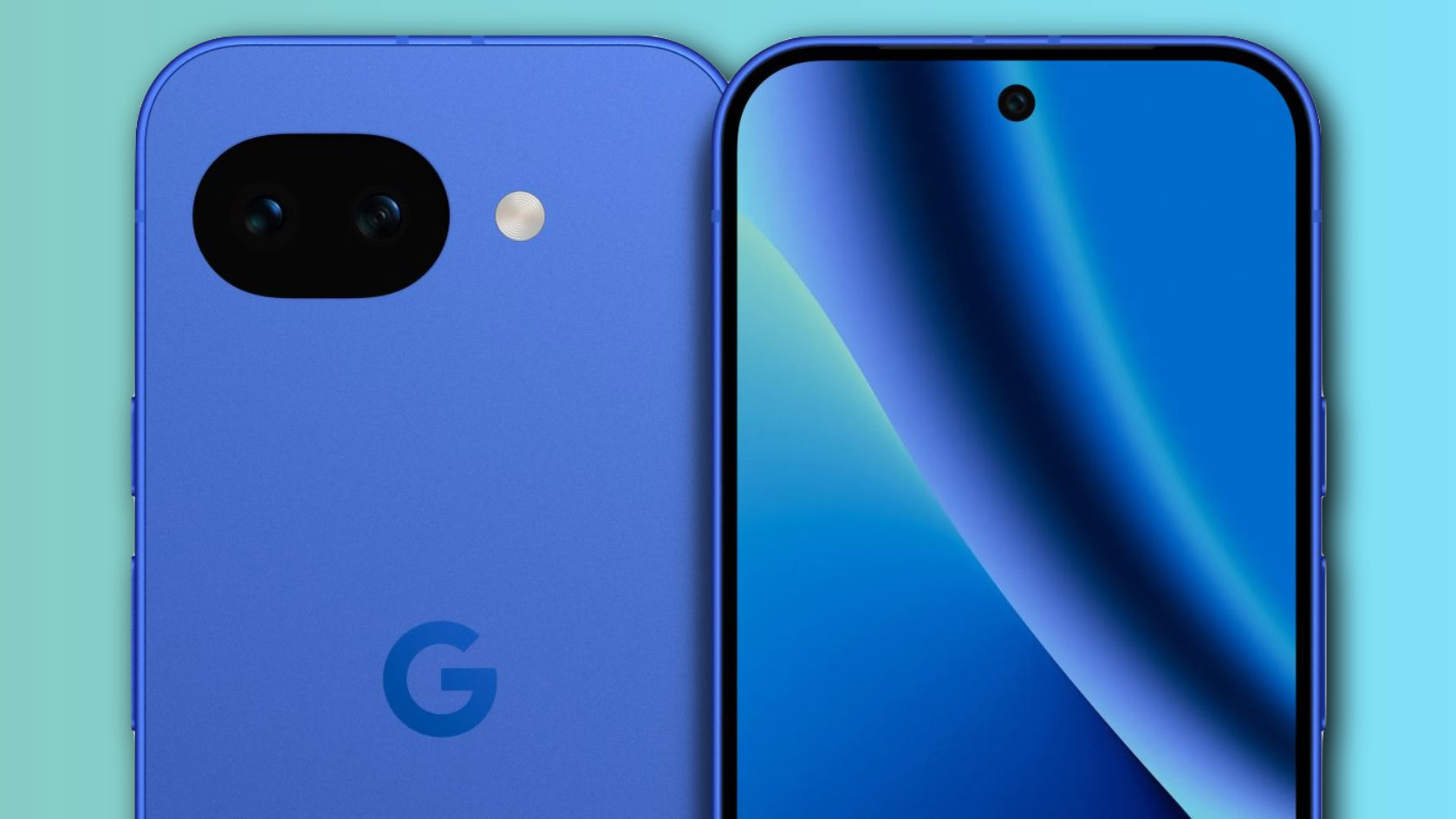
Pixel 10a Render


An official-looking render of the Pixel 10a was shared recently by AndroidHeadlines, revealing a design similar to the Pixel 9a. Today, we have more official-looking images of the Pixel 10a. The new renders show the side profile of the device as well.

There are hardly any changes in terms of design on the Pixel 10a compared to last year’s Pixel 9a. This was expected since Google announced that redesigns will happen every 2-3 years, and the series got redesigned just last year.

The sides of the Pixel 10a also remain unchanged, featuring the power button and volume buttons on the same side, and nothing on the opposite side. For a closer look, check out the new exclusive renders of the Pixel 10a below.

Pixel 10a Render
Pixel 10a Render
Pixel 10a Render
Pixel 10a Render
Pixel 10a Render


The Google Pixel 10a launch is getting closer. As per a recent report, the Pixel 10a might launch on March 5, at least in Europe. Pixel 10a has been in the news for a few months now, and most of its details are already out, including its design and hardware specs.

Similar to the design, Pixel 10a specifications will also remain the same as the Pixel 9a, with only obvious upgrades. Pixel 10a will feature a 6.3-inch display (6.285 to be precise) with a 120Hz refresh rate. It could be powered by an enhanced Tensor G4 SoC. The device is expected to be available in 8GB RAM and 128/256GB storage options.

The battery will also be identical, with a capacity of 5100mAh and support for 23W wired charging. The camera setup will also be the same as Pixel 9a, which means a 48MP (f/1.7) main camera and a 13MP ultra-wide camera. As the launch date approaches, we can expect more robust information about the device.

// ytechb
 

limmk

High Supremacy Member
Joined
Jul 5, 2001
Messages
40,952
Reaction score
8,164


Most of the time, it’s easy to put stock into the phrase “if it ain’t broke, don’t fix it.” After all, when it comes to things like a favorite pair of shoes, a favorite bike, or a go-to recipe that you’ve trusted for years, there’s almost no need to rock the boat. You’re probably not going to make your favorite thing much better, so why change it at all?

Well, the opposite usually holds true in the tech space. When it comes to phones, headphones, and even digital cameras, it’s always been about getting just a little bit better.

But now that we’re seeing leaks of the Pixel 10a, it looks like Google is bucking that trend. It’s keeping the features that already made its mid-ranger great, and I think it’s the best possible choice. Here’s why.

Real-world practicality always beats minor updates​


The thing with minor updates is that they so often open the door to disappointment. After calling the Pixel 9a the best $500 phone I’d ever tested, it’s hard not to expect a minor tweak to make things worse. Google choosing to mess with the careful balance between hardware and software could easily lead to a Galaxy A56 situation — making a mid-range phone that misses the mark by promising too much and delivering too little.

The thing with minor updates is that they so often open the door to disappointment. After calling the Pixel 9a the best $500 phone I’d ever tested, it’s hard not to expect a minor tweak to make things worse. Google choosing to mess with the careful balance between hardware and software could easily lead to a Galaxy A56 situation — making a mid-range phone that misses the mark by promising too much and delivering too little.

Luckily for Google, its Pixel A series has never been about promising the world. It’s been about giving you access to the best of Pixel power with a few carefully chosen omissions to keep the price in check. Look no further than the Tensor chip. It powers all of Google’s phones, yet isn’t overly concerned with benchmarking against the likes of the Snapdragon 8 Elite or Apple’s A19 Pro. Although it doesn’t benchmark with the best of them, Google’s Tensor chip has always powered an encyclopedia of Gemini features and image-processing capabilities — the things you actually want in a Pixel phone.

Google nailed the Pixel 9a's hardware, what's it really supposed to make better?

So, when I saw that the Pixel 10a would be sticking with many of the same internals from the Pixel 9a, I wasn’t phased. Would I have liked to see Google use its fully custom Tensor G5 chipset? Sure, it probably would have opened the door to several more features. However, it would put the expected $500 price point at risk, potentially closing the gap on the Pixel 10 and leading to, well, the mid-range Samsung situation I talked about.

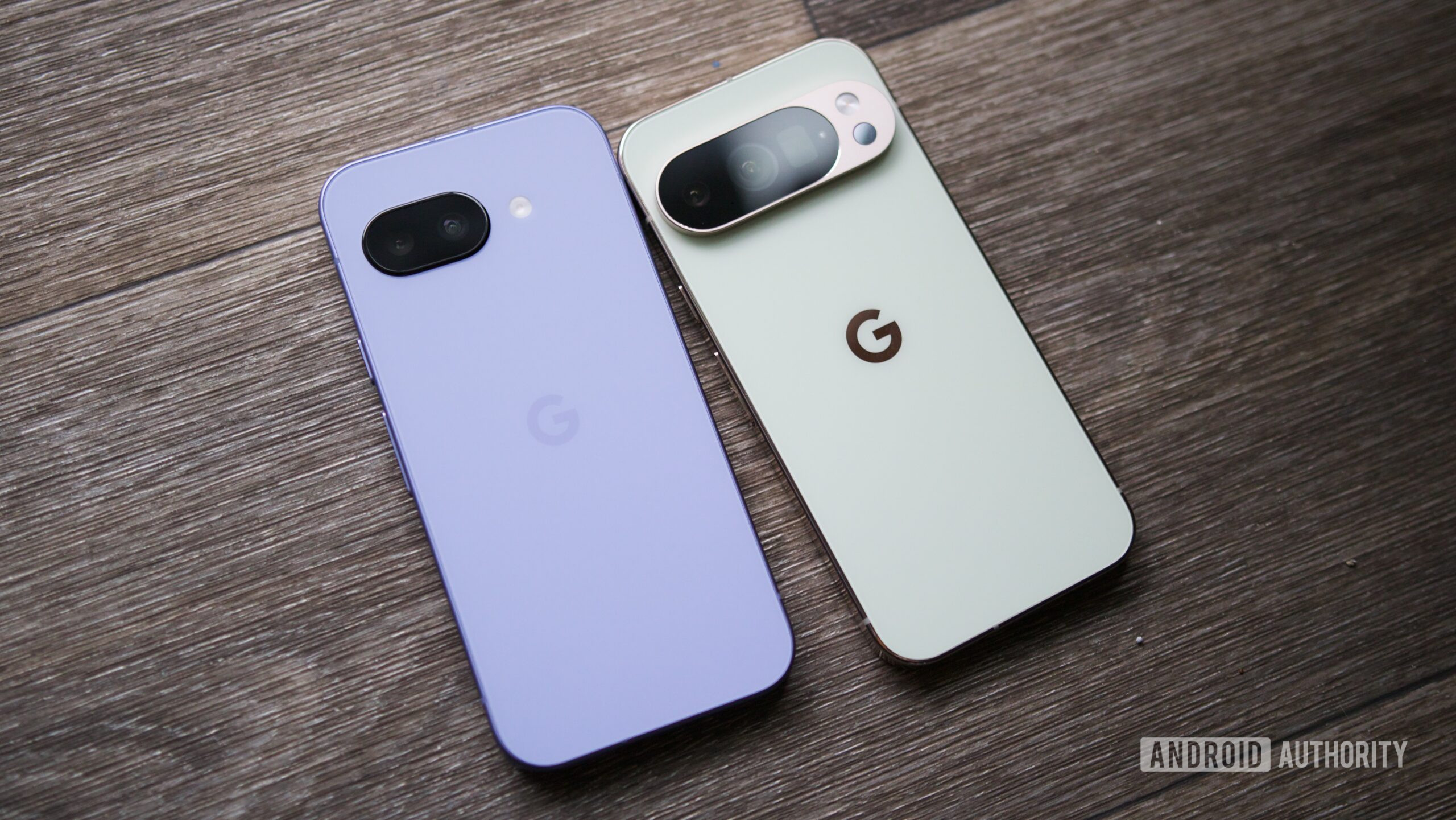
The Pixel 9a and Pixel 10 Pro next to each other.


Besides, the Pixel 9a had already carved out enough of a niche to justify its existence separate from the flagship Pixel lineup. Its design is distinct, its cameras are different without a telephoto sensor, and its battery is already bigger than all but the Pixel 10 Pro XL. For Google to make many changes would come just a bit too close to recreating a phone that already exists. And, if you’re going to make a Tensor G4-powered phone with three cameras, why wouldn’t you just go back and buy a Pixel 9 Pro?

Maybe there’s another way to look at this, which is that if you don’t have anything to say, why say anything at all? Google might have decided that its mid-ranger didn’t have anything meaningful to say now that it’s at the top of the podium, so it’s refreshing its colors and calling it a day.

Software support is what really matters​

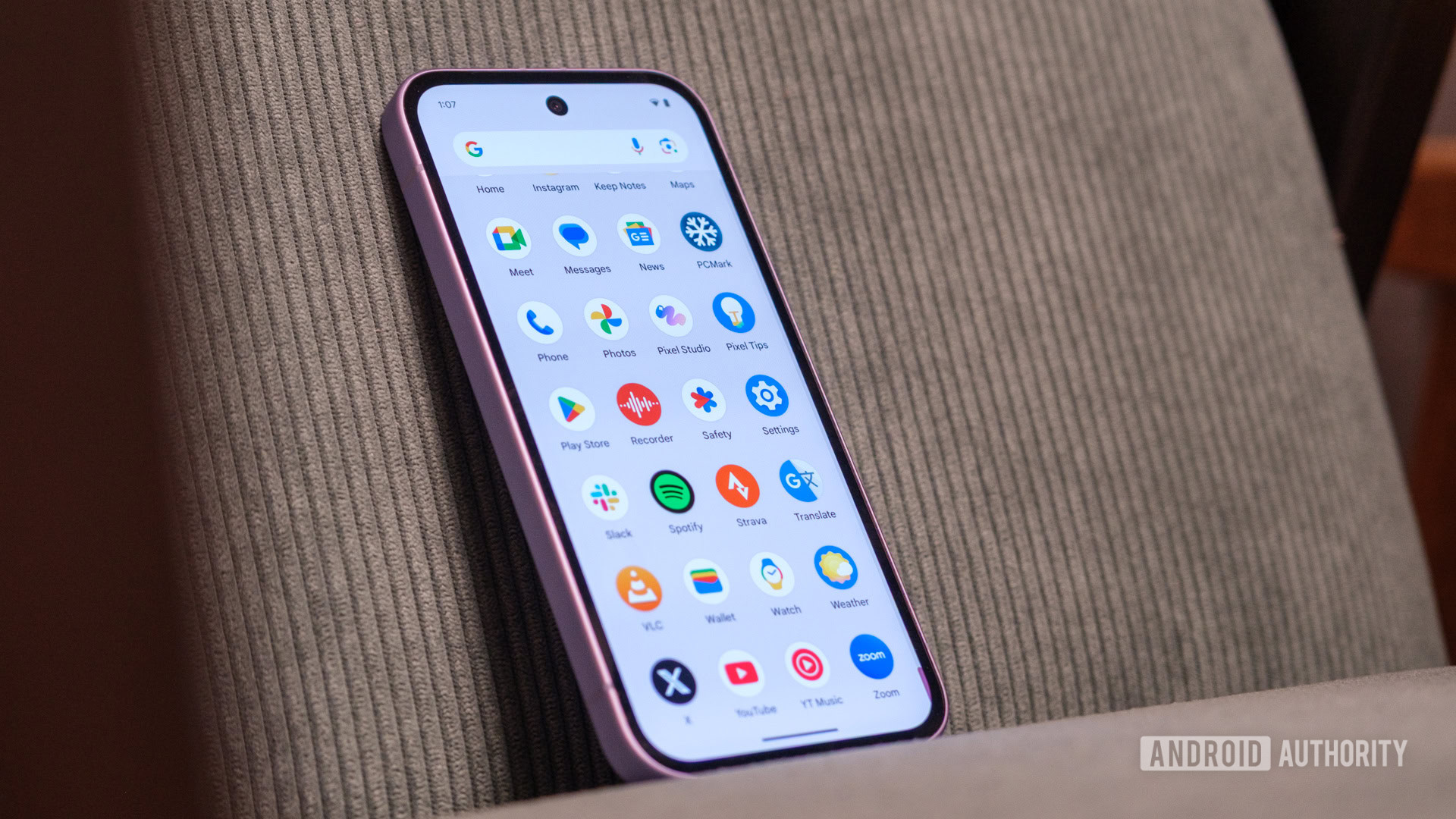
Google Pixel 9a app drawer


And honestly, when you’re probably going to put your Pixel 10a into a case shortly after you get it, who really cares about what it looks like? Not me. If I did, I probably would have ragged on the simplified design rather than praising Google’s clever way to shift its camera sensors into the body of the phone. Google’s design is fine, and if you’re buying a phone solely for its looks, I have bigger questions for you.

Why? Because software is more important, of course. What you can actually do with a phone, and how long you can do it for, is the real key to deciding when to upgrade. And, on that front, I’m not about to complain one bit about the Pixel 10a. It’s going to get seven years of updates, which means Android versions and security patches. Split up Google’s expected price of $499 across that length of time, and you’re looking at an almost-flagship phone that costs no more than a flagship video game.

Google's mid-ranger is going to get seven years of updates, and that's valuable no matter the price.

Granted, those updates won’t keep the Pixel 10a on par with Google’s newer flagships, nor will they match whatever Pixel A generation gets the Tensor G5 chip, but that’s okay. Realistically, most people will probably stick to the basics of what Gemini can do, which means some mix of Pixel Studio, Gemini Live, and infusing Gemini into apps like Maps and Gmail. They might not need Pixel Screenshots, nor will they be asking their Pixel 10a to run Nano Banana very often.

Close-up of a leaked Google Pixel 10a render.


And, if you’re not going to use some of those top-tier features, why worry about them? You can buy a Pixel 10a knowing it’ll be supported well into the 2030s, and you probably won’t have to think about your next upgrade until we’re talking about the Tensor G10. You could also pick up a Pixel 9a right now and get all of that convenience, just with one fewer year of updates — it won’t make much difference.

Then again, you could list everything that I just praised as a problem. You could point out that Google probably doesn’t need to make this phone, and I wouldn’t have much reason to disagree. We might have reached a point where we don’t need a new phone every year, and I’ll be pleased if the Pixel 10a is the one that starts that discussion.

But, if you’re not ready to have that conversation, you can buy the Pixel 9a right here instead.

 

limmk

High Supremacy Member
Joined
Jul 5, 2001
Messages
40,952
Reaction score
8,164


Most of the time, it’s easy to put stock into the phrase “if it ain’t broke, don’t fix it.” After all, when it comes to things like a favorite pair of shoes, a favorite bike, or a go-to recipe that you’ve trusted for years, there’s almost no need to rock the boat. You’re probably not going to make your favorite thing much better, so why change it at all?

Well, the opposite usually holds true in the tech space. When it comes to phones, headphones, and even digital cameras, it’s always been about getting just a little bit better.

But now that we’re seeing leaks of the Pixel 10a, it looks like Google is bucking that trend. It’s keeping the features that already made its mid-ranger great, and I think it’s the best possible choice. Here’s why.

Real-world practicality always beats minor updates​


The thing with minor updates is that they so often open the door to disappointment. After calling the Pixel 9a the best $500 phone I’d ever tested, it’s hard not to expect a minor tweak to make things worse. Google choosing to mess with the careful balance between hardware and software could easily lead to a Galaxy A56 situation — making a mid-range phone that misses the mark by promising too much and delivering too little.

The thing with minor updates is that they so often open the door to disappointment. After calling the Pixel 9a the best $500 phone I’d ever tested, it’s hard not to expect a minor tweak to make things worse. Google choosing to mess with the careful balance between hardware and software could easily lead to a Galaxy A56 situation — making a mid-range phone that misses the mark by promising too much and delivering too little.

Luckily for Google, its Pixel A series has never been about promising the world. It’s been about giving you access to the best of Pixel power with a few carefully chosen omissions to keep the price in check. Look no further than the Tensor chip. It powers all of Google’s phones, yet isn’t overly concerned with benchmarking against the likes of the Snapdragon 8 Elite or Apple’s A19 Pro. Although it doesn’t benchmark with the best of them, Google’s Tensor chip has always powered an encyclopedia of Gemini features and image-processing capabilities — the things you actually want in a Pixel phone.

Google nailed the Pixel 9a's hardware, what's it really supposed to make better?

So, when I saw that the Pixel 10a would be sticking with many of the same internals from the Pixel 9a, I wasn’t phased. Would I have liked to see Google use its fully custom Tensor G5 chipset? Sure, it probably would have opened the door to several more features. However, it would put the expected $500 price point at risk, potentially closing the gap on the Pixel 10 and leading to, well, the mid-range Samsung situation I talked about.

The Pixel 9a and Pixel 10 Pro next to each other.


Besides, the Pixel 9a had already carved out enough of a niche to justify its existence separate from the flagship Pixel lineup. Its design is distinct, its cameras are different without a telephoto sensor, and its battery is already bigger than all but the Pixel 10 Pro XL. For Google to make many changes would come just a bit too close to recreating a phone that already exists. And, if you’re going to make a Tensor G4-powered phone with three cameras, why wouldn’t you just go back and buy a Pixel 9 Pro?

Maybe there’s another way to look at this, which is that if you don’t have anything to say, why say anything at all? Google might have decided that its mid-ranger didn’t have anything meaningful to say now that it’s at the top of the podium, so it’s refreshing its colors and calling it a day.

Software support is what really matters​

Google Pixel 9a app drawer


And honestly, when you’re probably going to put your Pixel 10a into a case shortly after you get it, who really cares about what it looks like? Not me. If I did, I probably would have ragged on the simplified design rather than praising Google’s clever way to shift its camera sensors into the body of the phone. Google’s design is fine, and if you’re buying a phone solely for its looks, I have bigger questions for you.

Why? Because software is more important, of course. What you can actually do with a phone, and how long you can do it for, is the real key to deciding when to upgrade. And, on that front, I’m not about to complain one bit about the Pixel 10a. It’s going to get seven years of updates, which means Android versions and security patches. Split up Google’s expected price of $499 across that length of time, and you’re looking at an almost-flagship phone that costs no more than a flagship video game.

Google's mid-ranger is going to get seven years of updates, and that's valuable no matter the price.

Granted, those updates won’t keep the Pixel 10a on par with Google’s newer flagships, nor will they match whatever Pixel A generation gets the Tensor G5 chip, but that’s okay. Realistically, most people will probably stick to the basics of what Gemini can do, which means some mix of Pixel Studio, Gemini Live, and infusing Gemini into apps like Maps and Gmail. They might not need Pixel Screenshots, nor will they be asking their Pixel 10a to run Nano Banana very often.

Close-up of a leaked Google Pixel 10a render.


And, if you’re not going to use some of those top-tier features, why worry about them? You can buy a Pixel 10a knowing it’ll be supported well into the 2030s, and you probably won’t have to think about your next upgrade until we’re talking about the Tensor G10. You could also pick up a Pixel 9a right now and get all of that convenience, just with one fewer year of updates — it won’t make much difference.

Then again, you could list everything that I just praised as a problem. You could point out that Google probably doesn’t need to make this phone, and I wouldn’t have much reason to disagree. We might have reached a point where we don’t need a new phone every year, and I’ll be pleased if the Pixel 10a is the one that starts that discussion.

But, if you’re not ready to have that conversation, you can buy the Pixel 9a right here instead.
 

limmk

High Supremacy Member
Joined
Jul 5, 2001
Messages
40,952
Reaction score
8,164


Most of the time, it’s easy to put stock into the phrase “if it ain’t broke, don’t fix it.” After all, when it comes to things like a favorite pair of shoes, a favorite bike, or a go-to recipe that you’ve trusted for years, there’s almost no need to rock the boat. You’re probably not going to make your favorite thing much better, so why change it at all?

Well, the opposite usually holds true in the tech space. When it comes to phones, headphones, and even digital cameras, it’s always been about getting just a little bit better.

But now that we’re seeing leaks of the Pixel 10a, it looks like Google is bucking that trend. It’s keeping the features that already made its mid-ranger great, and I think it’s the best possible choice. Here’s why.

Real-world practicality always beats minor updates​


The thing with minor updates is that they so often open the door to disappointment. After calling the Pixel 9a the best $500 phone I’d ever tested, it’s hard not to expect a minor tweak to make things worse. Google choosing to mess with the careful balance between hardware and software could easily lead to a Galaxy A56 situation — making a mid-range phone that misses the mark by promising too much and delivering too little.

The thing with minor updates is that they so often open the door to disappointment. After calling the Pixel 9a the best $500 phone I’d ever tested, it’s hard not to expect a minor tweak to make things worse. Google choosing to mess with the careful balance between hardware and software could easily lead to a Galaxy A56 situation — making a mid-range phone that misses the mark by promising too much and delivering too little.

Luckily for Google, its Pixel A series has never been about promising the world. It’s been about giving you access to the best of Pixel power with a few carefully chosen omissions to keep the price in check. Look no further than the Tensor chip. It powers all of Google’s phones, yet isn’t overly concerned with benchmarking against the likes of the Snapdragon 8 Elite or Apple’s A19 Pro. Although it doesn’t benchmark with the best of them, Google’s Tensor chip has always powered an encyclopedia of Gemini features and image-processing capabilities — the things you actually want in a Pixel phone.

Google nailed the Pixel 9a's hardware, what's it really supposed to make better?

So, when I saw that the Pixel 10a would be sticking with many of the same internals from the Pixel 9a, I wasn’t phased. Would I have liked to see Google use its fully custom Tensor G5 chipset? Sure, it probably would have opened the door to several more features. However, it would put the expected $500 price point at risk, potentially closing the gap on the Pixel 10 and leading to, well, the mid-range Samsung situation I talked about.

The Pixel 9a and Pixel 10 Pro next to each other.


Besides, the Pixel 9a had already carved out enough of a niche to justify its existence separate from the flagship Pixel lineup. Its design is distinct, its cameras are different without a telephoto sensor, and its battery is already bigger than all but the Pixel 10 Pro XL. For Google to make many changes would come just a bit too close to recreating a phone that already exists. And, if you’re going to make a Tensor G4-powered phone with three cameras, why wouldn’t you just go back and buy a Pixel 9 Pro?

Maybe there’s another way to look at this, which is that if you don’t have anything to say, why say anything at all? Google might have decided that its mid-ranger didn’t have anything meaningful to say now that it’s at the top of the podium, so it’s refreshing its colors and calling it a day.

Software support is what really matters​

Google Pixel 9a app drawer


And honestly, when you’re probably going to put your Pixel 10a into a case shortly after you get it, who really cares about what it looks like? Not me. If I did, I probably would have ragged on the simplified design rather than praising Google’s clever way to shift its camera sensors into the body of the phone. Google’s design is fine, and if you’re buying a phone solely for its looks, I have bigger questions for you.

Why? Because software is more important, of course. What you can actually do with a phone, and how long you can do it for, is the real key to deciding when to upgrade. And, on that front, I’m not about to complain one bit about the Pixel 10a. It’s going to get seven years of updates, which means Android versions and security patches. Split up Google’s expected price of $499 across that length of time, and you’re looking at an almost-flagship phone that costs no more than a flagship video game.

Google's mid-ranger is going to get seven years of updates, and that's valuable no matter the price.

Granted, those updates won’t keep the Pixel 10a on par with Google’s newer flagships, nor will they match whatever Pixel A generation gets the Tensor G5 chip, but that’s okay. Realistically, most people will probably stick to the basics of what Gemini can do, which means some mix of Pixel Studio, Gemini Live, and infusing Gemini into apps like Maps and Gmail. They might not need Pixel Screenshots, nor will they be asking their Pixel 10a to run Nano Banana very often.

Close-up of a leaked Google Pixel 10a render.


And, if you’re not going to use some of those top-tier features, why worry about them? You can buy a Pixel 10a knowing it’ll be supported well into the 2030s, and you probably won’t have to think about your next upgrade until we’re talking about the Tensor G10. You could also pick up a Pixel 9a right now and get all of that convenience, just with one fewer year of updates — it won’t make much difference.

Then again, you could list everything that I just praised as a problem. You could point out that Google probably doesn’t need to make this phone, and I wouldn’t have much reason to disagree. We might have reached a point where we don’t need a new phone every year, and I’ll be pleased if the Pixel 10a is the one that starts that discussion.

But, if you’re not ready to have that conversation, you can buy the Pixel 9a right here instead.
 
Important Forum Advisory Note
This forum is moderated by volunteer moderators who will react only to members' feedback on posts. Moderators are not employees or representatives of HWZ Forums. Forum members and moderators are responsible for their own posts. Please refer to our Community Guidelines and Standards and Terms and Conditions for more information.
Top