Google Pixel 10a

limmk

High Supremacy Member
Joined
Jul 5, 2001
Messages
39,422
Reaction score
7,976


Most of the time, it’s easy to put stock into the phrase “if it ain’t broke, don’t fix it.” After all, when it comes to things like a favorite pair of shoes, a favorite bike, or a go-to recipe that you’ve trusted for years, there’s almost no need to rock the boat. You’re probably not going to make your favorite thing much better, so why change it at all?

Well, the opposite usually holds true in the tech space. When it comes to phones, headphones, and even digital cameras, it’s always been about getting just a little bit better.

But now that we’re seeing leaks of the Pixel 10a, it looks like Google is bucking that trend. It’s keeping the features that already made its mid-ranger great, and I think it’s the best possible choice. Here’s why.

Real-world practicality always beats minor updates​


The thing with minor updates is that they so often open the door to disappointment. After calling the Pixel 9a the best $500 phone I’d ever tested, it’s hard not to expect a minor tweak to make things worse. Google choosing to mess with the careful balance between hardware and software could easily lead to a Galaxy A56 situation — making a mid-range phone that misses the mark by promising too much and delivering too little.

The thing with minor updates is that they so often open the door to disappointment. After calling the Pixel 9a the best $500 phone I’d ever tested, it’s hard not to expect a minor tweak to make things worse. Google choosing to mess with the careful balance between hardware and software could easily lead to a Galaxy A56 situation — making a mid-range phone that misses the mark by promising too much and delivering too little.

Luckily for Google, its Pixel A series has never been about promising the world. It’s been about giving you access to the best of Pixel power with a few carefully chosen omissions to keep the price in check. Look no further than the Tensor chip. It powers all of Google’s phones, yet isn’t overly concerned with benchmarking against the likes of the Snapdragon 8 Elite or Apple’s A19 Pro. Although it doesn’t benchmark with the best of them, Google’s Tensor chip has always powered an encyclopedia of Gemini features and image-processing capabilities — the things you actually want in a Pixel phone.

Google nailed the Pixel 9a's hardware, what's it really supposed to make better?

So, when I saw that the Pixel 10a would be sticking with many of the same internals from the Pixel 9a, I wasn’t phased. Would I have liked to see Google use its fully custom Tensor G5 chipset? Sure, it probably would have opened the door to several more features. However, it would put the expected $500 price point at risk, potentially closing the gap on the Pixel 10 and leading to, well, the mid-range Samsung situation I talked about.
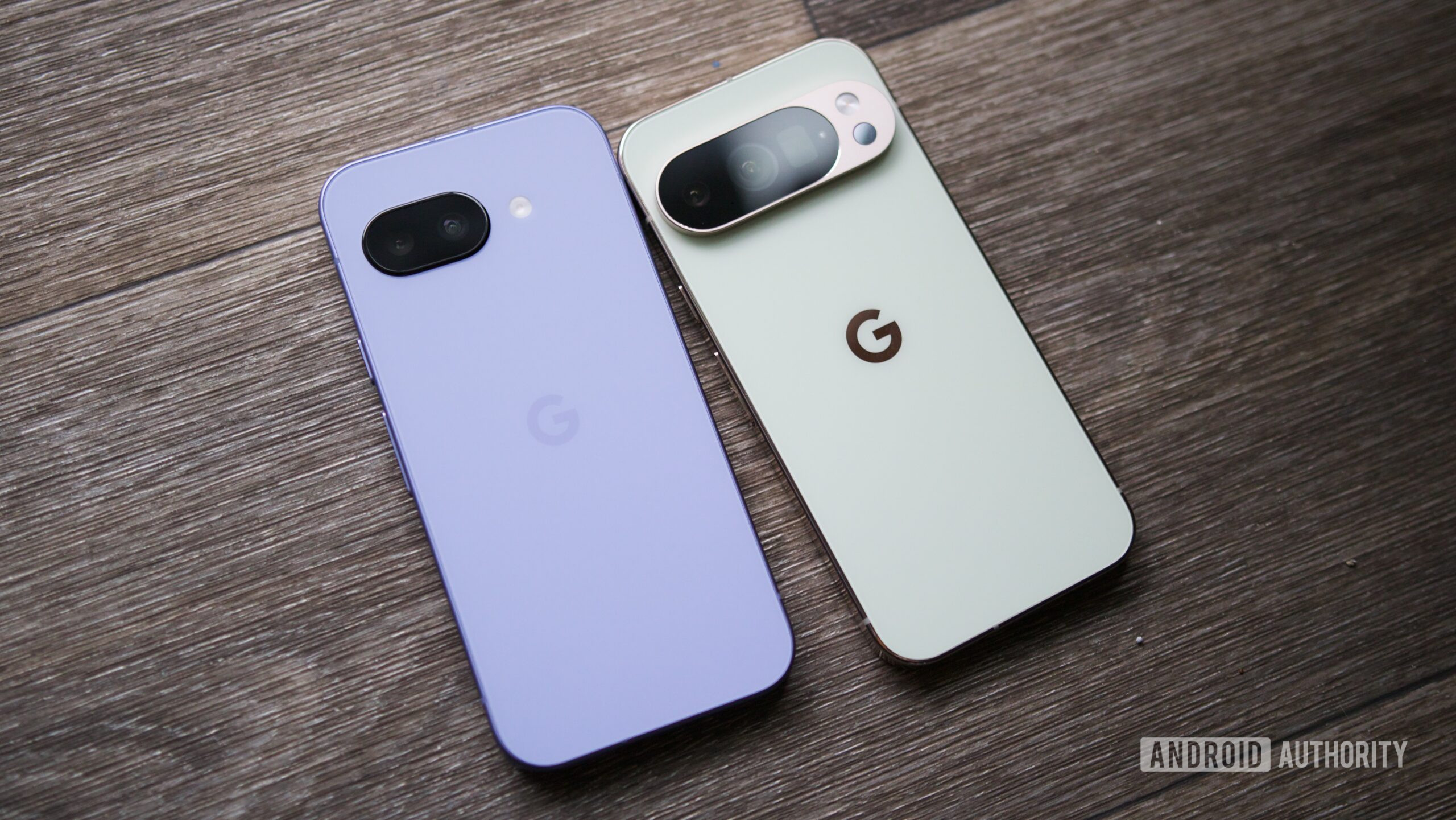
The Pixel 9a and Pixel 10 Pro next to each other.


Besides, the Pixel 9a had already carved out enough of a niche to justify its existence separate from the flagship Pixel lineup. Its design is distinct, its cameras are different without a telephoto sensor, and its battery is already bigger than all but the Pixel 10 Pro XL. For Google to make many changes would come just a bit too close to recreating a phone that already exists. And, if you’re going to make a Tensor G4-powered phone with three cameras, why wouldn’t you just go back and buy a Pixel 9 Pro?

Maybe there’s another way to look at this, which is that if you don’t have anything to say, why say anything at all? Google might have decided that its mid-ranger didn’t have anything meaningful to say now that it’s at the top of the podium, so it’s refreshing its colors and calling it a day.

Software support is what really matters​

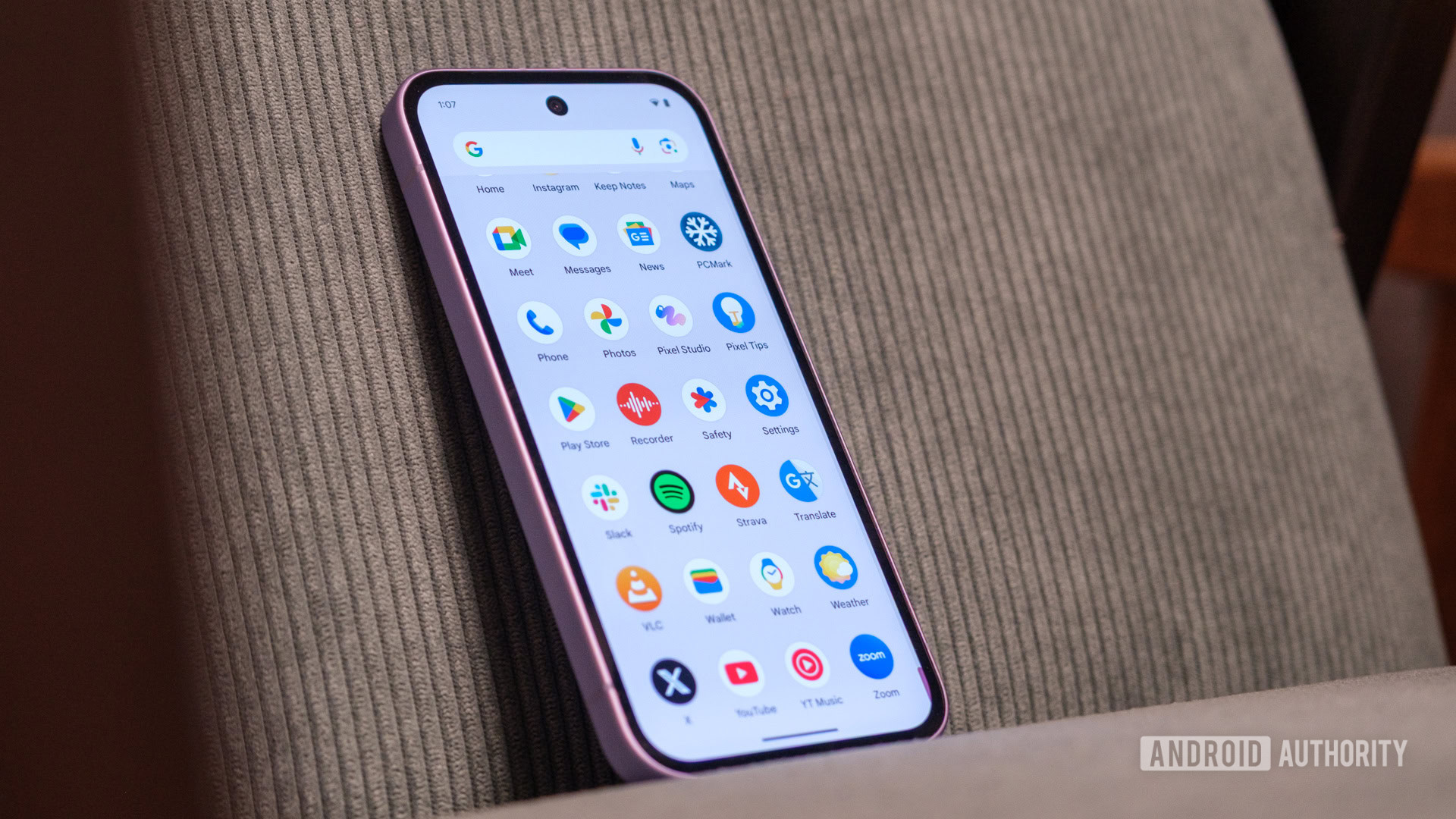
Google Pixel 9a app drawer


And honestly, when you’re probably going to put your Pixel 10a into a case shortly after you get it, who really cares about what it looks like? Not me. If I did, I probably would have ragged on the simplified design rather than praising Google’s clever way to shift its camera sensors into the body of the phone. Google’s design is fine, and if you’re buying a phone solely for its looks, I have bigger questions for you.

Why? Because software is more important, of course. What you can actually do with a phone, and how long you can do it for, is the real key to deciding when to upgrade. And, on that front, I’m not about to complain one bit about the Pixel 10a. It’s going to get seven years of updates, which means Android versions and security patches. Split up Google’s expected price of $499 across that length of time, and you’re looking at an almost-flagship phone that costs no more than a flagship video game.

Google's mid-ranger is going to get seven years of updates, and that's valuable no matter the price.

Granted, those updates won’t keep the Pixel 10a on par with Google’s newer flagships, nor will they match whatever Pixel A generation gets the Tensor G5 chip, but that’s okay. Realistically, most people will probably stick to the basics of what Gemini can do, which means some mix of Pixel Studio, Gemini Live, and infusing Gemini into apps like Maps and Gmail. They might not need Pixel Screenshots, nor will they be asking their Pixel 10a to run Nano Banana very often.
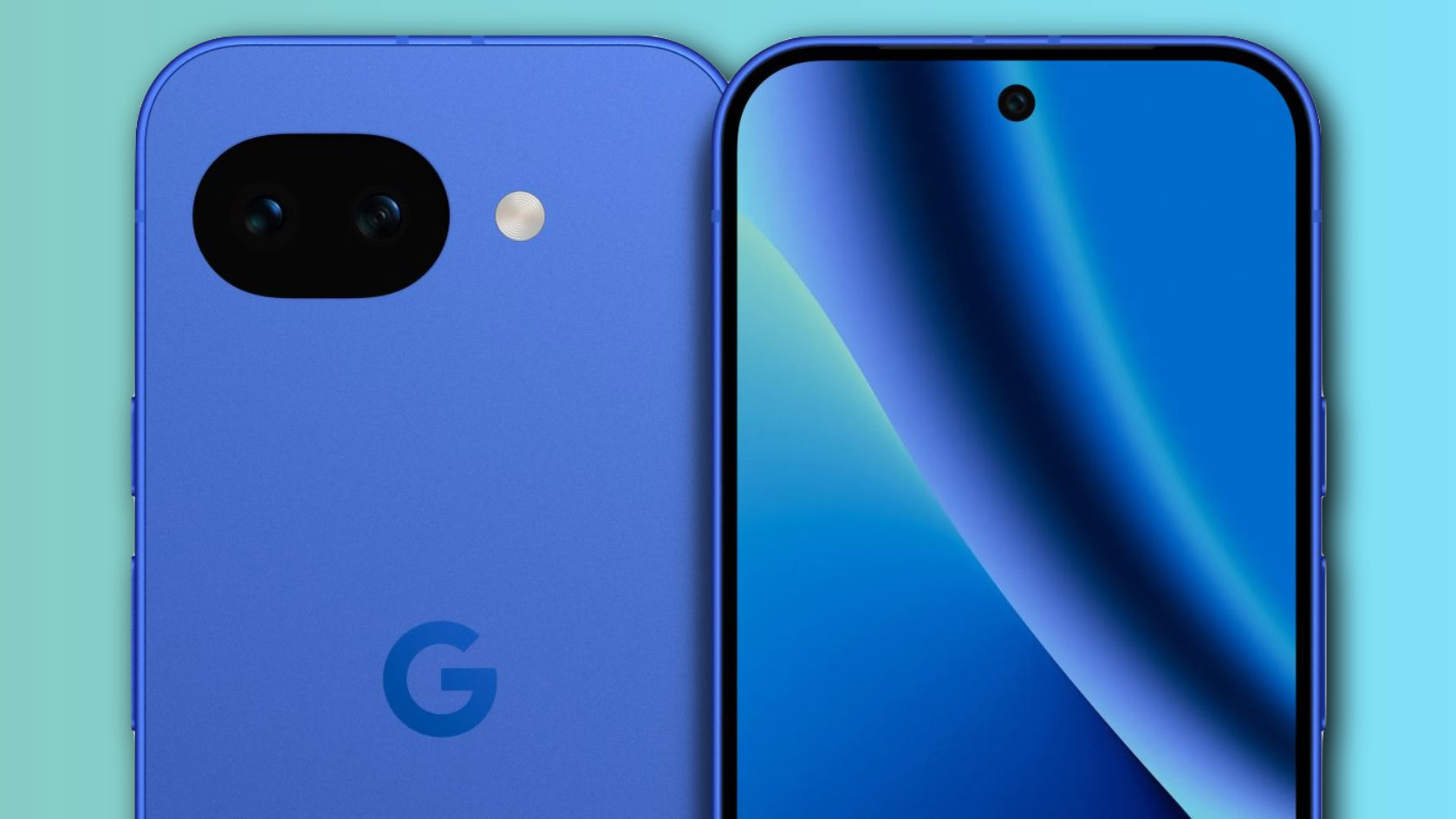
Close-up of a leaked Google Pixel 10a render.


And, if you’re not going to use some of those top-tier features, why worry about them? You can buy a Pixel 10a knowing it’ll be supported well into the 2030s, and you probably won’t have to think about your next upgrade until we’re talking about the Tensor G10. You could also pick up a Pixel 9a right now and get all of that convenience, just with one fewer year of updates — it won’t make much difference.

Then again, you could list everything that I just praised as a problem. You could point out that Google probably doesn’t need to make this phone, and I wouldn’t have much reason to disagree. We might have reached a point where we don’t need a new phone every year, and I’ll be pleased if the Pixel 10a is the one that starts that discussion.

But, if you’re not ready to have that conversation, you can buy the Pixel 9a right here instead.
 

limmk

High Supremacy Member
Joined
Jul 5, 2001
Messages
39,422
Reaction score
7,976


Most of the time, it’s easy to put stock into the phrase “if it ain’t broke, don’t fix it.” After all, when it comes to things like a favorite pair of shoes, a favorite bike, or a go-to recipe that you’ve trusted for years, there’s almost no need to rock the boat. You’re probably not going to make your favorite thing much better, so why change it at all?

Well, the opposite usually holds true in the tech space. When it comes to phones, headphones, and even digital cameras, it’s always been about getting just a little bit better.

But now that we’re seeing leaks of the Pixel 10a, it looks like Google is bucking that trend. It’s keeping the features that already made its mid-ranger great, and I think it’s the best possible choice. Here’s why.

Real-world practicality always beats minor updates​


The thing with minor updates is that they so often open the door to disappointment. After calling the Pixel 9a the best $500 phone I’d ever tested, it’s hard not to expect a minor tweak to make things worse. Google choosing to mess with the careful balance between hardware and software could easily lead to a Galaxy A56 situation — making a mid-range phone that misses the mark by promising too much and delivering too little.

The thing with minor updates is that they so often open the door to disappointment. After calling the Pixel 9a the best $500 phone I’d ever tested, it’s hard not to expect a minor tweak to make things worse. Google choosing to mess with the careful balance between hardware and software could easily lead to a Galaxy A56 situation — making a mid-range phone that misses the mark by promising too much and delivering too little.

Luckily for Google, its Pixel A series has never been about promising the world. It’s been about giving you access to the best of Pixel power with a few carefully chosen omissions to keep the price in check. Look no further than the Tensor chip. It powers all of Google’s phones, yet isn’t overly concerned with benchmarking against the likes of the Snapdragon 8 Elite or Apple’s A19 Pro. Although it doesn’t benchmark with the best of them, Google’s Tensor chip has always powered an encyclopedia of Gemini features and image-processing capabilities — the things you actually want in a Pixel phone.

Google nailed the Pixel 9a's hardware, what's it really supposed to make better?

So, when I saw that the Pixel 10a would be sticking with many of the same internals from the Pixel 9a, I wasn’t phased. Would I have liked to see Google use its fully custom Tensor G5 chipset? Sure, it probably would have opened the door to several more features. However, it would put the expected $500 price point at risk, potentially closing the gap on the Pixel 10 and leading to, well, the mid-range Samsung situation I talked about.

The Pixel 9a and Pixel 10 Pro next to each other.


Besides, the Pixel 9a had already carved out enough of a niche to justify its existence separate from the flagship Pixel lineup. Its design is distinct, its cameras are different without a telephoto sensor, and its battery is already bigger than all but the Pixel 10 Pro XL. For Google to make many changes would come just a bit too close to recreating a phone that already exists. And, if you’re going to make a Tensor G4-powered phone with three cameras, why wouldn’t you just go back and buy a Pixel 9 Pro?

Maybe there’s another way to look at this, which is that if you don’t have anything to say, why say anything at all? Google might have decided that its mid-ranger didn’t have anything meaningful to say now that it’s at the top of the podium, so it’s refreshing its colors and calling it a day.

Software support is what really matters​

Google Pixel 9a app drawer


And honestly, when you’re probably going to put your Pixel 10a into a case shortly after you get it, who really cares about what it looks like? Not me. If I did, I probably would have ragged on the simplified design rather than praising Google’s clever way to shift its camera sensors into the body of the phone. Google’s design is fine, and if you’re buying a phone solely for its looks, I have bigger questions for you.

Why? Because software is more important, of course. What you can actually do with a phone, and how long you can do it for, is the real key to deciding when to upgrade. And, on that front, I’m not about to complain one bit about the Pixel 10a. It’s going to get seven years of updates, which means Android versions and security patches. Split up Google’s expected price of $499 across that length of time, and you’re looking at an almost-flagship phone that costs no more than a flagship video game.

Google's mid-ranger is going to get seven years of updates, and that's valuable no matter the price.

Granted, those updates won’t keep the Pixel 10a on par with Google’s newer flagships, nor will they match whatever Pixel A generation gets the Tensor G5 chip, but that’s okay. Realistically, most people will probably stick to the basics of what Gemini can do, which means some mix of Pixel Studio, Gemini Live, and infusing Gemini into apps like Maps and Gmail. They might not need Pixel Screenshots, nor will they be asking their Pixel 10a to run Nano Banana very often.

Close-up of a leaked Google Pixel 10a render.


And, if you’re not going to use some of those top-tier features, why worry about them? You can buy a Pixel 10a knowing it’ll be supported well into the 2030s, and you probably won’t have to think about your next upgrade until we’re talking about the Tensor G10. You could also pick up a Pixel 9a right now and get all of that convenience, just with one fewer year of updates — it won’t make much difference.

Then again, you could list everything that I just praised as a problem. You could point out that Google probably doesn’t need to make this phone, and I wouldn’t have much reason to disagree. We might have reached a point where we don’t need a new phone every year, and I’ll be pleased if the Pixel 10a is the one that starts that discussion.

But, if you’re not ready to have that conversation, you can buy the Pixel 9a right here instead.
 

limmk

High Supremacy Member
Joined
Jul 5, 2001
Messages
39,422
Reaction score
7,976


Most of the time, it’s easy to put stock into the phrase “if it ain’t broke, don’t fix it.” After all, when it comes to things like a favorite pair of shoes, a favorite bike, or a go-to recipe that you’ve trusted for years, there’s almost no need to rock the boat. You’re probably not going to make your favorite thing much better, so why change it at all?

Well, the opposite usually holds true in the tech space. When it comes to phones, headphones, and even digital cameras, it’s always been about getting just a little bit better.

But now that we’re seeing leaks of the Pixel 10a, it looks like Google is bucking that trend. It’s keeping the features that already made its mid-ranger great, and I think it’s the best possible choice. Here’s why.

Real-world practicality always beats minor updates​


The thing with minor updates is that they so often open the door to disappointment. After calling the Pixel 9a the best $500 phone I’d ever tested, it’s hard not to expect a minor tweak to make things worse. Google choosing to mess with the careful balance between hardware and software could easily lead to a Galaxy A56 situation — making a mid-range phone that misses the mark by promising too much and delivering too little.

The thing with minor updates is that they so often open the door to disappointment. After calling the Pixel 9a the best $500 phone I’d ever tested, it’s hard not to expect a minor tweak to make things worse. Google choosing to mess with the careful balance between hardware and software could easily lead to a Galaxy A56 situation — making a mid-range phone that misses the mark by promising too much and delivering too little.

Luckily for Google, its Pixel A series has never been about promising the world. It’s been about giving you access to the best of Pixel power with a few carefully chosen omissions to keep the price in check. Look no further than the Tensor chip. It powers all of Google’s phones, yet isn’t overly concerned with benchmarking against the likes of the Snapdragon 8 Elite or Apple’s A19 Pro. Although it doesn’t benchmark with the best of them, Google’s Tensor chip has always powered an encyclopedia of Gemini features and image-processing capabilities — the things you actually want in a Pixel phone.

Google nailed the Pixel 9a's hardware, what's it really supposed to make better?

So, when I saw that the Pixel 10a would be sticking with many of the same internals from the Pixel 9a, I wasn’t phased. Would I have liked to see Google use its fully custom Tensor G5 chipset? Sure, it probably would have opened the door to several more features. However, it would put the expected $500 price point at risk, potentially closing the gap on the Pixel 10 and leading to, well, the mid-range Samsung situation I talked about.

The Pixel 9a and Pixel 10 Pro next to each other.


Besides, the Pixel 9a had already carved out enough of a niche to justify its existence separate from the flagship Pixel lineup. Its design is distinct, its cameras are different without a telephoto sensor, and its battery is already bigger than all but the Pixel 10 Pro XL. For Google to make many changes would come just a bit too close to recreating a phone that already exists. And, if you’re going to make a Tensor G4-powered phone with three cameras, why wouldn’t you just go back and buy a Pixel 9 Pro?

Maybe there’s another way to look at this, which is that if you don’t have anything to say, why say anything at all? Google might have decided that its mid-ranger didn’t have anything meaningful to say now that it’s at the top of the podium, so it’s refreshing its colors and calling it a day.

Software support is what really matters​

Google Pixel 9a app drawer


And honestly, when you’re probably going to put your Pixel 10a into a case shortly after you get it, who really cares about what it looks like? Not me. If I did, I probably would have ragged on the simplified design rather than praising Google’s clever way to shift its camera sensors into the body of the phone. Google’s design is fine, and if you’re buying a phone solely for its looks, I have bigger questions for you.

Why? Because software is more important, of course. What you can actually do with a phone, and how long you can do it for, is the real key to deciding when to upgrade. And, on that front, I’m not about to complain one bit about the Pixel 10a. It’s going to get seven years of updates, which means Android versions and security patches. Split up Google’s expected price of $499 across that length of time, and you’re looking at an almost-flagship phone that costs no more than a flagship video game.

Google's mid-ranger is going to get seven years of updates, and that's valuable no matter the price.

Granted, those updates won’t keep the Pixel 10a on par with Google’s newer flagships, nor will they match whatever Pixel A generation gets the Tensor G5 chip, but that’s okay. Realistically, most people will probably stick to the basics of what Gemini can do, which means some mix of Pixel Studio, Gemini Live, and infusing Gemini into apps like Maps and Gmail. They might not need Pixel Screenshots, nor will they be asking their Pixel 10a to run Nano Banana very often.

Close-up of a leaked Google Pixel 10a render.


And, if you’re not going to use some of those top-tier features, why worry about them? You can buy a Pixel 10a knowing it’ll be supported well into the 2030s, and you probably won’t have to think about your next upgrade until we’re talking about the Tensor G10. You could also pick up a Pixel 9a right now and get all of that convenience, just with one fewer year of updates — it won’t make much difference.

Then again, you could list everything that I just praised as a problem. You could point out that Google probably doesn’t need to make this phone, and I wouldn’t have much reason to disagree. We might have reached a point where we don’t need a new phone every year, and I’ll be pleased if the Pixel 10a is the one that starts that discussion.

But, if you’re not ready to have that conversation, you can buy the Pixel 9a right here instead.
 

Vulpix

Moderator
Moderator
Joined
Jan 1, 2000
Messages
105,194
Reaction score
3,760
Why the 10a look like an iPhone? They also never show the screen? Will it have huge bezels?
 

limmk

High Supremacy Member
Joined
Jul 5, 2001
Messages
39,422
Reaction score
7,976


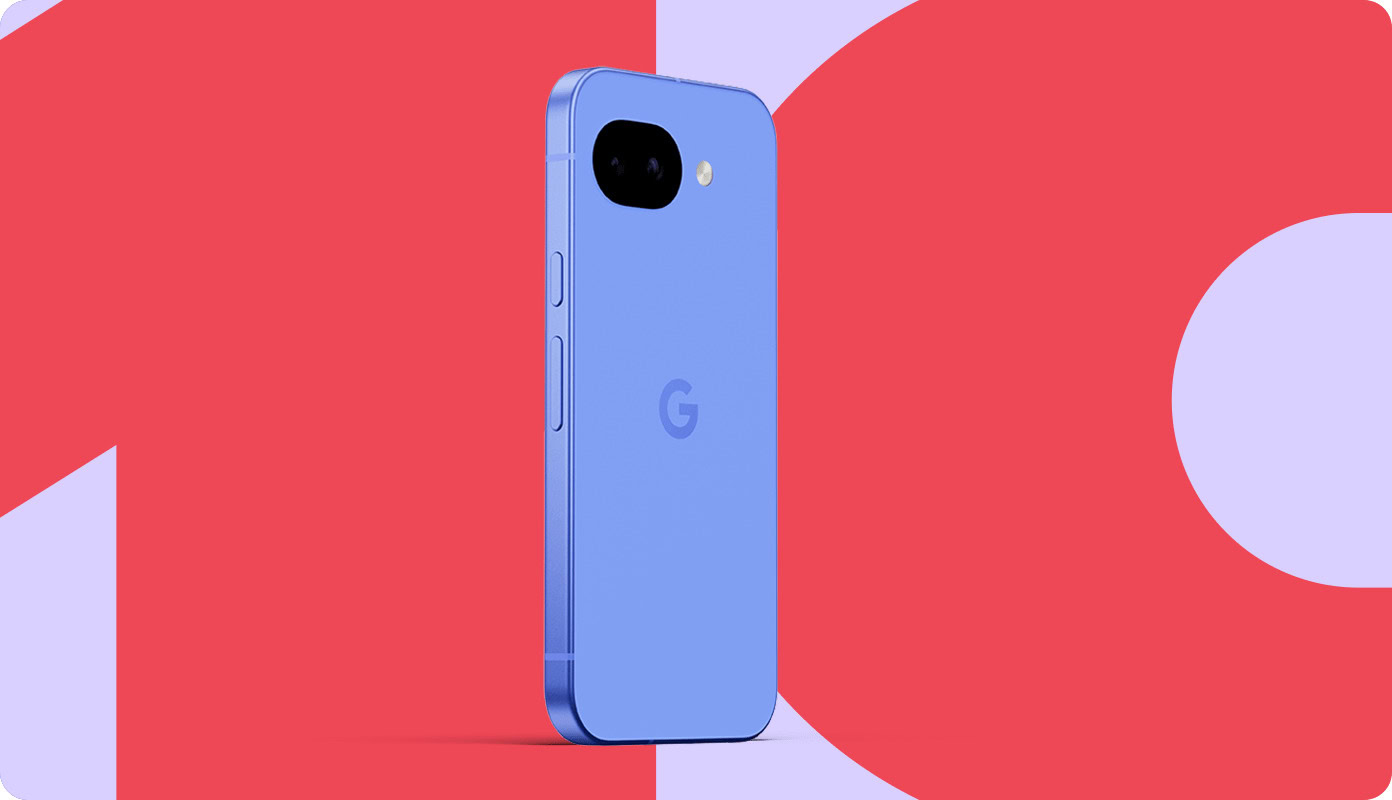
The Pixel 10a, Google’s next smartphone, went on full display this week. On the same day that official-looking renders and marketing images of the phone leaked online, Google also teased the phone itself — confirming its name, design, and February 18 release date.

Naturally, there’s been ample discussion about the Pixel 10a since this happened — and much of it has centered on the phone’s bezels. Specifically, there are people harping on the 10a’s bezels for being “ugly,” “hot garbage,” and “a crime.”

I’ve looked at the renders and the bezels myself, and it’s left me with just one question: Are we serious about this?

These are the bezels you’re getting so worked up about?​

A leaked render of the Google Pixel 10a against a light blue background.


If you haven’t seen the Pixel 10a’s bezels, or need a refresher, here’s what they look like.

Right off the bat, we can see that — yes — these are larger bezels compared to other phones on the market today. They’re thicker than the bezels on Google’s more expensive Pixel 10 and Pixel 10 Pro handsets, and even compared to Samsung’s Galaxy A56 5G (which we expect the Pixel 10a to be similarly-priced to). No one is arguing that the Pixel 10a doesn’t have bigger bezels; it does.

However, what’s insane is how so many people are reacting to these bezels as if they singlehandedly ruin the Pixel 10a. Below are a few standout posts I saw on Twitter/X:

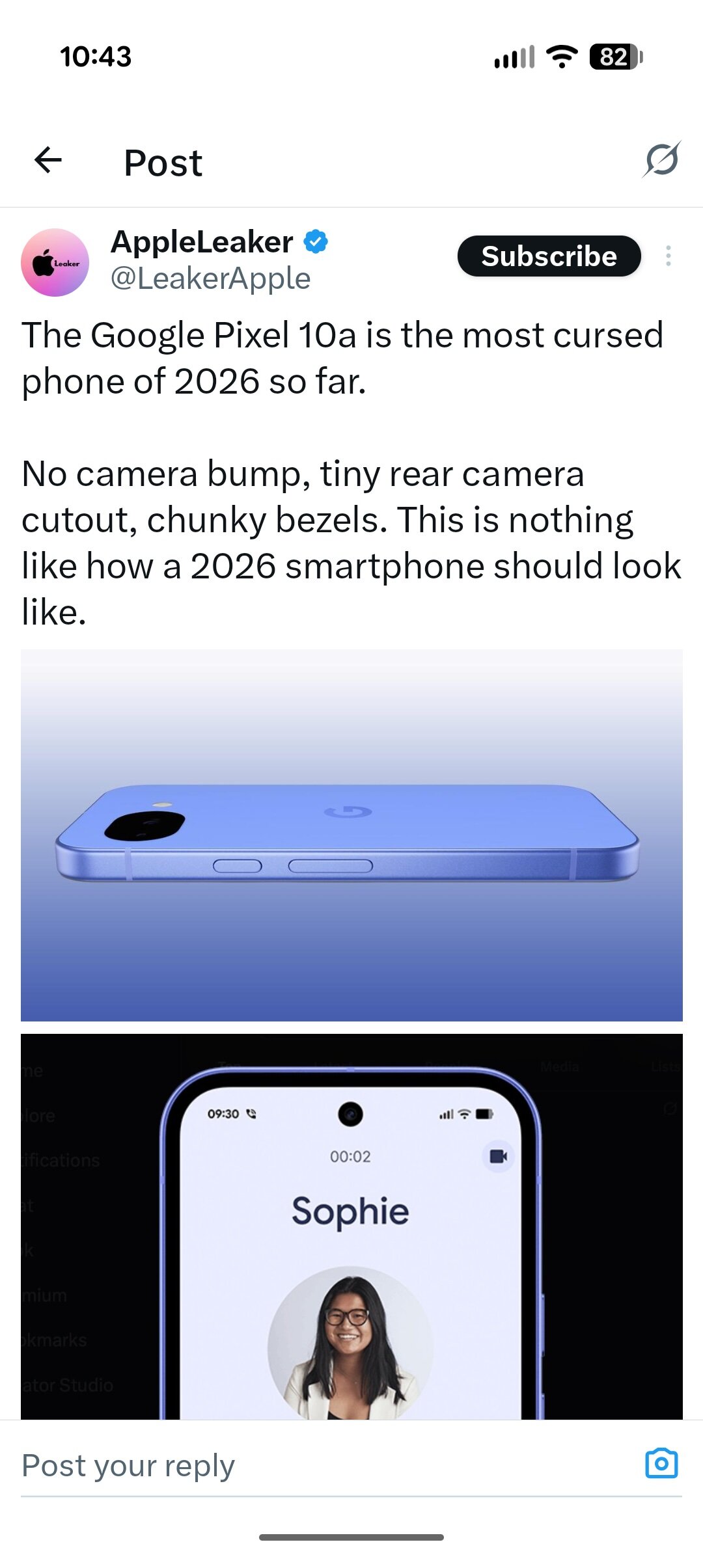
An X post about the Pixel 10a that reads: The Google Pixel 10a is the most cursed phone of 2026 so far. No camera bump, tiny rear camera cutout, chunky bezels. This is nothing like how a 2026 smartphone should look like.
An X post about the Pixel 10a that reads: The bezels on the Pixel 10a oh my God How is this even legal 😭 image from @evleaks
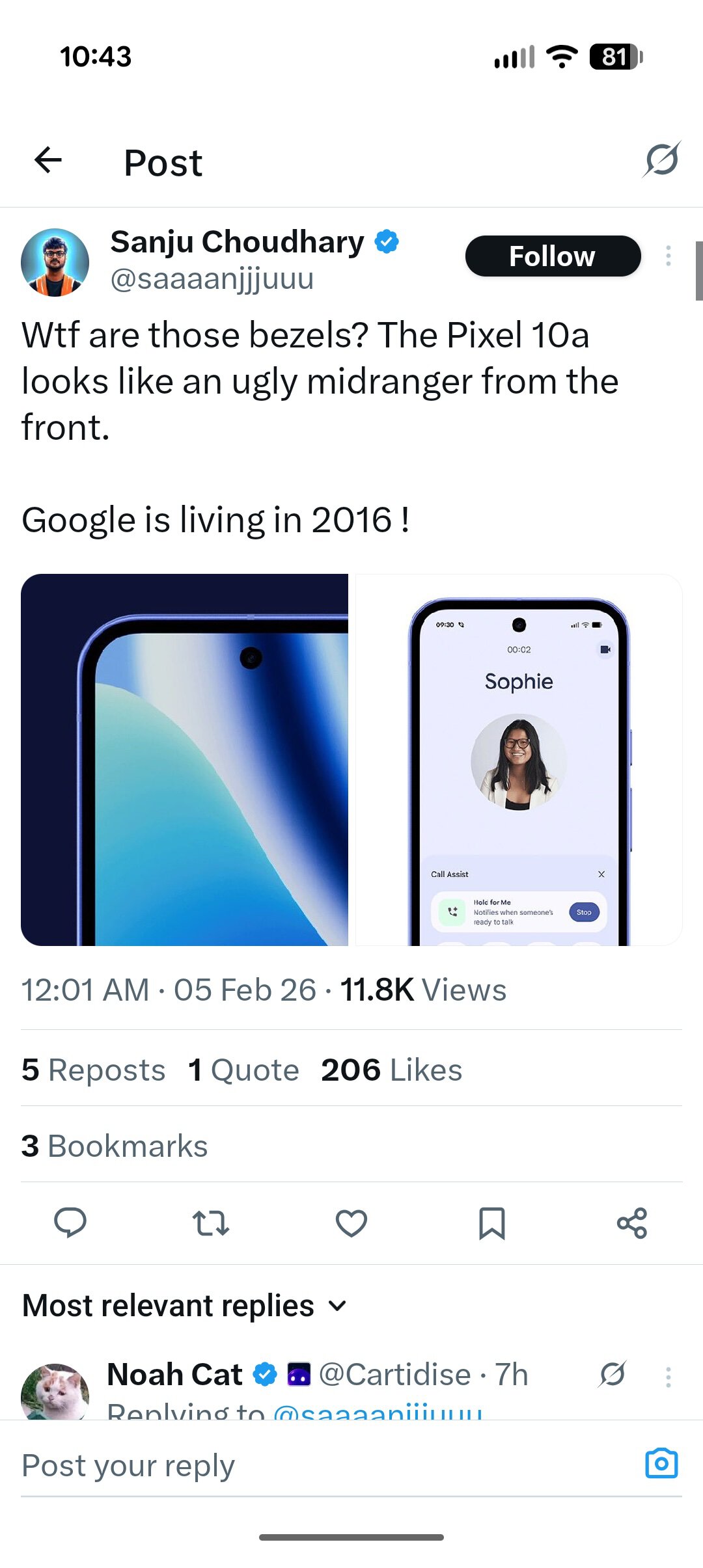
An X post about the Pixel 10a that reads: Wtf are those bezels? The Pixel 10a looks like an ugly midranger from the front. Google is living in 2016 !


Given the current state of social media, I’m sure that some of these are purely rage/engagement bait. But reading the replies to a lot of these posts, plenty of other people agree. I’ve seen replies like “everything is fine, except those bezels dear god,” “those bezels give me anxiety,” and even “the Google pixel bezels are diabolical.”

Reading these posts and comments, it’s left me wondering if we’re all looking at the same phone. The Pixel 10a’s bezels are objectively larger, but pretending like they’ll make the Pixel 10a unusable is absurd.

Is a slightly thicker black border around the screen really going to ruin a phone for you? Is it going to completely tarnish your YouTube videos, social media apps, and games? No, it won’t.

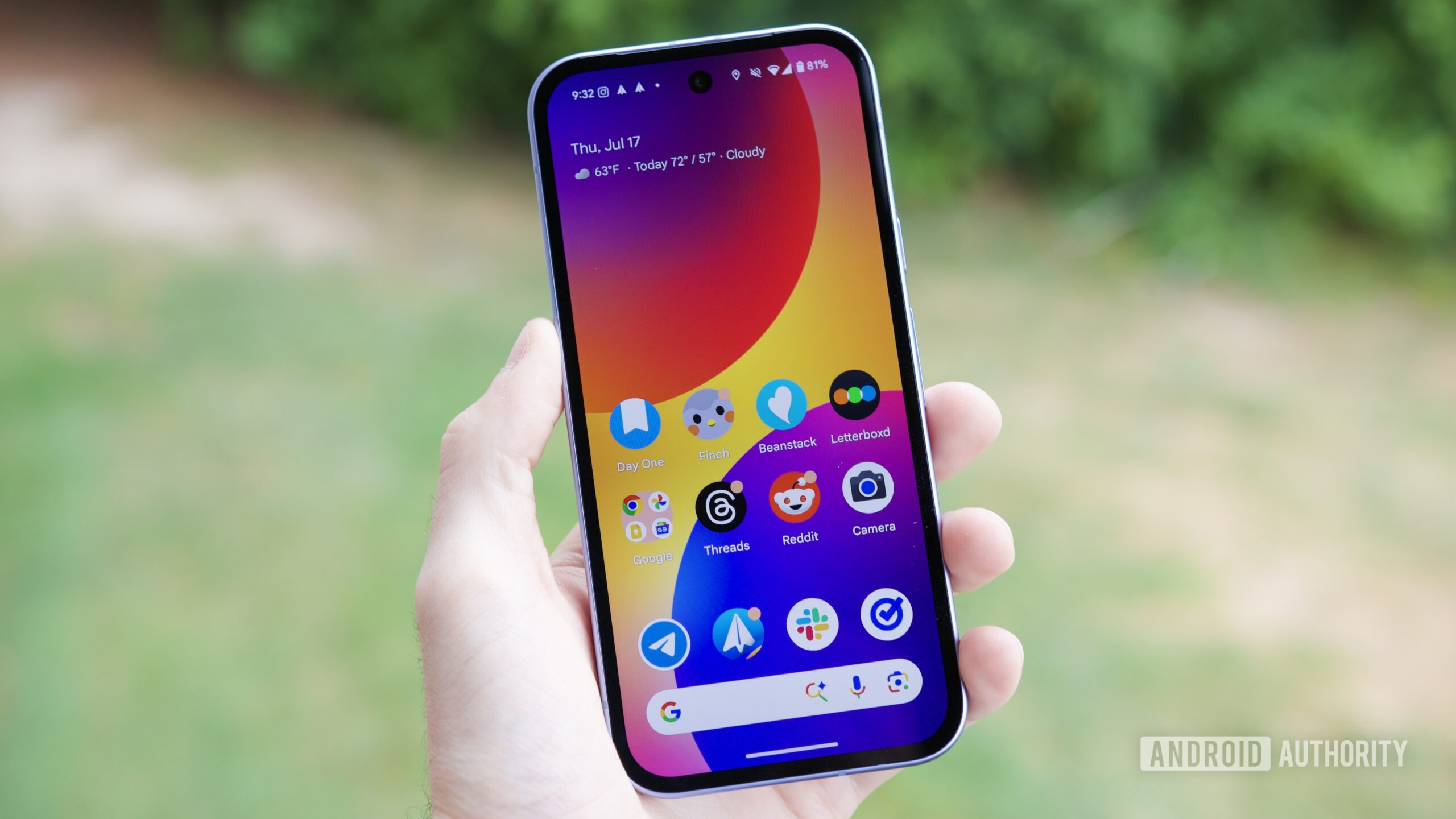
Someone holding a Google Pixel 9a with its screen on.


I know it won’t because I’ve used the Pixel 9a. The Pixel 9a also has larger bezels (seemingly identical to those on the Pixel 10a), and they’re perfectly fine. It’s a little unsightly if you’re coming from a more expensive Android phone, but your eyes completely adjust to and ignore the bezels after a few hours of use.

Do I notice the bezel difference when I put the Pixel 9a next to the Pixel 10 Pro? Certainly. But in everyday use, the Pixel 9a’s bezels have never been a legitimate issue — and the same will be true of the Pixel 10a.

The Pixel 10a has bigger fish to fry​

Pixel 10a 6


Would it be nice if the Pixel 10a had smaller bezels? Of course. I’d take thinner bezels over larger ones every single day. I think this is something Google could (and should) address with the A-Series, but I’m also not going to completely disregard the Pixel 10a just because its bezels are a little bit thicker than its competitors.

I also want to make it clear that there are legitimate things to criticize about the Pixel 10a. Rumors heavily suggest that the phone has the same display specs, battery size, charging speeds, and camera system as the Pixel 9a. There are even reports that the 10a will retain the same Tensor G4 chip we saw in the 9a. If that’s all true, Pixel fans have every right to critique this phone.

But to seemingly ignore all of that and put so much energy toward bezel size — one of the most insignificant things to complain about — is something I will never understand.
 

ThinkMe

High Supremacy Member
Joined
Jun 4, 2011
Messages
42,028
Reaction score
8,101
Didnt Google mention they are dropping the a series?
 

limmk

High Supremacy Member
Joined
Jul 5, 2001
Messages
39,422
Reaction score
7,976


Despite being rumored to use the same battery size, Google’s upcoming Pixel 10a might just have slightly improved battery life.

The Pixel 9a delivered the biggest battery ever in a Pixel phone when it launched last year, clocking in at 5,100 mAh. And, as far as rumors go for the Pixel 10a, it sounds like that won’t be changing.

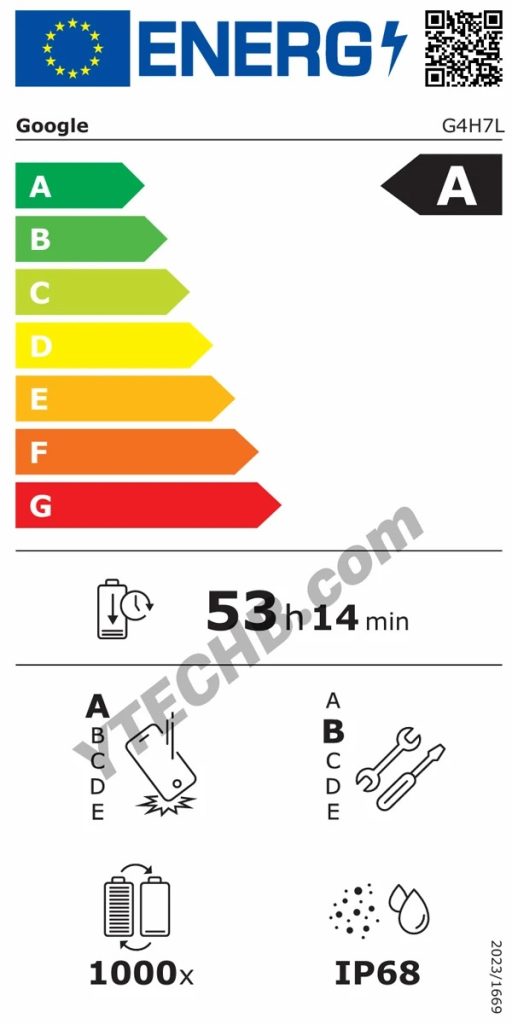
However, it sounds like the battery life may end up being a tiny bit better this time around. YTechB obtained an unpublished EU energy label for the Pixel 10a that grants the device an “A” rating and battery life tested at 53 hours and 14 minutes.

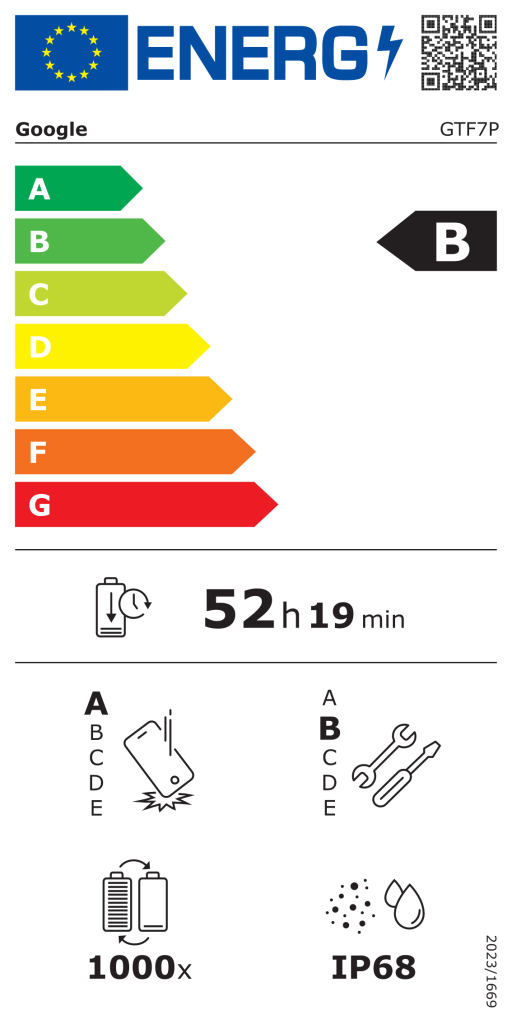
For comparison, the Pixel 9a was given a “B” rating and endurance of 52 hours and 19 minutes.

So not exactly a huge difference, but an improvement nonetheless. There’s no mention of the actual battery size in this leak, but it sounds like nothing significant is changing. The added endurance could come from additional capacity, but it’s just as likely it might come from software enhancements or other hardware changes. Whatever the case, an improvement is an improvement.

Pixel 10a is confirmed to launch on February 18.

pixel10a-eu-label-1.jpg
Label_2191510.png

Pixel 10a (L) vs Pixel 9a (R)
 

limmk

High Supremacy Member
Joined
Jul 5, 2001
Messages
39,422
Reaction score
7,976


Google’s Pixel 10a is set to launch on February 18 – just a couple of days from now – and now a carrier leak is reaffirming a few core specs for the upcoming mid-range smartphone.

We’ve already seen just about everything there is to see about the Pixel 10a. Plenty of official-looking renders with color options, a darn-near-complete spec sheet, and even Google’s official promo/initial announcement. But, if prior leaks weren’t enough, there’s something a bit more concrete.

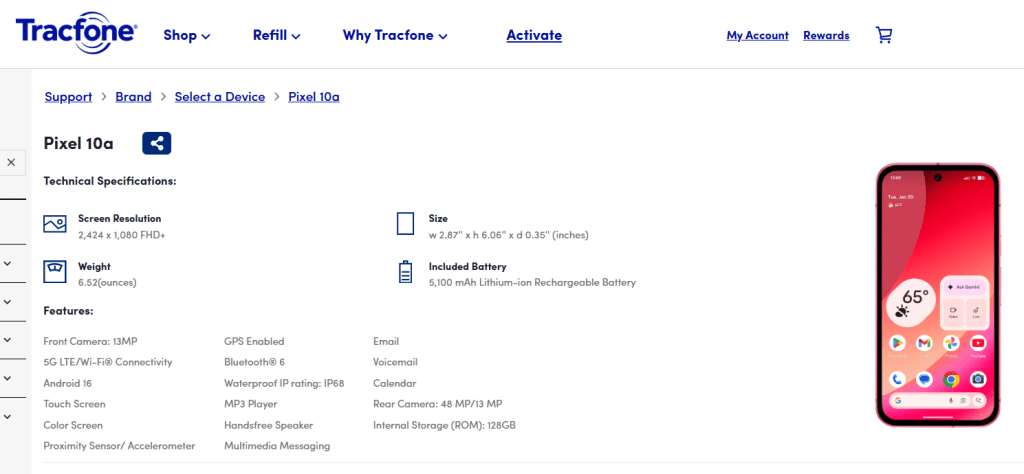
Tracfone, a US prepaid carrier, posted a Pixel 10a “Knowledge Base” page early which confirms several key specs of Google’s next release. This includes:

  • 2424 x 1080 display
  • 6.52oz (184g) weight
  • 2.87 x 6.06 x 0.35-inch (73 x 154 x 8.9mm) dimensions
  • 5,100 mAh battery
  • Android 16
  • Bluetooth 6
  • 48MP/13MP rear cameras
  • 13MP front-facing camera
  • IP68 dust/water resistance
  • 128GB of storage
All of this has leaked already, but coming from a carrier source that’s prepping to sell the phone gives it a bit of extra credence. There’s no mention of the chipset (said to be Tensor G4), RAM, or a few other key specs on this page – after all, Tracfone’s usual clientele probably aren’t looking for those details.

Tracfone’s page also shows the phone (from the front) in its “Berry” red color.

image_028c12.png


As mentioned, Google has confirmed that Pixel 10a pre-orders will start on February 18, so the full announcement should be happening the same day.
 
Important Forum Advisory Note
This forum is moderated by volunteer moderators who will react only to members' feedback on posts. Moderators are not employees or representatives of HWZ Forums. Forum members and moderators are responsible for their own posts. Please refer to our Community Guidelines and Standards and Terms and Conditions for more information.
Top