Google Pixel 11 series

limmk

High Supremacy Member
Joined
Jul 5, 2001
Messages
43,223
Reaction score
8,328
Seems like 11 will be more or less same as 10 and 9 just refinement, 12 will be the bigger change :o

focus will still be internal and software :o
Ya, exactly. iPhone 17 already beat Pixel 10 liao. Google really need to wake up and improve the hardware, not just keep doing small refinements lor
 

chari-men

Supremacy Member
Joined
Jul 14, 2025
Messages
6,023
Reaction score
2,437
Apple really killed google pixel with just one move - square selfie lens with centre stage..
 

limmk

High Supremacy Member
Joined
Jul 5, 2001
Messages
43,223
Reaction score
8,328


Google’s Tensor G6 chip for the Pixel 11 is reportedly dropping the power-hungry Samsung modems for a powerful and efficient MediaTek M90. This strategic move aims to solve the Pixel’s historical battery and efficiency issues.

For years, the Google Pixel series has faced a recurring challenge: stellar software experience often held back by inconsistent hardware performance. Not only have Tensor chips been consistently less powerful than their competition, but they also lacked connectivity performance and battery efficiency. While Google made a major move by shifting its core Tensor G5 manufacturing to TSMC, the modem—a critical piece of hardware—remained tethered to Samsung’s technology. That said, it could end the Google Pixel 11 series with a new MediaTek modem implemented on the Tensor G6 chip.

Google Pixel 11’s Tensor G6 chip may switch to MediaTek M90 modem​

That final link between Pixel phones and Samsung could finally dissolve in 2026. A fresh report from tipster Mystic Leaks claims that Google is making a clean break from the Exynos modems. In its place, the firm is testing a solution from a new partner: the high-performance MediaTek M90 modem.

The modem is arguably the most power-hungry component inside any modern smartphone. Since its inception, the Tensor line has relied on Samsung’s Exynos modem technology, which has struggled with efficiency compared to rivals. Even the modem of the latest Tensor G5 chip powering the Google Pixel 10 series is from Samsung. This constant power draw has long been considered a root cause of battery inconsistency in earlier Pixel flagships. It has also historically brought criticism to the Exynos chipsets.

A decision in favor of energy efficiency and network performance​

The shift to the MediaTek M90 is a direct move to address this power inefficiency head-on. MediaTek has designed the M90 to be smarter, claiming it utilizes built-in AI models to optimize its power consumption. This intelligent power management could result in an immediate and noticeable improvement in runtime for the Pixel 11 lineup. Reports suggest this could translate to an 18% reduction in power drain compared to previous modems.

Beyond efficiency, the MediaTek M90 brings significant technical upgrades. The modem promises blistering peak downlink speeds of up to 12Gbps and supports high-demand features like satellite connectivity and dual 5G SIM dual-active capabilities.

If the testing holds true, the Tensor G6 may finally be the chip that delivers the power, connectivity, and efficiency that Pixel enthusiasts have been waiting for. While it’s still early days, the upcoming Pixel 11 series appears to be off to a good start.
 

limmk

High Supremacy Member
Joined
Jul 5, 2001
Messages
43,223
Reaction score
8,328


Pixels have always put the “smart” in the word smartphone. They’ve stood for the best of the smart features and AI capabilities the smartphone world has ever seen, and have often led from the front. Compared to the AI features Pixels have been offering for years, like Magic Eraser, Apple Intelligence barely holds ground. I was mighty impressed by the Pixel 10 that launched last year, and I genuinely think it’s a better phone than even the Pro model. Yet, I still feel the Pixel 10 series just wasn’t enough.

There’s only so much Google can do to improve the Pixel 10 series through software updates — and to be fair, it does quite a lot. But as we enter 2026, my hopes are firmly placed on the Pixel 11. We still have a few months before the next Pixel launches, but I want to use this time to share my wishlist with Google.

It’s a thing of the past that Pixel devices aren’t efficient enough to last a full day, but they still don’t give you enough confidence. In tricky situations, say when you’re connected to 5G, struggling for signal, or using the camera, you can still see the battery percentage free-fall.

What I want from the Pixel 11 is predictability. I want to know when the phone is going to die on my usual day, rather than having to lug around a power bank or a charger. Speaking of which, it’s about time Pixel phones catch up with the competition and charge faster instead of taking over an hour to fill up a tiny 4,000mAh cell.

Tensor performance​

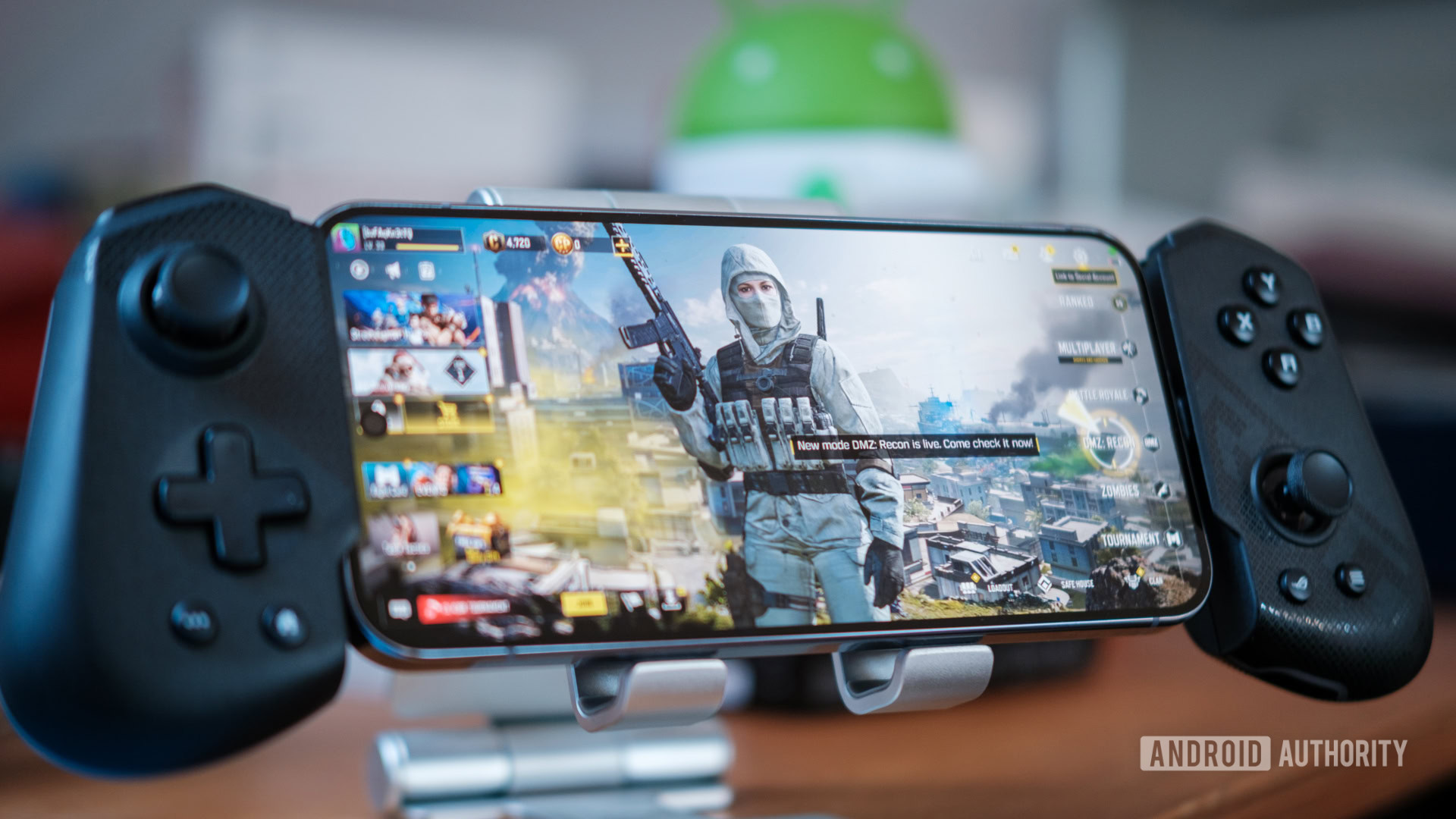
Google Pixel 10 Pro XL game controller


There were high expectations before the Pixel 10 launched with Google’s switch to TSMC for its latest-generation Tensor processor. We hoped performance would take a huge leap and match the Snapdragons of the world. However, many of us who went in with those expectations came out disappointed after using the Pixel 10.

Not that the Tensor G5 processor isn’t capable, but its upper limit is still far below the competition. It caps out quickly and requires thermal throttling sooner than anyone would like. I’m not asking the Pixel 11 to win benchmark wars, but I do expect it to offer respectable, sustained performance while gaming without slowdowns.

Camera refresh​

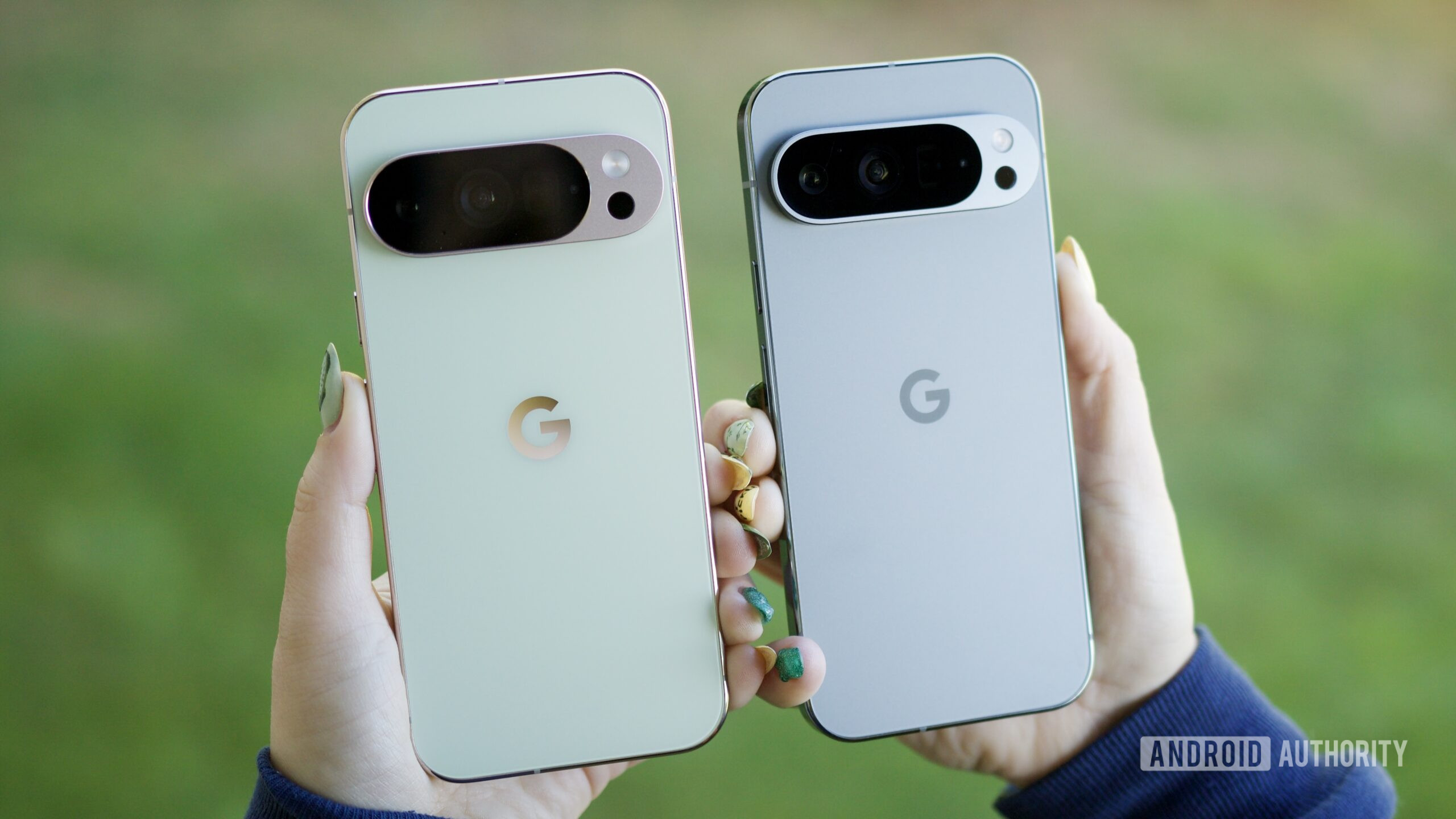
Someone holding the Pixel 10 Pro and Pixel 9 Pro, showing the backs of the phones.


Camera performance on Pixels has largely hinged on software compensating for hardware shortcomings. While the Pixel 10 Pro models reused camera sensors from their predecessors, the standard Pixel 10 actually received a smaller sensor versus the Pixel 9 to accommodate the third telephoto lens. Furthermore, I’m also not personally a huge fan of how Pixels still weirdly handle edge detection in portrait shots.

When you look at how much Chinese brands like Vivo and Xiaomi have progressed, mainstream brands — including Apple, Samsung, and Google — feel so far behind. Since Pixel phones have always been known for their camera-first approach, I think the Pixel 11 needs to take charge once again.

Launch-time bugs​

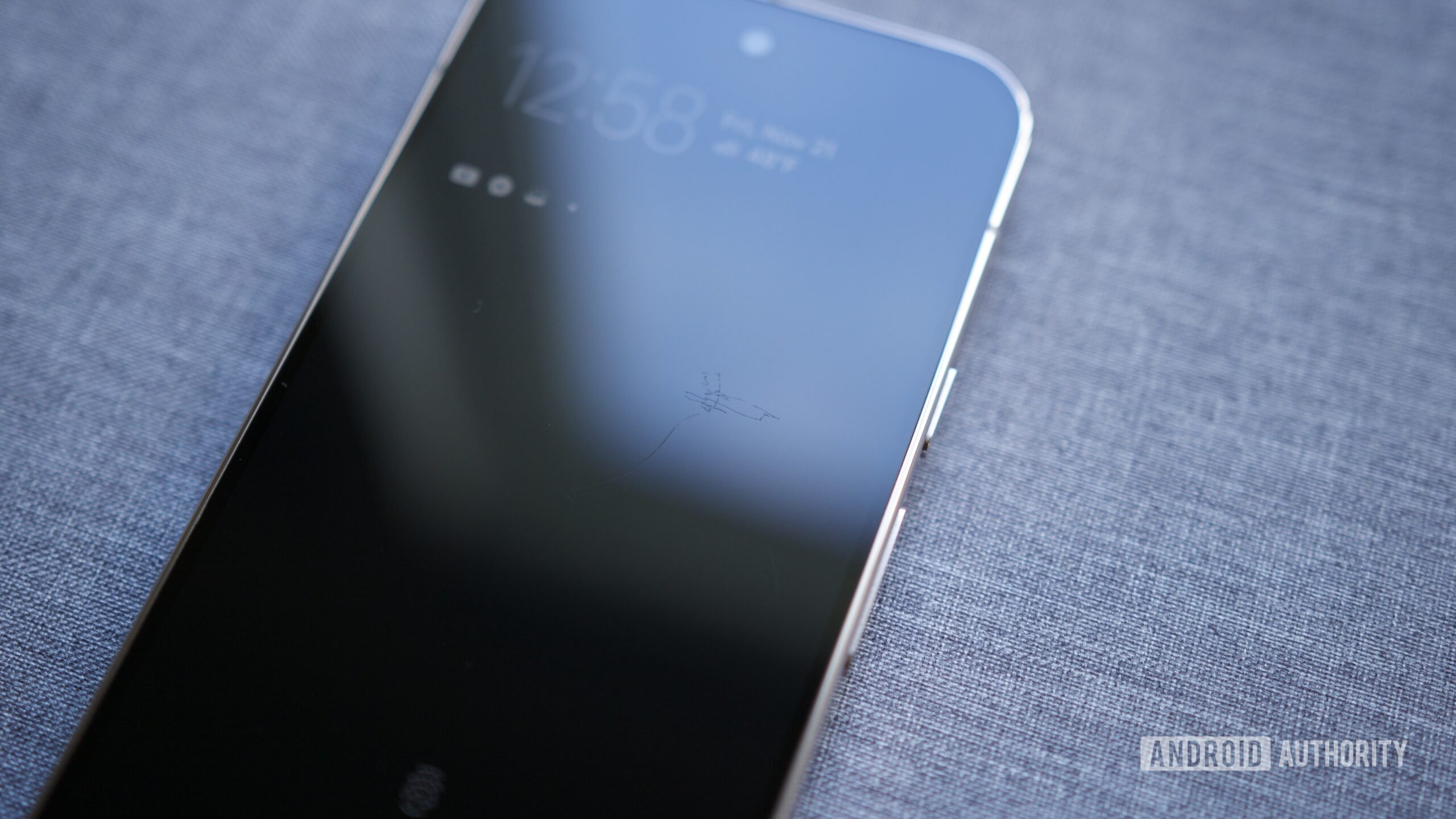
A close-up photo of a Pixel 10 Pro with scratches on its screen.


It has almost become a ritual that every new Pixel launches with one bug or another (sometimes several) that Google irons out over time. And because it’s Google, there’s always a chance it introduces new bugs while fixing the old ones.
While the Pixel 10 was generally stable at launch, it wasn’t completely without issues. Many users have reported a strange display bug, and Google only recently claimed to fix a camera issue on the Pro models — something users themselves have disputed.

No one wants to face these issues while unboxing a brand-new phone. Maybe it’s time Google starts shipping a more polished experience from day one.

Storage limitations​

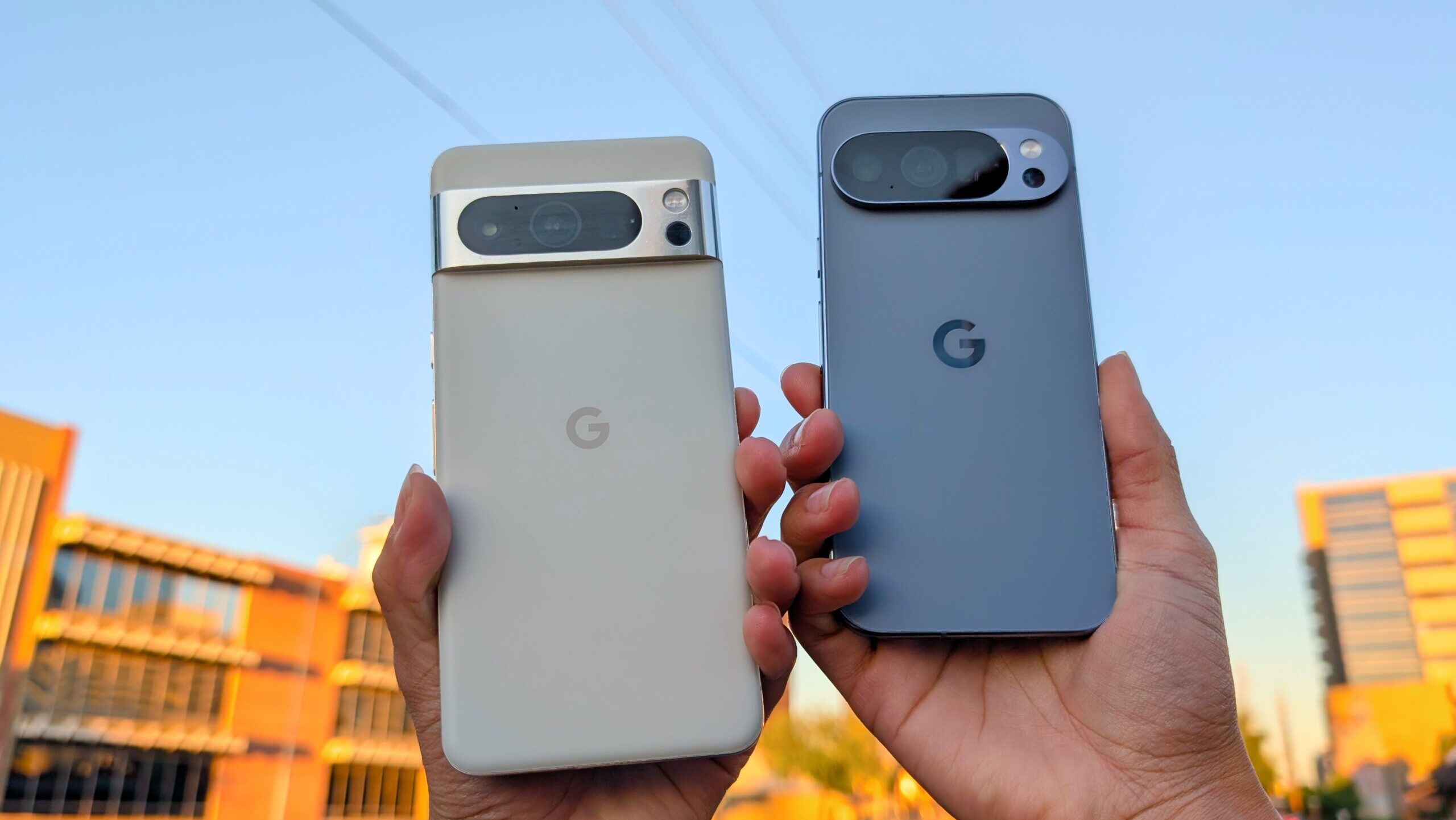
Google Pixel 8 Pro and Google Pixel 10 Pro held in the air with a blue sky in the background


Thanks to AI, RAM is no longer a major constraint. It has pushed companies toward 16GB of RAM, with 12GB now feeling like the bare minimum. That’s plenty, even after accounting for AI-driven tasks running offline in the background.

Where Pixels still lag almost comically is base storage. They still rely on a meager 128GB, which feels outdated, especially when the iPhone 17 has already moved to 256GB as the standard without a price increase. All Google needs to do this year is match that. Nothing more.

Biometrics that actually work​

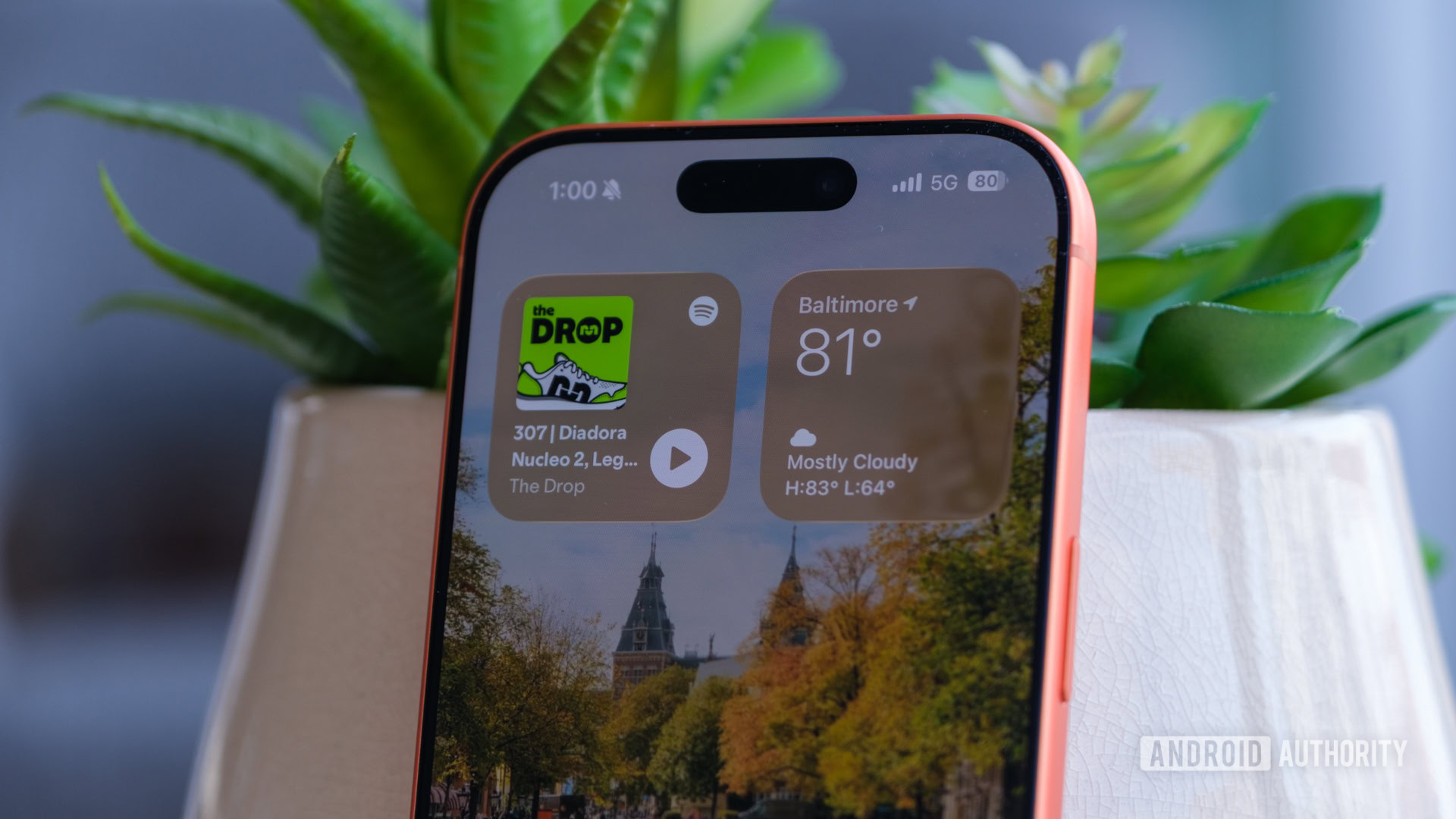
iPhone 17 Pro dynamic island


The Pixel series has long struggled with fingerprint scanners. The Pixel 6 series had a famously terrible one, so unreliable that it was often better to use the less secure front-camera face unlock just to avoid the frustration.

The newer ultrasonic sensors on Pixel 10s are much better, but they still struggle with many third-party screen protectors. You’re often forced to use certified tempered glass for the fingerprint scanner to work properly. Given how limited the Pixel accessory ecosystem is compared to the iPhone’s, finding a reliable screen protector isn’t always easy.

Personally, I prefer Face ID–style systems that work automatically without requiring active input to unlock the phone. I wouldn’t mind Google returning to the Pixel 4 era and bringing back secure facial recognition, so we can finally move past the compromises Pixels continue to live with.

Lighter and less reflective​

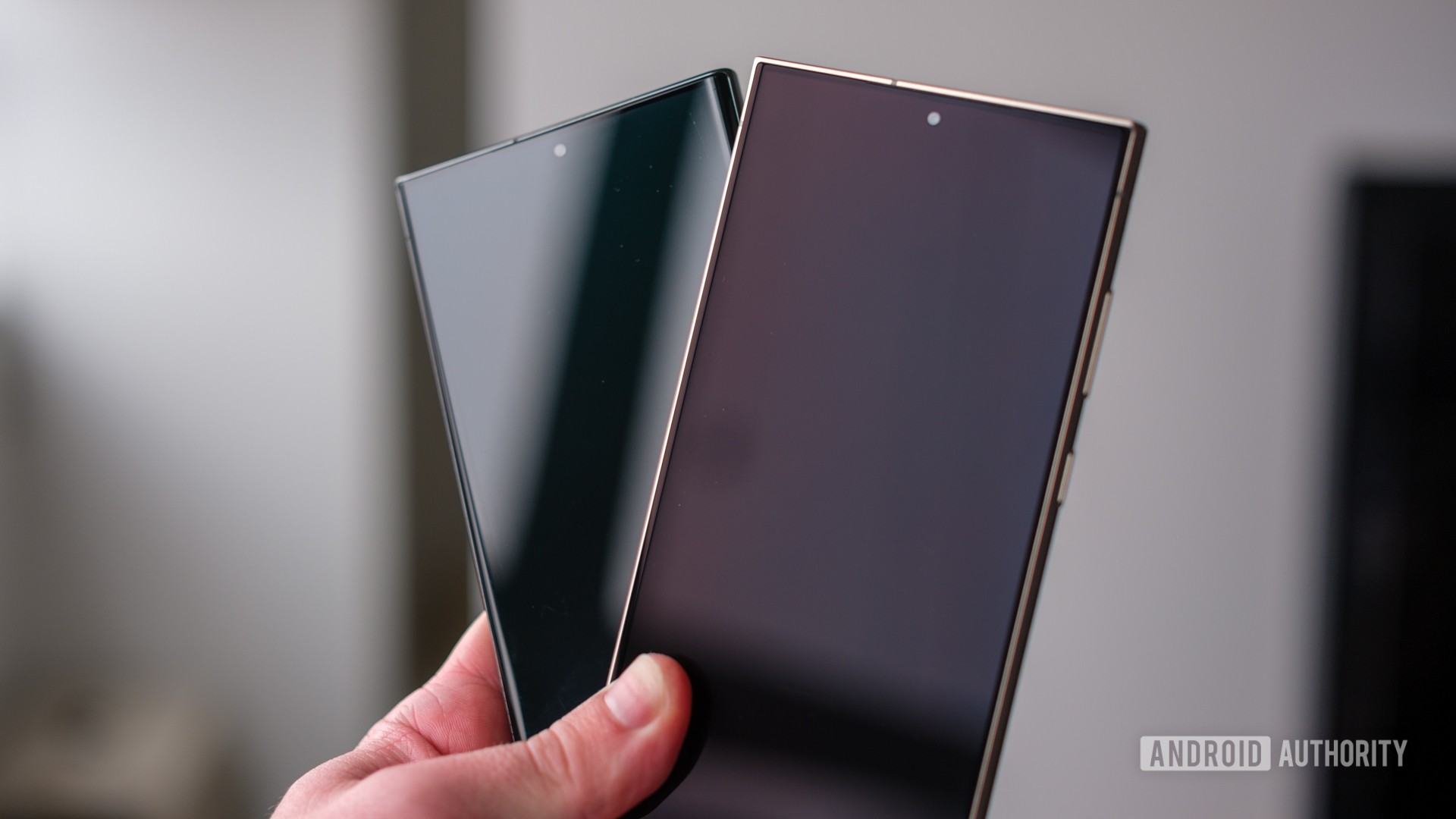
samsung galaxy s24 ultra vs galaxy s23 ultra reflectivity screen off


I’m bringing up the iPhone 17 again because that’s the phone the Pixel 10 is really chasing. The iPhone 17 is noticeably lighter — both on paper and in real-world use — while being equally capable, if not better, in most areas that matter.

Another area where Apple pulls ahead is its anti-reflective display coating. While Apple’s coating isn’t as good as what we once saw on the Galaxy S24 Ultra, it’s still far better than having nothing. I’d love to see that on the Pixel 11. Reduced glare and a lighter phone are quality-of-life improvements that alone would make the Pixel feel significantly more premium.

If the Pixel 11 manages to fix these issues, it could become a phone I recommend without hesitation.

Right now, Pixels are phones you love despite their flaws. But if the Pixel 11 manages to fix these issues, it could become a phone I recommend without hesitation. I want Google to make such a good phone this year that it completely erases that hesitation of mine. Your move, Google.

 

limmk

High Supremacy Member
Joined
Jul 5, 2001
Messages
43,223
Reaction score
8,328


Google’s Pixel 10 phones are among the best camera phones on the market, and this generation marks the first time in a while that the entire series offers a telephoto camera. The Pixel 10 ships with a 10.8MP 5x camera, while the Pixel 10 Pro phones pack a great 50MP 5x periscope camera.

There’s one big feature missing from Google’s telephoto cameras, though, and I really hope to see it on the Pixel 11 Pro line. Of course, I’m talking about telephoto macro capabilities.

Why move closer to get closer?​

Xiaomi 15 Ultra 3x macro Rob Triggs

Xiaomi 15 Ultra 3x macro

vivo X300 Pro 85mm steak macro

vivo X300 Pro 3.5x macro

vivo X300 Pro 7x macro bug

vivo X300 Pro 7x macro

vivo X200 Ultra Galaxy Watch 8 Classic 85mm macro

vivo X200 Ultra 3.7x macro

vivo X200 Pro ice cream 85mm macro

vivo X200 Pro 3.7x macro

Nothing Phone 3 leaf 3x macro Ryan Haines

Nothing Phone 3 3x macro

For what it’s worth, the Pixel 10 lets you use the ultrawide camera for macro photography. This requires you to move your phone virtually on top of whatever you’re snapping, which has various downsides, from lackluster bokeh to potentially ruining your photo’s lighting.

Instead, I love the ability to take macro photos with a telephoto camera; it’s great for grabbing a close-up shot without physically moving closer to the subject. That’s handy if you’re capturing a skittish subject (e.g., insects, little animals) and are worried that you might chase it off.

Telephoto-based macro photography also has picture quality benefits compared to macro mode on ultrawide cameras. For one, you don’t have to get so close that your shadow falls onto the subject itself. You also don’t have to deal with a very distorted field of view, as seen from ultrawide cameras, although many phone makers crop the image from the ultrawide camera to limit this issue.

Macro mode telephoto lets you get close-up snaps without being on top of the subject.

The ability to focus up close with the telephoto camera also has ramifications for general photography. This feature gives you more flexibility if you’re taking photos in tight spaces or in situations where the tele camera would ordinarily lose focus.

I also find this feature handy for product photos, as I frequently put down my standalone camera and take snaps with a phone at product briefings. In fact, I used my phone to take plenty of close-up device shots at CES, MWC, and Samsung’s pre-briefings in 2025.

This might require a Pixel 11 Pro downgrade, though​

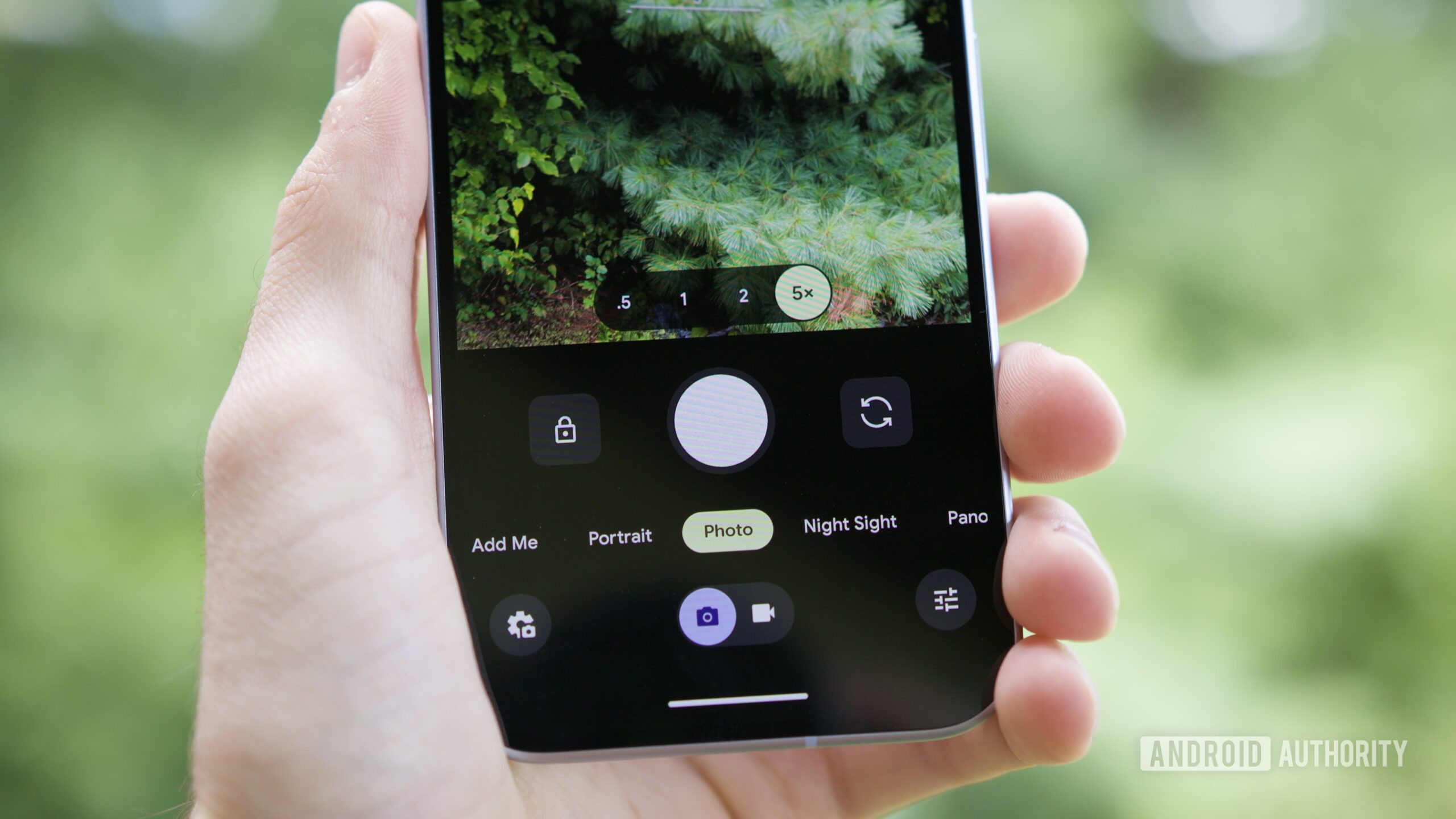
The camera app running on the Google Pixel 10, showing the 5x zoom preset.


There is one potential obstacle standing in the way of the Pixel 11 Pro phones getting a telephoto-based macro mode. The reality is that 5x cameras and higher generally don’t offer macro capabilities due to technical challenges. It’s simply difficult to achieve close-up focusing on a camera with such a long focal length.

One potential workaround would be for the Pixel 11 Pro phones to offer a shorter zoom range, such as 3x to 4x. Phones like the vivo X300 Pro, OPPO Find X9 Pro, and Xiaomi 15 Ultra offer macro functionality via their 3x to 3.5x cameras. Meanwhile, the HUAWEI Pura 80 Pro has a 48MP 4x camera and 5cm macro focusing.

The switch to a slightly shorter focal length would also be welcomed for portrait photography, as ~35mm to ~90mm is considered the sweet spot for portraits compared to 120mm (~5x). This has long been a complaint about Pixel Pro handsets among some enthusiasts.

However, long-range zoom quality would certainly take a hit if the next Pixel Pro phones dropped below the 5x mark. So I’d definitely prefer if Google did the technical legwork to bring macro mode to its 5x cameras. Failing that, we’ve seen manufacturers adopt 200MP periscope cameras in the last couple of years, using all those megapixels to achieve good long-range zoom. Google also offers its Pro Res Zoom feature for better long-range zoom, although I’m not a fan of such heavy-handed generative AI usage. Nevertheless, the pieces are here for future Pixels to maintain good long-range photo quality while adding macro functionality.

In any event, I love telephoto macro capabilities on modern flagship phones. I’m not the only one, either, as colleague Ryan Haines praised this feature on the Nothing Phone 3. So I’d like to see Google step up to the plate and offer this versatile camera option on the Pixel 11 Pro range.
 

Mclairs83

High Supremacy Member
Joined
Jan 1, 2000
Messages
28,886
Reaction score
2,525
used to have a P9XL.

the performance and battery life.. really facepalm.

even though u get alot of AI stuffs.. but lots of features like call screening are not available in Singapore.

i don't foresee P11 going to capture many folks heart.. probably those extreme pixel fan.
 

ThinkMe

High Supremacy Member
Joined
Jun 4, 2011
Messages
42,450
Reaction score
8,504
used to have a P9XL.

the performance and battery life.. really facepalm.

even though u get alot of AI stuffs.. but lots of features like call screening are not available in Singapore.

i don't foresee P11 going to capture many folks heart.. probably those extreme pixel fan.


Then to a point retailers stop bringing in Pixel and fans have to buy from US like the good old days
 

froztheart

Supremacy Member
Joined
Aug 8, 2012
Messages
9,100
Reaction score
3,959
used to have a P9XL.

the performance and battery life.. really facepalm.

even though u get alot of AI stuffs.. but lots of features like call screening are not available in Singapore.

i don't foresee P11 going to capture many folks heart.. probably those extreme pixel fan.
Agreed, most of the features are locked but if they are available definitely adds value to Pixel.
Oh well, quite a number of features are still unavailable as of current IIRC.
 
Important Forum Advisory Note
This forum is moderated by volunteer moderators who will react only to members' feedback on posts. Moderators are not employees or representatives of HWZ Forums. Forum members and moderators are responsible for their own posts. Please refer to our Community Guidelines and Standards and Terms and Conditions for more information.
Top