Google Pixel 11 series

limmk

High Supremacy Member
Joined
Jul 5, 2001
Messages
43,219
Reaction score
8,328

Why the Google Pixel 11 Pro XL Might Be the Most Important Android Phone of 2026​


Close-up of the Pixel 11 Pro XL’s advanced camera system with telephoto lens

The Google Pixel 11 Pro XL is poised to make a significant impact in the competitive smartphone market. By combining innovative technology, refined aesthetics, and user-focused features, Google’s latest flagship aims to set a new standard for premium devices. With advancements in performance, photography, artificial intelligence, and connectivity, the Pixel 11 Pro XL offers a compelling package for modern smartphone users. Here’s an in-depth exploration of what this highly anticipated device brings to the table.


Design and Display: A Blend of Familiarity and Innovation​

The Pixel 11 Pro XL retains Google’s signature design language, including the iconic camera bar, while introducing subtle refinements that enhance its overall appeal. The device features a sleek, polished exterior that exudes sophistication, making it a standout in the premium smartphone segment.

Its OLED display is designed to deliver exceptional visual quality, with higher brightness levels ensuring excellent visibility even in direct sunlight. The inclusion of vibrant HDR support enhances the viewing experience for streaming and gaming enthusiasts. With a refresh rate exceeding 120 Hz, users can expect smoother scrolling, seamless video playback, and immersive gaming performance. These enhancements make the Pixel 11 Pro XL a device that excels in both form and function.

Performance: Power and Efficiency Redefined​

At the heart of the Pixel 11 Pro XL lies the Tensor G6 chip, built on an advanced 2nm process. This next-generation processor is engineered to deliver faster speeds, improved energy efficiency, and superior thermal management. These advancements address common challenges faced by modern smartphones, such as overheating and battery drain, making sure a more reliable and consistent user experience.

The rumored integration of MediaTek’s M90 modem further improves the device’s performance by offering faster connectivity, enhanced signal reliability, and support for satellite communication. This feature is particularly valuable for users in remote areas or during emergencies, providing peace of mind and dependable communication when it matters most.

Camera Technology: Elevating Mobile Photography​

Google continues to push the boundaries of computational photography with the Pixel 11 Pro XL. The device is expected to feature an advanced camera system, including a telephoto lens capable of up to 100x zoom. This capability allows users to capture distant subjects with remarkable clarity, making it ideal for photography enthusiasts and casual users alike.

Video recording is also set to receive significant upgrades, with features such as cinematic blur, video relighting, and night sight video allowing professional-grade results in various lighting conditions. These enhancements underscore Google’s commitment to providing widespread access to high-quality photography and videography, making sure that users can create stunning content effortlessly.

AI Integration: Smarter Features for Everyday Convenience​

Artificial intelligence remains a cornerstone of the Pixel experience, and the Pixel 11 Pro XL takes this integration to new heights. Voice-based photo editing allows users to make adjustments hands-free, streamlining the editing process and enhancing accessibility. The innovative sketch-to-image generation feature transforms ideas into visual creations, catering to creative professionals and hobbyists alike.

The device also incorporates AI-driven health monitoring tools, such as heart rate tracking and stress analysis. These features seamlessly integrate into daily routines, offering valuable insights into personal well-being and promoting a healthier lifestyle. By embedding AI into practical applications, the Pixel 11 Pro XL enhances both convenience and functionality for its users.

Battery and Charging: Meeting Modern Demands​

Battery performance is a critical factor for smartphone users, and the Pixel 11 Pro XL addresses this with innovative charging solutions. The device is expected to feature magnetic charging technology, which enables faster and more efficient power delivery. This advancement minimizes downtime and ensures that users can stay connected throughout the day.

While the Pixel Fold may introduce a removable battery, the Pixel 11 Pro XL focuses on delivering a seamless charging experience. These practical improvements reflect Google’s understanding of user needs, prioritizing convenience and reliability in everyday use.

Security and Connectivity: Advanced Features for a Connected World​

The Pixel 11 Pro XL introduces under-display IR face recognition, providing a secure and seamless method for unlocking the device. This feature builds on Google’s commitment to user privacy and convenience, offering a reliable alternative to traditional biometric methods.

Additionally, the inclusion of satellite connectivity, powered by the MediaTek modem, ensures reliable communication even in areas with limited cellular coverage. This capability enhances the device’s versatility, making it a valuable tool for travelers, outdoor enthusiasts, and anyone who requires dependable connectivity in challenging environments.

Positioning in a Competitive Market​

In a landscape dominated by competitors like OnePlus and Honor, Google faces the challenge of distinguishing its flagship device. The Pixel 11 Pro XL strikes a balance between innovative technology and practical features, appealing to both loyal Pixel fans and new users seeking a premium smartphone experience. By focusing on user-centric innovations and thoughtful design, Google positions the Pixel 11 Pro XL as a compelling choice in the crowded premium smartphone market.

A Comprehensive Vision for the Future​

The Google Pixel 11 Pro XL represents a bold step forward in the evolution of the Pixel lineup. By blending advanced hardware with intelligent software, the device delivers a powerful and user-friendly experience. From its enhanced camera capabilities and AI-driven tools to improved connectivity and refined design, the Pixel 11 Pro XL is designed to meet the diverse needs of modern smartphone users. As Google continues to innovate, this flagship device sets a new benchmark for what a premium smartphone can achieve in 2026 and beyond.

Master the Google Pixel 11 Pro XL with the help of our in-depth articles and helpful guides.


// Geeky Gadgets
 

limmk

High Supremacy Member
Joined
Jul 5, 2001
Messages
43,219
Reaction score
8,328
TL;DR
  • Google’s previous “Tensor based Pixel programs have not met its financial targets.”
  • Google Tensor G6 is primarily focused on reducing the price of the chip, as well as making it run cooler and more efficiently.
  • The GPU will lose its ray-tracing abilities, while the CPU gets a slight upgrade.


Google’s Tensor chips have failed to impress performance enthusiasts. Even after four generations, the chips aren’t quite what many had hoped they could be (check out our in-depth Tensor G4 testing for the full picture) and remain a hot topic of discussion in the community. In our previous reporting, we’ve shown how the next-gen Tensor G5 promises to deliver improvements in power efficiency and thermals thanks to the superior TSMC manufacturing process, but its specs still leave a lot to be desired compared to the competition.

Unfortunately, that seems likely to remain the case for at least one more generation, as the Tensor G6, due to be released with the Pixel 11, will bring rather small upgrades. It might even be a downgrade in some areas, but that’s actually for a good reason.

Thanks to an unprecedented leak from Google’s gChips division, Android Authority has viewed documents describing the specifications, as well as the motivations behind Google’s upcoming Tensor G6 chip.

Before we get to the specs of Tensor G6, we should talk a bit about the goals that ultimately led Google to design the chip the way it did. In my opinion, this is the most interesting part of this entire leak from gChips — nobody at Google would ever openly talk about these things. The quotes in the sections below are taken directly from the documents, in order to preserve as much information as possible.

Of course, it’s about the money​

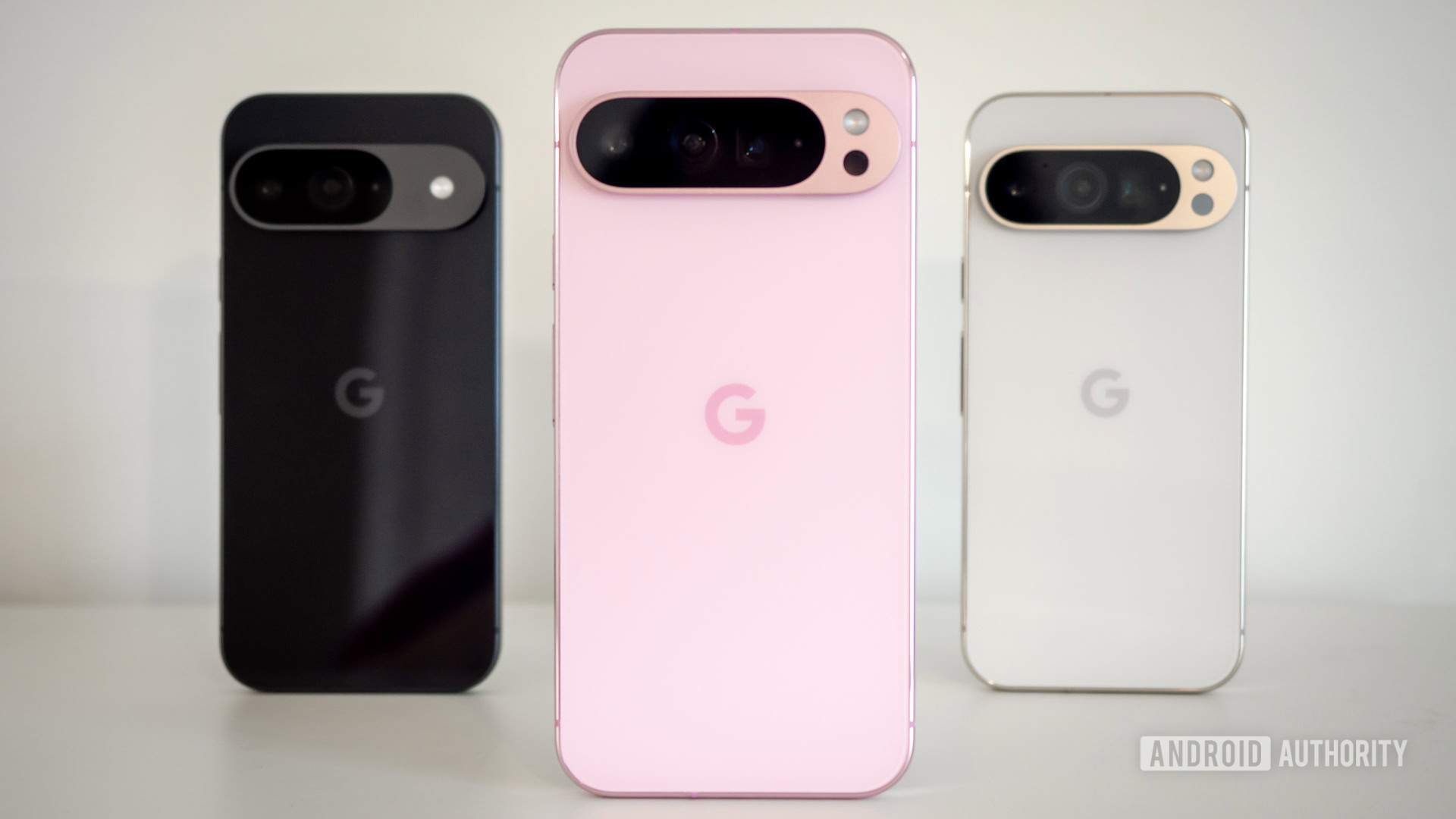
Google-Pixel-9-Pro-XL-in-front-of-9-series


The document we viewed starts with a very interesting piece of information — “Tensor based Pixel programs have not met our financial targets.” While a fairly vague statement, it implies that one of the reasons Google decided to switch to custom chips was potentially lower costs. It’s surprising that even without a giant profit-driven company like Qualcomm in the way, Google has failed to hit the goal. Unsurprisingly, this is one of the areas that’s the focus of optimization for the Tensor G6.

The document also reveals Google’s new financial goal — “AP [Application Process — in other words, the SoC] target is ~$65 to make this business viable.” In comparison, Qualcomm’s recent flagship chips are rumored to cost around $150. This humungous difference makes it even more surprising that Google failed to meet its financial goals for the project before, even if the price was a bit higher. Obviously, there are some upfront costs associated with making a custom chip, but with that big of a per-unit price difference, it suggests something has gone wrong.

Google is aware that Tensor chips aren’t very good​

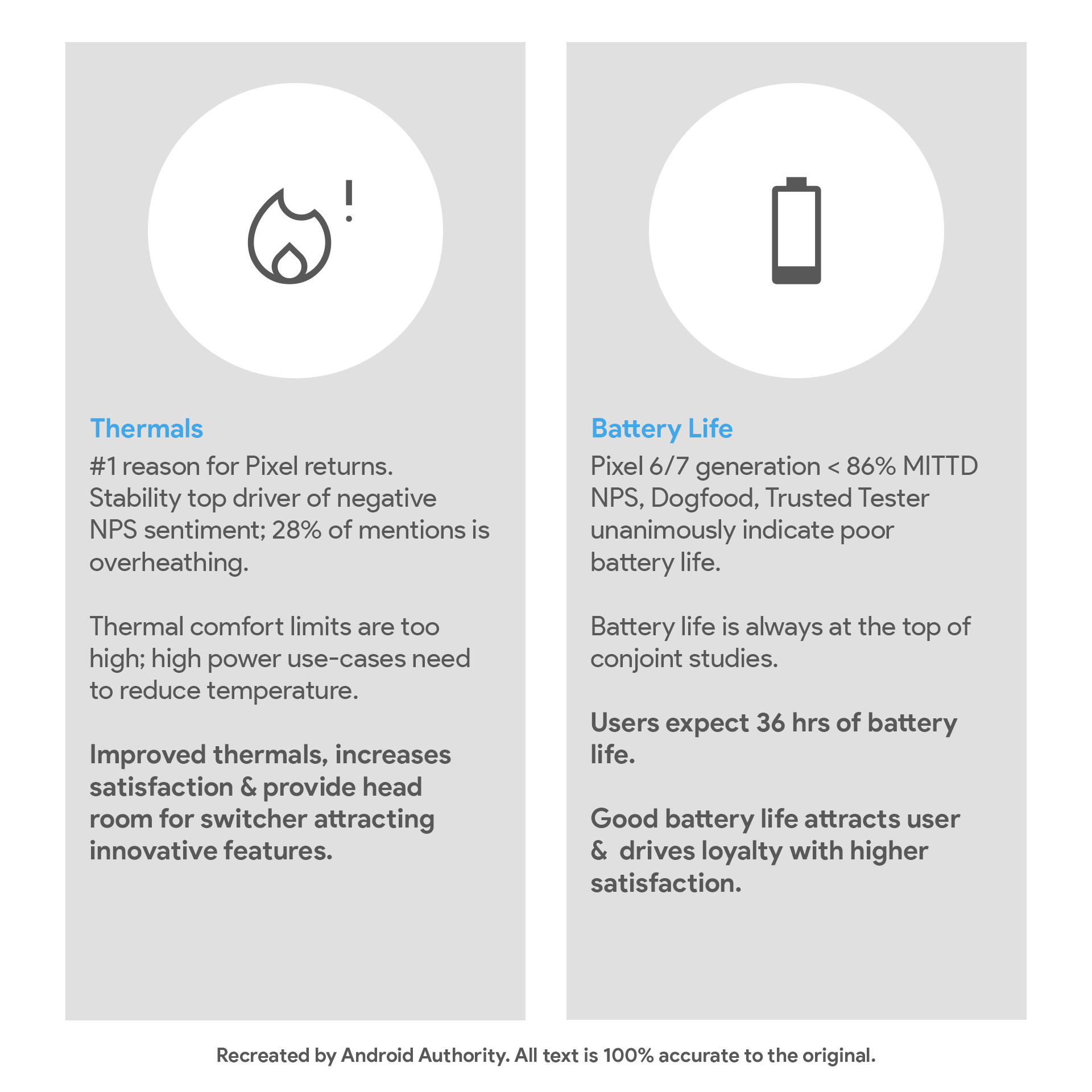
As the title of this section suggests, Google knows about the most common complaints about its chips — bad thermals and poor battery life. Thankfully, it intends to improve the Tensor G6 in these areas. I’ve recreated a part of a graphic from the document just to show how Google talks about these problems (and because it is kinda funny to see it admit the issue).

gChips Tensor G6 presentation recreation


Unfortunately, we lack the full data behind this graphic, but it still provides some interesting insights. First, overheating was the leading cause of returns of Tensor-based Pixel devices. We unfortunately don’t know what “NPS” stands for, but it could be “new Pixel switchers” since similar terminology appears throughout the document. This would mean 28% of new users complained about the thermals! That kind of response tracks with our own polling, too.

Google knows that battery and heat are common complaints about its Tensor series.
Google intends to improve the situation by finding ways to reduce the temperature in high-power use cases. While this is a fairly vague thing to say, we’ve already seen at least one way it will achieve this: the new “Cinematic Rendering Engine” in the chip will reduce the power consumption of video recording with blur by around 40%, which means considerably less heat being emitted.

The second part of the graphic is even more interesting because it shows Google knew how bad the battery life of early Tensor-based Pixels really was — and provides us with a nice figure to back that. Apparently, less than 86% of Pixel 6/7 users made it through the day! The slide doesn’t provide us with any concrete ways Google intends to amend this, but it’s clear it will also be one of the main goals of the Tensor G6.

So how does that translate to the Tensor G6’s specs?​

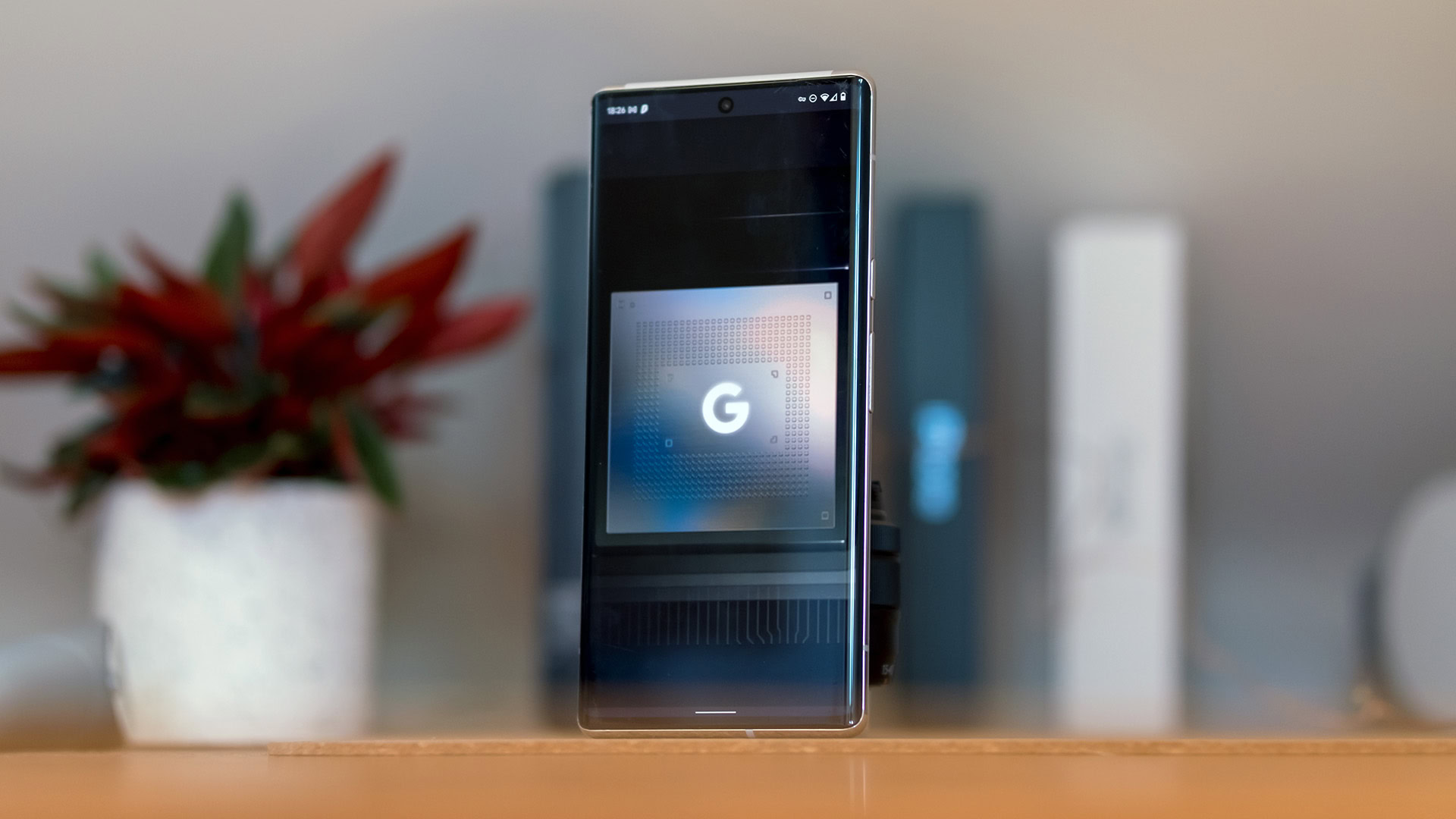
Google Tensor Pixel 6


With all that in mind, we can take a look at what Google actually has in store for the Tensor G6. The main idea seems to be to reduce die area (which reduces cost) while not regressing in terms of features compared to the Tensor G5. The Pixel 10’s chip is pretty massive at 121 mm2. To put that into perspective, the Apple A18 Pro, built on the same process node, is only 105 mm2.

The goal for Tensor G6 is to hit 105 mm2, including the 4% area saving from TSMC’s newer N3P process node (G5 uses N3E). In order to hit that size, virtually all teams had to make sacrifices.

Tensor G6 will have a GPU meant for the original Tensor G4.

One of the clearer examples of this is the GPU. Google initially intended to use a yet-to-be-released IMG EXT GPU, but due to delays, it decided against it. Instead, two options were considered: first, to use the same IMG DXT as in Tensor G5, but without ray-tracing to save area, or to use the solution in the chip codename “Redondo,” which was initially meant to be the Tensor G4 — IMG CXT without ray-tracing. It was eventually decided Google would go for the latter, which leads to a funny situation: the Tensor G6 will have the GPU that was meant to be in the Tensor G4! While the performance is comparable (at least in Google’s projections), this is still, at best, a sidewards step, all for a ~12% die area saving. I compiled the GPU specs in the table below:

Tensor G4 (“zumapro”)“Redondo” (canceled Tensor G4)Tensor G5 (“laguna”)Tensor G6 (“malibu”)
GPUArm Mali-G715 (7 cores)IMG CXT (3 cores)IMG DXT (2 cores)IMG CXT (3 cores)
Frequency900 MHz?1100 MHz1100 MHz
Ray tracingNot supportedNot supportedSupportedNot supported
GPU VirtualizationNot supportedNot supportedSupportedNot supported
Die area14.7 mm^2 (4LPE)14.82 mm^2 (N3E)16.6 mm^2 (N3E)14.1 mm^2 (N3P)

Similar area savings have been made all around the chip. For example, the DSP (digital signal processor) will drop one of its cores in order to save space, and the SLC (system-level cache) will be cut in half to 4MB.
One area that seemingly avoided getting shrunk is the CPU, but don’t expect any major upgrades there. It’s important to mention that the leaked documents were created before the layout was fully finalized, so it might turn out slightly differently.

Google experimented with many configurations and preliminarily settled on using one big Cortex-X930 core (that has yet to be announced) and six Cortex-A730 cores, two of which are configured to be slightly faster (unfortunately, the details here are scarce). Google decided against the use of Cortex-A5xx class cores because they are less efficient. I compiled a table of the CPU specs below:

Tensor G3 (“zuma”)Tensor G4 (“zumapro”)Tensor G5 (“laguna”)Tensor G6 (“malibu”)
Big cluster1x Arm Cortex-X31x Arm Cortex-X41x Arm Cortex-X41x Arm Cortex-X930
Mid cluster4x Arm Cortex-A7153x Arm Cortex-A7205x Arm Cortex-A7256x Arm Cortex-X730
Little cluster4x Arm Cortex-A5104x Arm Cortex-A5202x Arm Cortex-A520-

Unfortunately, the specs alone don’t tell us much about what we can expect in terms of performance. However, just the fact that Google is reducing the core count again means it’s unlikely the new chip will be much faster than its predecessor.


 

limmk

High Supremacy Member
Joined
Jul 5, 2001
Messages
43,219
Reaction score
8,328


Google’s Pixel 11 is expected to launch in August 2026 with a familiar design entering its third year, though leaked CAD renders suggest noticeably thinner bezels and a tweaked all-black camera bar.

The Google Pixel 11 is set to be released later this Summer, a bit later than the Galaxy Z Fold 8 and Galaxy Z Fold 8 Wide, which we leaked last week.

Looking at the design here, there are two things that really stand out. How much thinner the bezels are this year, and the camera bar. The Pixel 10 had some pretty thick bezels, especially for a $700 phone. But that appears to be gone with the Pixel 11, if these CADs are accurate. And it’s important to note that they are not always 100% accurate with smaller details like bezels.

The same goes for the camera bar, with it being all black, instead of the body color around the flash. So do keep all of this in mind. And this is not a confirmed color for the Pixel 11, this is just a color that was used to make the render stand out.

Otherwise it’s the same Pixel we know and love, with the power button being in the opposite position from every other Android phone on the planet.

This does mark the third year of this design for the Pixel, which means we could see a bigger design upgrade next year with the Pixel 12 series. As Google has said in the past that we can expect to see a redesign every two to three years. But again, that likely doesn’t mean anything drastic, as this design has become Google’s identity.


Google Pixel 11 Specs​

Very little specs have been confirmed, but we do know that the Pixel 11 will be 152.8 x 72 x 8.5mm in dimensions, which is identical to the Pixel 10, being just a hair thinner. Internally, we can expect to see the Tensor G6 processor, which is expected to be a 7-core chipset this year and it’s also expected to drop the Samsung modem in favor of a MediaTek M90.

Google will also likely stick with 12GB of RAM on the Pixel 11, despite the rising RAM prices, and also stick with 128GB of storage. We are keeping our fingers crossed that Google ditches 128GB this year and moves to 256GB like Samsung did with the Galaxy S26 series and Apple did with the iPhone 17 series.

The Pixel 11 is also sticking with the same 6.3-inch LTPO AMOLED display here. Which isn’t a big surprise, it’s a great display, especially on a smaller phone like the Pixel 11.

Google Pixel 11 Specs​

Dimensions152.8 x 72 x 8.5mm
Display6.3-inch LTPO AMOLED
ProcessorTensor G6
RAMLikely 12GB
StorageLikely starting at 128GB
Battery5,000mAh


Google Pixel 11 Expected Release Date​

The Google Pixel 11 is expected to be released in August once again, as Google has done with the past two generations of Pixel devices. Which means that this will likely be launched after the latest Samsung foldable devices, but ahead of the new iPhone in September.

DeviceAnnouncementAvailable
Google Pixel 11August 2026August 2026
Google Pixel 10August 20, 2025August 28, 2025
Google Pixel 9August 13, 2024August 22, 2024

Google Pixel 11 Expected Price​

As of right now, we don’t know pricing for the Pixel 11, which isn’t a surprise. Considering we are still about four months out from release and the price is likely going to change. Given current market conditions, and the rapid changing in pricing for RAM, flash and now CPU components, Google may not finalize pricing until a week before the announcement.

However, we are hoping to see the Pixel 11 stick to the same price as its predecessor, so $799 for the starting storage – which we are also hoping to see jump to 256GB as the iPhone 17 series did last year, and Galaxy S26 series this year.
 

chari-men

Supremacy Member
Joined
Jul 14, 2025
Messages
6,023
Reaction score
2,437


The Google Pixel 11 is set to be released later this Summer, a bit later than the Galaxy Z Fold 8 and Galaxy Z Fold 8 Wide, which we leaked last week.

Looking at the design here, there are two things that really stand out. How much thinner the bezels are this year, and the camera bar. The Pixel 10 had some pretty thick bezels, especially for a $700 phone. But that appears to be gone with the Pixel 11, if these CADs are accurate. And it’s important to note that they are not always 100% accurate with smaller details like bezels.

The same goes for the camera bar, with it being all black, instead of the body color around the flash. So do keep all of this in mind. And this is not a confirmed color for the Pixel 11, this is just a color that was used to make the render stand out.

Otherwise it’s the same Pixel we know and love, with the power button being in the opposite position from every other Android phone on the planet.

This does mark the third year of this design for the Pixel, which means we could see a bigger design upgrade next year with the Pixel 12 series. As Google has said in the past that we can expect to see a redesign every two to three years. But again, that likely doesn’t mean anything drastic, as this design has become Google’s identity.


Google Pixel 11 Specs​

Very little specs have been confirmed, but we do know that the Pixel 11 will be 152.8 x 72 x 8.5mm in dimensions, which is identical to the Pixel 10, being just a hair thinner. Internally, we can expect to see the Tensor G6 processor, which is expected to be a 7-core chipset this year and it’s also expected to drop the Samsung modem in favor of a MediaTek M90.

Google will also likely stick with 12GB of RAM on the Pixel 11, despite the rising RAM prices, and also stick with 128GB of storage. We are keeping our fingers crossed that Google ditches 128GB this year and moves to 256GB like Samsung did with the Galaxy S26 series and Apple did with the iPhone 17 series.

The Pixel 11 is also sticking with the same 6.3-inch LTPO AMOLED display here. Which isn’t a big surprise, it’s a great display, especially on a smaller phone like the Pixel 11.

Google Pixel 11 Specs​

Dimensions152.8 x 72 x 8.5mm
Display6.3-inch LTPO AMOLED
ProcessorTensor G6
RAMLikely 12GB
StorageLikely starting at 128GB
Battery5,000mAh


Google Pixel 11 Expected Release Date​

The Google Pixel 11 is expected to be released in August once again, as Google has done with the past two generations of Pixel devices. Which means that this will likely be launched after the latest Samsung foldable devices, but ahead of the new iPhone in September.

DeviceAnnouncementAvailable
Google Pixel 11August 2026August 2026
Google Pixel 10August 20, 2025August 28, 2025
Google Pixel 9August 13, 2024August 22, 2024

Google Pixel 11 Expected Price​

As of right now, we don’t know pricing for the Pixel 11, which isn’t a surprise. Considering we are still about four months out from release and the price is likely going to change. Given current market conditions, and the rapid changing in pricing for RAM, flash and now CPU components, Google may not finalize pricing until a week before the announcement.

However, we are hoping to see the Pixel 11 stick to the same price as its predecessor, so $799 for the starting storage – which we are also hoping to see jump to 256GB as the iPhone 17 series did last year, and Galaxy S26 series this year.

Same old same old.. might as well call it pixel 9A.. 9B now 9C lol...
 

chari-men

Supremacy Member
Joined
Jul 14, 2025
Messages
6,023
Reaction score
2,437
Now orange 256GB should be the new black standard already. apps + music +videos + xmm photos already eat finish liao
Lol yup.. if I migrate my phone to pixel will get the insufficient storage prompt Sia..128gb..zzz..
 
Important Forum Advisory Note
This forum is moderated by volunteer moderators who will react only to members' feedback on posts. Moderators are not employees or representatives of HWZ Forums. Forum members and moderators are responsible for their own posts. Please refer to our Community Guidelines and Standards and Terms and Conditions for more information.
Top