
You are using an out of date browser. It may not display this or other websites correctly.
You should upgrade or use an alternative browser.
You should upgrade or use an alternative browser.
iPhone 13 Series
- Thread starter ratppl
- Start date
More options
Who Replied?

TrueBeliever_jh
Honorary Member
- Joined
- Jun 8, 2006
- Messages
- 112,649
- Reaction score
- 4,415
Apple Developing 'Enhanced' Under-Display Touch ID System
Note. this doesn't mean TouchID is coming back.
Most optical under-display fingerprint scanning systems use light emitted from the device's display to illuminate the fingertip of the user, which is reflected off of the fingerprint and back through tiny openings between the display pixels. A sensor beneath the display can then read the fingerprint and authenticate the user.
Due to the "low-light throughput and diffraction" caused by the display stack, the fingerprint image is liable to suffer from low contrast and low signal-to-noise ratio, making it harder to read the fingerprint and potentially increasing the time it takes to authenticate a user.
To overcome this problem, Apple proposes a system in which the off-axis angular light from the finger is captured via a series of "angle-dependent filtering options between the display and the sensor." This method can "improve the contrast of fingerprint impressions and maintain the compactness of the entire sensing system," according to Apple.
Note. this doesn't mean TouchID is coming back.

xsoldix
Supremacy Member
- Joined
- Apr 17, 2010
- Messages
- 8,908
- Reaction score
- 1,662
Tia gong iphone 13 will be a disappointment if you’re looking for touch id return.
maladala123
Junior Member
- Joined
- Mar 17, 2021
- Messages
- 87
- Reaction score
- 4
probably not


- Joined
- Apr 8, 2011
- Messages
- 72,512
- Reaction score
- 2,489
Touch ID would be great.

jq75
Honorary Member
- Joined
- Dec 5, 2000
- Messages
- 143,050
- Reaction score
- 5,007
/article-new/2021/04/Beyond-iPhone-13-notch-less.jpg?lossy)



- Joined
- Mar 9, 2004
- Messages
- 125,328
- Reaction score
- 6,589
- Joined
- Mar 9, 2004
- Messages
- 125,328
- Reaction score
- 6,589
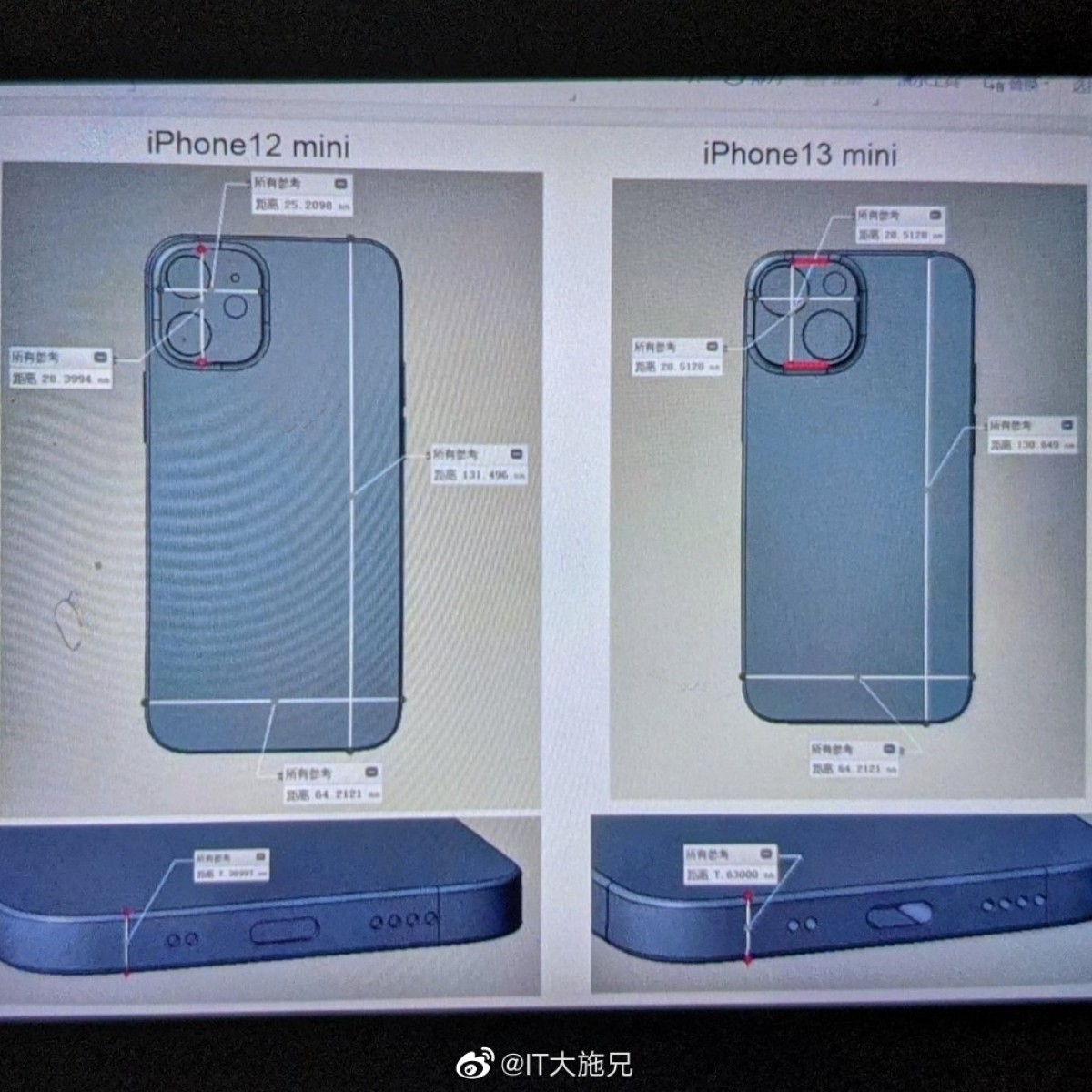
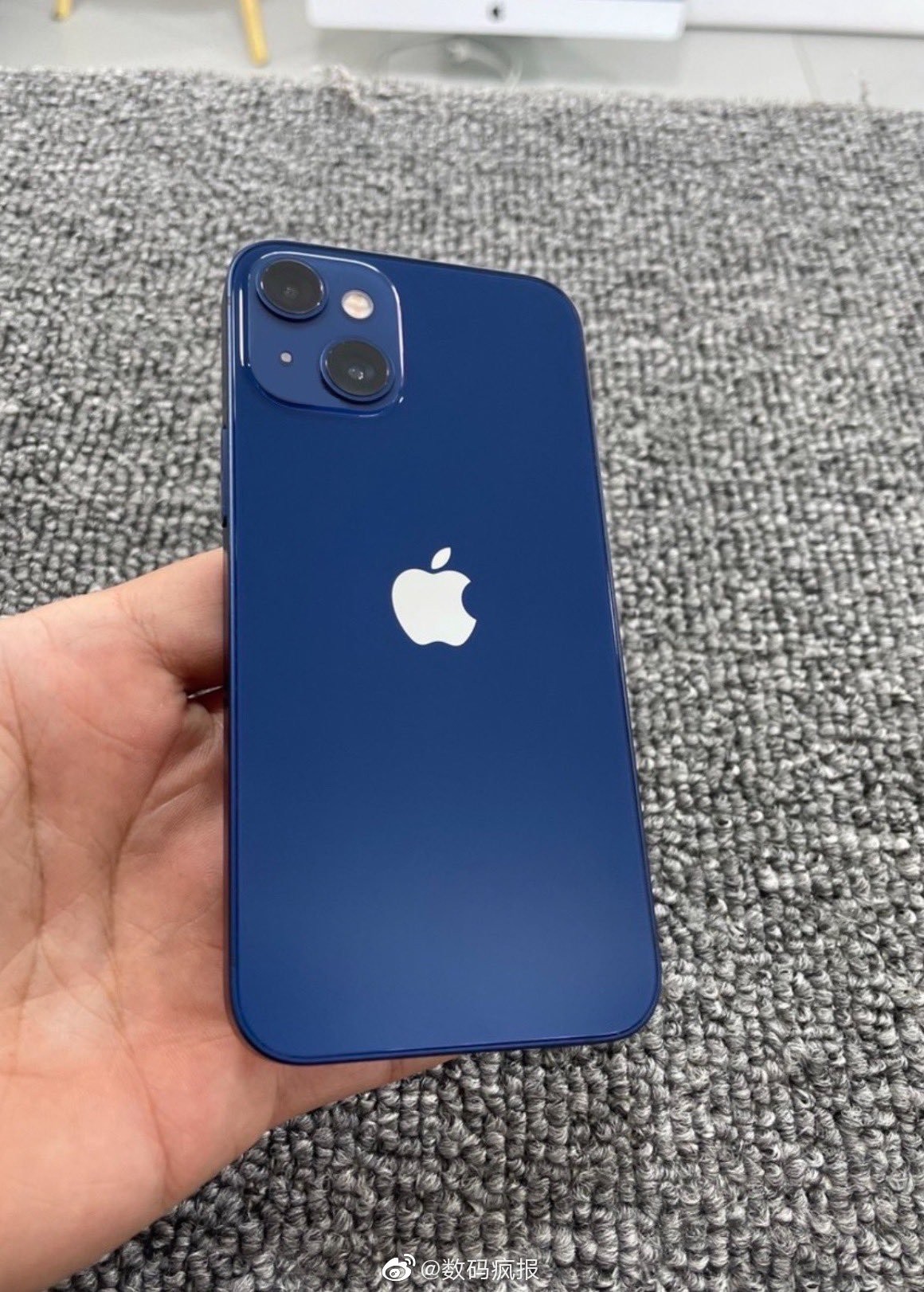
More or less the size and shape should be this liao. Bigger camera module.


Illusionist_85
Banned
- Joined
- Oct 3, 2002
- Messages
- 129,916
- Reaction score
- 7,222
Illusionist_85
Banned
- Joined
- Oct 3, 2002
- Messages
- 129,916
- Reaction score
- 7,222

netzach
High Supremacy Member
- Joined
- Nov 28, 2011
- Messages
- 40,546
- Reaction score
- 3,165
can’t travel prob will change batt n use my X for another year
i just changed in end Jul. iPhone X batt. lol.
total changed twice already, been using since 2018 or so.
changed once before the warranty was up, 79% or so when i changed again in end Jul.

Illusionist_85
Banned
- Joined
- Oct 3, 2002
- Messages
- 129,916
- Reaction score
- 7,222
heng apple seems to be coming out the boxy design for its products which i damn liked. mayb i just get the apple watch 7 if its battery improved for at least 3 days
Important Forum Advisory Note
This forum is moderated by volunteer moderators who will react only to members' feedback on posts. Moderators are not employees or representatives of HWZ Forums. Forum members and moderators are responsible for their own posts.
Please refer to our Community Guidelines and Standards and Terms and Conditions for more information.
