

reikizi
Senior Member
- Joined
- Apr 11, 2003
- Messages
- 2,497
- Reaction score
- 76
Pretending to be a pilot. Busy Tuesday!!!


kidzania ?? ho sng bo ?? heard very pack ?
Pretending to be a pilot. Busy Tuesday!!!

Singaporean bro haha. Picked it up from RSC Orchard.

You should also picked up a couple of 2017 calendar too. Can flip it for fast cash.
Oh you say local lol.
Sg only got one RSC Haha

Oh yeah haha. That's coz I posted this in another forum as well. Just copy and pasted.


kidzania ?? ho sng bo ?? heard very pack ?

Wow. Knocked onto Luke Cage?!
Can try K2 watch.

Any bro can share where to fix broken watch face? The glass broken cos knocked onto ppl on train.... Sian
Btw is a seiko...
Sent from lalaland using GAGT


Just curious- what's the price range for Low end omega automatic? I see the chronometer ones priced from 8k to 11k.. Is there anything good within 5k..?
If Killiney Road is convenient for you, you could enquire at this shop too.
5k you can get the best of omega already. The speedmaster.
Just curious- what's the price range for Low end omega automatic? I see the chronometer ones priced from 8k to 11k.. Is there anything good within 5k..?


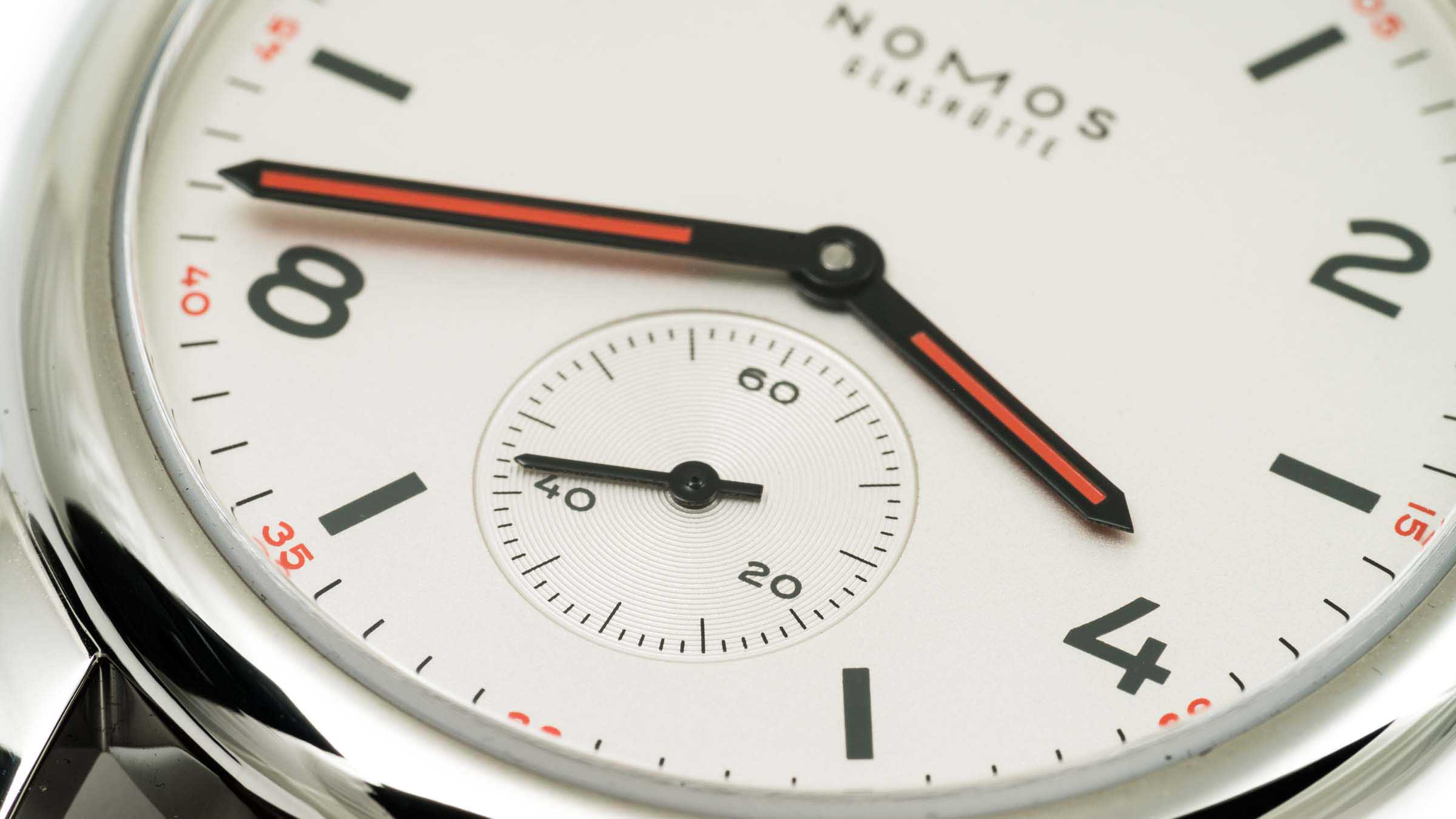
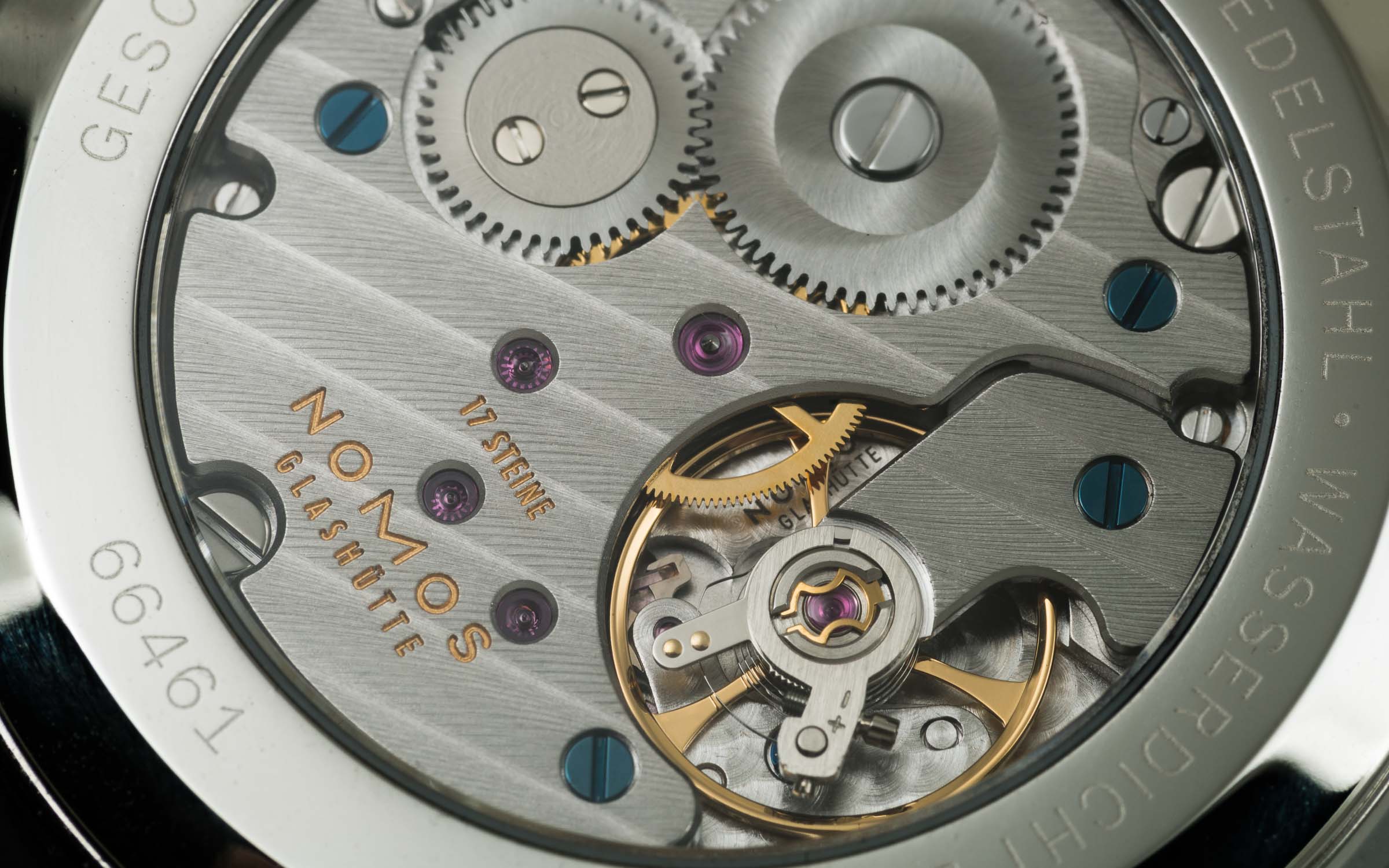
Where have you been?smart watches caused folks to love & embrace mechanical watches.
https://www.wristwatchreview.com/20...nds-on-with-the-hamilton-jazzmaster-day-date/
https://marco.org/2016/02/05/watchI never understood mechanical watches until I saw the Apple Watch. Here’s my trip from the Apple Watch to my first mechanical watch and what I’m doing here at WWR. (If you’re only here for the Hamilton click here.)
I am an Apple guy. I have used Macs exclusively for more than fifteen years. I had an original iPhone, and have had an iPhone ever since. I still use my original iPad. I may or may not have an Apple sticker on my bike. And my skis. I’m a fan.
Looking at the Apple Watch when it debuted in 2015, I wanted to like it. But it’s not intuitively awesome in the way the original iPhone was. Or even incrementally better in the way the iPad was. The Watch just seemed unnecessary and overly complicated. It did, however, make me want to buy a watch, just not the Apple Watch.
I never understood the allure of mechanical watches. They’re so expensive, antiquated, and unnecessary. But they tick. They have a heartbeat. They have weight. My life is spent in front of a computer screen—handheld or desktop—and the idea of staring at another one on my wrist was overwhelming. The beauty of a handcrafted machine on my wrist seemed the perfect counterbalance. The Apple Watch caused me to rebel, to flee from modernity, and I ended up here.
I was never a watch guy. I had a series of crappy to moderate quartz watches over the years, and when the last one died I just bought a Timex Ironman. When I lost that one jumping off a cliff, I got another one. The Timex was useful because I like a watch with the day and date. But now I wanted a ticking technological tonic to fill that role.
The Hamilton Jazzmaster Day Date does the job its name suggests, but it does it better than most. The venerable ETA 2834-2 keeps track of things underneath, and the info is displayed on the dial in perfect balance. The day streaks across the dial at 12, filling the space between 11 and 1 and taking half a baton with it. Other watches do that trick, but many lose the plot with the date, dropped at 3:00 for no sensible stylistic reason. Here’s where the Hammy breaks from the likes of the Rolex Day-Date and its pretenders: the day of the month is at 6:00, perfectly balancing out the day of the week at the top of the dial.
The dial has a subtle texture that changes with the light from smooth to rough. The indices and hands also play chameleon, glinting from yellow gold to subdue brass depending on the mood. Pictures hide its brilliance.
The case is 40 mm of modern-proportioned ruggedness, with brushed and polished stainless steel playing together. It’s nearly 50 mm lug-to-lug, large for my 7” wrist, but only just.
The strap is the only real sore spot. It comes from Berne with a brown faux-alligator strap too thin to match the shape of the downturned lugs and with a pin buckle that is, well, a pin buckle. I replaced it with a padded strap and an Omega-style deployant. The strap is beautifully made, but a touch stiff and the clasp is oddly wide and even more oddly built (after catching the watch a few times and finding the clasp buttons were held on by tension alone I successfully repaired it by gluing the buttons on). But the fit to the case is perfect and it looks like it was meant for the watch.
My Jazzmaster was a reaction to screens, but it is not a rejection of them. It’s a statement about their limits. I’m a lawyer by day and the vast majority of my time is spent researching and writing on a computer. I could work without one, but I never would. And you can’t be a genuine Luddite blogger. Yet, when I saw the Apple Watch I realized, as much as I love the easy way screens serve information, I do not want to stare at another one. I had found the point I never thought I would, where electronics become overpowering and a radically different solution makes more sense. As we explore watches together here at WWR, I hope to discover why that is, one watch at a time. hamiltonwatch.com
Hamilton Jazzmaster Day/Date (H32505511)
Stainless steel case
Sapphire crystal
Movement: ETA 2834-2 Automatic
Case width: 40 mm
Case height: 12 mm
Dial diameter: 34.25 mm
Lug-to-lug: 49.8 mm
Lug width: 20 mm
MSRP: $795
P.S. – I’m not the only person to take this Apple Watch vision quest, but I might have been the first to write about it.
I never thought I’d be a watch person. (Or that I’d wear blue shorts.)
I didn’t need a watch. I had a phone and a computer to tell me the time.
But I got the Apple Watch on day one, because I’m a responsible iPhone app developer and I knew I’d need to port my app to it. I wore it almost every day for the next eight months.
The Apple Watch is a confused product, designed like a tiny iPhone, which is as misguided as it would’ve been to design the iPhone with the Mac’s UI and app structure. The result is promising, but clunky and slow. It could be so great at its three most useful functions — notifications, activity tracking, and timekeeping with robust complications — if only they were more reliable and better executed. Someday, I hope they are.
To be great, the Apple Watch needs to be rethought to do less, better. I see no signs that Apple is heading in this direction, but never say never.
Despite its flaws, owning the Apple Watch has a lot of upsides. The activity tracking, when it worked reliably, encouraged me to exercise regularly and improve my health. The notifications, when they’re delivered reliably, save many cumulative seconds pulling my phone out to see why it vibrated.
And, actually, it’s pretty nice to have the time on your wrist. Who knew?
As it turns out, some people had already discovered this.
Timekeeping on the Apple Watch is especially frustrating: it gets you hooked on having the time always shown on your wrist, but like most of the Watch’s features, it’s unreliable. The screen stays off unless you tap it or twist your wrist, and if it doesn’t recognize the motion properly, you’re just staring at a blank screen until you get impatient and perform a second, exaggerated wrist motion, hoping nobody’s watching.
Even when it works perfectly, there’s a delay of about a second between when you raise your wrist and when the screen turns on. This is fast and convenient compared to checking the time on your phone, but feels like an eternity if you’re accustomed to glancing at a regular watch and having the time already being displayed, every time. Fortunately, I wasn’t.
I was happy enough with its almost-greatness not to look around for a while, except for one problem that I blame Apple entirely for:
The Apple Watch got me to care about watch fashion.
Apple did an excellent job with the Watch’s materials and finishes, and for a wrist computer, it doesn’t look bad, especially in stainless steel. I haven’t found anything else in the watch world that looks and feels as nice as a steel Apple Watch for under $1000.
Most impressively, Apple’s watchbands are truly world-class: the quality, comfort, and versatility of every Apple band completely outclasses everything else I’ve seen and tried in the watch world.
When I first started wearing my steel Apple Watch with the black leather strap, I kept looking at my wrist and thinking, “Damn, that looks nice.”
This was the beginning of the end.
Nobody ever wears one watch, thinks “Damn, that looks nice”, and never wants another watch again.
I was starting to understand fashion. This was going to be bad.
Apple has aggressively pushed the Apple Watch as high fashion, but it’s simply not. It’s a utility watch, much like quartz watches, that has many useful functions and can be made to look very nice but won’t ever be a prestigious fashion item. There’s no shame in that. The sooner Apple realizes this and lets the Watch be what it really is, the better.
Shortly before Christmas, I accidentally found the first mechanical watch that infected my mind so much that I actually wanted — quite badly — to own it. I had many doubts: Would I look ridiculous wearing it? Would I hate setting or winding it? Would I miss notifications, activity tracking, and weather on my watch? Would I wear it briefly but then run back to my Apple Watch and let the mechanical rot in a drawer?
Nope.
I got that watch for Christmas (because my wife is awesome), and I’ve only worn my Apple Watch twice since then (while baking, so I could set timers by voice, and clearing snow, since my phone would be inaccessible). All of my concerns were unfounded.
I love wearing a mechanical watch. They’re functional jewelry: fantastic works of art that I feel great wearing, but also serve a very useful purpose.
Logically, I shouldn’t like these. I’m a usually-rational software developer and computer geek. Mechanical watches are ancient technology that’s outclassed in every objective metric — accuracy, reliability, simplicity, cost — by any inexpensive quartz watch, let alone the high-precision timekeeping and unmatchable connected-computer features on the Apple Watch.
I laughed at the TAG Heuer CEO when he speculated, “Apple will get young people used to wearing a watch and later maybe they will want to buy themselves a real watch.” I even wrote an entire article about the “dumbwatch” being doomed for anyone who tries an Apple Watch because I was an idiot.
But I simply like mechanical watches more. I’ve completely converted, and I don’t foresee myself wearing the Apple Watch much in the future — the additional functionality it offers isn’t useful enough to me (your needs may vary) to overcome the far greater joy I get out of wearing a nice mechanical watch.
A big part of that joy, for me, is that this isn’t like anything else in my life, and the difference is refreshing.
Most of my work and hobbies involve technologically cutting-edge digital electronics reliant on complex, inconsistent software, with a typical lifetime of a few years at most. Almost everything else I use and make is effectively disposable.
As software creeps into ever more objects in my daily life and makes them more capable yet more disposable and less reliable than ever, it’s nice to have something that does less, always works, never needs a software update, requires no cables, doesn’t need to be charged, and whose useful life will probably be longer than mine.

Okay thanks, am looking at the moon watch chronograph 39.7 mm. The price is pretty sexpensive at 8k.. Can it be fitted with a stainless steel bracelet?
smart watches caused folks to love & embrace mechanical watches.
https://www.wristwatchreview.com/20...nds-on-with-the-hamilton-jazzmaster-day-date/
https://marco.org/2016/02/05/watchI never understood mechanical watches until I saw the Apple Watch. Here’s my trip from the Apple Watch to my first mechanical watch and what I’m doing here at WWR. (If you’re only here for the Hamilton click here.)
I am an Apple guy. I have used Macs exclusively for more than fifteen years. I had an original iPhone, and have had an iPhone ever since. I still use my original iPad. I may or may not have an Apple sticker on my bike. And my skis. I’m a fan.
Looking at the Apple Watch when it debuted in 2015, I wanted to like it. But it’s not intuitively awesome in the way the original iPhone was. Or even incrementally better in the way the iPad was. The Watch just seemed unnecessary and overly complicated. It did, however, make me want to buy a watch, just not the Apple Watch.
I never understood the allure of mechanical watches. They’re so expensive, antiquated, and unnecessary. But they tick. They have a heartbeat. They have weight. My life is spent in front of a computer screen—handheld or desktop—and the idea of staring at another one on my wrist was overwhelming. The beauty of a handcrafted machine on my wrist seemed the perfect counterbalance. The Apple Watch caused me to rebel, to flee from modernity, and I ended up here.
I was never a watch guy. I had a series of crappy to moderate quartz watches over the years, and when the last one died I just bought a Timex Ironman. When I lost that one jumping off a cliff, I got another one. The Timex was useful because I like a watch with the day and date. But now I wanted a ticking technological tonic to fill that role.
The Hamilton Jazzmaster Day Date does the job its name suggests, but it does it better than most. The venerable ETA 2834-2 keeps track of things underneath, and the info is displayed on the dial in perfect balance. The day streaks across the dial at 12, filling the space between 11 and 1 and taking half a baton with it. Other watches do that trick, but many lose the plot with the date, dropped at 3:00 for no sensible stylistic reason. Here’s where the Hammy breaks from the likes of the Rolex Day-Date and its pretenders: the day of the month is at 6:00, perfectly balancing out the day of the week at the top of the dial.
The dial has a subtle texture that changes with the light from smooth to rough. The indices and hands also play chameleon, glinting from yellow gold to subdue brass depending on the mood. Pictures hide its brilliance.
The case is 40 mm of modern-proportioned ruggedness, with brushed and polished stainless steel playing together. It’s nearly 50 mm lug-to-lug, large for my 7” wrist, but only just.
The strap is the only real sore spot. It comes from Berne with a brown faux-alligator strap too thin to match the shape of the downturned lugs and with a pin buckle that is, well, a pin buckle. I replaced it with a padded strap and an Omega-style deployant. The strap is beautifully made, but a touch stiff and the clasp is oddly wide and even more oddly built (after catching the watch a few times and finding the clasp buttons were held on by tension alone I successfully repaired it by gluing the buttons on). But the fit to the case is perfect and it looks like it was meant for the watch.
My Jazzmaster was a reaction to screens, but it is not a rejection of them. It’s a statement about their limits. I’m a lawyer by day and the vast majority of my time is spent researching and writing on a computer. I could work without one, but I never would. And you can’t be a genuine Luddite blogger. Yet, when I saw the Apple Watch I realized, as much as I love the easy way screens serve information, I do not want to stare at another one. I had found the point I never thought I would, where electronics become overpowering and a radically different solution makes more sense. As we explore watches together here at WWR, I hope to discover why that is, one watch at a time. hamiltonwatch.com
Hamilton Jazzmaster Day/Date (H32505511)
Stainless steel case
Sapphire crystal
Movement: ETA 2834-2 Automatic
Case width: 40 mm
Case height: 12 mm
Dial diameter: 34.25 mm
Lug-to-lug: 49.8 mm
Lug width: 20 mm
MSRP: $795
P.S. – I’m not the only person to take this Apple Watch vision quest, but I might have been the first to write about it.
I never thought I’d be a watch person. (Or that I’d wear blue shorts.)
I didn’t need a watch. I had a phone and a computer to tell me the time.
But I got the Apple Watch on day one, because I’m a responsible iPhone app developer and I knew I’d need to port my app to it. I wore it almost every day for the next eight months.
The Apple Watch is a confused product, designed like a tiny iPhone, which is as misguided as it would’ve been to design the iPhone with the Mac’s UI and app structure. The result is promising, but clunky and slow. It could be so great at its three most useful functions — notifications, activity tracking, and timekeeping with robust complications — if only they were more reliable and better executed. Someday, I hope they are.
To be great, the Apple Watch needs to be rethought to do less, better. I see no signs that Apple is heading in this direction, but never say never.
Despite its flaws, owning the Apple Watch has a lot of upsides. The activity tracking, when it worked reliably, encouraged me to exercise regularly and improve my health. The notifications, when they’re delivered reliably, save many cumulative seconds pulling my phone out to see why it vibrated.
And, actually, it’s pretty nice to have the time on your wrist. Who knew?
As it turns out, some people had already discovered this.
Timekeeping on the Apple Watch is especially frustrating: it gets you hooked on having the time always shown on your wrist, but like most of the Watch’s features, it’s unreliable. The screen stays off unless you tap it or twist your wrist, and if it doesn’t recognize the motion properly, you’re just staring at a blank screen until you get impatient and perform a second, exaggerated wrist motion, hoping nobody’s watching.
Even when it works perfectly, there’s a delay of about a second between when you raise your wrist and when the screen turns on. This is fast and convenient compared to checking the time on your phone, but feels like an eternity if you’re accustomed to glancing at a regular watch and having the time already being displayed, every time. Fortunately, I wasn’t.
I was happy enough with its almost-greatness not to look around for a while, except for one problem that I blame Apple entirely for:
The Apple Watch got me to care about watch fashion.
Apple did an excellent job with the Watch’s materials and finishes, and for a wrist computer, it doesn’t look bad, especially in stainless steel. I haven’t found anything else in the watch world that looks and feels as nice as a steel Apple Watch for under $1000.
Most impressively, Apple’s watchbands are truly world-class: the quality, comfort, and versatility of every Apple band completely outclasses everything else I’ve seen and tried in the watch world.
When I first started wearing my steel Apple Watch with the black leather strap, I kept looking at my wrist and thinking, “Damn, that looks nice.”
This was the beginning of the end.
Nobody ever wears one watch, thinks “Damn, that looks nice”, and never wants another watch again.
I was starting to understand fashion. This was going to be bad.
Apple has aggressively pushed the Apple Watch as high fashion, but it’s simply not. It’s a utility watch, much like quartz watches, that has many useful functions and can be made to look very nice but won’t ever be a prestigious fashion item. There’s no shame in that. The sooner Apple realizes this and lets the Watch be what it really is, the better.
Shortly before Christmas, I accidentally found the first mechanical watch that infected my mind so much that I actually wanted — quite badly — to own it. I had many doubts: Would I look ridiculous wearing it? Would I hate setting or winding it? Would I miss notifications, activity tracking, and weather on my watch? Would I wear it briefly but then run back to my Apple Watch and let the mechanical rot in a drawer?
Nope.
I got that watch for Christmas (because my wife is awesome), and I’ve only worn my Apple Watch twice since then (while baking, so I could set timers by voice, and clearing snow, since my phone would be inaccessible). All of my concerns were unfounded.
I love wearing a mechanical watch. They’re functional jewelry: fantastic works of art that I feel great wearing, but also serve a very useful purpose.
Logically, I shouldn’t like these. I’m a usually-rational software developer and computer geek. Mechanical watches are ancient technology that’s outclassed in every objective metric — accuracy, reliability, simplicity, cost — by any inexpensive quartz watch, let alone the high-precision timekeeping and unmatchable connected-computer features on the Apple Watch.
I laughed at the TAG Heuer CEO when he speculated, “Apple will get young people used to wearing a watch and later maybe they will want to buy themselves a real watch.” I even wrote an entire article about the “dumbwatch” being doomed for anyone who tries an Apple Watch because I was an idiot.
But I simply like mechanical watches more. I’ve completely converted, and I don’t foresee myself wearing the Apple Watch much in the future — the additional functionality it offers isn’t useful enough to me (your needs may vary) to overcome the far greater joy I get out of wearing a nice mechanical watch.
A big part of that joy, for me, is that this isn’t like anything else in my life, and the difference is refreshing.
Most of my work and hobbies involve technologically cutting-edge digital electronics reliant on complex, inconsistent software, with a typical lifetime of a few years at most. Almost everything else I use and make is effectively disposable.
As software creeps into ever more objects in my daily life and makes them more capable yet more disposable and less reliable than ever, it’s nice to have something that does less, always works, never needs a software update, requires no cables, doesn’t need to be charged, and whose useful life will probably be longer than mine.


