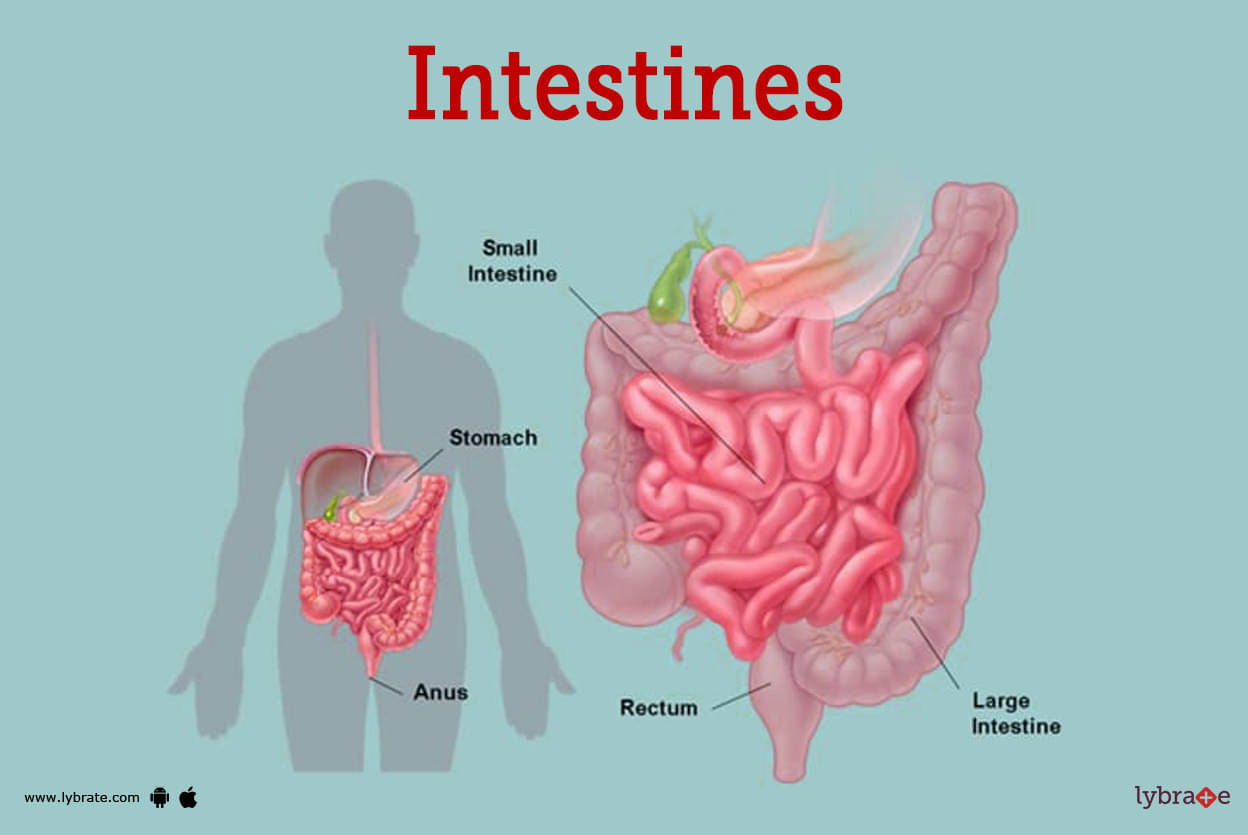
A five-year-old girl in Malaysia suffered from severe constipation due to her long-term refusal to eat vegetables. The feces accumulated in her abdomen even pressed on her lungs, causing severe abdominal pain for up to two weeks.
A woman living in Kuala Lumpur shared her thrilling experience of seeking medical treatment on Facebook. She described her daughter as a typical "carnivore" who loved rice, pasta and fruit, but stayed away from green vegetables. Although the family believed that fruit could replace the nutrition of vegetables, they ignored the problem of insufficient dietary fiber intake.
After an X-ray examination, the cause of the girl's repeated abdominal pain was finally found out. The X-ray showed that the girl's abdomen was full of feces.
China Press reported that the onset of the disease began the day after the girl's fifth birthday, and the sudden abdominal pain caught the family off guard. At the first visit, the family doctor diagnosed her with gastroenteritis, and the symptoms were temporarily relieved after prescribing oral rehydration salts and medication. However, three days later, the girl cried again and complained about difficulty in defecation, saying bluntly that "the stool was very hard" and "the stomach hurts a lot."
In the following two weeks, the girl's abdominal pain frequency increased to three or four times a day, and she even had severe symptoms of curling up and crying. When she sought medical treatment for the second time, the doctor suspected that it was "intussusception" (commonly known as large intestine wrapped in small intestine), a serious disease that requires surgical intervention and makes parents shudder.
After being referred to the hospital, the experienced Indian old doctor immediately found the abnormality through palpation. X-rays showed that the amount of feces accumulated in the girl's intestines was astonishing, from the abdomen to the lungs, forming obvious compression. The doctor explained that this was the reason for her repeated abdominal pain.
The medical team prescribed special medicine to soften the stool, and after three days of treatment, the girl successfully excreted "several kilograms" of feces. In view of the girl's picky eating habits, the doctor recommended supplementing children's fiber preparations, and emphasized the importance of green vegetables for intestinal health.
The girl has recovered, but her mother strictly monitors her bowel movements every day, reminding parents to pay attention to children's balanced diet and healthy bowel movements.