Buddhist Verses & Silent Readings For Reflection (静思语) - Part 6

viethai

High Supremacy Member
Joined
Sep 18, 2018
Messages
25,458
Reaction score
37,613
📘《不佔便宜的人,最有福報》

一個人的福報,看不見、摸不著,
卻真真切切藏在他的心性與習慣裡。

你會發現——
越是福報大的人,越不會貪小便宜;
越是格局大的人,越懂得「吃虧是福」。

因為成年人最清醒的一句話是:
便宜不是天上掉下來的,是從福報裡扣的。

🪴 01|貪便宜,是福報流失最快的方式

古人說:「佔人一分,天奪十分。」

一個人若總想以最低成本得到最多利益:
斤斤計較、算計別人、佔人好處、利用人情,
表面上是“划算”,
但能量在默默下降。

因為宇宙的規律只有一句:
你拿不屬於你的,總有一天會失去屬於你的。

而且失去得更快、更痛。

🪴 02|不佔便宜,是一個人的修行

不佔便宜的人,看起來吃虧,
其實心地最乾淨。

他們不算計、不刻薄、不強取豪奪,
所以心安;
心安,所以福來。

你看那些真正大氣、有福報的人:
✨出去吃飯願意多付一點;
✨和人合作願意讓利;
✨對朋友不斤斤計較;
✨與家人不記小帳。

他們的習慣只有一個:
我寧願吃點虧,也不要虧良心。

這樣的人,福報只會越積越厚。

🪴 03|宇宙有一條鐵律:你給出去的,會十倍回來

你替別人著想,別人就會替你鋪路;
你願意吃點虧,天就會給你補回來;
你能讓人舒服,福氣自然到你身上。

佛法說:「利益他人,即是成就自己。」

心越善,福越近;
不計較的人,福常在身邊。

有些好運不是努力來的,
是心量換來的。

🪴 04|心裡乾淨的人,命運一定不會差

心裡乾淨的人不計較、不貪心、不算計,
所以天地願意保護他。

他走到哪裡,都有好運氣;
他說話做事,都有人願意幫他;
他身邊沒有爛人爛事,
因為他的能量太乾淨了,
低頻者靠不近。

這就是福報深的人:
不爭、不搶、不貪、不佔,
反而人生順、機會多、貴人來。

🪴 05|吃虧,是一種無形的善根

你替別人讓出的位置,
天會替你留住更大的空間。

你今天吃的虧,看似損失,
但那是在種福;
你今天的忍讓,看似憋屈,
但那是在化業。

人這一生,
看似「吃虧」,
其實都是在為未來攢福報。

🪴 06|真正有福報的人,都有這三個特質

① 不佔便宜——因為懂因果。
② 不計較——因為心量大。
③ 肯吃虧——因為知道吃虧是福。

這三件事,看似簡單,
卻能決定一個人的命運走向。

💐 結語

你不貪,福在你這裡;
你不搶,運在你這裡;
你不算計,天就會替你安排最好的。

因為一個不佔便宜的人,
心裡一定善,
心地一定亮,
命運一定旺。

🌷愿你可以在世间行得正、坐得安,
不因小利而动心,
不因眼前诱惑而失身心;
🌷愿你心怀善意,处处守道,
岁月待你温柔,福报自然常伴左右。
 

viethai

High Supremacy Member
Joined
Sep 18, 2018
Messages
25,458
Reaction score
37,613
世界上一切的善緣惡緣,實際上都是佛性的體現。

也就是說,你今天好的和不好的,你今天順利的和不順利的,它都是佛性的體現,緣分就是因果關係。

為什麼他到我家裡做我的孩子?為什麼今天我們兩個人能夠走在一起?為什麼今天我能夠學佛?所有的一切全部都是因果。

今天為什麼我能夠跟他好,明天跟他不好?過兩天我又能跟他好,又能跟他不好?都是因果,一切離不開因果。
 

waterbright

Senior Member
Joined
Apr 20, 2018
Messages
2,285
Reaction score
12,223

Spreading the Dhamma

Then the thought occurred to the Blessed One, “To whom should I teach the Dhamma first? Who will quickly understand this Dhamma?” Then the thought occurred to him, “This Āḷāra Kālāma is wise, competent, intelligent. He has long had little dust in his eyes. What if I were to teach him the Dhamma first? He will quickly understand this Dhamma.” Then an invisible devatā informed the Blessed One, “Lord, Āḷāra Kālāma died seven days ago.” And knowledge & vision arose within him: “Āḷāra Kālāma died seven days ago.” The thought occurred to him, “Greatly deprived is Āḷāra Kālāma. If he had heard this Dhamma, he would have quickly understood it.”

Then the thought occurred to the Blessed One, “To whom should I teach the Dhamma first? Who will quickly understand this Dhamma?” Then the thought occurred to him, “This Uddaka Rāmaputta is wise, competent, intelligent. He has long had little dust in his eyes. What if I were to teach him the Dhamma first? He will quickly understand this Dhamma.” Then an invisible devatā informed the Blessed One, “Lord, Uddaka Rāmaputta died last night.” And knowledge & vision arose within him: “Uddaka Rāmaputta died last night.” The thought occurred to him, “Greatly deprived is Uddaka Rāmaputta. If he had heard this Dhamma, he would have quickly understood it.”

Then the thought occurred to the Blessed One, “To whom should I teach the Dhamma first? Who will quickly understand this Dhamma?”

Then the thought occurred to him, “They were very helpful to me, the group of five monks who attended to me when I was resolute in exertion. What if I were to teach them the Dhamma first?” Then the thought occurred to the Blessed One, “Where are the group of five monks staying now?” And with the divine eye, purified & surpassing the human, he saw that they were staying near Vārāṇasī in the Isipatana game reserve.

Then, having stayed at Uruvelā as long as he liked, the Blessed One set out to wander by stages to Vārāṇasī. Upaka the Ājīvaka saw him on the road between Gayā and the (place of) awakening, and on seeing him said to him, “Clear, my friend, are your faculties. Pure your complexion, and bright. On whose account have you gone forth? Who is your teacher? In whose Dhamma do you delight?”

When this was said, the Blessed One replied to Upaka the Ājīvaka in verses:

“All-conquering,
all-knowing am I,
with regard to all things,
unadhering.
All-abandoning,
released in the ending of craving:
Having fully known on my own,
to whom should I point as my teacher?

I have no teacher,
and one like me can’t be found.
In the cosmos with its devas,
I have no counterpart.
For I am an arahant in the cosmos;
I, the unexcelled teacher.
I, alone, am rightly self-awakened.
Cooled am I, unbound.

To set rolling the wheel of Dhamma
I go to the city of Kāsi.
In a world become blind,
I beat the drum of the deathless.”

“From your claims, my friend, you must be an infinite victor.”

“Victors are those like me
who have reached the end of effluents.
I’ve defeated evil qualities,
and so, Upaka, I’m a victor.”

When this was said, Upaka said, “May it be so, my friend,” and—shaking his head, taking a side road—he left.

Then, wandering by stages, the Blessed One arrived at Vārāṇasī, at the Isipatana game reserve, where the group of five monks were staying. They saw him coming from afar and, on seeing him, made a pact with one another, (saying,) “Friends, here comes Gotama the contemplative: living luxuriously, straying from his exertion, backsliding into abundance. He isn’t to be bowed down to, to be greeted by standing up, or to have his robe & bowl received. Still, a seat should be laid out; if he wants to, he can sit down.” But as the Blessed One approached, the group of five monks, unable to keep to their pact, went out to greet him. One received his robe & bowl. Another laid out a seat. Another set out water for washing his feet. Another set out a foot stand. Another set out a pebble foot-washer.

The Blessed One sat down on the seat laid out and, seated, washed his feet. Still, they addressed the Blessed One by name and as “friend.” When this was said, the Blessed One said to them, “Monks, don’t address the Tathāgata by name and as ‘friend.’ The Tathāgata, monks, is a worthy one, rightly self-awakened. Lend ear, monks: The deathless has been attained. I will instruct you. I will teach you the Dhamma. Practicing as instructed, you will in no long time reach & remain in the supreme goal of the holy life for which clansmen rightly go forth from home into homelessness, knowing & realizing it for yourselves in the here-&-now.”

When this was said, the group of five monks replied to the Blessed One, “But, friend Gotama, by that practice, that conduct, that performance of austerities you did not attain any superior human states, any distinction in knowledge & vision worthy of a noble one. So how can you now—living luxuriously, straying from your exertion, backsliding into abundance—have attained any superior human states, any distinction in knowledge & vision worthy of a noble one?”

When this was said, the Blessed One replied to them, “The Tathāgata, monks, is not living luxuriously, has not strayed from his exertion, has not backslid into abundance. The Tathāgata, friends, is a worthy one, rightly self-awakened. Lend ear, friends: The deathless has been attained. I will instruct you. I will teach you the Dhamma. Practicing as instructed, you will in no long time reach & remain in the supreme goal of the holy life for which clansmen rightly go forth from home into homelessness, knowing & realizing it for yourselves in the here-&-now.”

A second time… A third time, the group of five monks said to the Blessed One, “But, friend Gotama, by that practice, that conduct, that performance of austerities you did not attain any superior human states, any distinction in knowledge & vision worthy of a noble one. So how can you now—living luxuriously, straying from your exertion, backsliding into abundance—have attained any superior human states, any distinction in knowledge & vision worthy of a noble one?”

When this was said, the Blessed One replied to the group of five monks, “Do you recall my ever having said this51 before now?”

“No, lord.”

“The Tathāgata, monks, is a worthy one, rightly self-awakened. Lend ear, monks: The deathless has been attained. I will instruct you. I will teach you the Dhamma. Practicing as instructed, you will in no long time reach & remain in the supreme goal of the holy life for which clansmen rightly go forth from home into homelessness, knowing & realizing it for yourselves in the here-&-now.”

And so the Blessed One was able to convince them. Then the group of five monks listened carefully to the Blessed One. They lent their ears and determined their minds for the sake of knowledge.
 

viethai

High Supremacy Member
Joined
Sep 18, 2018
Messages
25,458
Reaction score
37,613
夢參老和尚

為什麼我們念觀世音菩薩?一念觀世音菩薩就靈了,遇到災難時候。因為觀世音平常觀察一切眾生,聽眾生的音聲,這是利他,觀自在是自利。以他能觀之智,觀所照一切境,這個境就是眾生。

他的智慧無礙了,所以他觀一切境無量,十法界眾生都能觀得到的。因為佛放光,觀世音菩薩觀到了,就來了,助佛揚化。

因為在佛的光的感召,當然觀世音菩薩光照大了,他來助佛揚化的。未來他要接受佛囑託他,佛囑託觀世音菩薩弘揚地藏經,這是觀世音菩薩來到法會當中的,他所要行的要做的參加這個法會。

觀世音菩薩就向佛說,世尊,是地藏菩薩摩訶薩他具足了大慈大悲,大慈悲,憐愍一切眾生,憐愍罪苦眾生,於過去未來千萬億世界,他所度眾生的處所太多了,在千萬億世界。每一個世界化一個身,有千萬億世界就化的千萬億身,讚歎地藏菩薩的。

所有的功德及不可思議的威神的力量,但是這個意思本來是佛召集一切菩薩到這個法會來,做宣揚地藏菩薩功德事情。佛還沒說,觀世音菩薩意識到,他曉得佛的這個意思,他就代佛請問,向佛請問,請佛說。

他問,佛就要答了。就是觀世音菩薩跟釋迦牟尼佛利益眾生的意願是一個,來讚歎地藏菩薩。因為觀世音菩薩對南閻浮提眾生因緣特別深厚,所以觀音、地藏都跟南閻浮提眾生因緣深厚,觀世音菩薩贊嘆地藏菩薩,他自己也是這樣做的,也是讚歎自己的。

例如悲華經,寶藏佛,讚歎這些大菩薩行菩薩道的,觀一切三惡道眾生生起大悲心,這就是觀世音,觀世音觀一切聲音生起大悲心,想要斷一切眾生的苦惱。斷苦惱得先斷眾生的煩惱,眾生有煩惱就苦了;要眾生沒煩惱了,那就住在安樂當中了,安樂當中就沒有苦了。

所以寶藏佛給觀世音菩薩定的名字叫觀世音,這個名字來源自悲華經,寶藏如來給觀世音菩薩定名叫觀世音。

同時寶藏佛說你在行菩薩道的時候,無量無邊的百千萬億眾生,能夠聞到你的名字,見到你行菩薩道的事跡,都能得離開苦惱,你能在這娑婆世界大作佛事,其功德與佛齊等。

悲華經,寶藏佛贊嘆觀世音菩薩,給他起個名字就叫觀世音。他本身對於這南閻浮提利益眾生的事業就很大很大了,功德很大。現在他看見地藏菩薩在地獄度無盡眾生,他產生大讚歎,助佛揚化的,所以他也讚歎地藏菩薩。

【 佛告觀世音菩薩:是地藏菩薩於閻浮提有大因緣,若說於諸眾生見聞利益等事,百千劫中說不能盡。是故,觀世音!汝以神力流布是經,令娑婆世界眾生,百千萬劫永受安樂。】

這一品是見聞利益,把見了地藏王菩薩,聞了地藏王菩薩的名,見了這部經或者見了地藏像的功德,講上百千劫都說不完。跟誰說呢?跟觀世音菩薩說的,因為是觀世音菩薩請佛說地藏王菩薩對閻浮提利益眾生的事,佛就告訴他了。

最後總結說,地藏王菩薩對閻浮提因緣深厚,他利益眾生事業的功德,百千劫都說不完。除了以上說的這麼多,以下的偈頌還要重復一次,普賢、文殊、觀音、彌勒的聖號,如是等大菩薩有百恆河沙數之多,都不如一食頃恭敬禮贊地藏王菩薩。

《大乘大集十輪經》也說,我們念一天地藏聖號的功德勝於念俱胝億劫,俱胝就是阿僧祇,俱胝就是無量數,億劫就是最長的,都不如念一日的地藏功德,稱這麼多大菩薩的名號都不能相比,這是顯什麼呢?

因為《地藏經》說的是地藏王菩薩的功德,而且前面每一品都說,我們如果能夠見聞就永遠脫離三途,再不墮畜生、餓鬼、地獄。

因此這都是稱讚地藏王菩薩的功德。這一品是觀世音菩薩請佛說,所以佛都是對著觀世音菩薩說的,觀世音菩薩也就如是地護持這部經。如果我們念觀世音菩薩也就等於念地藏王菩薩,我們不起這個分別心,念地藏王菩薩,就感激觀世音菩薩的護持。

因為我們念觀世音菩薩,觀世音菩薩能使我們聞到《地藏經》,見到地藏王菩薩形像。但是凡是有大菩薩的地方很少有地藏王菩薩,在密宗當中,受地藏王菩薩灌頂的少,因為喇嘛
上師說,地藏王菩薩只在漢族因緣深厚,我對這種說法不大同意。

南閻浮提的種族太多了,地藏王菩薩豈止對漢人的因緣深厚,是南閻浮提特別深厚,因此釋迦牟尼佛讚歎說完地藏王菩薩的功德之後,又囑咐觀世音菩薩,因為地藏王菩薩有這麼多利益眾生的功德,不可思議,所以你應當以你的神力,也就是以觀世音菩薩的神力來弘揚這部《地藏經》,使這部經廣宣流布。

因為這部經能夠令娑婆世界的眾生,百千萬劫永遠享受安樂;這種安樂就不只是離開三塗,做人的時候少憂惱,不被貧窮病苦逼迫,永遠得安樂。

觀音即是地藏,地藏即是觀音
夢參老和尚

有人問我念〈觀世音菩薩普門品〉好呢?還是念《地藏經》好呢?我說:“如果你貪圖少,就念〈普門品〉,有時間就念《地藏經》。”但是你的思想不要起分別,觀音即是地藏,地藏即是觀音。〈大悲咒〉裡“那囉謹墀” 就是觀音菩薩化現地藏菩薩相,這個在〈大悲咒〉八十四相裡頭的,可以看得到。

你想釋迦牟尼佛囑託觀音菩薩弘揚《地藏經》,觀音菩薩本身就有觀音菩薩〈普門品〉,他直接弘揚就好了,何必再來護持《地藏經》呢?大家想一想。
 

viethai

High Supremacy Member
Joined
Sep 18, 2018
Messages
25,458
Reaction score
37,613
命運若是安排敵人給您
是為了讓您超越自己

命運若是安排您倒下
是為了讓您站得更穩

命運若是安排您迷路
是為了讓您找到新路

每一個厄運的背後
事實上都隱藏著祝福
這並不是什麼厄運
而是要轉運了
 

viethai

High Supremacy Member
Joined
Sep 18, 2018
Messages
25,458
Reaction score
37,613
財大業大,你擁有的東西,都有業在裡頭
佚名

財大業大,你擁有的東西,都有業在裡頭。
我們生活需要的東西很簡單,多餘的東西,就是業。因為任何東西都是所有人的業力創造出來的。你擁有有太多時,你就同時擁有了那些業力。

所以,無論你多有錢,都要過清貧的生活,這樣會長壽。像王永慶,就很注意過清貧的日子,自己用紙張,都是很捨不得,一張紙寫一個電話,就撕下一點而已,剩餘的繼續用。有錢就去辦教育,做慈善。

所以他雖然很有錢,但他沒有享受,生活很清貧,所以他就長壽。清貧是很難的。古人講,由儉入奢易,由奢入儉難。

以前人坐火車很享受,現在人有了飛機、高鐵,坐火車就覺得很難熬。其實現在火車已經條件好很多,比以前燒煤的要好。但為什麼我們吃不了這個苦?你覺得你的身體受不了,為什麼身體受不了?就因為你的福報在減少了。

一個人身體很差,適應不了環境,這就是福報在減少。大家有沒有覺察?

有些人換了一個地方就睡不著。還有的人愛乾淨,卻天天生病。但是,你看那些清潔工,天天和垃圾打交道,他們生病的真的很少。這是為什麼?這就是身體福報的問題。

我們錯誤的追求生活的質量、安逸,其實把福報享受完了。福報一享受完,你身體就不好。有福報減福報,沒有福報就減壽命。

所以要過清貧的生活。現在大家生活都很好了。可是感覺到人的身體變差了,不是一點,而是很多。

醫院裡頭人滿為患,許多人生孩子都很困難,尤其是順產很難,都要剖腹產。這就是身體不好的緣故。

我們對外在環境要求越高,就必須拼命的工作勞動,結果都為了變成更好的享受,看似是在創造幸福生活,實則是在拼福報。

你看這是不是顛倒?所以,過清貧的生活,佈施很關鍵了。把錢財佈施了,業就出去了。

生活清貧,你享受的越少,你福報就積累的越多。然後你就可以不要那麼拼命的幹活,就不會有那麼多違緣,你就有時間、有好身體來學佛,增加你的智慧。

現在很多人很努力賺錢,根本沒空來學佛。其實這是一種可憐的勞碌命。他一邊努力賺錢,一邊努力花錢。結果什麼都不剩。所以我們努力的工作,獲取福報後,差不多了要趕緊停下來,好好去開發智慧。

因為這些物質本來就不是怎麼究竟!不要以物質多為榮耀,家產多少多少,財大業也大!

佈施為獲得財富之因

佈施,即以福利施與人也,使他人得到利益。不論是用我們的智慧、知識、財力、體力,或用語言鼓勵人、幫助人,只要能讓他人從困難中得到利益與救助,都稱為佈施。
佈施如挖井,井愈深,水愈多;佈施的愈多,財富則愈大。佈施有三種,分別為財物佈施、法佈施、無畏佈施。

財物佈施能使眾生的物質生活改善,法佈施能使眾生的精神生活充足,無畏佈施能使眾生身心安樂,鐵肩擔道義,擇善而從,勇猛直前。

-轉載
 

viethai

High Supremacy Member
Joined
Sep 18, 2018
Messages
25,458
Reaction score
37,613
「無念、無相、無住」是整體的
聖嚴法師

「無念、無相、無住」這三者具有互動、連貫的關係,並不是各自獨立的。因為在入手修行禪法的時候,如果沒有「相」就沒有著力點,如果沒有「念」就沒有用功的你了。所以念與相,一個是能修行的念頭,一個是被修行的工具,或者是修行的對象。到達完全無念、無相、無住的時候,那是整體的,沒有前後的,不過在修行的時候,是有前有後,彼此是互動的。

「無念為宗」的「宗」是目標、宗旨,是我們希望達成的成果。譬如禪宗的「宗」,很多人把它當成宗派(sect),將禪修的這派人,稱為禪宗。可是,從禪宗本身的立場而言,它並沒有這樣的意思。《六祖壇經》中提到「宗通」、「說通」,「宗」代表我們的目標是明心見性、頓悟成佛,如何才能達成這個目標?要無念。

「無相為體」的「體」是指我們先要有相,用有相來修成無相,而且從有相來實證無相。佛法所謂的「無」、「空性」,是指一切現象的本身、本質是空、是無,既然本質是無,那本體當然也是無,所以是無相。

「空」和「無」的梵文是(śūnyatā),因為要譯成中文很困難,所以有人譯成「空」、有人譯成「無」,但是不論譯成「空」或「無」,意思都模糊不清,容易讓人產生誤解,不能完整表達原意。此處的「無相」,並不是沒有一切現象,而是指所有一切現象的本質是無,是沒有相的,也就是空性。而「體」,即是本質。

「無住為本」的「本」,是絕對的原則,一定要心無所住,心不住於任何一念——念念都在遷流變化,念念相續,不住於任何一念,即是「無住」。達成這個目的時,實際上「無念、無相、無住」是同樣的,只是表達時,無念是目標,相是工具,無住是原則。

這是修行的方法,也是修行的觀念,如果不了解這些觀念,你在用方法修行的時候,不會是正確的。「無念、無相、無住」及「定慧同時」,都是《六祖壇經》的核心思想,所以要不厭其煩地說得更清楚。
 

waterbright

Senior Member
Joined
Apr 20, 2018
Messages
2,285
Reaction score
12,223

Setting the Wheel of Dhamma in Motion

The Blessed One then addressed the group of five monks:

“There are these two extremes that are not to be indulged in by one who has gone forth: that which is devoted to sensual pleasure with reference to sensual objects: base, vulgar, common, ignoble, unprofitable; and that which is devoted to self-affliction: painful, ignoble, unprofitable. Avoiding both of these extremes, the middle way realized by the Tathāgata—producing vision, producing knowledge—leads to calm, to direct knowledge, to self-awakening, to unbinding.

“And what is the middle way realized by the Tathāgata that—producing vision, producing knowledge—leads to calm, to direct knowledge, to self-awakening, to unbinding? Precisely this noble eightfold path: right view, right resolve, right speech, right action, right livelihood, right effort, right mindfulness, right concentration. This is the middle way realized by the Tathāgata that—producing vision, producing knowledge—leads to calm, to direct knowledge, to self-awakening, to unbinding.

“Now this, monks, is the noble truth of stress:52 Birth is stressful, aging is stressful, death is stressful; sorrow, lamentation, pain, distress, & despair are stressful; association with the unbeloved is stressful, separation from the loved is stressful, not getting what is wanted is stressful. In short, the five clinging-aggregates are stressful.53

“And this, monks, is the noble truth of the origination of stress: the craving that makes for further-becoming—accompanied by passion & delight, relishing now here & now there—i.e., craving for sensual pleasure, craving for becoming, craving for non-becoming.54

“And this, monks, is the noble truth of the cessation of stress: the remainderless fading & cessation, renunciation, relinquishment, release, & letting go of that very craving.

“And this, monks, is the noble truth of the way of practice leading to the cessation of stress: precisely this noble eightfold path—right view, right resolve, right speech, right action, right livelihood, right effort, right mindfulness, right concentration.55

“Vision arose, insight arose, discernment arose, knowledge arose, illumination arose within me with regard to things never heard before:
‘This is the noble truth of stress.’ Vision arose, insight arose, discernment arose, knowledge arose, illumination arose within me with regard to things never heard before: ‘This noble truth of stress is to be comprehended.’ Vision arose, insight arose, discernment arose, knowledge arose, illumination arose within me with regard to things never heard before:‘ This noble truth of stress has been comprehended.’

“Vision arose, insight arose, discernment arose, knowledge arose, illumination arose within me with regard to things never heard before:
‘This is the noble truth of the origination of stress’… ‘This noble truth of the origination of stress is to be abandoned’56 … ‘This noble truth of the origination of stress has been abandoned.’

“Vision arose, insight arose, discernment arose, knowledge arose, illumination arose within me with regard to things never heard before:
‘This is the noble truth of the cessation of stress’… ‘This noble truth of the cessation of stress is to be directly experienced’… ‘This noble truth of the cessation of stress has been directly experienced.’

“Vision arose, insight arose, discernment arose, knowledge arose, illumination arose within me with regard to things never heard before: ‘This is the noble truth of the way of practice leading to the cessation of stress’… ‘This noble truth of the way of practice leading to the cessation of stress is to be developed’… ‘This noble truth of the way of practice leading to the cessation of stress has been developed.’

“And, monks, as long as this—my three-round, twelve-permutation knowledge & vision concerning these four noble truths57 as they have come to be—was not pure, I did not claim to have directly awakened to the right self-awakening unexcelled in the cosmos with its devas, Māras, & Brahmās, with its contemplatives & brahmans, its royalty & common people. But as soon as this—my three-round, twelve-permutation knowledge & vision concerning these four noble truths as they have come to be—was truly pure, then I did claim to have directly awakened to the right self-awakening unexcelled in the cosmos with its devas, Māras & Brahmās, with its contemplatives & brahmans, its royalty & common people. Knowledge & vision arose in me: ‘Unprovoked is my release. This is the last birth. There is now no further-becoming.’”

And while this explanation was being given, there arose for Ven. Koṇḍañña the dustless, stainless Dhamma eye: “Whatever is subject to origination is all subject to cessation.”

And when the Blessed One had set the Wheel of Dhamma in motion, the Earth Devas cried out: “Near Vārāṇasī, in the Isipatana game reserve, the Blessed One has set in motion the unexcelled Wheel of Dhamma that cannot be stopped by contemplative or brahman, deva, Māra, or Brahmā, or anyone at all in the cosmos.” On hearing the Earth Devas‘ cry, the Devas of the Four Great Kings took up the cry… the Devas of the Thirty-three… the Devas of the Hours… the Contented [Tusita] Devas… the Devas Delighting in Creation… the Devas Wielding Power over the Creations of Others… the Devas of Brahmā’s Retinue took up the cry: “Near Vārāṇasī, in the Isipatana game reserve, the Blessed One has set in motion the unexcelled Wheel of Dhamma that cannot be stopped by contemplative or brahman, deva, Māra, or Brahmā, or anyone at all in the cosmos.”

So in that moment, that instant, the cry shot right up to the Brahmā worlds. And this ten-thousand fold cosmos shivered & quivered & quaked, while a great, measureless radiance appeared in the cosmos, surpassing the effulgence of the devas.

Then the Blessed One exclaimed: “So you really know, Koṇḍañña? So you really know?”58 And that is how Ven. Koṇḍañña acquired the name Aññā-Koṇḍañña—Koṇḍañña who knows.

Then Ven. Aññā-Koṇḍañña—having seen the Dhamma, having attained the Dhamma, having known the Dhamma, having gained a footing in the Dhamma, having crossed over and beyond uncertainty, having no more perplexity, having gained fearlessness, independence of others with regard to the Teacher’s message—said to the Blessed One, “May I receive the Going-forth in the Blessed One’s presence? May I receive the Acceptance?”

“Come, monk,” said the Blessed One. “Well taught is the Dhamma. Live the holy life for the right ending of stress.” That was the venerable one’s Acceptance.

Then the Blessed One taught and admonished the remaining monks with a talk on Dhamma. Then, for Ven. Vappa & Ven. Bhaddiya—as they were being taught and admonished by the Blessed One with a talk on Dhamma—there arose the dustless, stainless Dhamma eye: “Whatever is subject to origination is all subject to cessation.”

They—having seen the Dhamma, having attained the Dhamma, having known the Dhamma, having gained a footing in the Dhamma, having crossed over and beyond uncertainty, having no more perplexity, having gained fearlessness, independence of others with regard to the Teacher’s message—said to the Blessed One, “May we receive the Going-forth in the Blessed One’s presence? May we receive the Acceptance?”

“Come, monks,” said the Blessed One. “Well taught is the Dhamma. Live the holy life for the right ending of stress.” That was the venerable ones’ Acceptance.

Then the Blessed One, subsisting on food brought to him, taught and admonished the remaining monks with talk on the Dhamma. Whatever three monks brought back, having gone on their almsround, all six of the group sustained themselves with that. Then, for Ven. Mahānāma and Ven. Assaji—as they were being taught and admonished by the Blessed One with talk on Dhamma—there arose the dustless, stainless Dhamma eye: “Whatever is subject to origination is all subject to cessation.” They—having seen the Dhamma, having attained the Dhamma, having known the Dhamma, having gained a footing in the Dhamma, having crossed over and beyond uncertainty, having no more perplexity, having gained fearlessness, independence of others with regard to the Teacher’s message—said to the Blessed One, “May we receive the Going-forth in the Blessed One’s presence? May we receive the Acceptance?”

“Come, monks,” said the Blessed One. “Well taught is the Dhamma. Live the holy life for the right ending of stress.” That was the venerable ones’ Acceptance.


plaingrain

Senior Member
Joined
Aug 23, 2025
Messages
515
Reaction score
1,241
Knowledge & vision arose in me: ‘Unprovoked is my release. This is the last birth. There is now no further-becoming.’
Namo Sakyamuni Buddha. 🙏

I am grateful to the Lord Buddha for coming into this world to teach us the Dharma/Dhamma. ❤️

I have made vows to seek rebirth in Amitabha Pureland where I will continue to practise the Dharma in the dharma-ending age and come back to help sentient beings as I attain Bodhisattavahood/Buddhahood. If I am ever called upon and it's within my ability, limits and means, I'll be back in the Saha plane to support Lord Metteya (Maitreya) as He is the next in line to become the Buddha of this world. Even though the Lord Sakyamuni Buddha has entered parinirvanna, I believe that His lifespan is infinite and He continues to teach sentient beings and save them through His supramundane prowess. As long as Lord Sakyamuni does not give up on us Earthlings 🌏, I will not give up in my resolve too. May one and all be free from suffering and the causes of it.

Thank you Triple Gem! 😍
 

viethai

High Supremacy Member
Joined
Sep 18, 2018
Messages
25,458
Reaction score
37,613
࿐如何在日常生活中悄悄修福࿐

很多人以為「修福」需要去寺院、
捐大錢、做大事。
其實不然。真正能改變命運的福報,
往往來自生活中那些「#不起眼的小善」。

修福,不是轟轟烈烈,
而是悄悄的、持續的、日常的。

下面這幾種方式,你每天都能做到,
但累積起來,就是改變命運的巨大力量。

❶ 說善話,就是修福

一句溫柔的話,能化解一個人的委屈;
一句鼓勵的話,能讓一個人走出黑暗。

話,是能量。
你給人安定、給人力量,
未來別人也會給你同樣的祝福。

不說傷人的話,就是不造口業;
多說善言,就是布施。

❷ 行善事,就是修福

不必是大善事,小善即可:

1、扶老人過馬路
2、幫忙提東西
3、給人讓座
4、撿起地上的垃圾
5、給流浪動物一口水
6、看到別人難受,主動一句「你還好嗎?」

這些看似微不足道,但天地都在記錄。

善越多,路越順。

❸ 不佔便宜,就是修福

很多人福報消得快,
不是因為做了壞事,
而是常常「想佔一點小便宜」。

你今天佔別人一點,
明天命運就會找你拿走更大的。

不佔便宜,是一個人最乾淨的福德修行。

❹ 欣賞別人,就是修福

嫉妒,會讓福報流失;
讚美,會讓福報增長。

能欣賞別人的人,
心裡沒有陰暗,
這樣的心,才盛得下福氣。

見不得別人好,是命運下滑的開始;
看別人越來越好,是你自己在變好。

❺ 寬容,就是修福

別人的一句話,你記三年;
你的一次委屈,久久放不下。

這樣的人心太滿,福報進不來。

放下舊事、不再計較,
你以為是放過別人,
其實是給自己的福報讓路。

❻ 積口德,就是修福裡最關鍵的一環

不罵人、不嘲諷、不八卦、不造謠、
不隨意評價別人的人生。

嘴越乾淨,路越光明。

很多人的霉運、病痛、破財,
都來自不自知的口業。

❼ 心念乾淨,就是修福的根

一個人若心念骯髒、常起惡意、喜歡比較、算計,
即使表面行善,福德也無法累積。

心念乾淨,不是天生的,
是每天警醒、每天修正出來的。

念頭一動,就是因果開始。

❽ 不炫耀、不張揚,就是修福的謙德

越炫耀越失,越高調越損福。
真正有福的人,都懂得低調、安靜、沉穩。

你越低調,福報越願意靠近你。

修福,不是讓別人看見,而是讓自己受益。

你每一次忍、每一次讓、每一次善念、每一次布施,都在悄悄改變你的磁場。

當你悄悄修福到一定程度,
你會發現:

1、風越吹越順,
2、事越走越穩,
3、貴人越來越多,
4、心也越來越安定。

悄悄修福,靜靜變好。
命運會在你不經意的時候,給你最溫柔的回報。
 

viethai

High Supremacy Member
Joined
Sep 18, 2018
Messages
25,458
Reaction score
37,613
࿐你念《地 藏 經》時有護法,有很多眾生在聽經࿐

2003年,為了超度一個剛出車禍橫死常夢見的朋友,開始念修《地藏菩薩本願功德經》,功德回向給他,念25遍後就不再夢見了!

後來深感地藏王菩薩威德深恩,又念修了百萬遍南無地藏王菩薩聖號,又看了老法師此經講解,以此基礎才有以後修行中不可思議的感應收穫!

還記得第一次念《地藏經》時打哈欠流眼淚,困,頭疼,看字跡模糊。有段時間總覺得有的章節念起來覺得很長很吃力!那個時候工作忙沒有時間,隨身帶經書,抽時間就念。

熟能生巧,讀了幾年兩萬多字的《地藏經》都快背下來了!剛開始念聲音在喉嚨,後來不知什麼時候聲音開始從胸腔發出了,40分鐘左右一遍,念經聲如遠山轟隆滾雷,有開天眼的師兄說我喉輪打開了!

我當時也不太懂,只是經常有人說我說話聲音好聽!嗓子念壞了不要怕,佛菩薩給你換一個好嗓子!

有次坐火車出差,就在臥鋪旁邊的座位上念了一遍經,念完把經書放包里時,旁邊的一個當兵的問我,你是在念經吧?

我一愣,他說剛才你坐那裡念的時候身上放金光!他說他練過氣功能看到一些。

在四川遇到一個練氣功開天眼的老闆,八月十五晚上我念《地藏經》,他打坐。

從開始念他就閉目皺著眉頭,等快結束時候他舒展開了眉頭!念完他看了我一會說:“我從來沒有見過這麼多的眾生,密密麻麻的圍著我們,我放光都來不及!又問我,這麼多眾生,你受得了麼?

我說:沒感覺啊,我身邊應該有護法神。

他閉眼觀了下說:是有!
我們讀《地藏經》時候來的各種聽經眾生也是分能量級別列席參加的!

念經人上空周圍都是佛菩薩龍天金剛護法護持,再外就是天神,天女,天人,善神福德神,還有我們的眷屬,然後才是畜牲道眾生、鬼道眾生等還有一些所謂陰氣重的眾生,是有陰氣,可是根本到不了我們身邊,都被護法神隔著呢!

很多這樣的眾生都是跪著聽我們念經的,感激得不得了!

還說什麼這些陰氣眾生會干擾到念《地藏經》的人,純屬不明真相,自己妄想,胡說八道,斷自己和他人慧命,無間地獄的業啊!

為啥很多人用《地藏經》來超度亡者呢?

因為裡面講因果力量大啊!佛講《地藏經》的時候十方諸佛菩薩都到齊了!十方諸佛都來了,你說加持力大不?

(轉載)
 

viethai

High Supremacy Member
Joined
Sep 18, 2018
Messages
25,458
Reaction score
37,613
廣欽老和尚語錄(十五)

96、修行人是境遇愈壞愈好,出家和在家不一樣,出了家是愈苦愈好,修行道路上是有很多和世俗不一樣的,不是爭對不對。以前有兩個徒弟打坐,一個坐得很莊嚴,一個坐得東倒西歪,可是師父拿起鞭子打那個坐得莊嚴的徒弟。要是現在的人馬上起瞋恨心,生煩惱了,但那個徒弟很慚愧地請師父開示指導。修行不是爭對不對,而是要有這種功夫,做對了人家說你不對,你也能接受。

97、出家要修行,不爭對不對,道心才會堅固。在家人的習性,是凡事分別是非、曲直、對錯,爭長爭短的,惡心相向,出口如劍,而出家法就不同了。出家人要忍辱為本,慈悲為懷,事無分是非曲直,甚至無理的事情,也要以婉轉慈悲的心,學忍辱吃虧,一切能容,才是出家人的德量。

98、身為徒弟的人,若師父有再大的過失,我們也不能說,若我們聽人家說他們師父怎麼樣⋯⋯,其實真把這些話說出去,則他們的罪都歸於我們,說四眾過罪。

99、修行要修無礙的,像鳥在做巢,「籠雞有食鍋湯近,野鶴無糧天地寬。」他飛到哪裡即到哪裡,隨處也就飛走,是最自在的一種鳥。修行要處處不罣礙,心才靜,才會念佛,如如不動。聽開示不是聽得多不多,而是聽得進,聽不進,聽得進也要會應用。

100、如果有一個人修得好,則其他人也會沾福,則人人也會起勇猛心,向他學習,每個人都想修行,一起共修,大家互相勉勵,否則起是非、嫉妒、愚痴,大家都不安定。
 

viethai

High Supremacy Member
Joined
Sep 18, 2018
Messages
25,458
Reaction score
37,613
你可以生氣,但千萬不要越想越氣,
你的情緒沒有錯,都是想法惹的禍。

想和顏悅色擺脫情緒化,不讓情緒爆走,
要做的不是壓抑情緒,而是先療癒自己,

別一直被困情緒高漲的狀態與對錯拔河,
造成溝通的障礙,對方不痛不癢,
受苦的只有自己,快拆除情緒地雷。

也不想那麼愛生氣,但就是管不住自己,
碰上陰晴不定情緒化的人,掃到颱風尾,
情緒,是人類自然的防衛反應。

遇到不合理的對待,當然可以生氣,
但可不要掉進情緒化思考的陷阱,
讓自己越想越慌、越想越氣。
⠀⠀
每一種情緒,都是真實的自己,
坦然接受它,好好梳理、給予撫慰,
它才不會一直悶燒而引爆人際地雷。
⠀⠀
每當事情亂了套,就容易焦慮氣憤,
被情緒化的龍捲風捲得亂七八糟,
但發了脾氣又會懊惱、內疚。

理解自己的情緒,感受到自己的堅強,
就能學會讓情緒守護你,而不是困住你。
 

AUTUMN&WINTER

High Supremacy Member
Joined
Sep 29, 2011
Messages
28,722
Reaction score
29,464

Upzzz for this donation.​

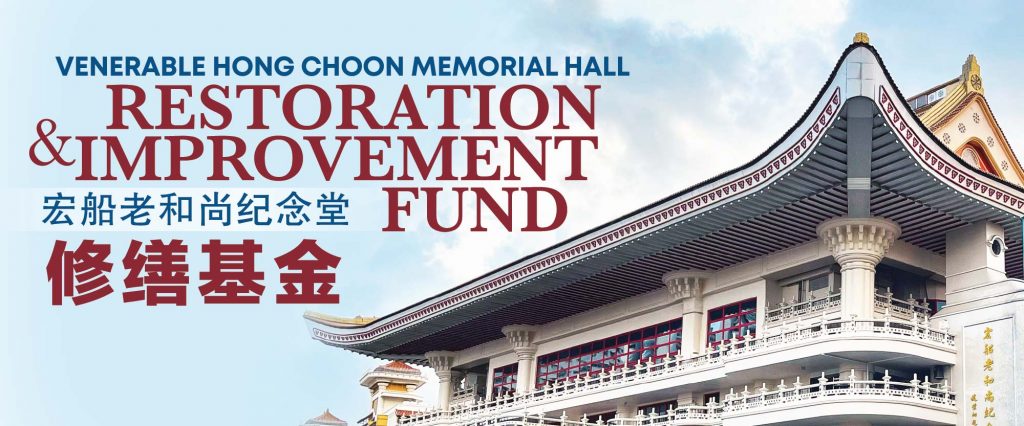
Venerable Hong Choon Memorial Hall Restoration & Improvement Fund 宏船老和尚纪念堂 · 修缮基金​

20251204-HCMH-Roof-Restoration-Improvement_Website-1024x426.jpg

The Venerable Hong Choon Memorial Hall has long been a place for practice, prayer and peace. As we carry out essential restoration and improvement works, we warmly invite your support to help preserve this meaningful space for our community and future generations.
In the spirit of generosity, each offering becomes an act of dana that nurtures merit, compassion and collective harmony.
May your kindness bring peace, blessings, and well-being to you and your loved ones.
宏船老和尚纪念堂素来是大众修行、祈福与安顿身心的一方净土。为配合即将展开的修缮工程,诚邀您发心护持,共同守护这个珍贵的修行空间,使其得以延续传承,利益当代与未来世代。
每一份布施,皆是清净的“檀那”(Dana),不仅滋养功德、长养慈悲,也凝聚十方善缘,成就一片庄严福田。
愿这份共同成就的善业,回向给您与家人 —— 福慧增长、身心安康、平安吉祥。


Ways to Give 捐赠方式


1. Scan to donate 扫描捐款 (PayNow / PayLah):
[Beneficiary name auto-displayed upon scan: “KMSPKS2”]

Untitled-design-1-3-150x150.png

2. e-Payment 电子支付
** Please enter the amount under “VHCMH Roof Restoration and improvement Fund”.
** 请于 “VHCMH Roof Restoration and improvement Fund” 栏位中填写捐款金额。

3. Cash Donation 现金捐款:
KMSPKS Front Office 光明山普觉禅寺寺务处 | 9am — 4pm
Upzzzzz for this post.
 
Important Forum Advisory Note
This forum is moderated by volunteer moderators who will react only to members' feedback on posts. Moderators are not employees or representatives of HWZ Forums. Forum members and moderators are responsible for their own posts. Please refer to our Community Guidelines and Standards and Terms and Conditions for more information.
Top