Google Pixel 10 series

limmk

High Supremacy Member
Joined
Jul 5, 2001
Messages
41,206
Reaction score
8,166


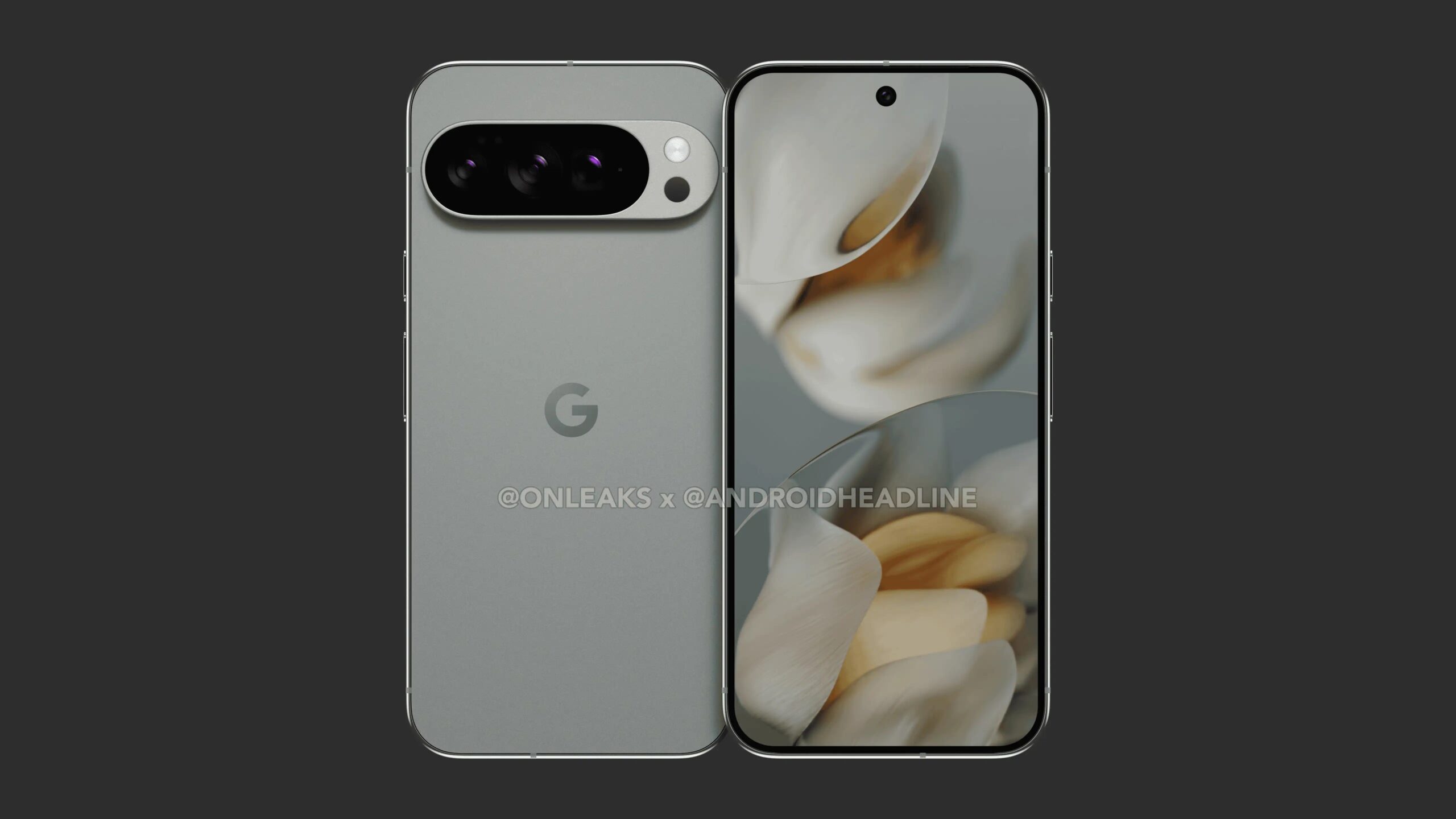
This is the Google Pixel 10 Pro XL, complete with a 6.8-inch display.

The Google Pixel 10 Pro XL is also expected to be largely the same as its predecessor, just as the Pixel 10 and Pixel 10 Pro have shown already this week. We can also share rough dimensions, which are 162.7 x 76.6 x 8.5mm. These are approximate and are slightly different than what the Pixel 9 Pro XL had (0.1mm difference on the height), but it is most likely the exact same size.

With the new Pixel 10 Pro XL, we can see that Google is going to continue to offer a smaller and larger flagship Pixel device, which is really great to see. As not everyone wants to have a large phone in their pocket. Some people, like myself, prefer to use a smaller device. But those that want a big and beautiful display, Google has you covered.

The Pixel 10 series should launch in August with Android 16​

Last year, Google started to change up its timeline for Pixel and Android launches. Where we saw the Pixel 9 series launch in August, a full two months early. Because of that, it actually launched with Android 14 instead of Android 15. Despite Android 15 going final a few weeks later, the update for Pixel was not ready until October.

However, this year we do expect to see the Pixel 10 launch with Android 16. As Google is slated to push Android 16 to AOSP on June 3. With the Pixel 10 launch happening in August again this year. Everything seems to be moved up two months, as the Pixel 9a is also expected to launch this month – as we previously reported.

We’re still waiting to hear about the Pixel 10 Pro Fold, but that should also be launching in August with the rest of the Pixel 10 series. Which was the case for the Pixel 9 series last year.

Pixel 10 Pro XL 5K1
Pixel 10 Pro XL 5K2
Pixel 10 Pro XL 5K3
 

limmk

High Supremacy Member
Joined
Jul 5, 2001
Messages
41,206
Reaction score
8,166
Pixel 10 series launching in 2025 be like

Sancheezzzy on X: iPhone user when Apple announce the iPhone 14 tomorrow:  #AppleEvent https://t.co/USgUGEc9KW / X
 

RyanJ

Great Supremacy Member
Joined
Jun 18, 2015
Messages
70,956
Reaction score
69,612

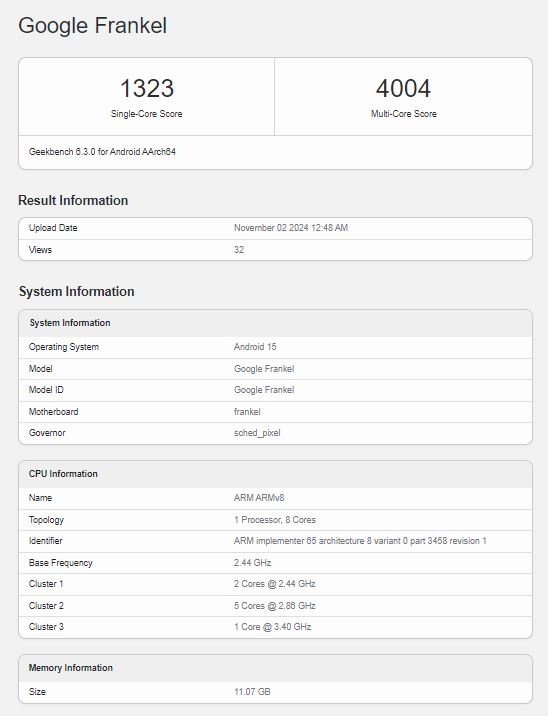
Alleged Google Tensor G5 surfaces on Geekbench with quite miserable scores​


https://www.notebookcheck.net/Tenso...another-underwhelming-performer.976430.0.html

" Those tests were likely run on an early prototype, but it seems unlikely that the final product would be significantly more powerful. Even outside of benchmarks, the Tensor G5 is rumored to only offer support for UFS 3.1 storage, which would be disappointing seeing as even 2023's Snapdragon 8 Gen 3 already delivered UFS 4.0 support. "

tensor-g5-gb-rumor.JPG


Of course benchmarks may not paint the entire story, still have to await real world performance.
 

limmk

High Supremacy Member
Joined
Jul 5, 2001
Messages
41,206
Reaction score
8,166

Alleged Google Tensor G5 surfaces on Geekbench with quite miserable scores​


https://www.notebookcheck.net/Tenso...another-underwhelming-performer.976430.0.html

" Those tests were likely run on an early prototype, but it seems unlikely that the final product would be significantly more powerful. Even outside of benchmarks, the Tensor G5 is rumored to only offer support for UFS 3.1 storage, which would be disappointing seeing as even 2023's Snapdragon 8 Gen 3 already delivered UFS 4.0 support. "

tensor-g5-gb-rumor.JPG


Of course benchmarks may not paint the entire story, still have to await real world performance.
Fair point. If the final chip sticks to UFS 3.1, it might affect performance in real-world use, especially for app loading and sustained speeds. but let’s see if Google has any software optimization tricks up their sleeve to make up for it
 

crow_nest

Senior Member
Joined
Jun 5, 2004
Messages
1,394
Reaction score
635

Alleged Google Tensor G5 surfaces on Geekbench with quite miserable scores​


https://www.notebookcheck.net/Tenso...another-underwhelming-performer.976430.0.html

" Those tests were likely run on an early prototype, but it seems unlikely that the final product would be significantly more powerful. Even outside of benchmarks, the Tensor G5 is rumored to only offer support for UFS 3.1 storage, which would be disappointing seeing as even 2023's Snapdragon 8 Gen 3 already delivered UFS 4.0 support. "

tensor-g5-gb-rumor.JPG


Of course benchmarks may not paint the entire story, still have to await real world performance.

Fair point. If the final chip sticks to UFS 3.1, it might affect performance in real-world use, especially for app loading and sustained speeds. but let’s see if Google has any software optimization tricks up their sleeve to make up for it

Didnt the leaks from last time already indicated the use of UFS 4.0? I really dont see google not giving UFS4.0 to Tensor G5 this time, it just doesnt make sense even for them. If they still somehow decide to use UFS 3.1 then its most likely a cost cutting decision rather than the SoC lacking support for it.
 

limmk

High Supremacy Member
Joined
Jul 5, 2001
Messages
41,206
Reaction score
8,166


We got our first look at the Pixel 10 series this week and it looks rather familiar, but Google is apparently planning to add a third camera to the base model, and that raises a lot of questions.

Google’s core Pixel lineup has been pretty well established since 2021’s Pixel 6 series. A flagship “Pro” with three cameras, extra memory, and a bigger, better display, a more affordable “base” device with many of the same features, but at a couple hundred dollars less, with the removal of one of those three cameras being a core differentiator for the Pro model. And, then, an A-series release that further simplifies the package to fall under $500. Things have evolved over time, with the addition of a Fold, big adjustments to the release timing, and most recently a smaller Pro model that pushes the full-size device into “XL” territory.

While there are often questions about the value proposition between the “base” Pixel and the A-series release, the separation between each device in Google’s lineup is at least relatively clear at this point.

And now it seems like there’s about to be a wrench thrown in it.

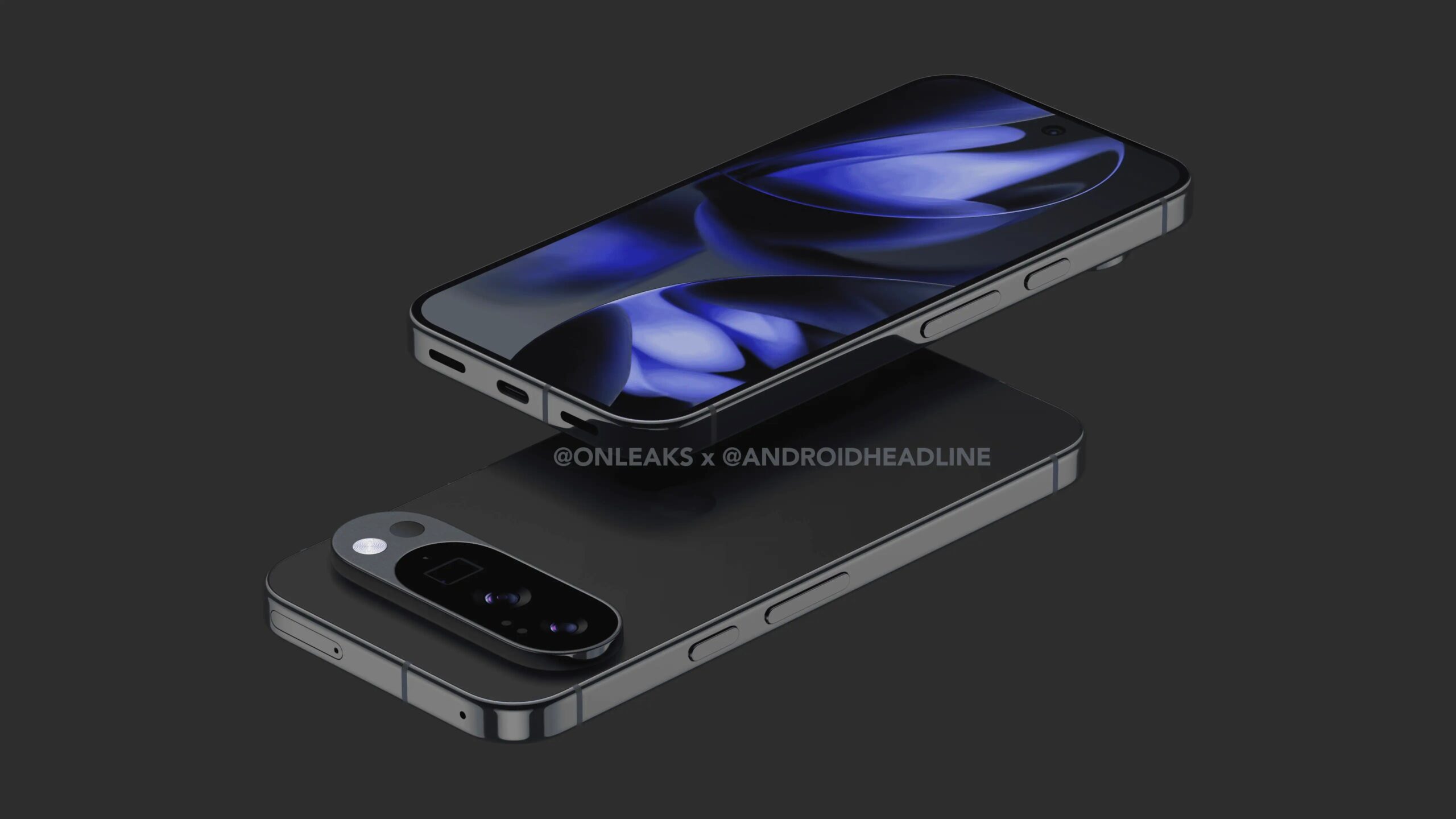
Leaked renders of the Pixel 10 series hit the web this week, revealing that Google’s 2025 smartphones are probably going to look nearly identical to the Pixel 9 series. That’s not a bad thing, but renders of the base Pixel 10 revealed that Google is apparently going to add a third camera sensor of some kind, claimed to be a telephoto lens.

google-pixel-10-cad-1.jpg


This is confusing because, as mentioned, one of the few major differentiators between the “base” Pixel and the Pro models is that third, telephoto camera lens.

Without that, how does the Pro make sense?

I’ve been trying to figure that out, and I think the most logical explanation is that this new camera isn’t quite what it’s been positioned as so far.

It’s claimed that this new telephoto camera for Pixel 10 is a “periscope” lens, implying it’s similar to the one in the Pro models. I don’t think that makes sense, just because there’s little to no chance Google would equip its base device with such a shooter. What could make sense, though, is limiting that third camera. Perhaps it’s a periscope that only goes to 3x as opposed to the Pro’s 5x, and maybe it even has a lesser sensor behind it. Beyond that, I also think it seems entirely possible that Google could just equip a non-periscope lens here. A “cheap” 2x or 3x non-periscope telephoto lens would still benefit base Pixel 10 buyers, but without encroaching on the Pro models.

Other things Google could do to keep separation between the base model and the Pro could be to add more storage to the Pro (though the lineup as a whole is due for a jump to a 256GB minimum), upgrade the main sensor in the Pro phones, or deliver things like faster charging, silicon carbon batteries, or more advanced face unlock.

If Google were to leave things as they stand today, but just add that extra camera to the base model, it would really throw the balance out of whack. Specifically, it’d make the price of the smaller Pro nearly impossible to justify compared to that base model. And Google absolutely cannot just lower the price to make up for that.

The pricing model for the Pixel lineup has been rather confusing lately. As we discussed last year, the current Pixel lineup has last-gen devices at the same price as current-gen models, and with specs that are all over the place for those prices. That already makes for a confusing buying experience, but if you throw in more feature overlap, it just makes matters much worse.
 

limmk

High Supremacy Member
Joined
Jul 5, 2001
Messages
41,206
Reaction score
8,166


We got our first good look at the Google Pixel 10 series a few days ago, with leaked renders revealing a trio of Pixel handsets that look virtually identical to their predecessors. If you’ve seen the Pixel 9, Pixel 9 Pro, and Pixel 9 Pro XL, then you’ve seen the Pixel 10, Pixel 10 Pro, and Pixel 10 Pro XL. Besides the peculiar addition of a third camera on the base Pixel 10, there really isn’t anything new here.

While the knee-jerk reaction may be to dismiss these renders as boring, I’m actually perfectly happy with Google keeping this design language for another generation. Google’s build quality for the Pixel 9 series is among the best in the industry, and I love the overall aesthetics. A new design would have been exciting, sure, but it’s hard to complain too much when the current offering is this good.

However, I say all of that with a looming asterisk. As much as I love the build and visuals of this Pixel design, I do have one problem with it — and there’s no sign of it being fixed with the Google Pixel 10 family.

The Google Pixel 9 and 9 Pro have a weight problem​

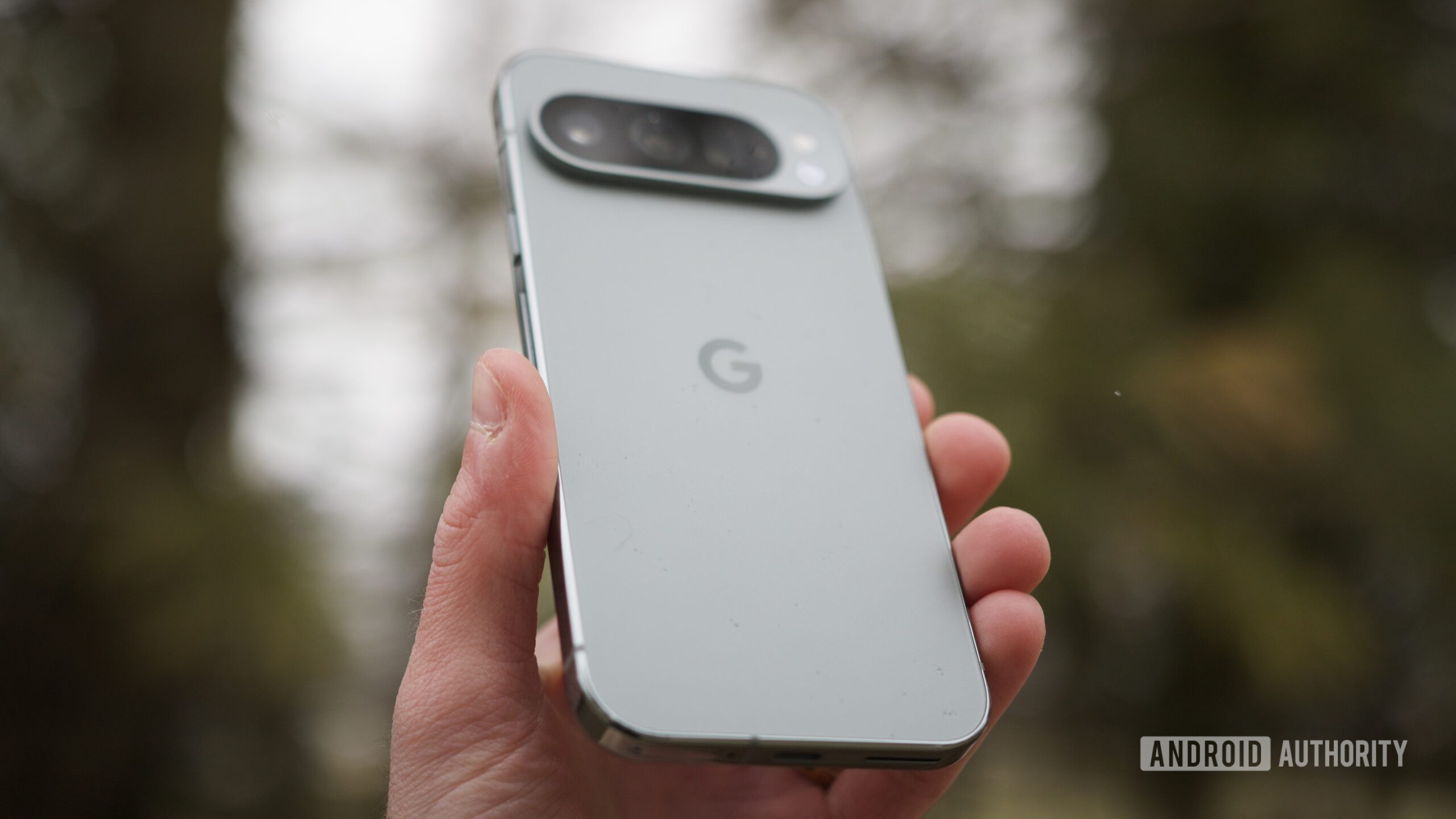
Someone holding the Google Pixel 9 Pro outside.


I recently revisited the Google Pixel 9 Pro in honor of its six-month anniversary. When the phone launched last August, I had zero complaints about its hardware. But after using it again in March 2025, I realized something I can’t overlook: the Pixel 9 Pro is too heavy. It feels dense and top-heavy every time I pick it up. It’s something I notice constantly, and in daily use, it’s one of my least favorite qualities about the phone.

On paper, that might sound crazy. The Pixel 9 Pro weighs 199 grams, and while that is on the heavier side, plenty of other phones weigh more than that. For some context:
  • The Nothing Phone 3a weighs 201 grams.
  • The OnePlus 13 weighs 210 grams.
  • The Samsung Galaxy S25 Ultra weighs 218 grams.
  • The Xiaomi 15 Ultra weighs 226 grams.
However, there’s a significant difference here. Whereas the Pixel 9 Pro has a fairly compact 6.3-inch display, all of the above phones have display sizes ranging from 6.7 to 6.9 inches. It’s the same deal with the regular Pixel 9, which also has a 6.3-inch display and weighs 198 grams.

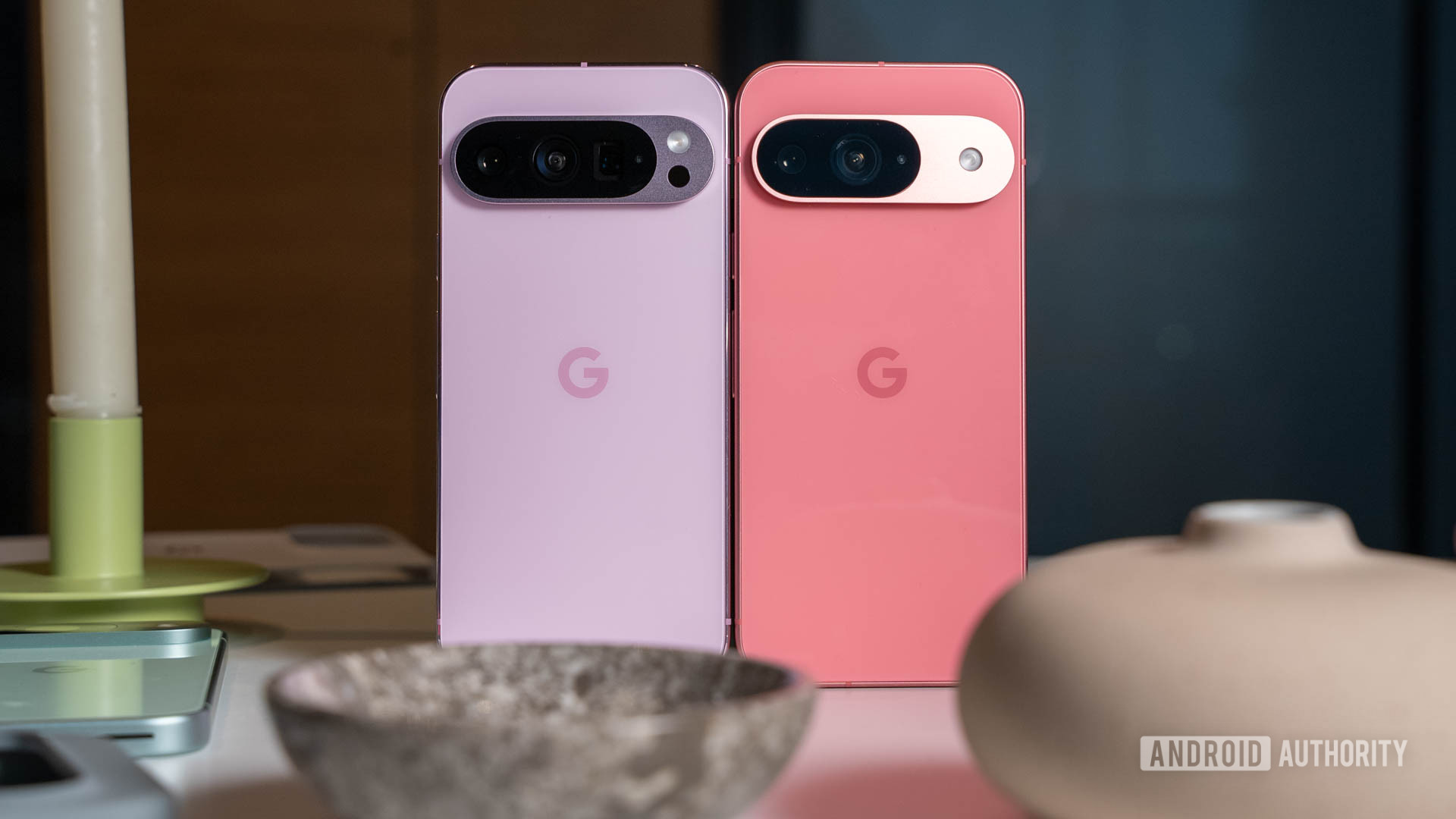
Google Pixel 9 Pro in Rose Quartz, left, next to Google Pixel 9 in Peony, right


Compared to other “small” phones, the unusual weight of the Pixel 9 and Pixel 9 Pro becomes more apparent. The base model Galaxy S25, for example, has a 6.2-inch screen and weighs just 162 grams — and it’s so much more comfortable to hold. The same is true of the iPhone 16, which has a 6.1-inch screen and weighs 170 grams.

Despite having roughly the same display size, the Pixel 9 and 9 Pro feel bulky in a way the Galaxy S25 and iPhone 16 do not. While not the heaviest phones on paper, because all that weight is crammed into a much smaller profile, you feel it more than on other devices.

The Pixel 9 Pro's weight is one of my least favorite qualities about the phone.

Of course, the counterargument here is that the Pixel 9 Pro has to be heavier than those other phones because it’s doing more than them. The Pixel 9 Pro has a significantly larger battery than the S25 and iPhone 16, and it’s the only one with a periscope telephoto camera, too. Bigger batteries + more advanced cameras = more weight, and it’s a tradeoff to be expected at least to some degree. Conversely, that argument falls apart when you factor in the base Pixel 9 weighing just as much and only having two cameras.

Furthermore, it’s not just other small phones that the Pixel 9 Pro doesn’t compare well against. Holding the Pixel 9 Pro and the OnePlus 13 side-by-side, the OnePlus 13 feels lighter even though it’s 11 grams heavier. Since the OnePlus 13 is wider and taller, there’s more space for its weight to be evenly distributed, resulting in a much better in-hand feel. And that’s despite also having a periscope telephoto camera and a battery that’s 1,300 mAh larger than the Pixel.

It doesn’t look like the Pixel 10 will fix this​

Pixel 10 Pro


Assuming the latest Pixel 10 and Pixel 10 renders are accurate, the weight issue almost certainly isn’t going anywhere. The Pixel 10 Pro’s dimensions are basically identical to that of the Pixel 9 Pro, with the new model supposedly measuring 0.10mm thicker than its predecessor. The base Pixel 10 is also a hair thicker, but with the possible inclusion of another camera sensor, there’s a chance it could be even heavier.

It’s entirely possible that Google may find a way to trim down this year’s phones — and I hope it does. But if we’re getting such similar designs and dimensions as the Pixel 9 and Pixel 9 Pro, it’s hard to envision that leaving Google any wiggle room to shed a few much-needed grams.

The display size is right, but the weight sours the whole small phone experience.

While I certainly don’t think this will ruin Google’s next Pixel phones, I can’t help but feel disappointed. Especially for the Pixel 9 Pro, the whole point between it and the XL model was to have the Pro features in a small, compact phone. The display size is right, but the weight sours the whole small phone experience in a way that I really do not enjoy.

We should learn a lot more about the Pixel 10 series in the weeks ahead, and while I’m not holding my breath for lighter phones this year, I’m still crossing my fingers that Google finds a way to make it happen.

 

limmk

High Supremacy Member
Joined
Jul 5, 2001
Messages
41,206
Reaction score
8,166
TL;DR
  • Google picked a mix of in-house designed and off-the-shelf IP for the upcoming Tensor G5.
  • Many parts of the chip are built by other companies, including Arm, Imagination Technologies, VeriSillicon, and Synopsys.
  • Google dropped its custom “BigWave” AV1 video codec in favor of an off-the-shelf solution.


Shutterbox

Greater Supremacy Member
Joined
Nov 23, 2008
Messages
82,898
Reaction score
21,346
https://www.gsmarena.com/google_tensor_g5_leak_details_key_changes_-news-67008.php

  • The big difference on the G5 is that Google will opt for an Imagination Technologies GPU, namely the IMG DXT, which replaces the Arm Mali-G715 MP7 from the Tensor G4.
  • Google is also expected to use a custom memory controller, system-level cache and power modules.
  • The other notable change is the fully custom image signal processor (ISP), which will replace the partially custom designs of its predecessors, which relied on modified Samsung ISPs with Google-designed blocks. Ever since switching to Tensor chips, Google has not used a fully custom ISP in its Pixel phones so this change should be a big one for camera performance.
 

limmk

High Supremacy Member
Joined
Jul 5, 2001
Messages
41,206
Reaction score
8,166
TL;DR
  • Google is working on a change to Android’s early boot process that improves how quickly kernel modules are loaded.
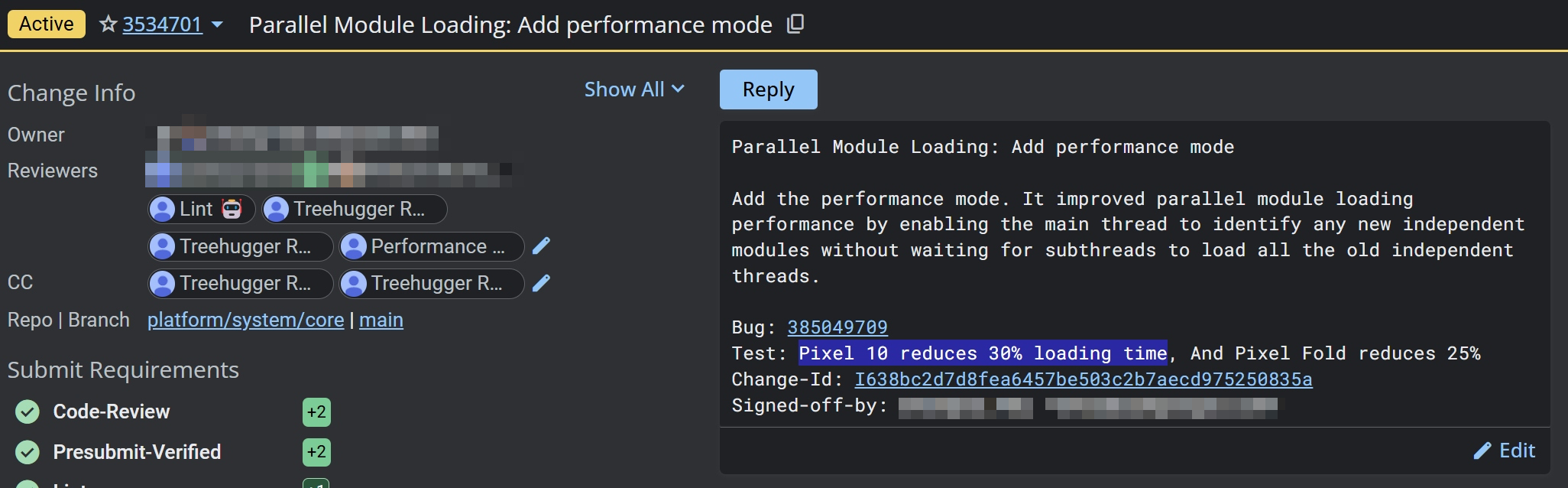
  • This change has resulted in a 30% reduction in loading time for the Pixel 10, according to a Google engineer.
  • As a result of this change, the Pixel 10 and other Android devices should boot up slightly faster, though it’s unclear how much of a difference it’ll make.


Thanks to some early leaks, we know what most phones in the Google Pixel 10 series will look like. We’re still months away from the launch of the Pixel 10 series, though, so there’s a lot we still don’t know when it comes to the new Pixel-only features they’ll have. While I don’t have any information to share on new Pixel software features, I did spot evidence that the Pixel 10 series will feature faster startup performance.

While I was browsing the Android Open Source Project (AOSP) code review last week, I spotted a code change that explicitly references the Pixel 10. In the description for the code change titled “Parallel Module Loading: Add performance mode,” a Google engineer says the change was tested on a Pixel 10, resulting in a 30% reduction in “loading time.”

Pixel 10 reference in AOSP 2


It’s rare — but not totally unheard of — to see explicit references to unreleased hardware in AOSP; as far as I know, this is the first public mention of the Pixel 10 outside of leaks, though it’s not like we didn’t already know it existed.

Pixel 10
Pixel 10 leaked renders
Pixel 10 Pro
Pixel 10 Pro leaked renders
Pixel 10 Pro XL
Pixel 10 Pro XL leaked renders

The change was also tested on a Pixel Fold, though, which means it isn’t specific to next-generation hardware. Instead, it’ll impact all Android-based devices once it makes its way to Android’s open source codebase, likely in a quarterly release of Android 16. That’s because it impacts a key part of the bootup process shared by all Android devices.

Without getting too technical, Google is making a change that speeds up an early part of the Android OS’s multi-stage initialization process. The stage in question happens after the Linux kernel is loaded, and it sets up the basic environment necessary for later stages of the boot process to take place. During this stage, Android loads essential kernel modules, which are pieces of code that extend the kernel’s functionality and which can be loaded and unloaded on demand. The change that Google is proposing tweaks how Android loads these modules to remove a bottleneck that previously existed, resulting in a noticeable improvement in module loading times.

Of course, since this change only impacts one part of the bootup process, it means the 30% reduction in loading time doesn’t translate to a 30% speedup in boot times. We don’t know exactly how much this change translates to improved startup times, assuming it’s even noticeable by the end user. In any case, it’s still interesting to peel the curtain back on these behind-the-scenes changes, as Google makes a ton of them every Android release but rarely if ever publicizes them.
 

limmk

High Supremacy Member
Joined
Jul 5, 2001
Messages
41,206
Reaction score
8,166
TL;DR
  • Google’s Tensor G5 chip that will power the Pixel 10 series is expected to make some big changes from past chips.
  • That could include an all-new choice for the GPU, now coming from Imagination Technologies.
  • An Imagination product table, seemingly posted in response to an industry event, may add new support to that theory.


Just as Google has done for the past few generations, this year’s upcoming Pixel 10 smartphones should be equipped with the company’s latest custom chip: the Tensor G5. This one has been looking like it could easily be Google’s most exciting smartphone processor to date, moving from Samsung to TSMC for fabrication. We’ve already been able to bring you some exclusive reports on what to expect from this hardware, and today we’ve got what could be a bit of corroboration to share.

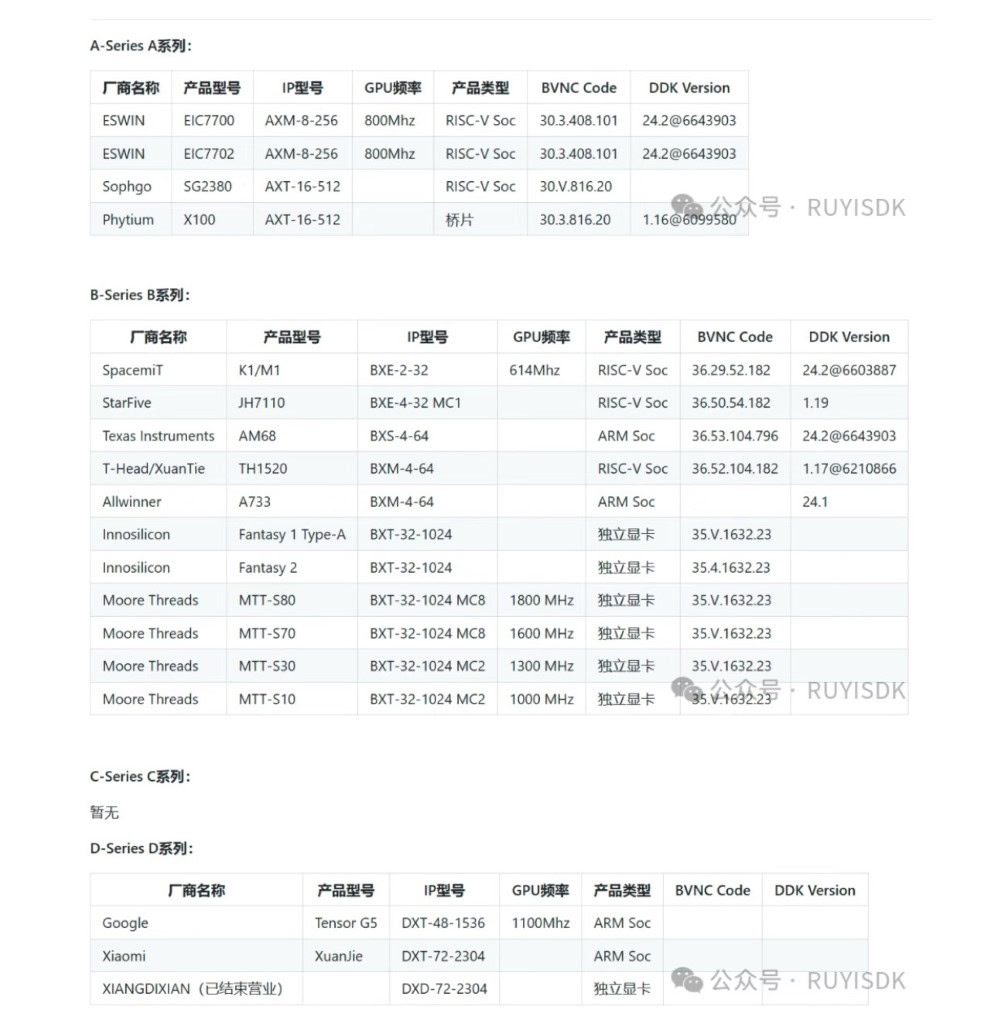
Last fall, we broke news that Google was planning to abandon the Arm Mali-G715 GPU it employed in both the Tensor G3 and G4 — and, in fact, would give up on Mali GPUs altogether. Instead, we identified the Imagination Technologies DXT-48-1536 as the G5’s likely replacement, capable of modern feats like ray tracing.

Last month, Japan hosted the RISC-V Day Tokyo, a conference for parties interested in the architecture. Postgraduate student Yang Yanling prepared a blog post about the event discussing RISC-V and integration with Imagination GPU IP. Imagination then shared this post on WeChat.

Right now, if you access that post you won’t find anything in particular connecting it with Google and its plans for the Pixel 10. But it appears that this may be an edited version of a longer blog entry that also included some now-absent tables outlining the use of Imagination GPUs in various chips. And down at the bottom there are a couple very interesting entries:

tensor g5 imagination gpu


Not only do we see the Tensor G5 associated with the same DXT-48-1536 we were expecting, but this also appears to reveal that Xiaomi is working on a new chip of its own that could also incorporate an Imagination GPU.

We need to emphasize that we have no way to directly confirm that this table was initially published as you see it here, and all we really have to go on is a screenshot of the post (thanks: Quarks on Telegram).

Screenshots can absolutely be faked, but so far we haven’t uncovered any reason to suspect that this one may have been altered in any way. In fact, if you pull up the post as it’s currently shared by Imagination, you can see a gap between two sections exactly where the tables exist in our screenshots, that doesn’t show up elsewhere in the blog. That’s far from proof, but could be seen supporting the narrative that the tables were removed after the fact.

Are you excited about what this kind of possible big GPU move could mean for gaming on the Pixel 10? Do you think Google’s making the right choices with its continued investment in its own silicon, or would the company fare better by just putting some off-the-shelf Snapdragon chips in Pixel phones? Make your case down in the comments.
 

limmk

High Supremacy Member
Joined
Jul 5, 2001
Messages
41,206
Reaction score
8,166


It’s officially the beginning of the best time of year. The weather is getting warmer, the days are getting longer, and new Pixel phones are hitting the shelves. Google just recently announced the Pixel 9a as its latest budget Pixel, and in a few short months, it’ll be time for the flagship Pixel 10 series to make its debut.

We’re expecting this year’s Pixel lineup to look the same as 2024’s, with the 2025 family likely consisting of the new Pixel 9a, plus the Pixel 10, Pixel 10 Pro, Pixel 10 Pro XL, and Pixel 10 Pro Fold. On paper, that’s all well and good. Multiple models for us to choose from is never a bad thing, and having Pixels span from $499 up to $1,799 for the Fold means there’s something for every budget.

In theory, this is a good strategy, and it’s one I’m happy to see. But the way Google went about it last year — and presumably again this year — is a bit off-kilter. With some slight tweaking and rethinking, Google could make its entire Pixel lineup stronger and better than ever.

The problem with Google’s Pixel strategy​

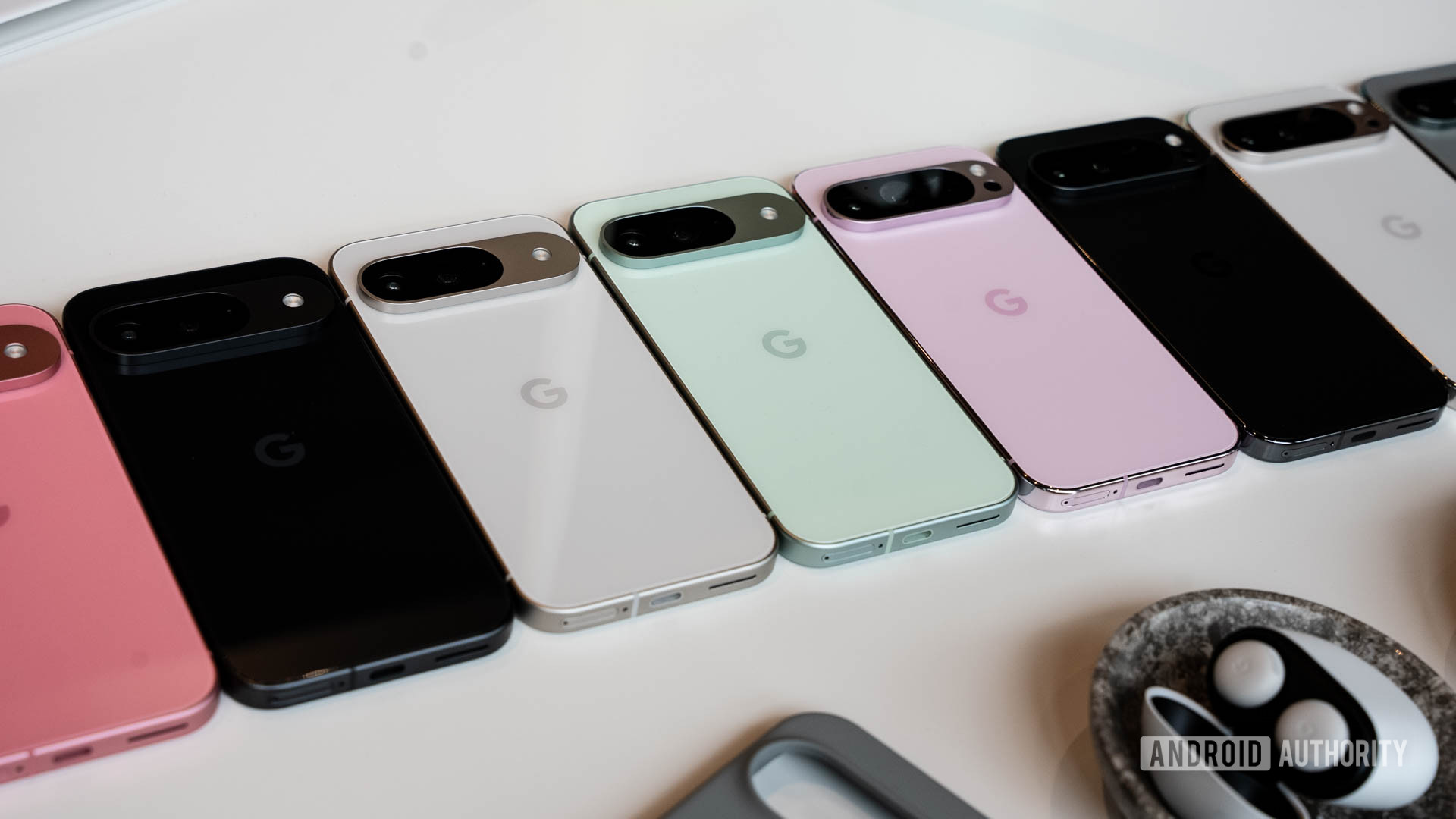
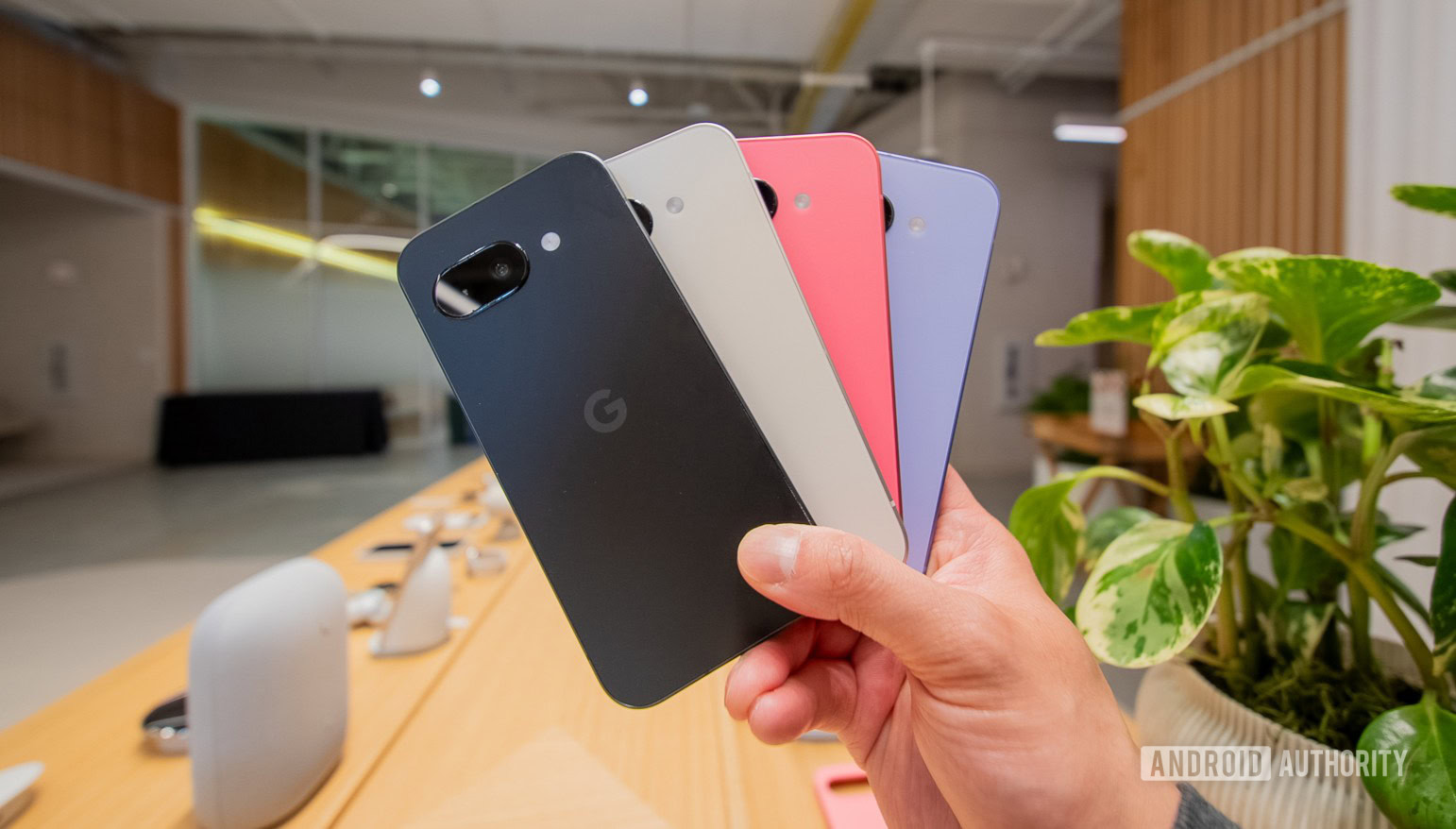
Google Pixel 9 family lined up face down on a table in multiple colors


Let’s look at the Pixel phones for 2025. We have the Pixel 9a to kick things off, and we’ll assume all of the Pixel 10 rumors/leaks we’ve heard so far are accurate. With that, this is what Google’s 2025 lineup of phones should consist of (sans the possible new Fold model):
  • Google Pixel 9a: 6.3-inch display, two rear cameras, Tensor G4, $499 price.
  • Google Pixel 10: 6.3-inch display, three rear cameras, Tensor G5, $799 price.
  • Google Pixel 10 Pro: 6.3-inch display, three rear cameras, Tensor G5, $999 price.
  • Google Pixel 10 Pro XL: 6.8-inch display, three rear cameras, Tensor G5, $1,099 price.
While this is largely identical to last year’s phones, current rumors suggest one significant change to the base model Pixel. While the Pixel 9 has two cameras (a primary camera and an ultrawide camera), the Pixel 10 might add a third sensor to the mix — supposedly a periscope telephoto camera. On the one hand, that sounds great; more/upgraded specs are exciting. However, the trickle-down effect of this leaves me concerned.

Google Pixel 9a all colors in hand


Pound for pound, the Google Pixel 9a looks like a fantastic value. The Tensor G4 is a nice upgrade over the Pixel 8a’s G3 chip, the display has a 120Hz refresh rate and up to 2,700 nits of peak brightness, and the 5,100mAh battery is larger than even the one inside the Pixel 9 Pro XL. Throw in an IP68 dust/water resistance rating and seven years of software updates, and it’s an exceptional value for a dollar shy of $500.

However, that third camera messes up the Pro model’s appeal. For an additional $200 over the Pixel 10, the Pixel 10 Pro gets you … what exactly? A slightly sharper display? Maybe a better selfie camera? A little bit of extra RAM? That would effectively be it, and if you ask me, it’d be hard to argue that those upgrades are worth spending $200 more for.

Alternatively, let’s say the Pixel 10 doesn’t get that third telephoto camera and sticks with two sensors once again. If that’s the case, and the Pixel 9a looks as good as it does, then the argument for spending an extra $300 for the base Pixel becomes challenging, while the Pixel 10 Pro looks like the model worth upgrading to. In the background of all this, the $1,099 Pixel 10 Pro XL remains your only choice if you want a Pixel with a display larger than 6.3 inches.

There will be good phones to choose from, but how they’re likely to exist alongside each other isn’t very harmonious. If the Pixel 10 has three cameras, it might alienate the Pixel 10 Pro. If it has two cameras, it could easily be overlooked by the Pixel 9a. This is the setup we have for the current Pixel 8a/Pixel 9 series, and it creates a lot of friction.
 

limmk

High Supremacy Member
Joined
Jul 5, 2001
Messages
41,206
Reaction score
8,166

How Google could fix this with the Pixel 11 series​

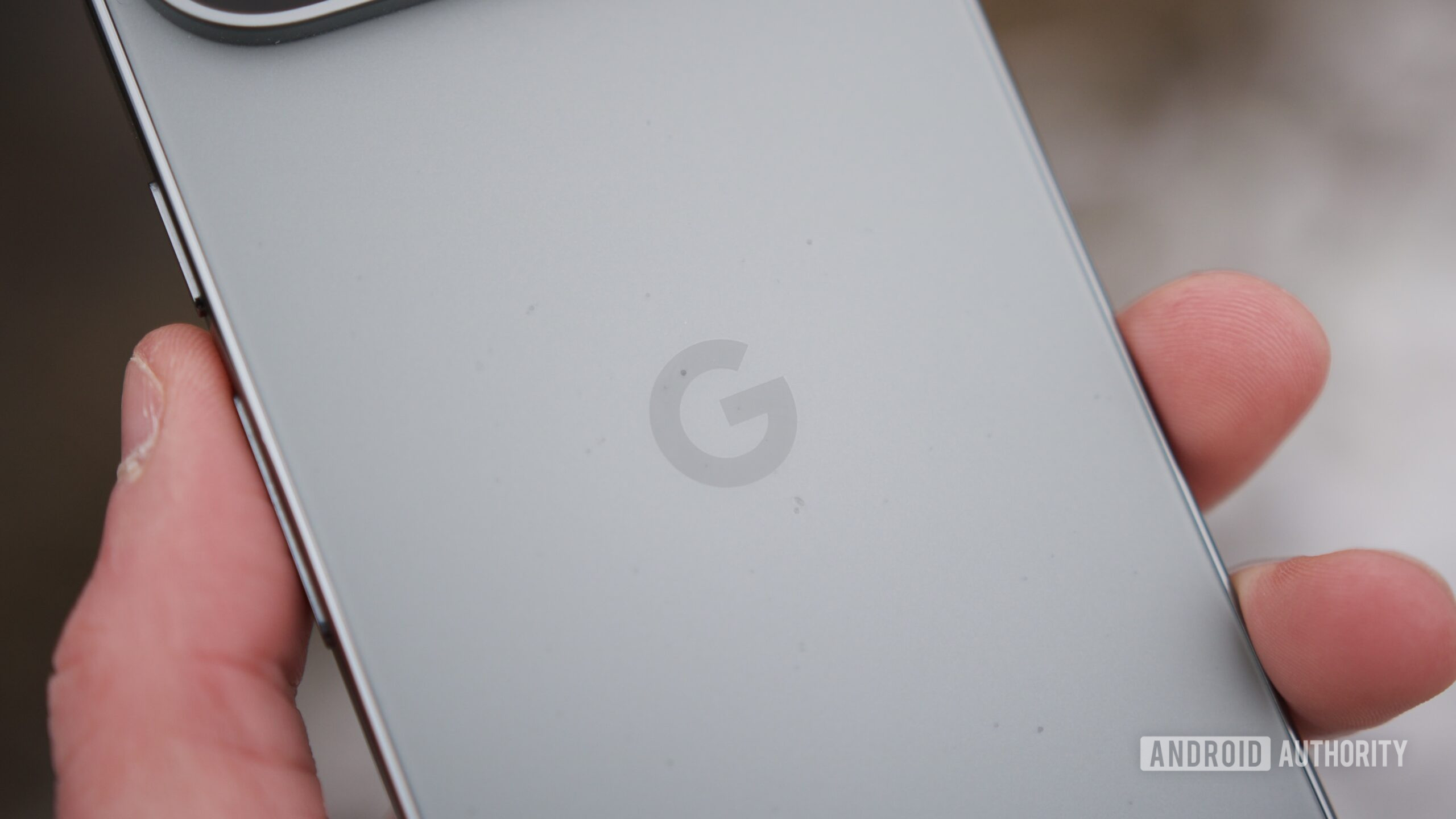
Google logo on the back of the Pixel 9 Pro.


So, what’s the grand solution to all of this? While I’m by no means a product strategist, I do think a couple of small tweaks could greatly simplify things. Four phones (plus the Fold) is a good approach, but the way Google brands/designs those four phones could be changed for the better.

Imagine this. Google’s 2026 Pixel family could start with the Pixel 11 and Pixel 11 XL. The Pixel 11 could have a compact 6.3-inch display, two rear cameras, and a Tensor G5 chip. It would be the new budget model in the lineup, retaining the Pixel 9a’s $499 starting price, and would effectively be the Pixel 10a — just branded a bit differently. In doing so, it removes the confusing naming strategy we have now, with the A-series being a number off from its flagship siblings.

Next in line would then be the Pixel 11 XL. If you have a bit more cash to spend and want a larger phone, now you have the option. Let’s give it a 6.7-inch screen, a larger battery, the same Tensor G5 chip, and an inexpensive (but still functional) 3x telephoto camera — all for the grand total of $799.

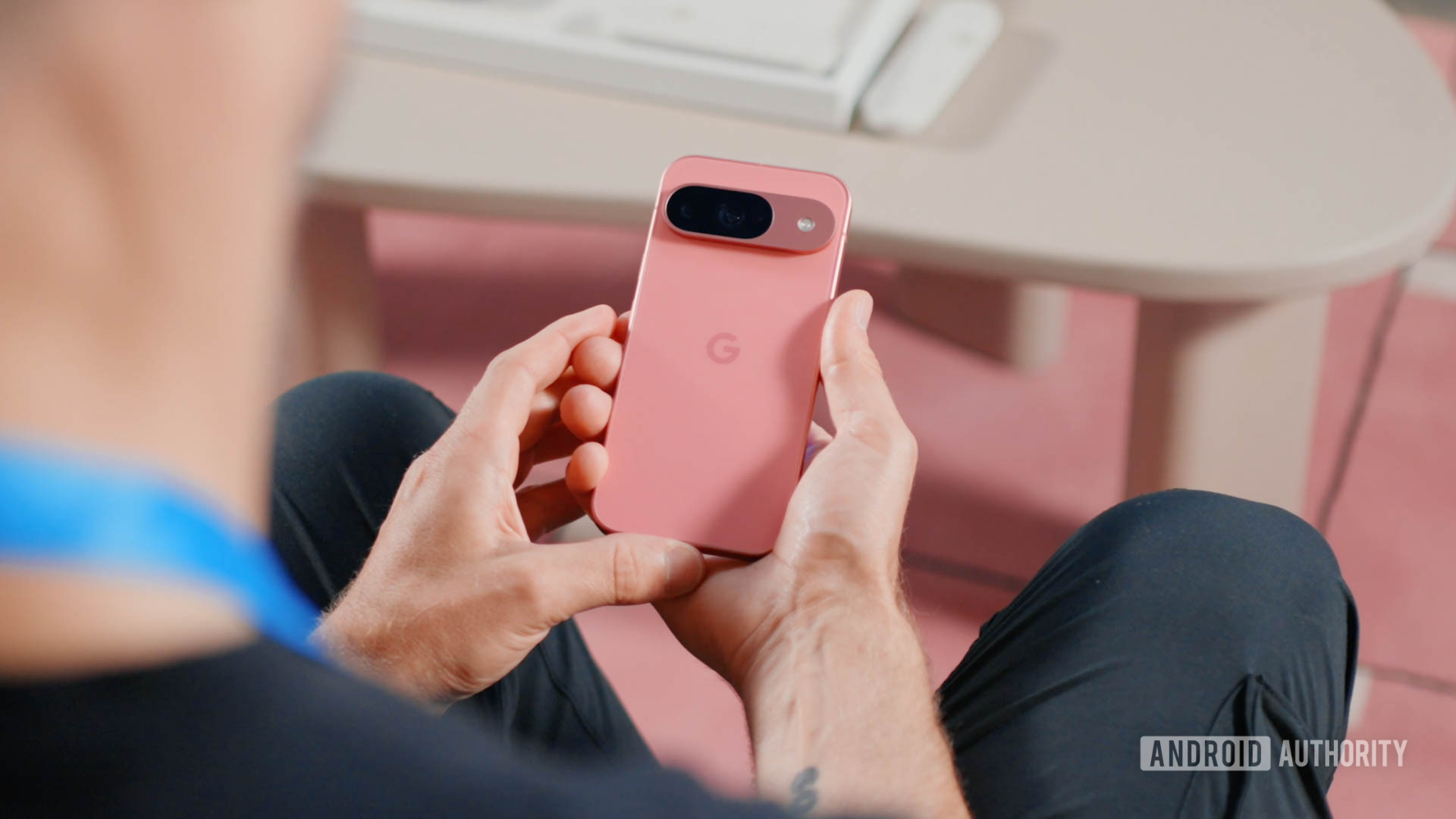
Google Pixel 9 Peony color in hand


Then we have the two Pro models. The Pixel 11 Pro would keep the pocketable 6.3-inch screen, have upgraded camera sensors (including a better periscope telephoto camera), a newer Tensor G6 chip, plus other goodies like faster charging, more RAM, etc. — all for $999. Finally, the Pixel 11 Pro XL would have the same camera, chipset, and RAM specs as its smaller Pro sibling but with a larger 6.7-inch screen and a bigger battery for $1,099. And just as it is today, splurging for the Pro phones would also secure you some additional “pro” features (such as Video Boost and manual camera controls).

At the end of the day, Google still has four slab-style Pixel phones, and they all have the same pricing, too. However, going about it this way improves the portfolio in several important ways.

This approach would give us two small and two large phones to choose from, each with a base and Pro variant.

For starters, it brings the numbering of each year’s Pixel models up to parity. By turning the base Pixel 11 into that new affordable/A-series entry, the mismatched numbers are no longer an issue. This approach would also give us two small and two large phones to choose from, each with a base and Pro variant.

Additionally, by including a telephoto camera on the Pixel 11 XL, you still have the option of three rear cameras on a non-Pro Pixel. If you want a big phone with a large battery and better camera zoom, you can get that for $799. However, the Pixel 11 Pro and Pixel 11 Pro XL can still easily be argued as worthwhile upgrades for people who want more — whether it’s the newer Tensor chip, more capable cameras, additional RAM, and so on.

Better choices and a simpler setup​


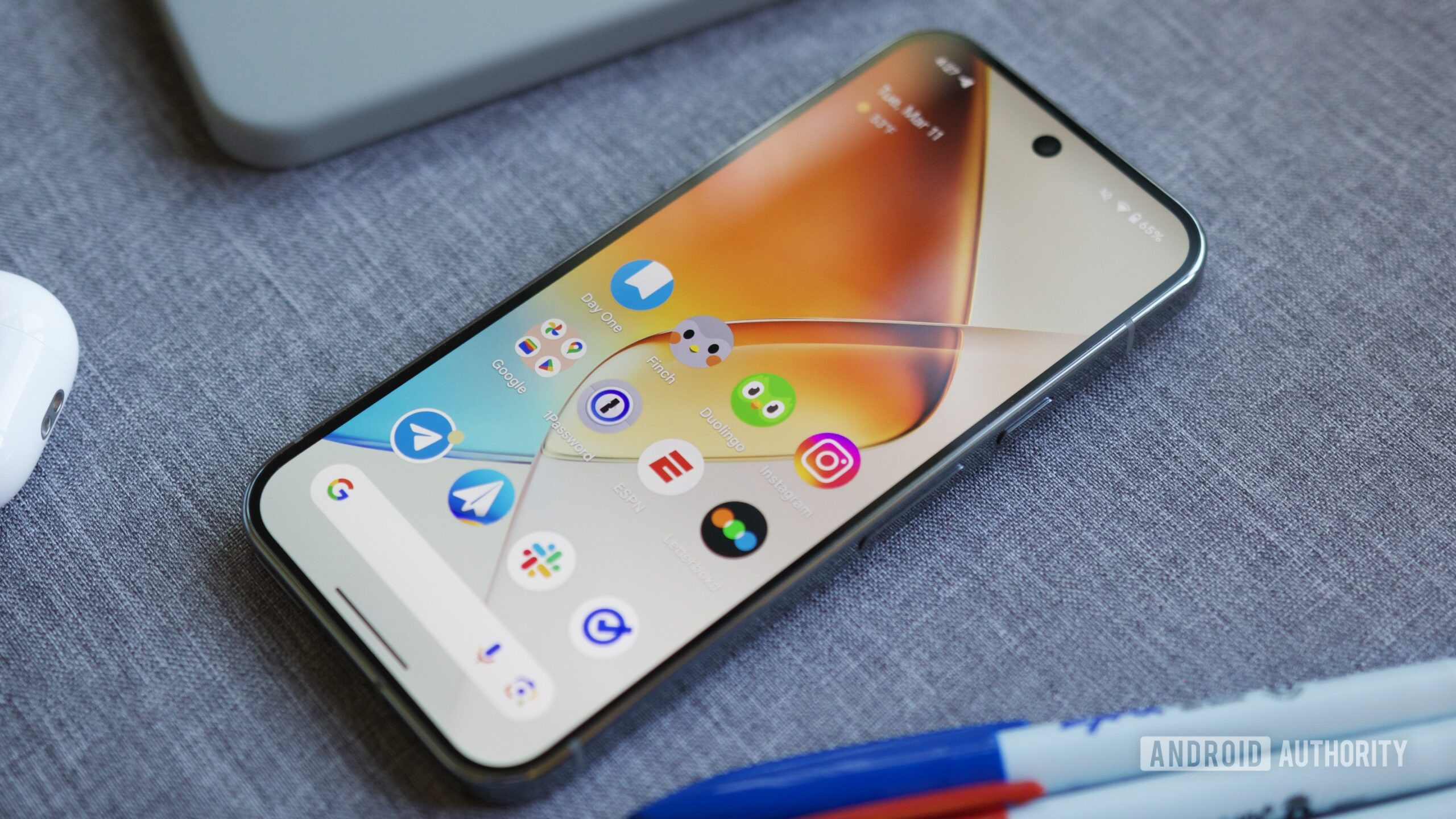
Google Pixel 9 Pro with its screen on.


The biggest downside to this suggested shift is that, at least for the first year, going from the value flagship-oriented Pixel 10 to a budget-minded Pixel 11 would be an odd year-over-year transition.

The A Series traditionally uses older chipsets and different camera hardware to achieve lower prices, so that would now apply to the “base” Pixel 11. If this theoretical Pixel 11 launches in 2026 with a Tensor G5 and more affordable camera sensors, there’d be little reason to upgrade if you buy a Pixel 10 in 2025. However, once you get over that first-year hump, the lineup starts to make sense. At the end of the day, the Pixel 11 vs. the Pixel 11 Pro wouldn’t be dramatically different from the slight chipset and camera hardware differences you see between phones like the iPhone 16 and iPhone 16 Pro.

Google could set itself up for even more success with the Pixel 11, Pixel 12, and future series.

If you ask me, that’s a small price to pay for a change that would simplify the Pixel family while simultaneously offering more logical tiers of devices. Want a compact phone with the core Pixel experience at a low price? Get the Pixel 11. Want a bigger screen, more battery life, and an extra camera? The Pixel 11 XL has you covered. And for the professionals, the Pixel 11 Pro and Pixel 11 Pro XL are there waiting for you.

Whatever happens with this year’s Pixel phones — three cameras or not for the regular Pixel 10 — I’m eager and excited to see how Google’s latest handsets come together. New Pixels are always exciting for me, and the upcoming Pixel 10 lineup is no different. I want to see the Pixel brand be as strong as it can be, and with the suggested portfolio tweaks above, Google could set itself up for even more success with the Pixel 11, Pixel 12, and future series.

Now, do I think that’ll actually happen? Unless Google’s hardware team has suddenly decided to start taking product advice from Android Authority, then almost certainly not. But if it has, then this first suggestion is on the house, Google.
 
Important Forum Advisory Note
This forum is moderated by volunteer moderators who will react only to members' feedback on posts. Moderators are not employees or representatives of HWZ Forums. Forum members and moderators are responsible for their own posts. Please refer to our Community Guidelines and Standards and Terms and Conditions for more information.
Top