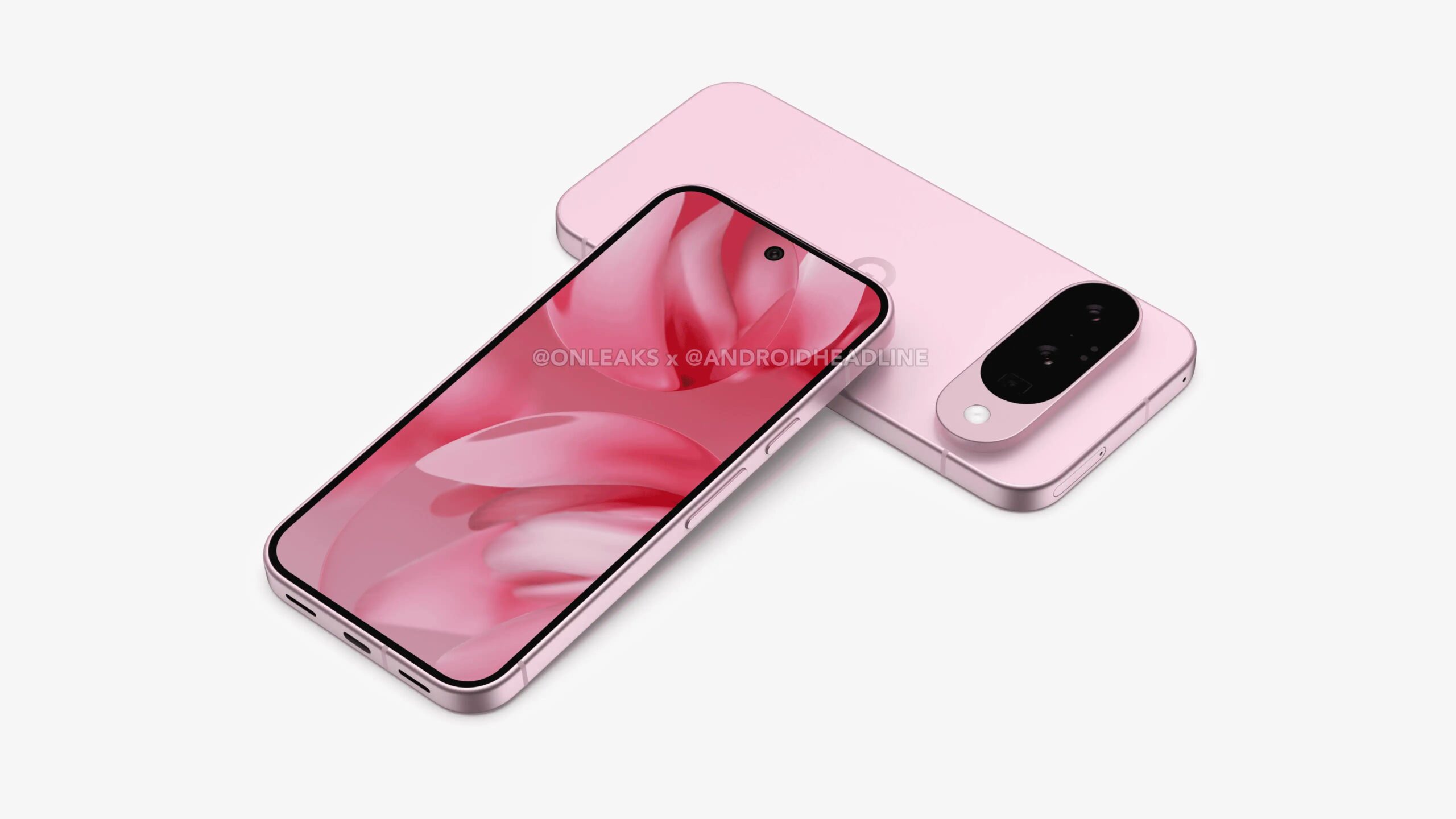
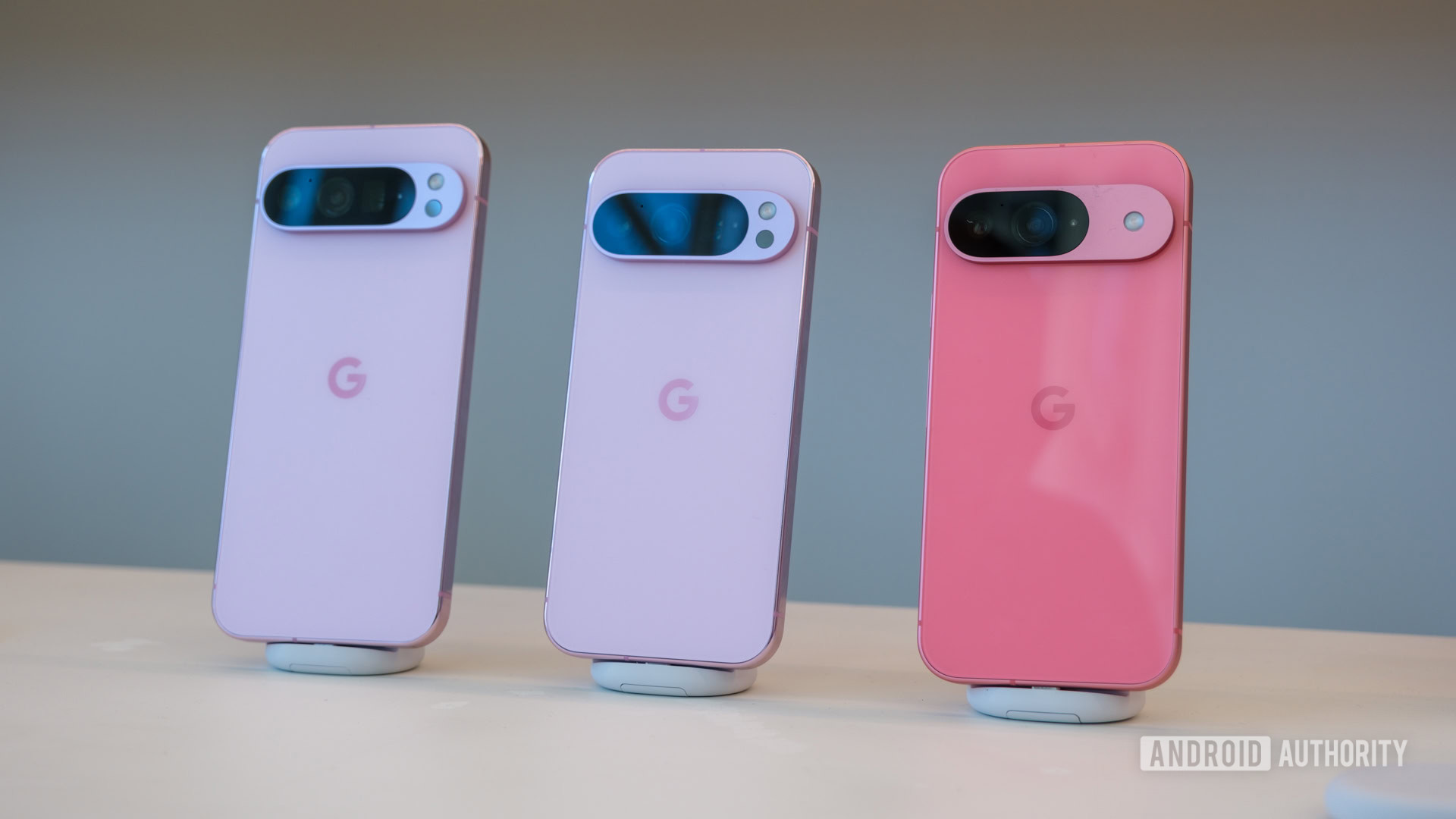
Google Pixel 10 series

limmk

High Supremacy Member
Joined
Jul 5, 2001
Messages
41,206
Reaction score
8,166


As hard as it is to believe, this year will mark the tenth anniversary of Google’s pixel lineup. It feels like just yesterday that Google was announcing the very first Pixel, asking us if we needed a new phone. Like new new. Like doesn’t have a version number new.

With the Google Pixel 10 series leaking left and right and having just revisited the Google Pixel 9 Pro, the Pixel series has been on my mind a lot lately. Specifically its software. Clean UX and helpful, unique features are why the first few Pixel phones were so good, and they continue to be the biggest perks of buying a Pixel today.

But while Google gets a lot right with its Pixel software, it’s not perfect. If Google wants to make its current phones even better and ensure the Pixel 10 is as good as can be, here are a few software changes I’d really like to see this year.

At a Glance needs some tinkering​

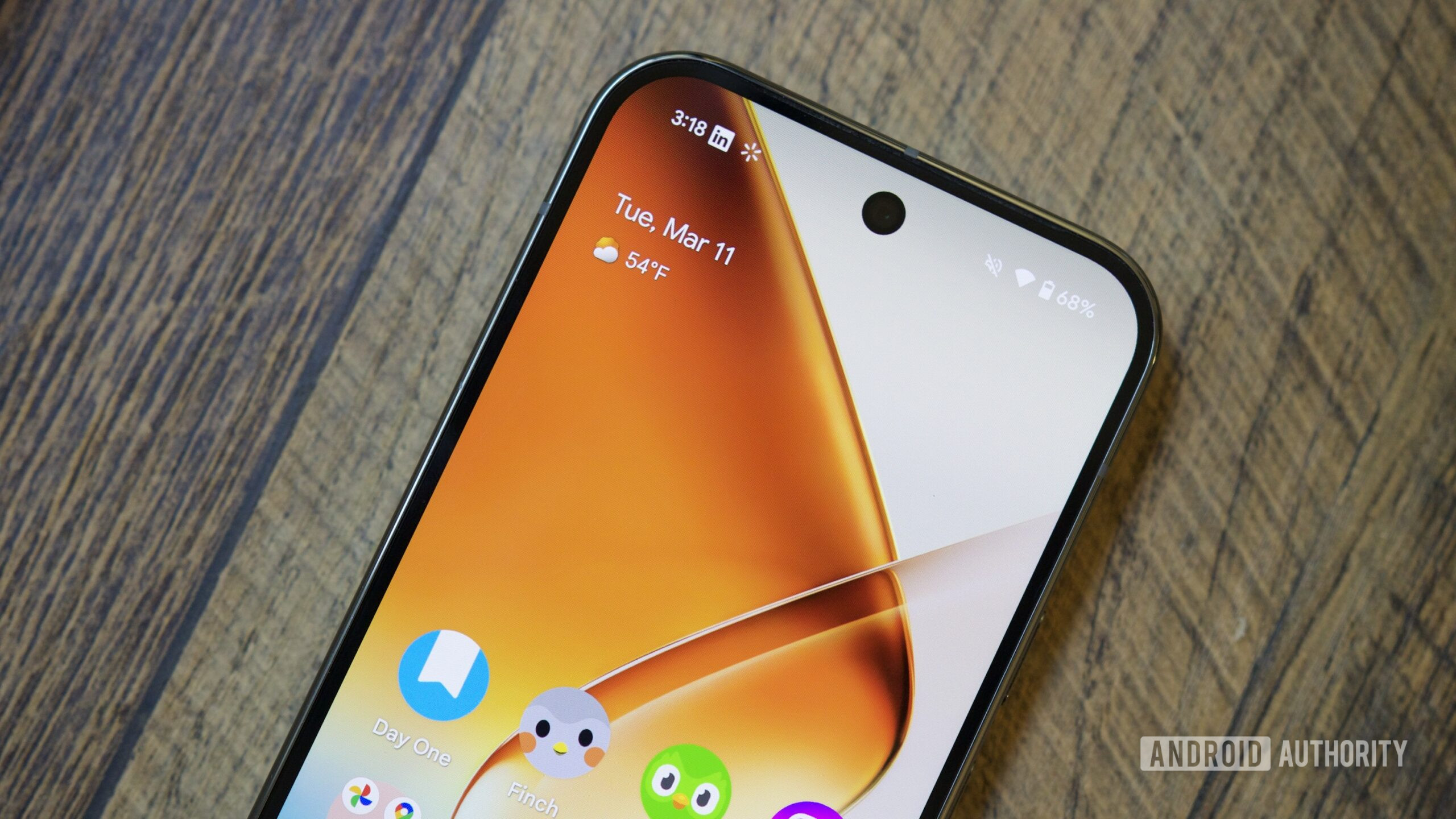
At a Glance on the Google Pixel 9 Pro.


For the most part, I quite like the Pixel Launcher. It’s uncluttered, buttery smooth, and easy to navigate. But for years, it’s come with a constant annoyance: the At a Glance widget. The idea behind At a Glance is sound — showing you weather info, upcoming calendar events, and other relevant information at the top of your home screen.

There’s just one problem. You can’t remove it or reposition it. You can technically disable At a Glance in the settings, but even then, all it does is remove the contextual bits. You’re still stuck with the date at the top left of your screen. That’s fine if you like At a Glance, but if you don’t want to use it, you shouldn’t be forced to have it take up precious home screen real estate.

Beyond that, I’d also like to see At a Glance improve for folks who do use it. The touch targets between the date (your calendar) and the weather are far too small, and the overall design looks a bit outdated. I don’t want Google to kill At a Glance, but it’s due for some tinkering. My colleague Andy Walker recently wrote about the need for more powerful At a Galance features. Please, Google, hear our pleas.

Large app folders​

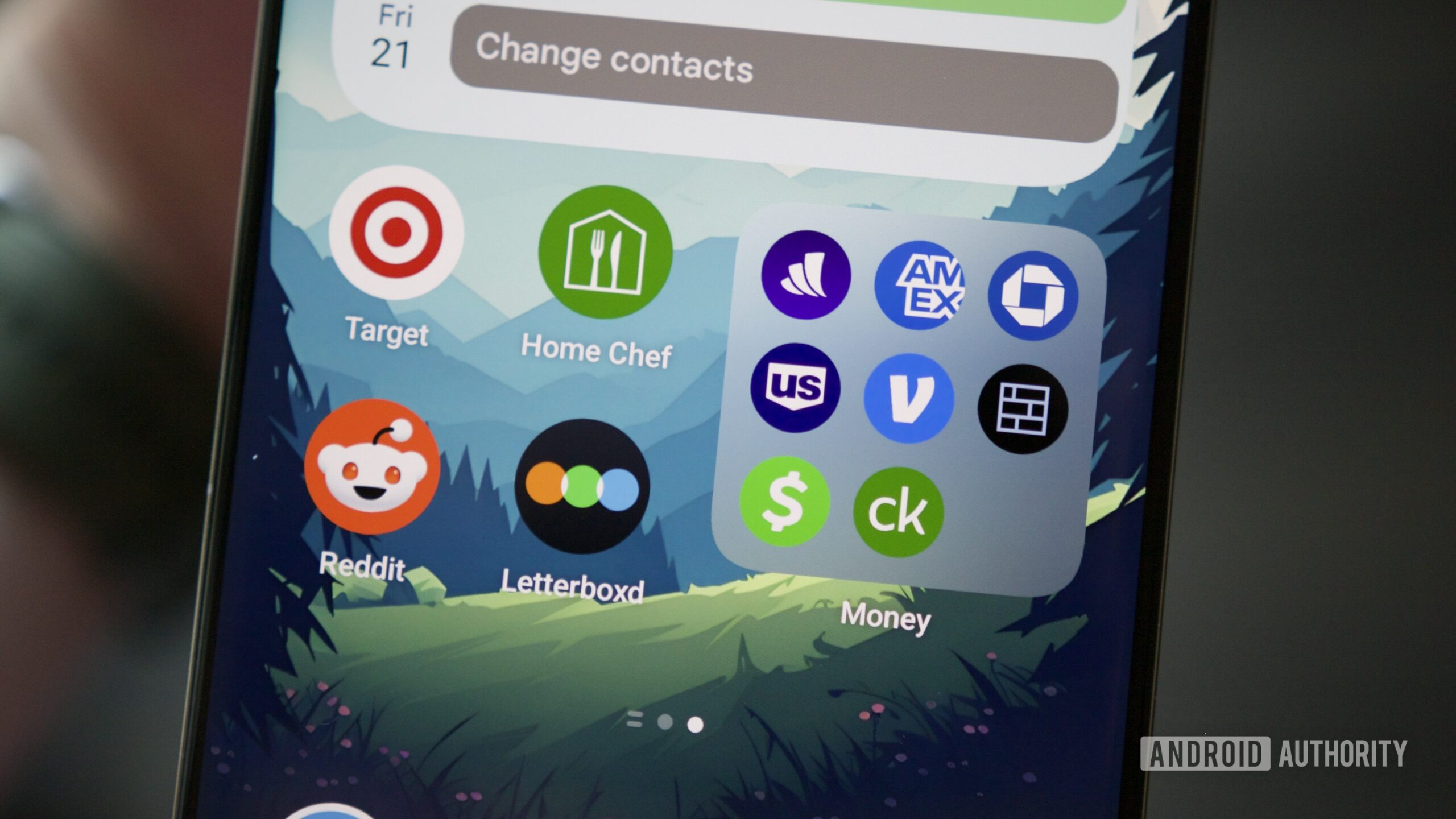
Large app folder on a OnePlus phone.

Large app folder in OxygenOS 15.

While we’re talking about the Pixel Launcher, I’d also like to see Google add large app folders this year. The latest versions of One UI and OxygenOS have large folder options, the main perk being that you can immediately open an app from the folder just by tapping on it — no need to open the folder first.
This is a feature I didn’t think I’d like, but having used it on the Samsung Galaxy S25 and OnePlus 13 recently, it’s now one of my favorite home screen additions. It’s a great way to fit more apps in a small area and still have instant access to them, and I hope the Pixel Launcher picks up this functionality soon.

More customizable Quick Settings​

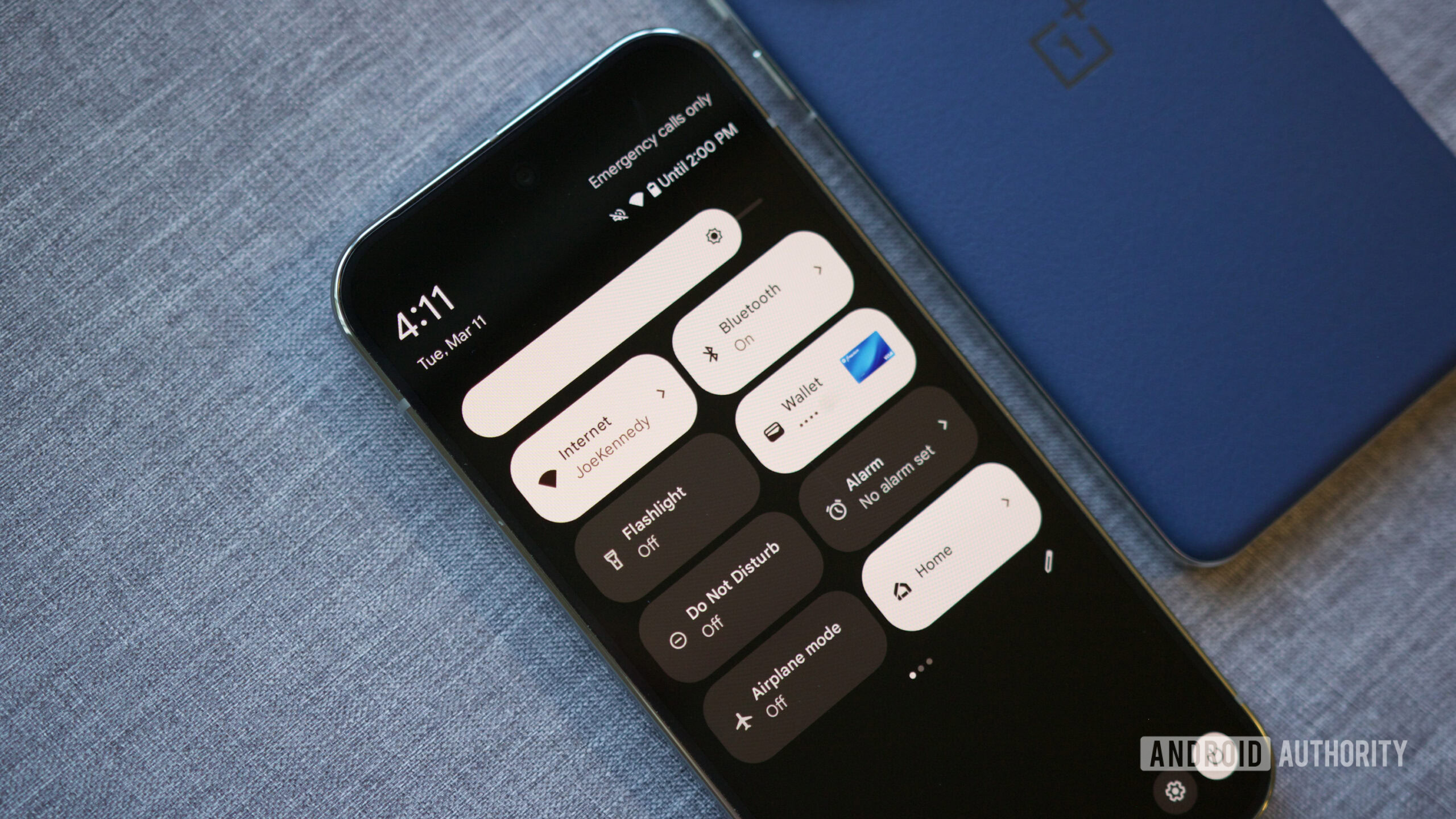
Quick Settings on Google Pixel 9 Pro.


Going beyond the home screen, the Pixel’s Quick Settings are due for some added functionality. The current implementation works well, and I like the large, bubble-like toggles. But compared to other Android skins, there are a lot of missing customization options I’d love to see.

Why can’t I move the brightness slider below my other Quick Settings toggles? Why can’t I change the shape of those toggles? Why can’t I reposition or resize the media player? There’s so much untapped potential that other manufacturers have opened the floodgates to, and it’s time for Google to jump on the bandwagon.

Improved recent apps menu​

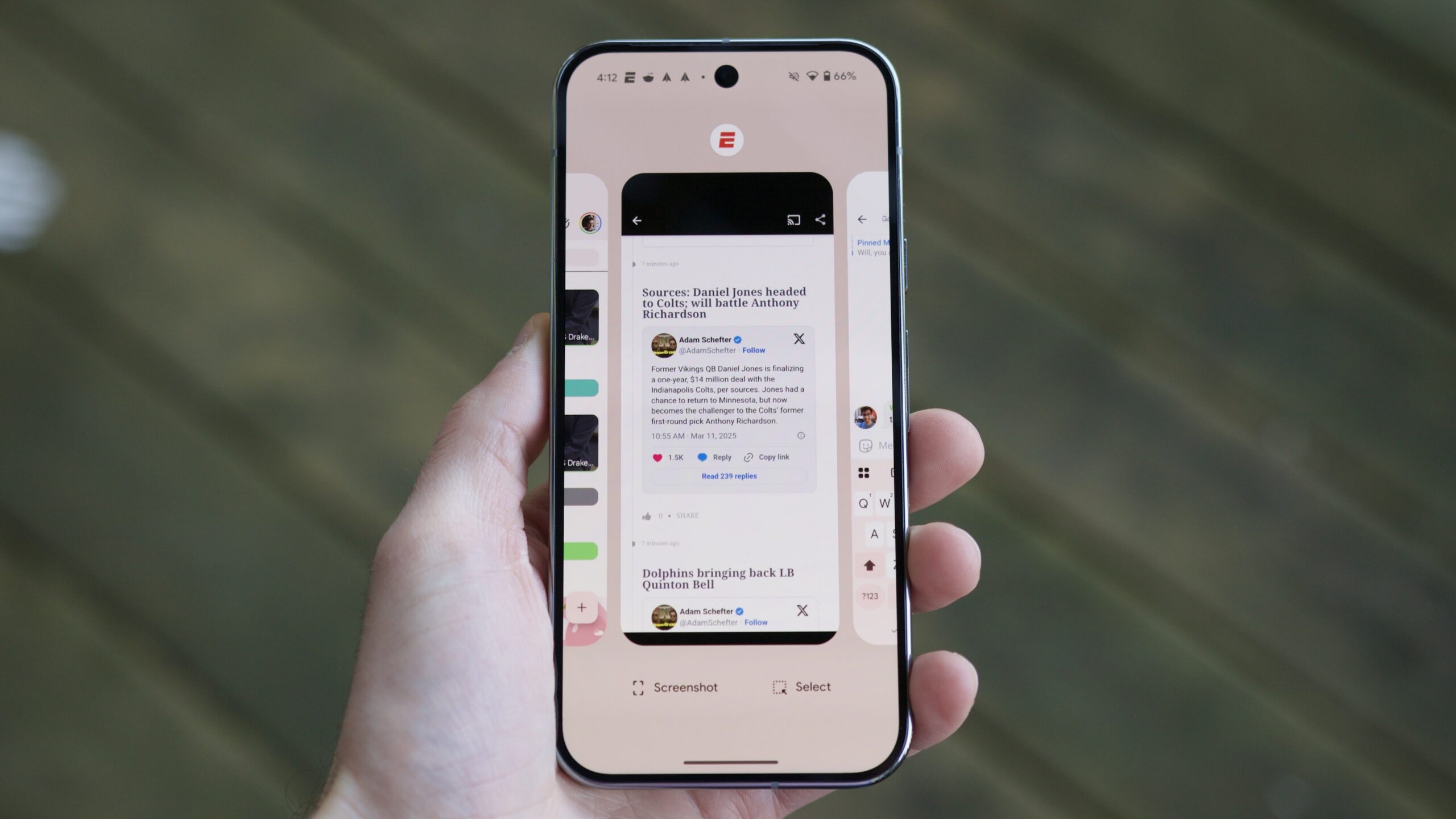
Google Pixel 9 Pro recent apps menu.


Similarly, the recent apps menu on Pixel phones hasn’t been updated in ages, and it shows. The screenshot and select tools are nice, but you effectively only see one app at once, and it’s not particularly efficient if you’re trying to find a specific app.

One UI 7 essentially does the same thing, but its card-like menu design is more visually pleasing and feels better to swipe through. I also love OnePlus’s approach, which shows app icons below the recent apps cards, greatly improving the visibility of what’s in your recent apps menu. There are ample examples of better ways to design the recent apps menu, and I think it’s time Google refreshes it for its Pixel phones.

A more powerful lock screen​

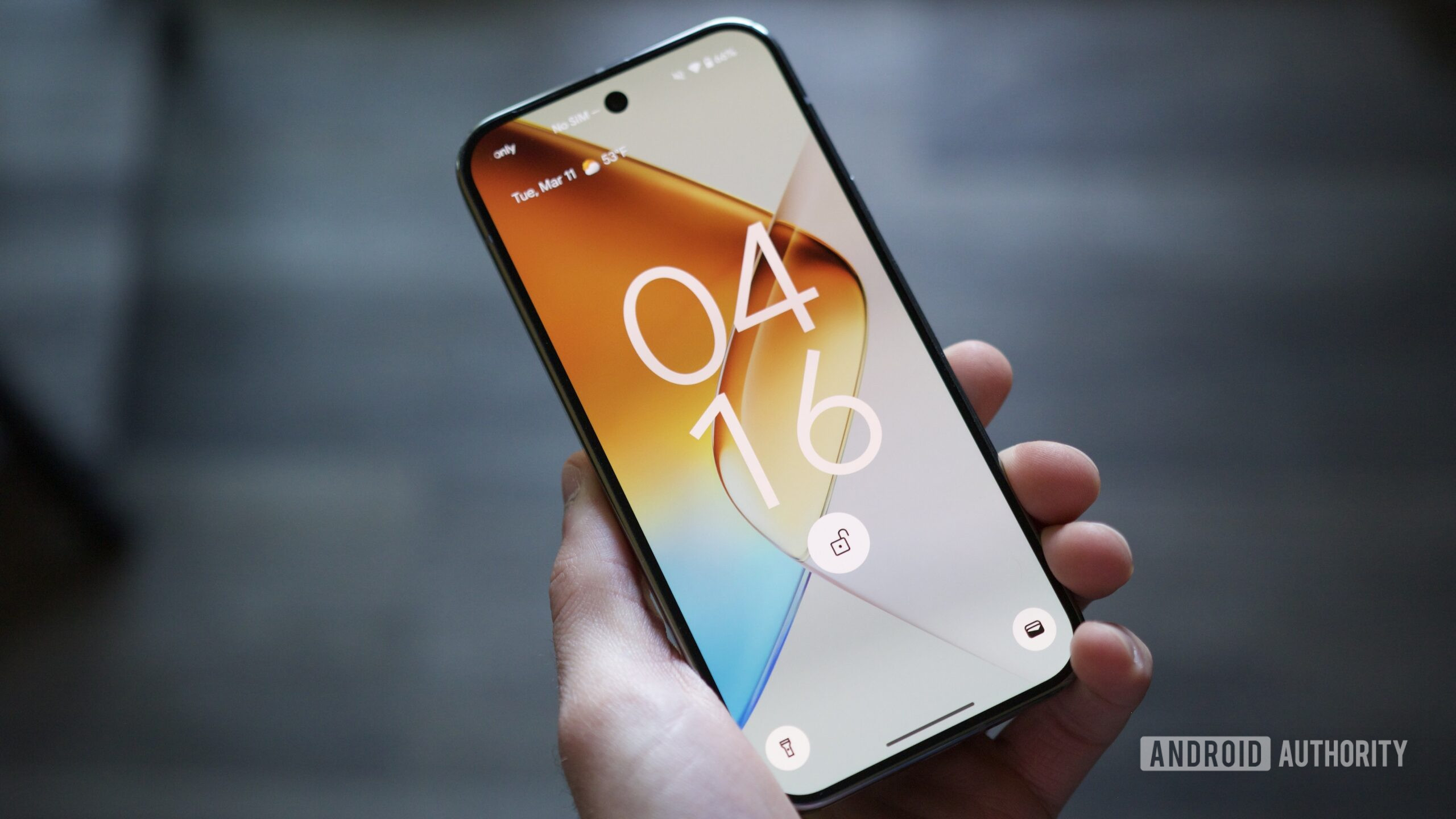
Lock screen on the Google Pixel 9 Pro.


As fun and stylish as Google’s clock designs are for Pixel lock screens, the lock screen as a whole isn’t very useful. You see the time, date, current weather, and occasionally other snippets of contextual info (such as weather alerts or upcoming calendar events). However, there’s so much more Google can do here.

Although it takes heavy inspiration from iOS, the lock screen customization suite in One UI 7 is fantastic. In addition to the numerous clock styles, you can customize each one’s font and color. Samsung also has numerous lock screen widgets to choose from, including widgets for Samsung Healther, the Reminders app, and more. Google has already confirmed that Android 16 will bring lock screen widgets to Pixel phones, which is great news. I just hope the selection of widgets is strong and that the company is considering additional clock customization settings, too.

Better visibility for Google’s Pixel features​

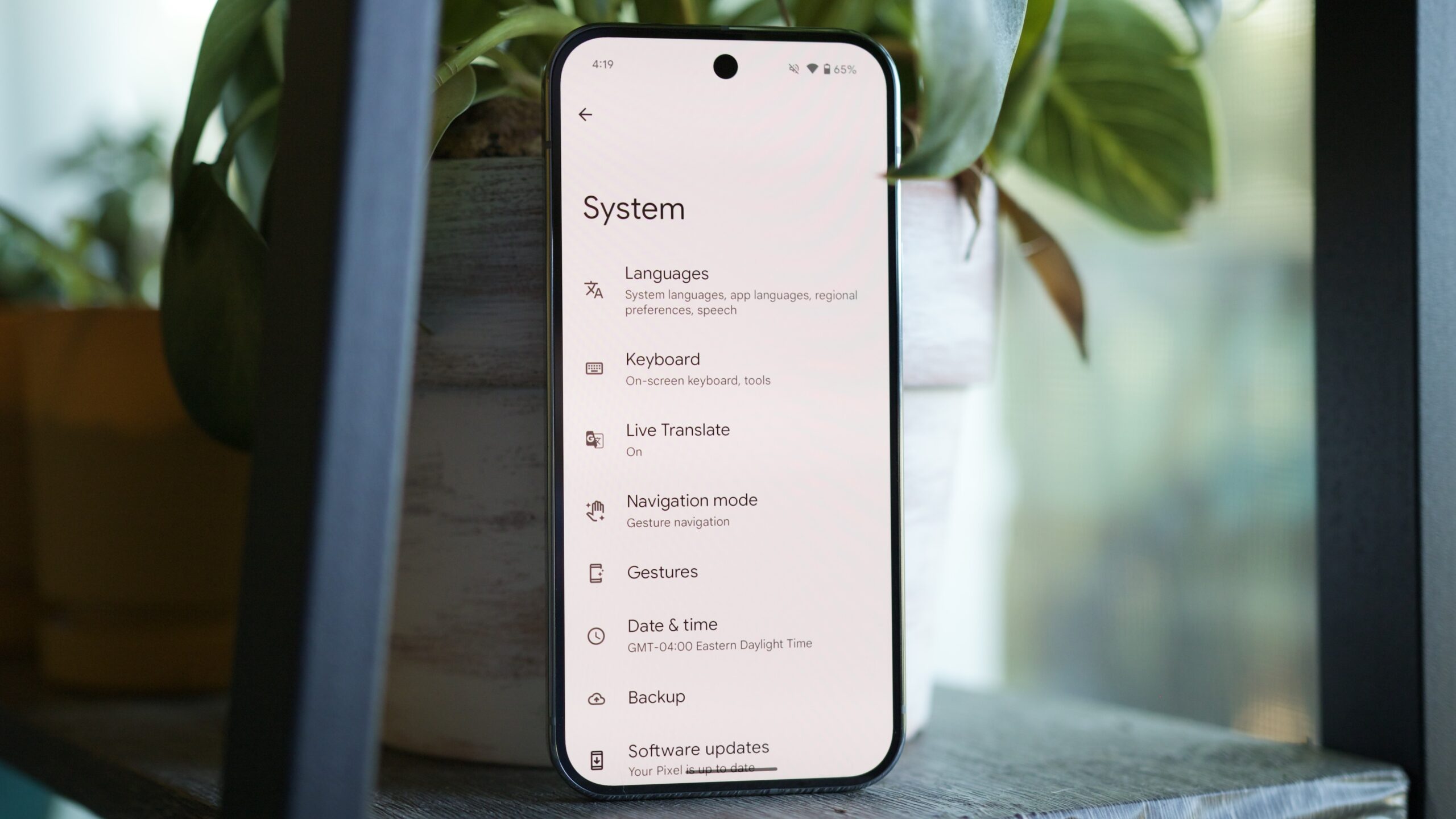
System settings menu on Google Pixel 9 Pro.


Google’s Pixel-exclusive features are among the best available on any Android phone today. Between Now Playing, Quick Tap, and the endless list of excellent calling-focused tools, there’s a lot to like. The problem is that finding all of these features isn’t very easy. To turn on Quick Tap, for example, you have to go to Settings -> System -> Gestures -> Quick Tap. Now Playing settings, meanwhile, live in Settings -> Display & touch -> Lock screen -> Now Playing. And all of the calling features? You need to open the Phone app, tap the overflow menu icon at the top right, and then select the Settings option there.

The features themselves are excellent, but finding them on a Pixel phone is anything but, at least not without trawling the Pixel Tips app. I’d love for Google to bundle the settings for all of its Pixel-exclusive tools in a new “Pixel features” menu in the Settings app — similar to the Galaxy AI settings page on modern Samsung phones.

More always-on display options​

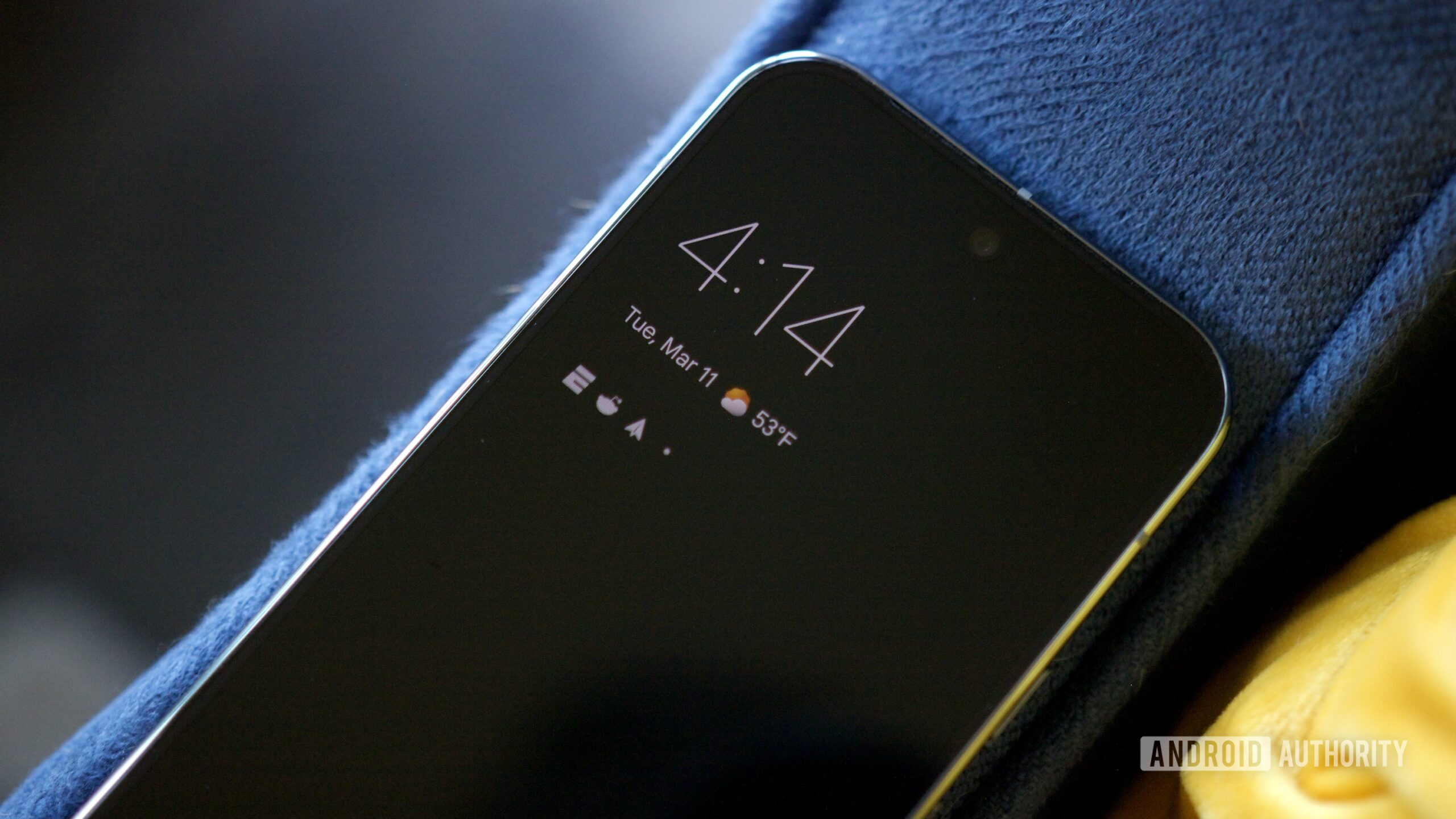
Always-on display on the Google Pixel 9 Pro.


I love a good always-on display (AOD). Even though I wear a smartwatch daily, I appreciate being able to glance at my phone to see the time, date, and any notifications I may have missed. Google’s Pixel phones have offered always-on support since the Pixel 2 series, and while that continues with the current Pixel 9 family, its implementation is trailing the competition.

Google offers no always-on display customization options beyond turning it on/off. It’d be great to see Google add things like custom text/images, the option to see a dimmed version of your current wallpaper, and the ability to schedule times for the AOD.
 

limmk

High Supremacy Member
Joined
Jul 5, 2001
Messages
41,206
Reaction score
8,166

TSMC won’t transform the Google Pixel 10 the way you think

Since the first rumors of Google moving to TSMC for Tensor chipset fabrication, I’ve heard so many comments from people saying they will hold off on buying a Pixel until the switch. It appears every enthusiast circled the Pixel 10 as when they’d finally give a Google smartphone a chance, as if somehow TSMC would work miracles for Tensor.

It’s a frustrating mindset, and the Pixel 10 will disappoint people who expect a drastic transformation. Yes, TSMC will bring a 3nm process to the Tensor G5, resulting in multiple improvements. Still, the fantastic work the company has done with other chipsets and manufacturers won’t correlate to Google’s game plan for its Pixel lineup. TSMC isn’t the Pixel savior you think it is, and it’s time to temper expectations about what we’ll see on Google's next flagship smartphone when it’s released.

Yes, Qualcomm saw improvements moving to TSMC​

Several Snapdragon chipsets needed work​

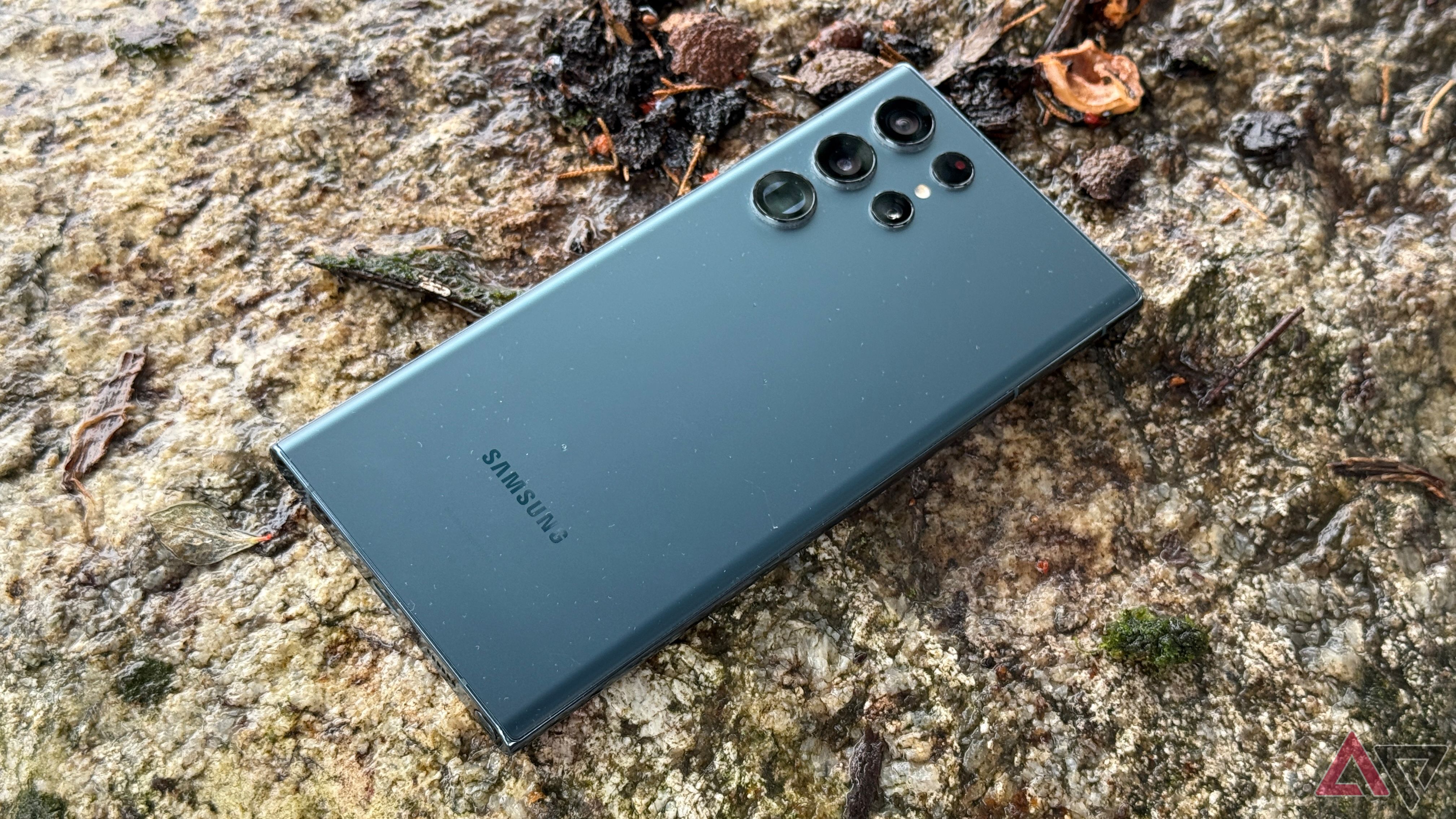
Samsung Galaxy S22 Ultra laying on a rock


Everyone hails Snapdragon chipsets as the be-all and end-all, but there was a time when even the mighty Qualcomm produced questionable silicon. I could fry an egg on any smartphone powered by a Snapdragon 888, and things didn’t get much better the following year with the Snapdragon 8 Gen 1. The SD8G1’s poor heat management led to less-than-ideal battery life from my Samsung Galaxy S22 Ultra, as I could only muster 5 hours on a single charge when the device was first released.

Performance changed when Qualcomm moved to TSMC, with improvements starting to show with the Snapdragon 8+ Gen 1 chipset. Every phone I used with that chipset had phenomenal battery life, and my favorite, the Motorola ThinkPhone, got close to 9 hours of screen time on time with a single charge. Undoubtedly, TSMC made a difference for Snapdragon, but it’s not a difference that Google needs anymore with its Tensor chipsets.

This isn’t 2022 anymore​

Google has sorted out many issues​

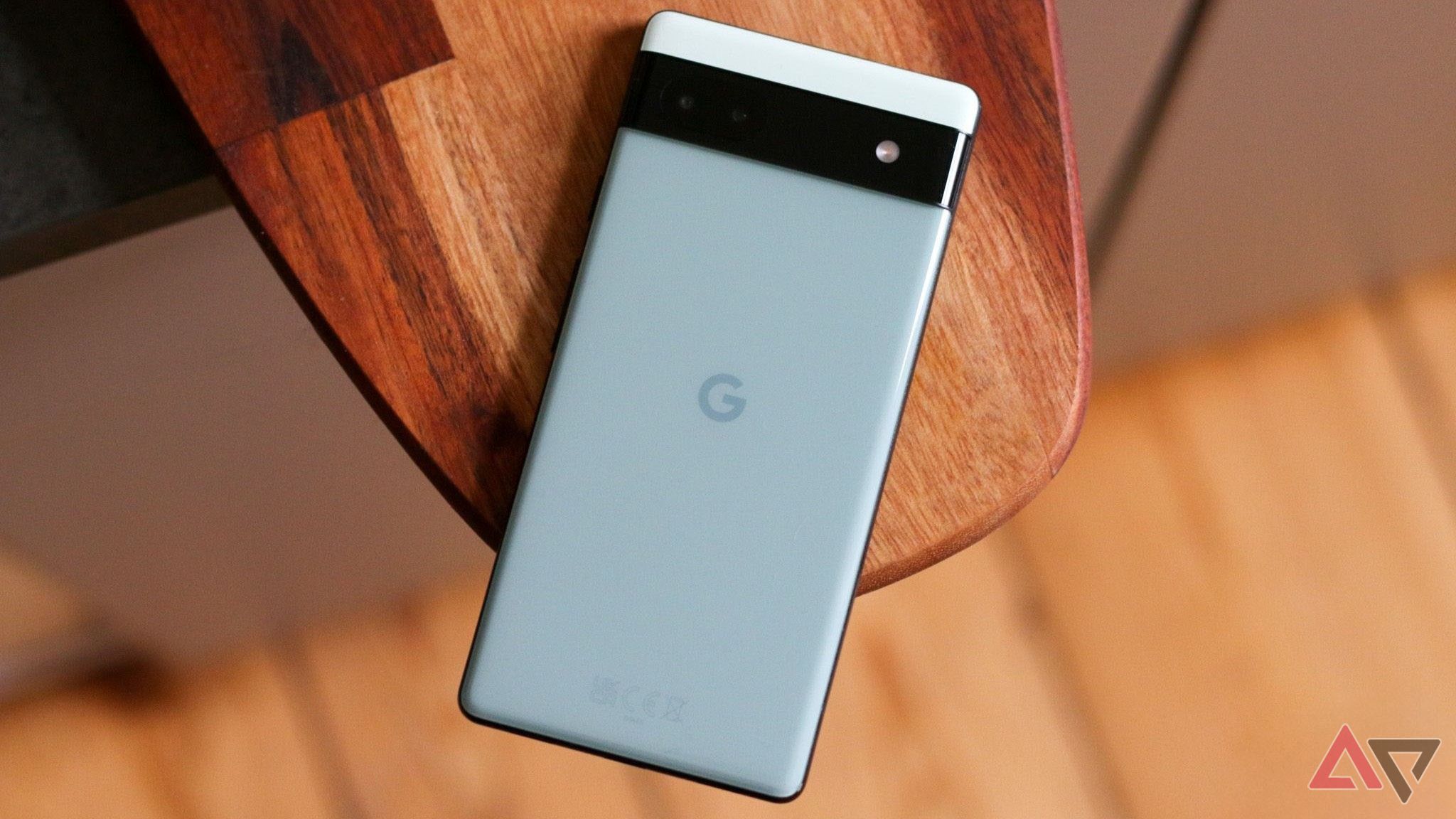
Pixel 6 Pro lying face down on a table


Three years ago, I would have supported those who said to wait for TSMC fabrication to pick up a Pixel. Early Tensor chipsets were plagued with overheating problems, which resulted in throttled performance and sub-par battery life. Overheating almost became synonymous with the Pixel experience, and it held back Google’s redesign of the Pixel 6. After seeing the Snapdragon 8+ Gen 1 improvements, I would’ve jumped at having a TSMC Tensor in the next Pixel phone, but Google wasn’t content with Tensor’s initial performance.

Gaming performance on the Pixel 9 Pro XL was substandard for a smartphone at a flagship price point.

While the first and second-generation Tensors suffered similar issues, Google upped its game for the third and fourth generations. My Pixel 8 Pro was rock solid, giving me fantastic performance and excellent battery life — typically, over 8 hours of screen on time. I didn’t experience the overheating I had with previous Pixels, and I never noticed any throttling due to the heat. My Pixel 9 Pro XL is even better, with zero heating issues and improved battery life. I could see if we were still struggling with the same old problems, but Google managed to solve many issues TSMC is known for handling. I’m not going to complain about the company switching foundries, but TSMC is no longer the savior it may have been a few years ago.

Google isn’t changing strategies​

It’s not that the company doesn’t know how​

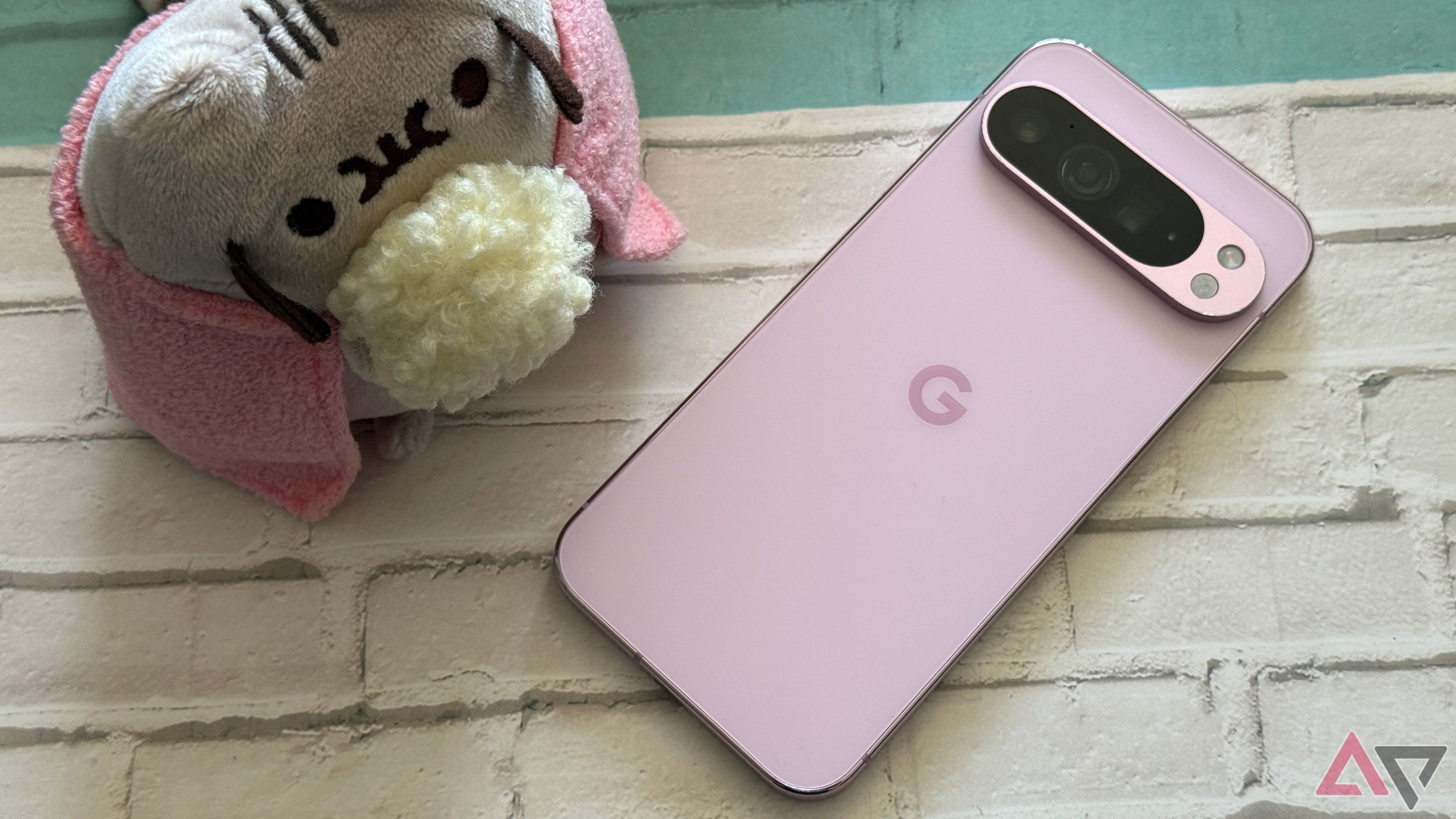
Google PIxel 9 Pro XL sitting next to Pusheen


Some people think Google's move to TSMC means that Tensor will somehow benchmark as well as the Snapdragon 8 Elite — it won’t happen. It’s not that Google doesn’t know how to make a more powerful chipset or can’t order one; it doesn’t want to. Google’s mission with the latest Pixel devices is focused on AI and the user experience. A more powerful chipset doesn’t factor into the company’s plans. Unless there’s a seismic shift in Google’s mindset over the next several years, we’ll never see a footrace between Tensor and Snapdragon.

That’s not to say Google doesn’t have any improvements to make. Gaming performance on the Pixel 9 Pro XL was substandard for a smartphone at a flagship price point. Rumors suggest the company knows this and plans to improve GPU performance by 15% on the fifth-generation Tensor, making gaming respectable on the Pixel 10. However, beyond gaming improvements, I wouldn’t expect much more. That’s not a bad thing, and if it keeps pricing down, I’m all for it, but this narrative that TSMC is there to save the Pixel 10 isn’t accurate.

It should still be an excellent smartphone​

If you want to buy a Google Pixel 9 Pro XL at a discount, you should do it instead of waiting for a Pixel 10 merely because TSMC makes the chipset. First impressions matter, and it’s taken so long for people to realize that Tensors aren’t bad. The Pixel 6 and 7 were held back by chipsets that weren’t up to par, but that has not been the case in the last two years. I’m all for Google moving to TSMC, and I love what the company does with silicon, but holding out on buying a Pixel to wait for a Tensor G5 from TSMC doesn’t make sense.

//androidpolice
 

limmk

High Supremacy Member
Joined
Jul 5, 2001
Messages
41,206
Reaction score
8,166


After having released renders of the Google Pixel 10, 10 Pro, and 10 Pro XL, we can now release renders of the Google Pixel 10 Pro Fold. Like with the rest of the Pixel 10 lineup, there doesn’t appear to be many changes on the Pixel 10 Pro Fold either. The camera module also appears to be about the same size, so the sensors are likely the same or at least the same size as the Pixel 9 Pro Fold.

As we confirmed last September, the Pixel 10 Pro Fold’s codename is Rango. We still don’t have a ton of info on it, but that should change in the next few months as we get closer to the launch. However, we do know it will launch with the Tensor G5 processor manufactured by TSMC, and we expect the RAM and storage configurations to remain the same, with 16GB of RAM and storage options of 256GB or 512GB.

The Pixel 10 Pro Fold is the spitting image of the Pixel 9 Pro Fold, and that’s not necessarily a bad thing. After all, the Pixel 9 Pro Fold is simply stunning. We do expect it to be a bit thinner this year – likely not as thin as the HONOR Magic V3 or OPPO Find N5 – though that is hard to tell from these renders. And we don’t have the official dimensions for the Pixel 10 Pro Fold yet.


Google’s Pixel 10 Pro Fold should launch in August with the rest of the Pixel 10 series​

Similar to last year, the Pixel 10 Pro Fold should also launch alongside the rest of the Pixel 10 series in August at a Made by Google event. That means Google would be launching the Pixel 10, Pixel 10 Pro, Pixel 10 Pro XL, and the Pixel 10 Pro Fold together – just as Google did with the Pixel 9 series.
Other sources have indicated that the Google Pixel 10 Pro Fold will be offered at a lower price point this year. This stands in contrast to the pricing strategy for other phone makers this year, which will either maintain their current prices or become more expensive. Google’s premium foldable device is expected to see a modest price reduction when it launches in August.

Pixel 10 Pro Fold 5K2
Pixel 10 Pro Fold 5K1
Pixel 10 Pro Fold 5K3
 

limmk

High Supremacy Member
Joined
Jul 5, 2001
Messages
41,206
Reaction score
8,166
TL;DR
  • The base Pixel 10 is getting a completely revamped camera setup with a telephoto lens for the first time.
  • Unfortunately, that comes at a cost of downgraded main and ultrawide cameras, with those components taken straight from the Pixel 9a.
  • The Pixel 10 Pro and Pro XL retain exactly the same setup from last year, while the 10 Pro Fold only sees a minor change to its primary camera sensor.


As we slowly approach the launch of the Pixel 10 series, we’re seeing more and more details about the phones leak. One rumor we’ve seen surface recently is that the base Pixel 10 will receive a dedicated telephoto camera, bringing it in line with the Pro models. However, no other details have been provided about the camera setup.

Now, thanks to a source inside Google, Android Authority has viewed documents revealing the big camera hardware changes coming to the Pixel 10 series.

Bringing telephoto to the non-Pro Pixels​

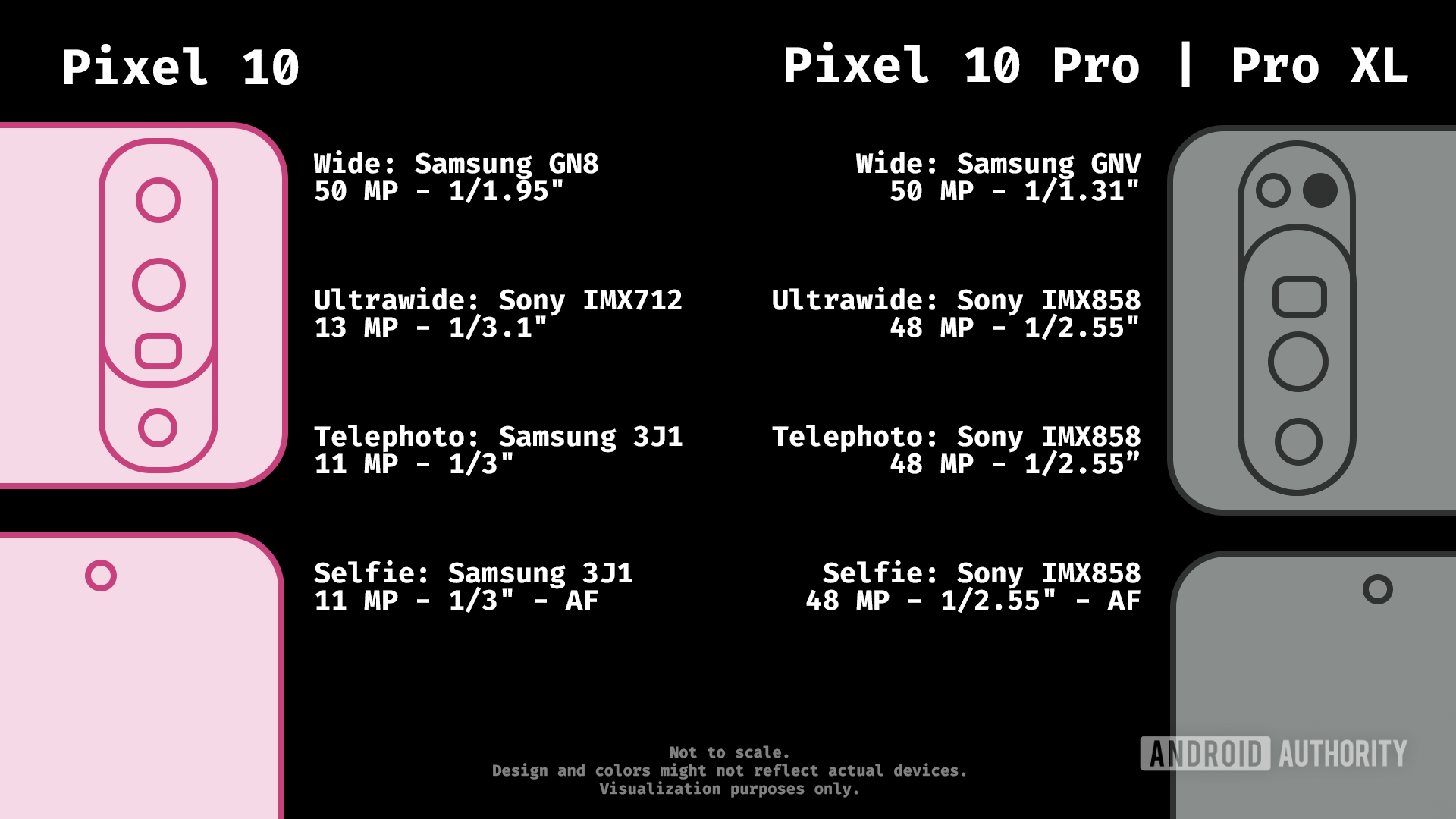
Pixel 10 camera leak graphic


Ever since the Pixel 6, Google has followed the same general strategy for cameras: the base models have wide and ultrawide lenses, while the Pro model (or models) gain an additional telephoto camera.

The Pixel 10 finally does away with this, adding a telephoto lens to the base model too. However, that comes at a cost: the whole camera setup is a step below the Pro series. In some ways, the rest of the cameras are closer to the Pixel 9a than any other Pixel 10 device. The primary sensor has been replaced by a Samsung GN8, a considerably smaller model than the previously used GNV. Similarly, the ultrawide lens has been downgraded to a Sony IMX712 from the previous IMX858. Both of these sensors have previously appeared in the Pixel 9a.

While there is a lot to a device’s camera quality, a smaller sensor size generally means worse performance, particularly in low-light conditions. Fancier algorithms and AI models can help, but ultimately, you can’t beat physics.

The Pixel 10 has a new, if somewhat downgraded, camera setup, while the Pixel 10 Pro remains unchanged from last year's Pixel 9 Pro.

The new telephoto camera is the 11MP Samsung 3J1, which was used for the same role in the Pixel 9 Pro Fold. The selfie camera, meanwhile, stays unchanged from last year.

While the Pixel 10 will see an almost completely revamped camera system, the same can’t be said about the Pro series. The hardware here is completely unchanged. Hopefully, the new, fully custom image signal processor in the Tensor G5, as well as new algorithms, will help to get even more out of that setup.

Pixel 9aPixel 9Pixel 10Pixel 10 Pro | Pro XLPixel 9 Pro | Pro XL
MainSamsung GN8
50 MP
1/1.95”
Samsung GNV
50 MP
1/1.31”
Samsung GN8
50 MP
1/1.95”
Samsung GNV
50 MP
1/1.31”
Samsung GNV
50 MP
1/1.31”
UltrawideSony IMX712
13 MP
1/3.1"
Sony IMX858
48 MP
1/2.55”
Sony IMX712
13 MP
1/3.1"
Sony IMX858
48 MP
1/2.55”
Sony IMX858
48 MP
1/2.55”
Telephoto--Samsung 3J1
11 MP
1/1.3”
Sony IMX858
48 MP
1/2.55”
Sony IMX858
48 MP
1/2.55”
SelfieSony IMX712
13 MP
1/3.1"
Samsung 3J1
11 MP
1/1.3”
Autofocus
Samsung 3J1
11 MP
1/1.3”
Autofocus
Sony IMX858
48 MP
1/2.55”
Autofocus
Sony IMX858
48 MP
1/2.55”
Autofocus

The last entry in the series is the Pixel 10 Pro Fold, which only sees a minor swap from the primary Sony IMX787 (used in the Pixel 8a) to the Samsung GN8 (used in the Pixel 9a).

Pixel 9 Pro FoldPixel 10 Pro Fold
MainSony IMX787
64 MP (cropped)
1/1.73”
Samsung GN8
50 MP (cropped?)
1/1.95” (cropped?)
UltrawideSamsung 3J1
12 MP
1/3.2”
Samsung 3J1
12 MP
1/3.2”
TelephotoSamsung 3J1
12 MP
1/3.2”
Samsung 3J1
12 MP
1/3.2”
Selfie (inner)Samsung 3K1
11 MP
1/3.94”
Samsung 3K1
11 MP
1/3.94”
Selfie (outer)Samsung 3K1
11 MP
1/3.94”
Samsung 3K1
11 MP
1/3.94”

Google is playing a dangerous game​

Google Pixel 9a all colors in hand


Last year, we saw the first signs of Google purposefully differentiating the base Pixel models from its Pro equivalents, and the Pixel 10 series is another sign that it wants to go in that direction. In terms of cameras, the Pixel 10 is basically just a Pixel 9a with an extra telephoto lens.

The decision to downgrade some sensors is probably to compensate for the price increase from adding an extra camera and perhaps to accommodate for the space taken up by the new lens. However, better long-range capabilities might not be worth the primary and ultrawide trade-off for everyone.

If Google keeps the same $799 price as last year, the Pixel 10 might be hard to recommend over the Pixel 9a, especially for those desiring a good basic camera. While the telephoto lens is a nice addition, the downgrades might just be too high of a price to pay. We won’t have long to wait to find out, the Google Pixel 10 series will be released later this year.
 

limmk

High Supremacy Member
Joined
Jul 5, 2001
Messages
41,206
Reaction score
8,166
TL;DR
  • Google won’t be updating the cameras on the upcoming Pixel 10 Pro and Pixel 10 Pro XL.
  • All four sensors will be the same as what’s on the Pixel 9 Pro and and Pro XL.
  • The Pixel 10 Pro Fold is getting a minor upgrade for the main camera.


Back in March, we got our first peak at the Pixel 10 series via leaked CAD renders. Those renders revealed that Google may play it safe and reuse the design from the Pixel 9 series. But the design may not be the only thing the Pixel 10 Pro and Pro XL will share with its predecessor. It looks like we can expect the cameras to be similar as well.

Through an exclusive report, Android Authority revealed the camera specs for the whole Pixel 10 family. While the base model will see some notable changes, which you can read about in the report, it appears that won’t be the case for the Pixel 10 Pro or the Pro XL.

According to our sources, the hardware for the cameras will be completely unchanged. That means we’re getting a 50MP Samsung GNV main camera and a 48MP Sony IMX858 for the ultrawide, telephoto, and selfie shooters. Google is using a fully custom image signal processor in the Tensor G5, however. So, hopefully, the company will be able to squeeze a little more out of that setup.

Pixel 9 Pro | Pro XLPixel 10 Pro | Pro XL
MainSamsung GNV
50 MP
1/1.31”
Samsung GNV
50 MP
1/1.31”
UltrawideSony IMX858
48 MP
1/2.55”
Sony IMX858
48 MP
1/2.55”
TelephotoSony IMX858
48 MP
1/2.55”
Sony IMX858
48 MP
1/2.55”
SelfieSony IMX858
48 MP
1/2.55”
Autofocus
Sony IMX858
48 MP
1/2.55”
Autofocus

Unlike the Pixel 10 Pro and Pro XL, the Pixel 10 Pro Fold is expected to have a camera upgrade. However, it will only be a slight change over the previous model. The primary camera is moving on from a 64MP Sony IMX787 sensor to a 50MP Samsung GN8 sensor, the same sensor found in the Pixel 9a. Outside of that little change, the rest of the setup is expected to be the same as before.

Pixel 9 Pro FoldPixel 10 Pro Fold
MainSony IMX787
64 MP (cropped)
1/1.73”
Samsung GN8
50 MP (cropped?)
1/1.95” (cropped?)
UltrawideSamsung 3J1
12 MP
1/3.2”
Samsung 3J1
12 MP
1/3.2”
TelephotoSamsung 3J1
12 MP
1/3.2”
Samsung 3J1
12 MP
1/3.2”
Selfie (inner)Samsung 3K1
11 MP
1/3.94”
Samsung 3K1
11 MP
1/3.94”
Selfie (outer)Samsung 3K1
11 MP
1/3.94”
Samsung 3K1
11 MP
1/3.94”

With these new details, it seems like the Pixel 10 series may be a lot closer to the Pixel 9 series than anyone would’ve guessed.
 

limmk

High Supremacy Member
Joined
Jul 5, 2001
Messages
41,206
Reaction score
8,166
TL;DR
  • The vanilla Pixel 10 will get an additional camera in the form of a telephoto lens.
  • The new telephoto camera is an 11MP Samsung 3J1 sensor.
  • It may use the same primary camera and ultrawide as the Pixel 9a.


When the CAD renders for the Pixel 10 series leaked, it revealed that Google could make a surprising change to the base model Pixel. This change was the possible inclusion of a third camera. Android Authority has now confirmed that a new camera is being added to the vanilla Pixel 10, and we also have the camera specs.

In our exclusive report, we reveal the camera specs for every member of the Pixel 10 family. However, what’s going on with the base Pixel 10 is particularly interesting. While these phones have used the same dual camera setup strategy since the Pixel 6, this year’s standard model deviates from tradition.

The Pixel 10 will have a telephoto lens, along with the primary and ultrawide cameras. This new telephoto camera is the 11MP Samsung 3J1, which is also featured in the Pixel 9 Pro Fold. As our leaker Kamila Wojciechowska suggests, the price of adding an extra camera and the space taken up by the telephoto lens may have forced Google to make some compromises.

It appears Google will use smaller sensors for the primary and ultrawide cameras. The 50MP Samsung GNV found in the Pixel 9 will be replaced by a 50MP Samsung GN8. Meanwhile, the ultrawide is switching from a 48MP Sony IMX858 to a 13MP Sony IMX712. If these cameras sound familiar, it’s because they are the same cameras used in the Pixel 9a. For the selfie camera, we’re also getting a 11MP Samsung 3J1, a change from the previous 13MP Sony IMX712.

Due to these alterations, performance will likely be worse, particularly in low-light conditions. However, Google could help give picture quality a boost with the help of algorithms and AI models.
 

limmk

High Supremacy Member
Joined
Jul 5, 2001
Messages
41,206
Reaction score
8,166


It’s still months away, but we already know a lot about the Pixel 10 series. After extensive Tensor G5 leaks, we now also know what to expect with the Pixel 10 cameras, thanks to our latest exclusive. It turns out we’re already very familiar with the Pixel 10 Pro and XL’s camera setup because they’re destined to be the same as the Pixel 9 Pro and 9 Pro XL. That’s pretty disappointing news for photography buffs, of which I most certainly am one.

It’s not that the current generation of Pixel cameras aren’t up to scratch; the Pixel 9 series takes brilliant photos, after all. Likewise, we Pixel fans should be accustomed to Google’s stop-start approach to photography innovation. It took years for the Pixel 6 to revamp Google’s primary camera hardware and for the Pixel 9 Pros to upgrade their aging selfie game. Google takes the time to eek every last drop of quality from the hardware it learns inside and out, and it’s hardly alone in sticking with the same camera hardware for generations; Apple and Samsung aren’t exactly speedy innovators either. Maybe we’re in store for bigger changes next year?

Yet, the news feels rather unwelcome because I’ve found the Pixel 9 Pro’s photography luster already waning. Having had the pleasure of the OPPO Find X8 Pro and the Xiaomi 15 Ultra, there’s growing daylight between China’s finest and the latest Pixels. And not just because of their sheer lens count and shooting flexibility but also because of the quality of those lenses and sensors. Their big pixels across multiple cameras really help capture great-looking snaps in all lighting conditions, and the option of having 3x/70mm portrait-oriented telephoto lenses and periscope zooms for long-range only adds to their versatility. Flagship Pixels currently have neither of those perks, landing awkwardly in between with a 5x (125mm) periscope that’s too long for natural portraiture and relying on occasionally overaggressive algorithms to pad out their weaker ultrawide and zoom exposures.

Another year of hardware stagnation risks pushing the Pixel series further down the pecking order and making the Pixel 10 Pros a harder sell than previous generations. Where once Google stood out for providing arguably the best photography capabilities at a price that was slightly cheaper than the competition, the Pixel 9 Pro and presumably the Pixel 10 Pro will cost just as much as everyone else and are no longer necessarily the best picks for photography enthusiasts either.

Pixels take great photos, but the most serious mobile photographers will be eying OPPO and Xiaomi.
Now granted, ultra-premium Chinese phones are hard to lay hands on in the US. When it comes to the big three, Google is at least as good as, if not better than, Apple and Samsung. The Pixel 10 Pro and XL will undoubtedly remain superb picks when stacked up to the Galaxy S25 Ultra and upcoming iPhone 17 Pro Max, if only because none of them are moving at a particularly brisk pace.

However, we also have the OnePlus 13 this year, which has turned a corner with a superb camera setup. Best of all, it costs just $899. That’s $100 less than the Pixel 9 Pro cost at launch and will no doubt be cheaper than the Pixel 10 Pro and 10 Pro XL as well. As someone who is forever torn between wanting the best photos without spending an absolute fortune, the OnePlus 13 sits right in the sweet spot, and my hopes have now been dashed that the Pixel 10 Pro will unseat it. If there’s a saving grace, the Pixel 10 series looks set to support 4K 60fps HDR video, but that’s hardly an exclusive feature; it is more like playing catch up.


Even if cameras aren’t the primary reason to love Pixels, I’m still pretty downbeat about the upcoming models when looking at the rest of what the Pixel 10 Pro and Pro XL are set to offer. Their Tensor G5 processor, for example, doesn’t seem to provide any meaningful raw performance upgrades over the G4, leaving the phone second best for gaming performance and lacking futureproofing for next-gen use cases. Charging is another area of constant disappointment with the Pixel series, and Google is unlikely to make meaningful improvements, having recently nudged the 9 Pro XL’s power up marginally, providing you can meet some rather specific charger requirements.

Yes, Google will double down on AI, including new AI camera features, but I don’t view those as a replacement for taking a great picture in the first place. Post-capture generative AI for video, Sketch-to-Image, or Speak-to-Tweak will quickly be forgotten about, I’m sure. Perhaps Pixel Sense will give the series something to shout about, but there’s a good chance it’ll come to older Pixels as well — in which case the Pixel 9 Pro and even the 8 Pro will inherit all the best bits of the Pixel 10 series anyway.

Cameras drew me to Pixel, but stagnant hardware means I might as well stick with the Pixel 9 Pro.
In that sense, the Pixel has become like the iPhone and Galaxy; iterative rather than innovative. After the breath of fresh air that was the Pixel 6 and a refined sequel in the Pixel 7, we’ve been recently languishing in the complacent extended universe (OK, the 9’s build is pretty great), and the Pixel 10 will become just another entry in an increasingly copy-paste series.

I’m certainly not bemoaning the benefits of software taking center stage; it’s great for consumers that recent purchases will see seven years of feature support to keep them feeling fresh. At the same time, however, I’m lamenting the dirth of hardware innovation that has claimed the Pixel series as its latest victim.

For me, photography remains the major unsolved problem for smartphones. There’s still a gap between the mobile and mirrorless worlds, even after all these years, and Google has previously been such a major player in helping to bridge this divide. It’s one of the factors that made the Pixel series so appealing, at least for me. It’s a shame that Google and the Pixel 10 series are ceding that leadership to brands like OPPO and Xiaomi. Hopefully, the Pixel 11 series will have something more significant to offer us shutterbugs.
 

limmk

High Supremacy Member
Joined
Jul 5, 2001
Messages
41,206
Reaction score
8,166


My Android Authority colleague Kamila recently revealed a lot of details about the upcoming Pixel 10 series’ cameras. According to her report and sources, the Google Pixel 10 Pro series will keep the same camera sensor setup as last year’s Pixel 9 Pro phones, but the regular Pixel 10 will see some major changes. Some upgrades with a new telephoto camera, some downgrades with smaller main and ultrawide sensors. If you ask me, though, I think it’s all a net positive because a zoom lens is becoming a necessity nowadays.

I used to recommend the regular Pixels until I couldn’t​

Pixel 8 vs Pixel 9


When I saw the first leaked Pixel 10 renders, I nearly didn’t believe them. For a few years now, since the Pixel 6 series, Google has differentiated between its regular and Pro phones with the camera setup. Regular gets two lenses (main, ultrawide), and Pro gets three lenses (main, ultrawide, and zoom). It’s been that way for so long that seeing a third camera on the regular Pixel 10 almost felt fake. But with Kamila verifying this with her sources, I think it’s fair to assume that this change is real, and I’m so happy about it.

See, I’ve recommended Pixel phones for many years now to everyone I know. My mom, aunt, husband, best friend, a few other friends, a cousin, and many other people in my entourage grabbed Pixels because of me, because they kept seeing my excellent Pixel photos, got tired of me saying, “It’s the Pixel camera, I tell you!” and decided to get in on the action themselves.

The problem is that not everyone has the budget to splurge for the Pro Pixels to get the best of Google’s camera setup. A few years ago, when the Pixel 6 Pro launched for $899 with a pair of free Bose Headphones 700 — a $399 value — as a pre-order bonus, a few people could justify the splurge and either kept the headphones or sold them to recap some of the upfront money. Later, when Google switched to offering a Pixel Watch with the Pro phones, it was still a decent deal. Now, though? The Pixel 9 Pro launched last year at $999 and the Pro XL at $1,099, both without any real tangible pre-order benefit.

My friends and family get disappointed when their Pixels don't zoom properly, even though they got the non-Pro phones for budgetary reasons.

So when my friends or family members coughed at the price of a Pixel Pro, I recommended the regular Pixel. In my head, I thought there wasn’t much of a downgrade to justify the price difference. Yes, I knew that I, personally, couldn’t let go of my zoom lens, but I go to concerts (see the photos below) and sports games. I also travel a lot and I love framing buildings and sceneries from afar; I’m an anomaly. Regular people wouldn’t miss the zoom, I assumed. Oh, how wrong I was.

google pixel 9 pro xl camera sample concert 1
google pixel 9 pro xl camera sample concert 2
google pixel 9 pro xl camera sample concert 3


I was talking to my friend a few months ago, and the subject of the Pixel came up. When I asked her if she was enjoying the cam, I could hear her shrug and hmph through the phone. Why? Bad zoom. She told me she has trouble taking photos of her kid during school recitals and theatre shows. She said she keeps looking at other parents near her with their iPhones and Galaxy phones and noticing they have better cameras and can take nice photos of their children. She knew she’d made a price compromise to get the regular Pixel, but she had still expected more from its cam.

Yikes. This same conversation happened again and again with other people. A neighbor who’d moved from a Galaxy S22 to a Pixel 9 lamented the — admittedly pretty basic — 3x zoom she had on her Samsung phone when taking photos of her kittens. My mom keeps asking my aunt to take photos of things that are far away because she knows the Pixel 6 Pro will do better than her Pixel 7 with zoom. My best friend told me she was jealous of my Pixel 9 Pro XL photos because I could zoom in and avoid crowds while we were sightseeing together. And so on.

So, I stopped recommending the regular Pixel to people when they ask me about it because I know that sooner or later, even if they don’t think they need zoom, they will envy zoom.


limmk

High Supremacy Member
Joined
Jul 5, 2001
Messages
41,206
Reaction score
8,166

Zoom is no longer a luxury, it’s an expected feature​

It’s not one, not two, but many conversations over the last year that have convinced me that a zoom lens is no longer regarded as a luxury — at least in the circle of people I know. It’s a feature people expect, a feature they want.

Everyone wants zoom even though they don't know it yet.

Some have kids, some have pets, some travel, some have bad eyesight, some attend concerts and festivals, others go to sports games, and everyone now sees someone in their immediate surroundings pull out a high-end Pixel, iPhone, Samsung, Xiaomi, or any other great camera phone, and take an excellent photo from afar. Unlike us who follow the mobile industry up close, none of them know that zoom lenses have been restricted to expensive flagships and that you have to pay to get them; few of them even know that zoom requires a separate camera module!

google pixel 9 pro 10x zoom photo sample 5 copy
google pixel 9 pro 10x zoom photo sample 8 copy
google pixel 9 pro 10x zoom photo sample 6 copy
google pixel 8 pro camera sample building 19
google pixel 8 pro camera sample building 23
google pixel 8 pro camera sample building 22
google pixel 2024 best photo samples 28
google pixel 2024 best photo samples 29
google pixel 2024 best photo samples 30


I think we’re at a point where flagship phones have democratized telephoto cameras so much that everyone just assumes their own camera sucks in comparison if it can’t zoom properly. There’s no point in explaining the physics of Super Res Zoom on a 1x sensor versus using a native 5x optical telephoto sensor. One sucks, one doesn’t, and that’s all that most people will understand.

A telephoto lens on the Pixel 10 was a necessity​

Pixel 10

Pixel 10 leaked renders

This brings me back to the regular Pixel 10 leak. I think Google came to this same conclusion, and I’m glad it did it now instead of waiting a few more years when telephoto became the norm on cheaper phones.
According to our leak, the Pixel 10 will have the same Samsung 3J1 11MP sensor as the Pixel 9 Pro Fold. We don’t know the zoom level yet, but odds are Google has copied the entire module over, not just the sensor, so it’ll be the same 5x as the Fold. Based on my personal experience with the Pixel 9 Pro Fold, that camera setup will do very well at 5x, decent at 10x, and then just stagger to 20x. Not a Pro Pixel quality level, but very, very workable for most situations I find myself in.

The Pixel 10's well-rounded photography experience will be better than an excellent regular + ultrawide camera setup that fails at zooming.

A proper optical 5x zoom will beat any Super Res Zoom and digital cropping from any 1x camera lens. And, based on the many conversations I’ve had in recent months, I’d argue that the benefits of adding a proper zoom will far outweigh the potential loss of a bit of quality due to the downgraded smaller main and ultrawide sensor. People won’t notice a slightly more noisy photo at night, but they will notice a good zoom lens. Besides, there are always software adjustments and AI magic to make the downgrade less important. And if sacrificing a bit of quality on some photos is the price to pay to keep the final bill of material and public price unchanged, then so be it.

I think Google is making the right move here. Providing a well-rounded photography experience is better than putting all of the camera’s weight on two aspects of photography (regular and ultrawide photos) and completely neglecting the third. People with kids, pets, or bad eyesight, and those who travel or attend concerts, parades, sports games, or big shows will appreciate it a lot.

Plus, democratizing telephoto lenses further and making them the norm will put the onus on Samsung and Apple to catch up and provide a similar experience at that price tag, and I doubt they’ll be able to match the regular Pixel 10 soon.

Point, Google.
 

limmk

High Supremacy Member
Joined
Jul 5, 2001
Messages
41,206
Reaction score
8,166


Google’s Pixel series has staked a lot on its photography reputation, and the upcoming Pixel 10 Pro models seem to say: “We’re happy with what we have.” According to our latest exclusive look at the upcoming phones, the Pixel 10 Pro and Pro XL use the same hardware as their predecessors. Still, there is something new in store for prospective Pixel 10 buyers: a new telephoto zoom camera — a first for the entry-level flagship.

While the Pixel 10’s three sensors might appear like a considerable upgrade at first glance, Google is downgrading the main and ultrawide cameras to use the same components found in the budget Pixel 9a. In a sense, you can think of the Pixel 10’s camera setup as the Pixel 9a with a zoom lens attached rather than a smaller version of the Pixel 10 Pro. These thinner and smaller modules might make room for that new lens and/or help keep costs in check, but there are bound to be negative repercussions for image quality — and that’s set my alarm bells ringing.

As I’m sure you’re aware, big sensors with big pixels aid with light capture, which is the key ingredient of taking good pictures, even with Google’s fancy HDR algorithms. Moving from 50MP 1/1.31-inch to 50MP 1/1.95-inch on the main sensor results in much smaller individual pixels for light capture and sharpness. The change to the ultrawide sensor, which drops from 1/2.55-inch to 1/3.1-inch, isn’t so drastic, but the loss of the f/1.7 aperture (now f/2.2) will compound the loss of light capture on a camera that was already pretty dubious in its fine details. It’s worth remembering that these ultrawide specs have been kicking about since 2023’s Pixel 7a — hardly a cutting-edge piece of kit for a 2025 flagship.

Downgrades, even hard to notice ones, sound the alarm even for the Pixel.

The Pixel 10’s purported new camera array is a compromise; what Google gives with new zoom capabilities it takes away from the primary and ultrawide sensors. Undoubtedly, there’ll be some utility in the new telephoto lens; I find myself constantly zooming in for portraits and longer-range snaps, no matter which phone is currently in my pocket. The lack of zoom was a minor gripe of mine when I reviewed the Pixel 9, especially in light of the Samsung Galaxy S25, Galaxy S24 FE, and other even more affordable phones offering at least a little extra distance for similar or cheaper prices. Just take a look at this 3x zoom crop I took towards the end of last year to see the gap Google is attempting to bridge.

Pixel 9 camera sample 3x crop

Pixel 9 - 3x 100% crop

Galaxy S24 camera sample 3x crop

Galaxy S24 - 3x 100% crop

Flagship phones ideally need a telephoto camera these days, so I really want to like what Google has planned for the Pixel 10. In isolation, I agree with my colleague that it’s probably the right call for added zoom flexibility, even with the other camera downgrades. And yet, I’m having difficulty convincing myself that it’ll make the Pixel 10 a better buy.

For example, the small telephoto in the Pixel 9 Pro Fold, the same sensor heading for the Pixel 10, is a clear downgrade from its other Pro counterparts. The difference in fine details is noticeable enough that I wouldn’t recommend that really serious photography enthusiasts pay for the overly pricey Fold. Of course, we’re talking a lot less money for the Pixel 10, but will a so-so telephoto really make all that much difference in the example above? Worse, the other downgrades will draw inevitable comparisons with Google’s existing products, which isn’t exactly how you want to kickstart a launch.

The Pixel 10’s photography problem is not only that the phone will trade down quality versus the Pro models across not one but all three of the lenses, but its other two cameras will also be worse (even if only slightly) than last year’s Pixel 9. It would have been one thing for the Pixel 10 to have an inferior telephoto to the Pros; that would have been a fair compromise, but downgrading the other two lenses, too, makes the Pixel 10 Pro (and last year’s 9 Pro, to be honest) much more attractive for the serious photographer. Take a look at the details (or lack of) from the Pixel 9’s ultrawide sensor in the overcast shots below. The Pixel 10 will almost certainly be even worse with its move to a smaller sensor and narrower aperture.

Pixel 9 ultrawide low detail

Ultrawide 100% crop - poor details

Pixel 9 camera sample poor focus

Ultrawide 100% crop - poor focus
 

limmk

High Supremacy Member
Joined
Jul 5, 2001
Messages
41,206
Reaction score
8,166
I would have been far more sated if Google had stuck with a dual camera configuration, swapping out the ultrawide for a telephoto. The ultrawide quality is pretty questionable anyway, and 23mm from the primary lens is more than wide enough 99% of the time. Plus, the cost savings might have allowed Google to keep a larger set of sensors for both, resulting in better pictures all around. An opportunity to reset the dual-camera standard has been missed.

Dropping the ultrawide and sticking with two cameras could have been a game changer.

At least as far as photography is concerned, the Pixel 10 series looks set to be split like never before, with the Pixel 10 appearing as more of an upgrade over the budget Pixel 9a than a slightly cut-down version of the pricier Pro models, as it’s been in years gone by. I don’t like that change, especially when the Pixel 10 will cost $799, if not more, against the Pixel 9a’s $499. It’s worth remembering that Google’s entry-level flagship has gone from $599 to $799 in just three years and, with it, raised expectations.

Google Pixel 9 series pink lineup


Of course, the Pixel 10 will have more things going for it than just the new telephoto lens. Additions like the Tensor G5 processor, a new 5G modem, and some of the latest software features could well convince me (and you) that the phone still offers enough extra to make it worth the jump up from the Pixel 9a. The Pixel 10’s design still looks like the more expensive Pro models, too, which I prefer over the cheaper appearance of the 9a.

More importantly for Google’s unique selling point, the Pixel 10 will ship with more RAM than the 9a, making it a more powerful showcase for the company’s latest AI smarts. The Pixel 9a can only run the extra-small version of Gemini Nano, which limits it to text-based AI functionality, while the Pixel 10 will have the latest audio and imaging bells and whistles. If you’re looking for more of the best Google AI tools, the Pixel 10 will be the better buy. However, customers who want the best of Google’s AI capabilities should again probably stump up a little more for the Pixel 10 Pro. It will no doubt have yet more RAM, meaning it’s even more responsive when running Gemini Nano, and will surely have access to exclusive Pro-tier features like Video Boost and be higher up the pecking order for the latest Feature Drops, just as previous Pro models have been.

The Pixel 10 will have the AI and performance edge over the 9a, but is that enough?

It’s this chasm between the regular and Pro flagship Pixels that’s really the cause of my dilemma. If the Pixel 10 ends up with Pro-level software features but specs that are a bit closer to the 9a, that would be one thing. But it won’t; it appears to have some of Google’s top-tier flagship specs but seems unlikely to dine at the software top table. Yes, its price will sit bang smack in the middle of the A and Pro options, which is fair enough, but I’m still finding it difficult to see who I will recommend the middle tier of Google’s portfolio to. It’s not the budget-conscious, it’s not the AI aficionados, and it’s now not picky photographers either.

There’s always been some awkward stepping on toes with Google’s recent flagship and A-series lineups, but this year’s launch doesn’t appear to have solved this conundrum. Perhaps the Pixel 10 is simply the best phone Google can build to compete with Apple and Samsung at the $799 point, but those two brands offer AI feature parity across their flagship models, not to mention have a considerable performance advantage to boot. Maybe Google will surprise us with far more shared features across the Pixel 10 and 10 Pro models, but I won’t hold my breath. In any case, the Pixel 10 looks like it will still suit those who want a bit of everything Google does really well, even if it’s not quite cutting-edge.

I think that’s fine, but I don’t want the Pixel 10 to be fine; I want it to be brilliant. Unfortunately, it’s hard to think of any product as top-class when it makes downgrades (even small ones) compared to its predecessor, however unfair that may seem. I can see myself rewording my Pixel 9 review when the 10 eventually falls in my lap: If you don’t care about Gemini, there’s probably not enough hardware here to justify the price tag, so buy the Pixel 9a instead. A new telephoto lens at the expense of budget-tier primary and ultrawide cameras is unlikely to convince me otherwise.
 

limmk

High Supremacy Member
Joined
Jul 5, 2001
Messages
41,206
Reaction score
8,166


Summary: Google’s pricing is making quite the change for 2025 and beyond. The Pixel 10 series will see price increases, price decreases, and prices staying the same. The Pixel Fold model will drop to just $1,499 come 2026. Marking a $300 price drop over two years.

There’s been talk about Google potentially getting rid of the smaller “Pro” Pixel if it doesn’t sell well; however, according to a source familiar with Google’s plans, that is not the case. The smaller Pixel Pro model will remain in its lineup through the Pixel 13 release in 2028. Google’s lineup will include the Pixel a-series, base model, two Pro models, and Foldable. This strategy will continue through at least 2028.

Surprisingly, the Pixel Fold model will actually drop in price by the time we get to 2028. It’s expected to be priced around $1,500 in 2028. However, the Google Pixel 10 Pro Fold is expected to drop to around $1,600.

It is also likely that the Pixel Fold model will continue to be released alongside the other Pixel flagship devices, as was the case in 2024 with the Pixel 9 series. This means we can look forward to seeing four Pixel devices released at the same time, every August, for the next few years. With the Pixel a-series launching in the Spring, as has been the case since the start of the Pixel a-series back in 2019 with the Pixel 3a series.

The Pixel Fold will also decrease in price again in 2027, bringing it to around $1,500. This represents a fairly interesting proposition: while other foldables are going up in price, Google’s is dropping in price. This could be because Google is using less expensive hardware versus something like the OPPO Find N5 and Samsung Galaxy Z Fold 6 (soon Fold 7), or Google is looking to take a significant chunk of the foldable space and possibly make foldables more mainstream, come 2028.

Google’s Pixel a-series will remain $499 for the next few years​

Additionally, the Pixel a-series is going to remain at $499 through the Pixel 12a release in 2028. That is really great to see after we’ve seen a couple of price increases over the past few years. Keep in mind that the Pixel 3a was priced at $399 back in 2019. That also keeps the a-series a bit distant from the base-model Pixel in terms of pricing.

This keeps the Pixel a-series and the Base model from overlapping as much as they currently do, particularly with the Pixel 9 and Pixel 9a, which are extremely similar, but of course, one is much cheaper.

Google’s pricing strategy for its flagship Pixel is changing​

We’re told by a source familiar with the situation that Google is going to be increasing the price of the Pixel 10 Pro XL (notably not the Pixel 10 Pro). We’re expecting it go up by around $100, which would bring the Pixel 10 Pro XL to $1200 and add a larger gap between the three phones (four phones if you count the Pixel Fold).

This is an interesting strategy because now it’s not as simple as just $100 more for a larger Pixel 10 Pro model or going from the base model to the Pro model. This is going to force consumers to actually make a choice between these phones. We’ve seen Apple do something similar with the pricing on its Pro Max iPhone, where the iPhone 15 Pro Max went up in price, technically, by eliminating the 128GB model. Having that particular model start at 256GB, while the rest of the lineup is 128GB starting storage. We could see Google do something similar later this year with the Google Pixel 10 series.

Some interesting changes ahead for the Pixel lineup, and it all comes after Google had a pretty successful year with the Pixel 9 series. The Pixel 9 sold extremely well for Google, and that likely comes down to the price, as well as the improvements Google made with the thermals and the modem.

Update: This article previously noted that the Pixel 9 was $699 and going up to $799 for Pixel 10. That’s incorrect, Pixel 10 will remain at $799.
 

anecdoctal

Member
Joined
Feb 4, 2022
Messages
152
Reaction score
53
Seems like P10 is dead even before it is born based on Android Authority. Was still thinking to upgrade from P8P... Anyone using P9P or P9PXL? any reviews?
 

Loser

Arch-Supremacy Member
Joined
May 7, 2019
Messages
23,592
Reaction score
10,487
Seems like P10 is dead even before it is born based on Android Authority. Was still thinking to upgrade from P8P... Anyone using P9P or P9PXL? any reviews?
Dead in the water. Whatever improvements is shaping up to be primarily A.I. software gatekeeping.

I'm using P9P but honestly unless you have a bias for pixel UI you would get much better package elsewhere like OP13.
 
Important Forum Advisory Note
This forum is moderated by volunteer moderators who will react only to members' feedback on posts. Moderators are not employees or representatives of HWZ Forums. Forum members and moderators are responsible for their own posts. Please refer to our Community Guidelines and Standards and Terms and Conditions for more information.
Top